

From the Fabulous Florals Blog
Choosing Focal vs. Filler Flowers: What You Need to Know
This guide breaks down focal vs. filler flowers in simple steps. You will learn what each type does, how to pair them, and the order to place them in your vase or bouquet. We will also link to shopping categories and helpful tutorials so you can move from reading to designing with confidence.
Every unforgettable arrangement starts with balance. Focal flowers bring the big “wow,” while filler flowers add the fullness, texture, and gentle transitions that make everything feel complete. If you are planning a wedding or a special event, understanding how these roles work together will save time, reduce stress, and help you get the look you want. For a full planning walkthrough, see our Definitive Guide to DIY Wedding Flowers.
1. Understanding the Basics

1.1 What Are Focal Flowers?
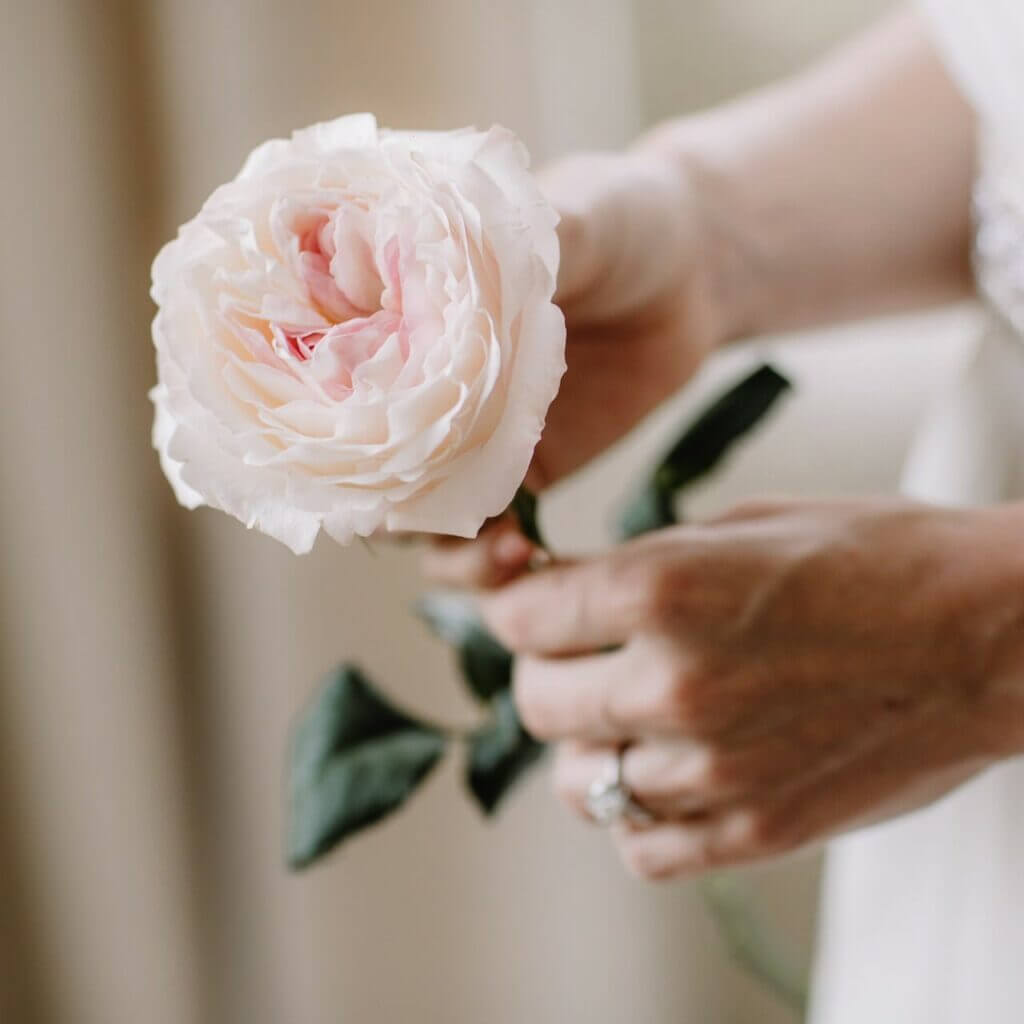
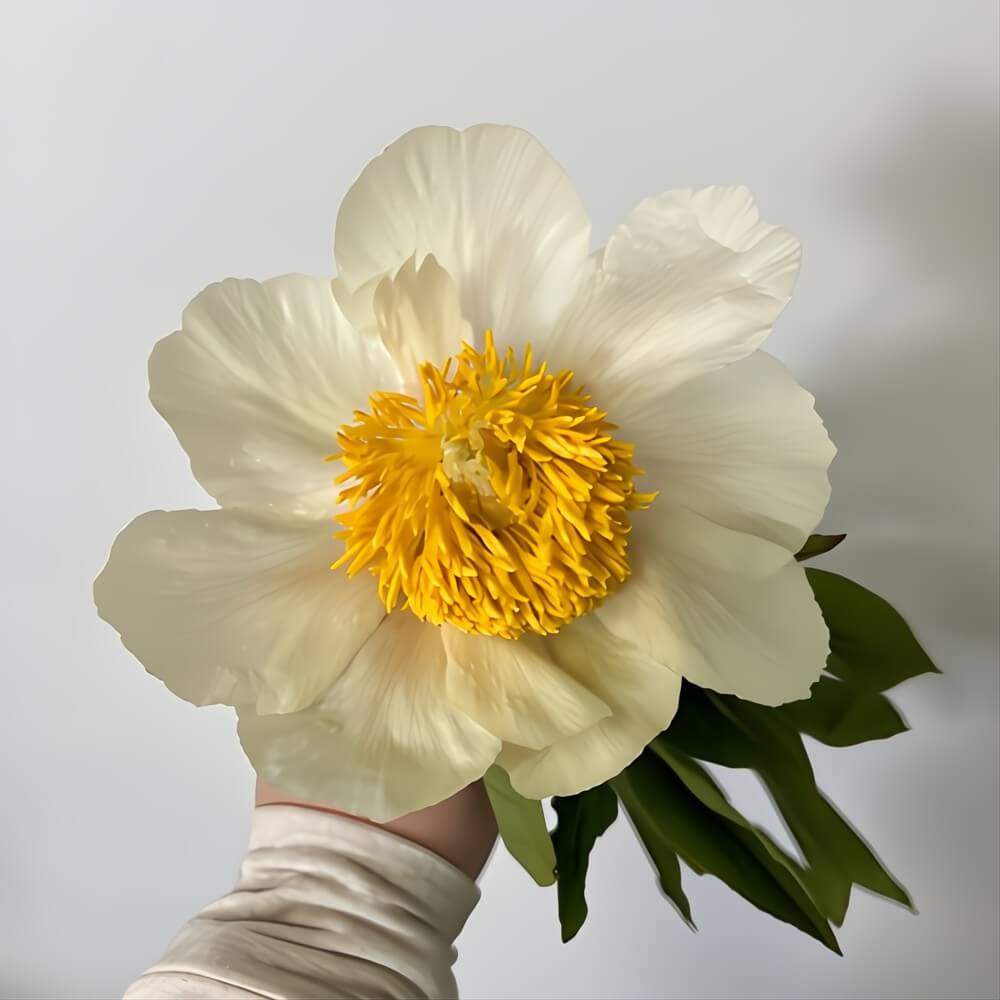
Focal flowers are the stars of your design. They draw the eye first because of size, shape, or unique color. Typical focal choices include roses, peonies, garden roses, lilies, and large ranunculus. Use them to set the mood and define the style of your arrangement or bouquet. Explore favorites in Roses, Peonies, and Garden Roses. For more ideas on choosing feature blooms, read Roses: The Perfect Wedding Flower.
1.2 What Are Filler Flowers?


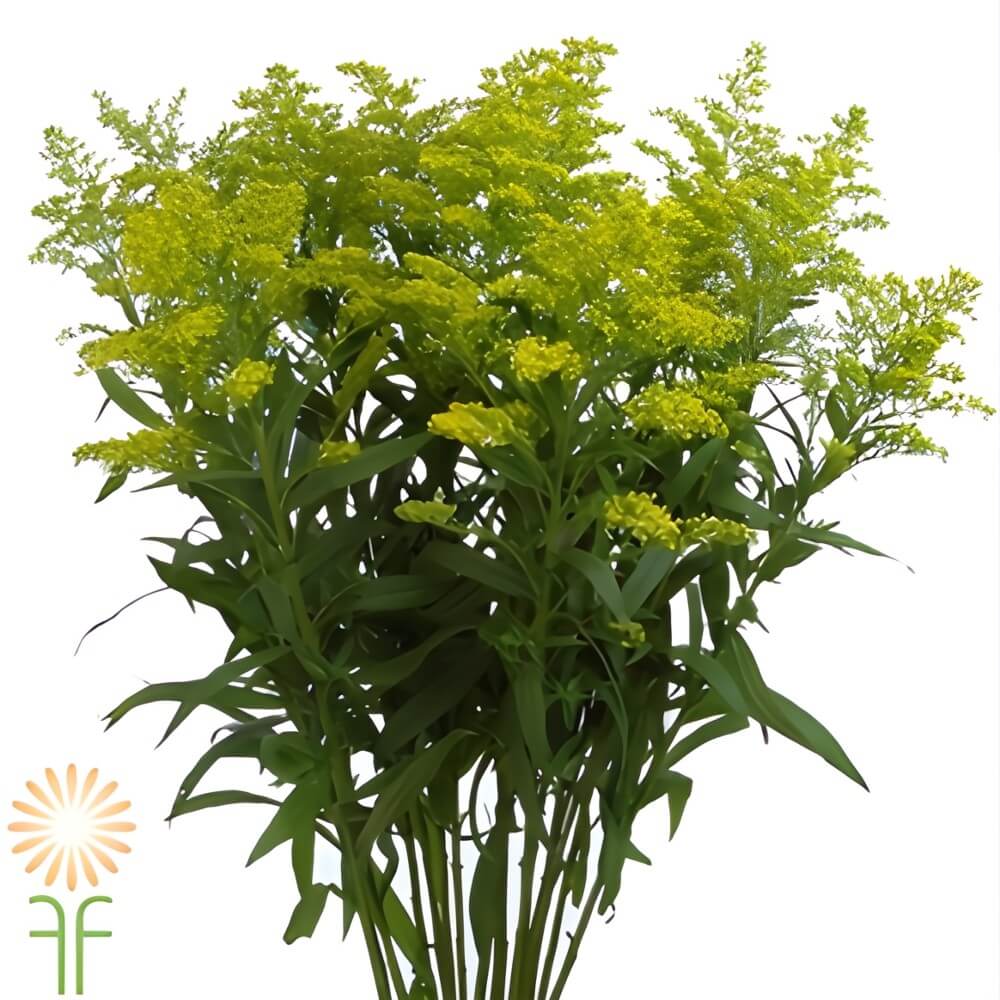
Filler flowers add volume, soften edges, and connect your focal blooms so the eye moves smoothly across the design. They help manage color transitions and can stretch your budget while keeping the arrangement lush. Classic options include baby’s breath, waxflower, stock, and snapdragons. Browse our Filler Flowers, and see why baby’s breath is a staple in The Versatility and Elegance of Baby’s Breath.
1.3 The Role of Greenery and Line Flowers

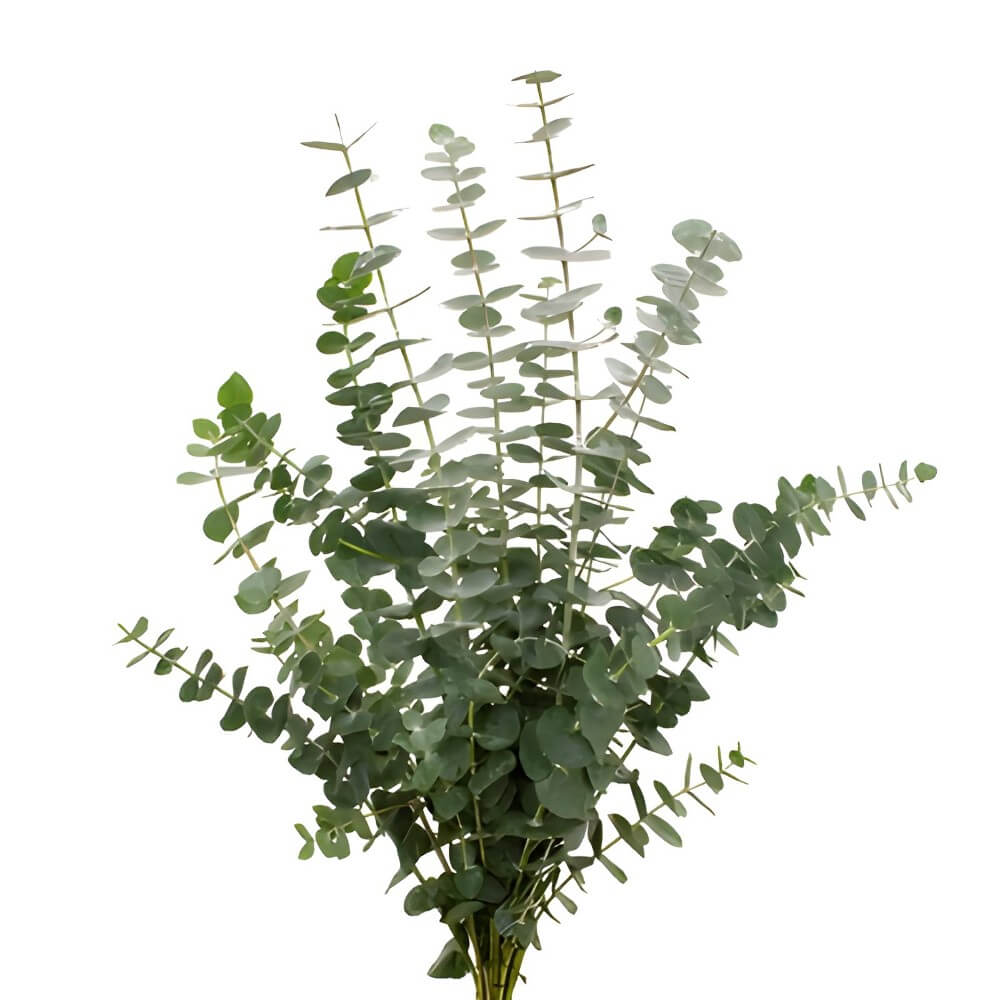
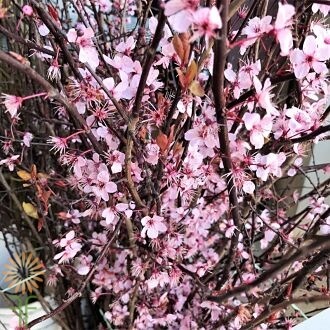
Greenery and line flowers give structure, height, and flow. They create the base your fillers sit on and the frame your focal flowers shine in. Think Italian ruscus, eucalyptus, and branches for shape and movement. Start your design by building a strong foundation with Foliage and Greenery, and learn how a single foliage can elevate your work in The Versatility of Italian Ruscus.
2. Guidelines That Make Arranging Easier
2.1 The 3-5-8 Idea for Bouquet Balance
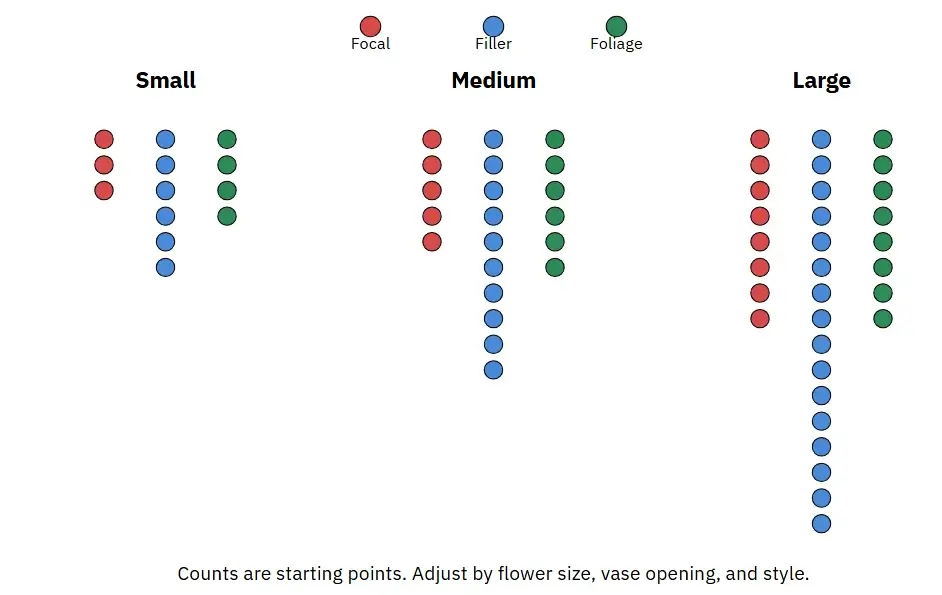
When you are new to design, a simple number guide helps. Many designers think in small, medium, and large builds. For a small handheld or petite vase, you might choose 3 focal blooms, then round out with fillers and foliage. For a medium piece, try 5 feature blooms. For a large statement, 8 or more focal blooms can work well. Your counts will change with bloom size and vessel, but a simple framework keeps you from guessing.
If you are planning for a wedding party, use our counts and calculator tips in How Many Flowers for DIY Wedding. It will help you estimate quantities based on style, size, and number of arrangements.
2.2 Bouquet Ratios by Style
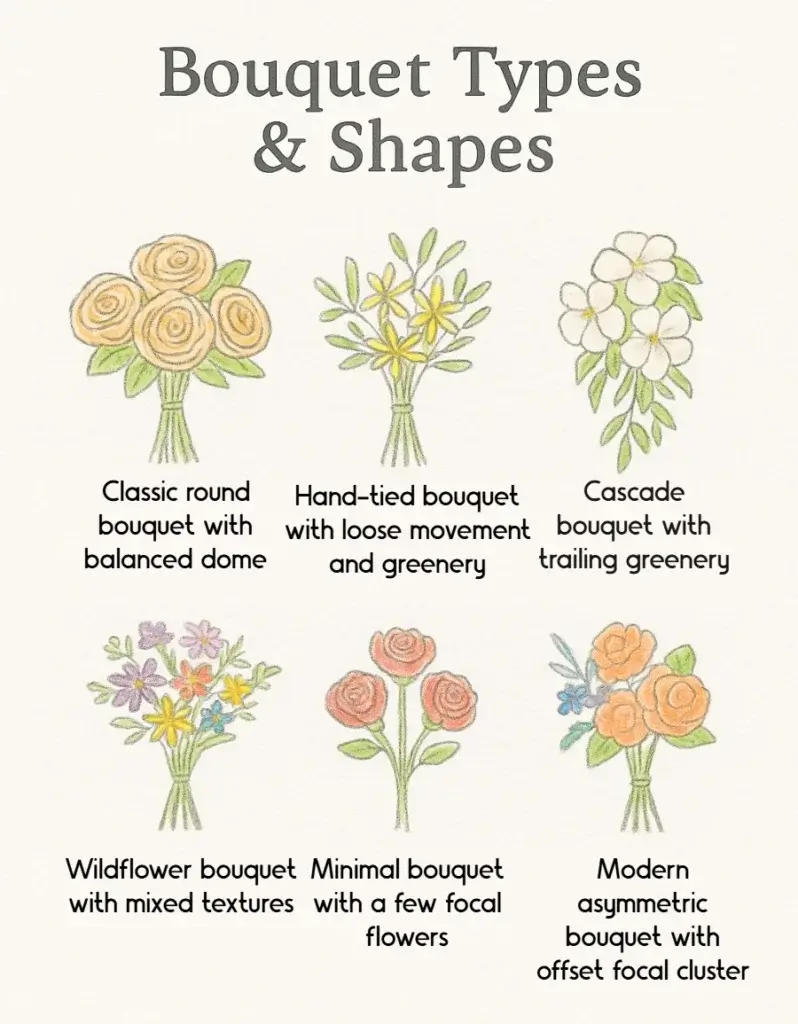
Different bouquet shapes call for different mixes of focal, filler, and greenery. A classic round bouquet uses a balanced dome of focals with fillers tucked between. A hand-tied bouquet looks looser, with airy fillers and movement from greenery. A cascade leans on line flowers and trailing foliage to create flow. For gentle texture that blends well in many styles, explore Ranunculus and Lisianthus. For color planning tips, see Flower Colors in DIY Arrangements.
Bouquet Size Guide at a Glance
Each circle below represents one stem. Colors show the role a stem plays in your design:
- Focal = big, eye-catching blooms
- Filler = volume and soft transitions
- Foliage = structure and shape
The three columns show suggested mix counts for Small, Medium, and Large arrangements. Adjust counts by bloom size and vessel. Counts are starting points. Adjust by flower size, vase opening, and style.
3. Pairing Filler Flowers with Specific Focal Blooms
Good pairings make your arrangement feel intentional. Use fillers to bridge colors, add texture, and support the scale of your focal blooms. Here are starter pairings you can count on.
3.1 Roses
Roses are classic focal flowers with strong shape and presence. For a soft, timeless look, pair them with baby’s breath and waxflower. The tiny blooms create a cloud that lets your roses stand tall without looking stiff. Shop Roses and match with Baby’s Breath or browse broader options in Filler Flowers. For rose styling ideas, read Roses: The Perfect Wedding Flower.
3.2 Peonies
Peonies are full and lush, so they need fillers that either echo their volume or contrast with narrow forms. Stock adds density and a soft perfume. Snapdragons add height and gentle movement. Start with Peonies, then round out with Stock and Snapdragons. Get inspired by varieties in The Captivating Peony.
3.3 Sunflowers
Sunflowers bring bold faces and rustic charm. Balance their size with texture and greens that feel natural. Try eucalyptus for soft drape and a fresh scent, then add a smaller filler to fill any gaps. Explore Sunflowers and pair with Eucalyptus plus your pick from Filler Flowers. For more sunflower ideas, see The Beauty and Variety of Our Wholesale Sunflowers.
3.4 Lilies
Lilies have strong lines and sculptural petals. They pair well with airy textures and gentle greens that do not compete. Astilbe gives soft feathery volume. Eucalyptus or ruscus can frame the shape without crowding it. Shop Lilies, blend with Astilbe, and anchor with Foliage and Greenery. Learn more about lily features in The Enchanting World of Lilies.
Use pairings as a guide, not a rule. Your venue style, color palette, and season all play a part. Test a few stems together on your table and see how they behave. That small experiment can save time and help you fall in love with a mix before you order.
4. Step-by-Step Arranging Process
4.1 Start with Greenery
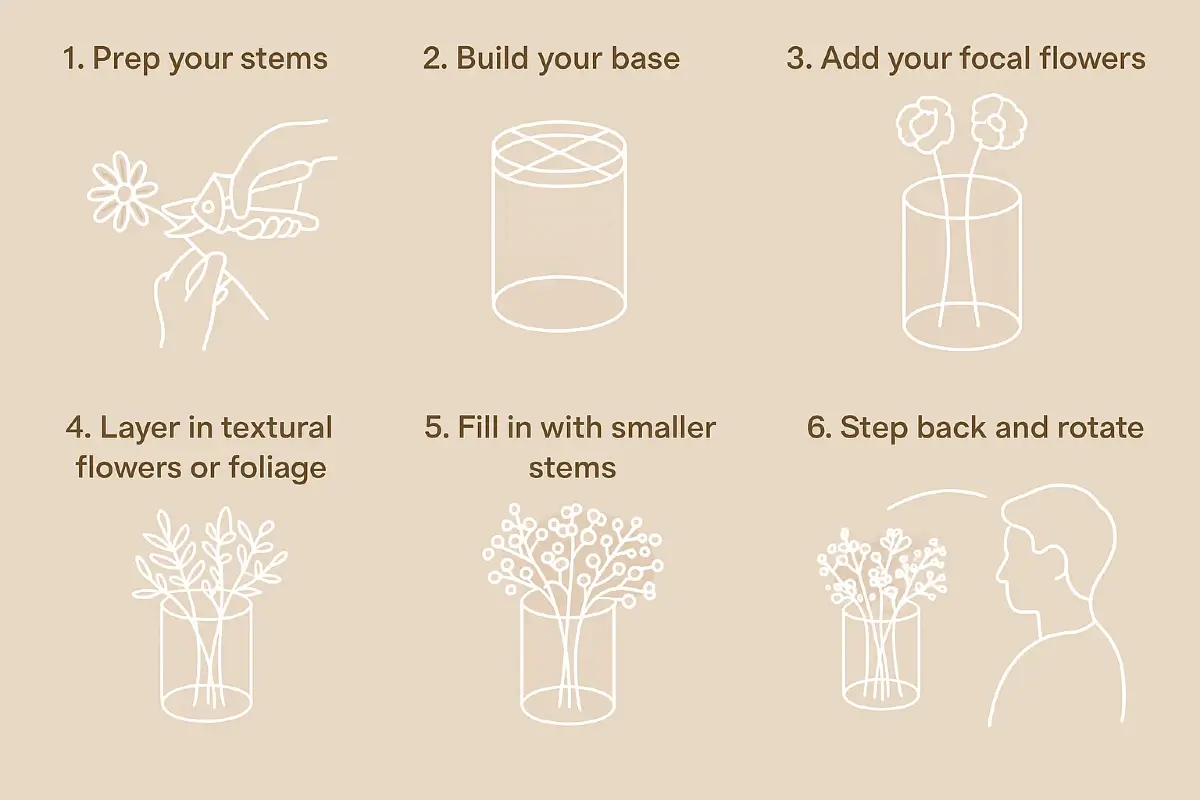
Begin with a stable base. Greenery sets the outline and gives stems something to rest on. Crisscross stems inside the vase to create a natural “grid.” If you are making a hand-tied bouquet, spiral the stems as you add them so the bunch sits comfortably in your hand. Build your base from Foliage and Greenery.
4.2 Build with Fillers
Next, add your fillers. Place them where you want gentle transitions, fullness, or a little lift for your focal flowers. Vary stem heights slightly so the arrangement looks alive. Step back every few minutes to check shape and balance. Explore the textures in Filler Flowers.
4.3 Add Focal Flowers Last
Now place your feature blooms. Angle them so each face is visible from the main viewing side. Keep a few stems in reserve so you can adjust after a final look. Popular choices that work in many palettes include Garden Roses and Peonies. If you prefer a more delicate focal, try larger Ranunculus or premium Lisianthus.
4.4 Tips for Beginners
- Trim and hydrate right away. Fresh cuts and clean water help flowers open on schedule.
- Group in odd numbers for a natural look, then fill the spaces between groups with lighter textures.
- Work at eye level for bouquets and at table height for centerpieces so you see the shape as guests will.
- Stop early. It is easy to overfill. Leave some breathing room around your focal blooms.
For more help as you practice, visit DIY Flower Arranging and our planning walk-through in How to Choose Flowers for DIY Arrangements.
5. Beyond the Basics
Once you are comfortable with the steps, try pushing your designs a little. You can use a bold color story, introduce an unusual focal, or feature seasonal textures that guests do not see every day. If you love modern color stories like beige, toffee, or muted pastels, balance them with airy fillers and crisp greenery so the palette stays clear. For seasonal trend ideas and color planning, take a look at Shifting Wedding Trends and browse our Trending category.
Different focal families bring different moods. Calla Lilies feel sleek and modern. Delphinium adds height and a fresh sky tone. Chrysanthemums are budget friendly and come in many forms that can act as focal or filler depending on the size. If fragrance is part of your goal, weave in Eucalyptus or stock for a subtle scent that does not overpower your main blooms.
Keep notes as you test combinations. Write down what you loved, what felt heavy, and which fillers blended best with your focal flowers. That list will make your wedding week smoother because you will know what to order and how much of each stem you actually need.
Frequently Asked Questions about Focal & Filler Flowers
Look at size, shape, and visual dominance. Big, showy blooms that grab attention are usually focals. Smaller, airy stems that add fullness are fillers. Compare options in Roses for focals and Filler Flowers for supporting texture.
Yes. It depends on stem size, bloom scale, and the design. For example, Lisianthus can be a focal in petite bouquets but a filler next to large peonies. Some Chrysanthemums also switch roles based on variety and head size.
Two is a good starting point. Use one airy filler for softness and one textural filler for depth. If you are planning quantities for wedding party pieces, use the estimates in How Many Flowers for DIY Wedding and shop options in Filler Flowers.
Try larger-head varieties of Chrysanthemums, premium Carnations, and versatile Spray Roses. They deliver impact at a lower price and mix well with classic fillers like baby’s breath and waxflower.
Greenery builds structure and defines shape, so keep at least one foliage even if you use multiple fillers. Start with a simple base like Foliage and Greenery, then add airy fillers. If you want fragrance and movement, try Eucalyptus.
Unbox, recut stems, and hydrate in clean water in a cool, dark room. Give delicate fillers time to drink so they do not droop during arranging. For step-by-step setup and timing tips, see DIY Flower Arranging and our planning guide How to Choose Flowers for DIY Arrangements.


Ready to Build Your Mix?
Start with a clear plan. Pick one or two focal flowers that match your style, then add fillers and greenery to support them. Shop by category to build your cart in minutes. Explore Roses, Peonies, or browse our Garden Roses for premium looks. Fill out the shape with Filler Flowers and frame everything with Foliage and Greenery.
For a complete roadmap from ordering to arranging, read our Definitive Guide to DIY Wedding Flowers and bookmark How to Choose Flowers for DIY Arrangements. With a little practice, your focal flowers will sing and your fillers will bring the harmony that makes the whole design feel effortless.