
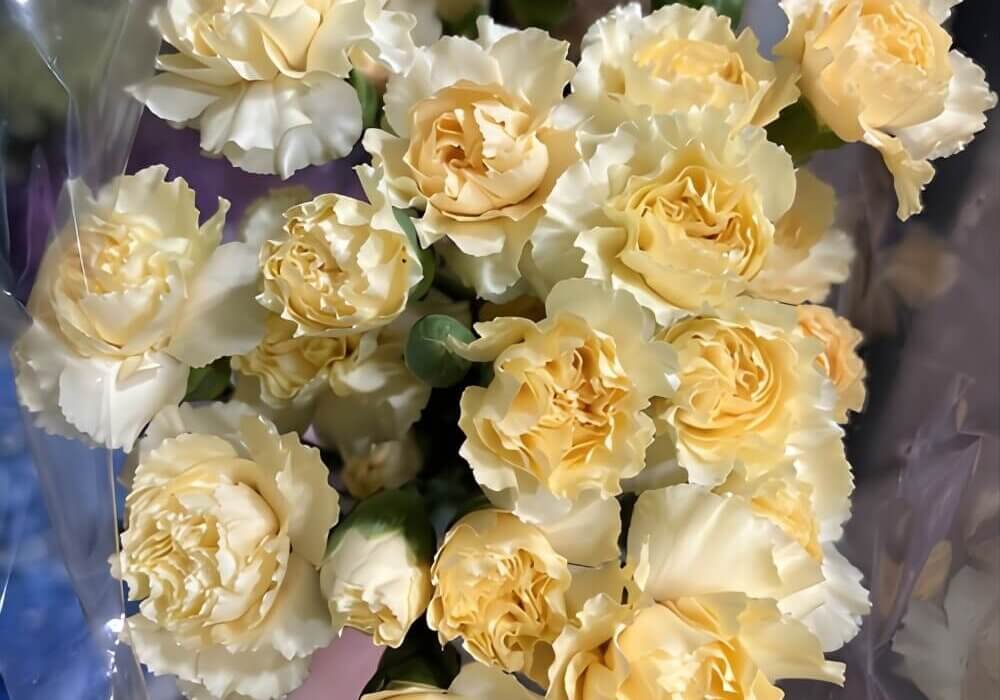
Hand-Selected Cream Flowers for Soft, Layered Wedding Palettes
Wholesale Cream Flowers for Weddings & Events
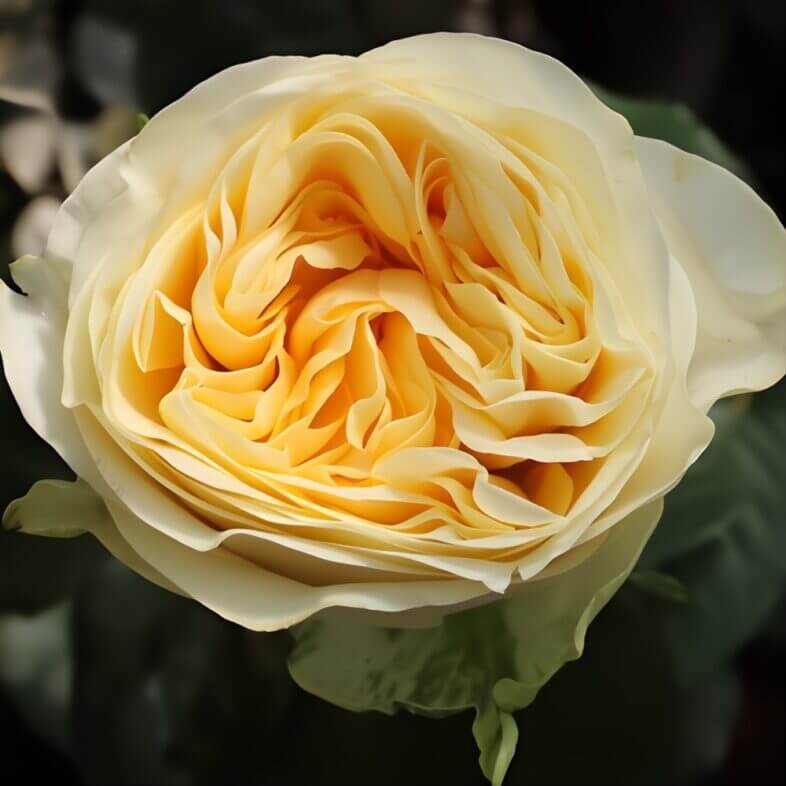
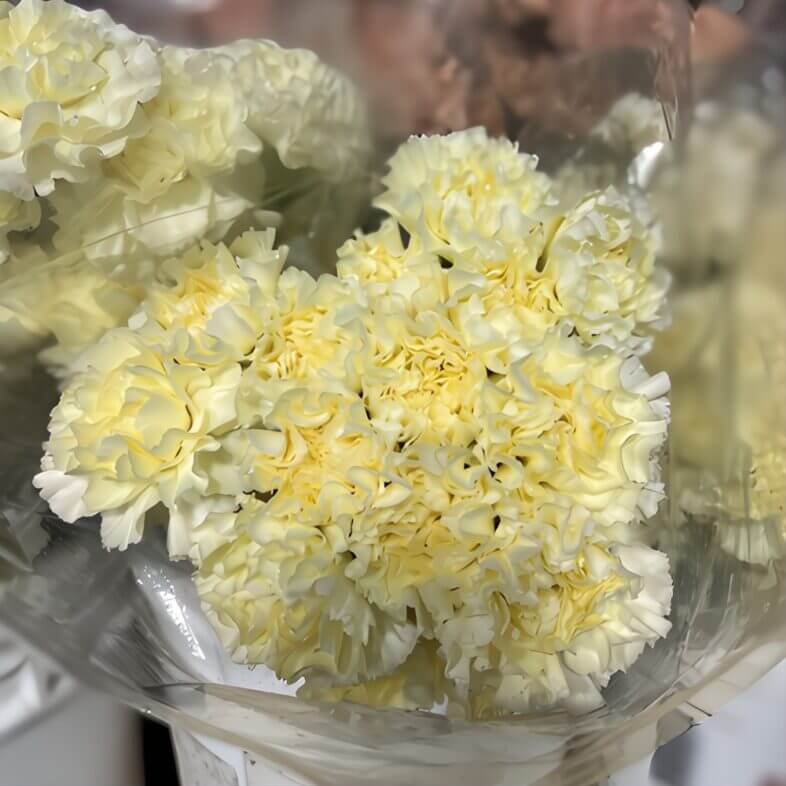
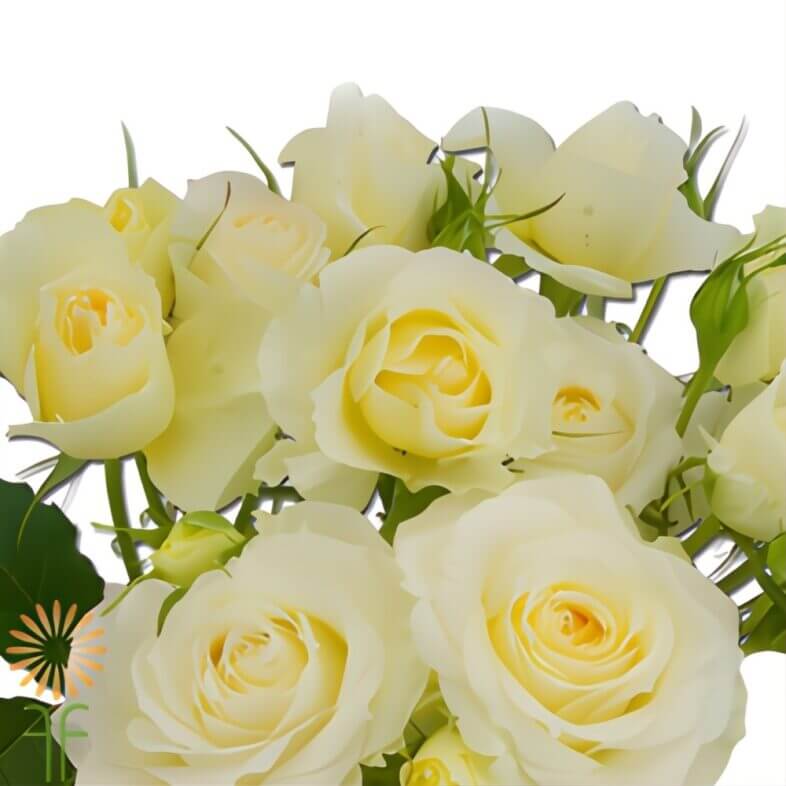
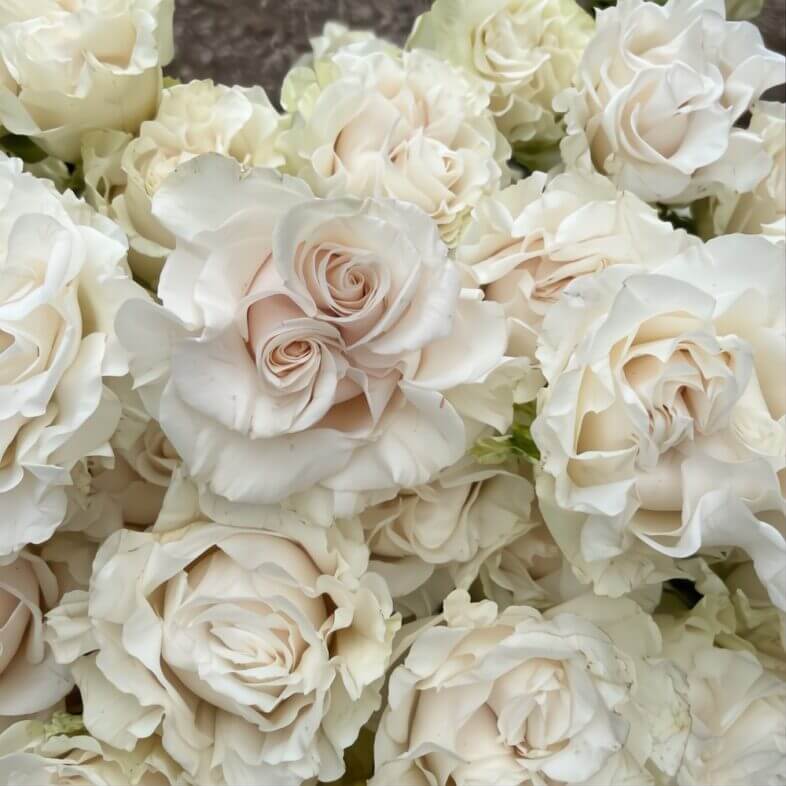
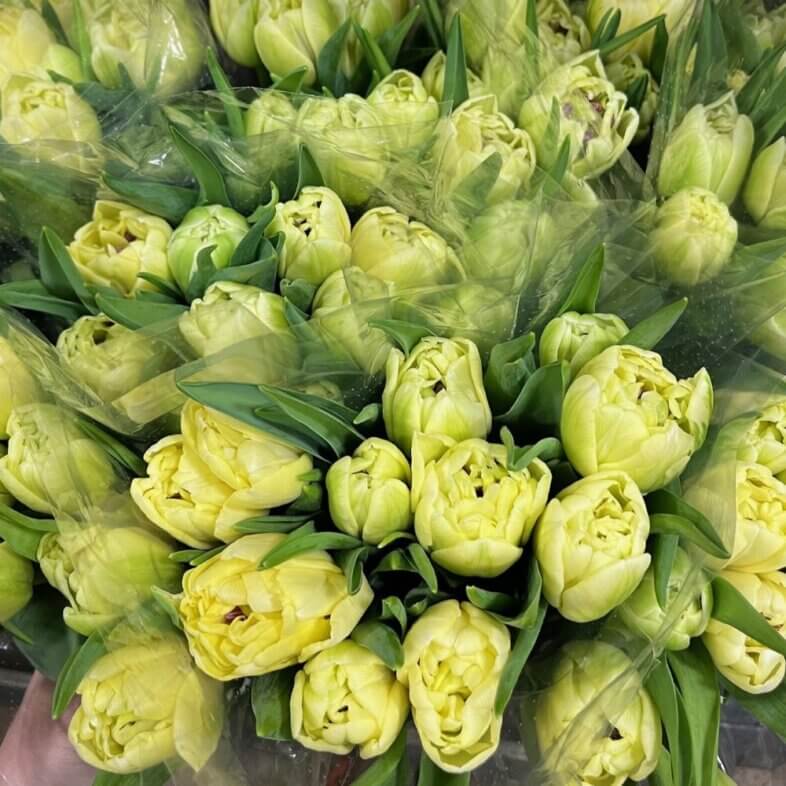
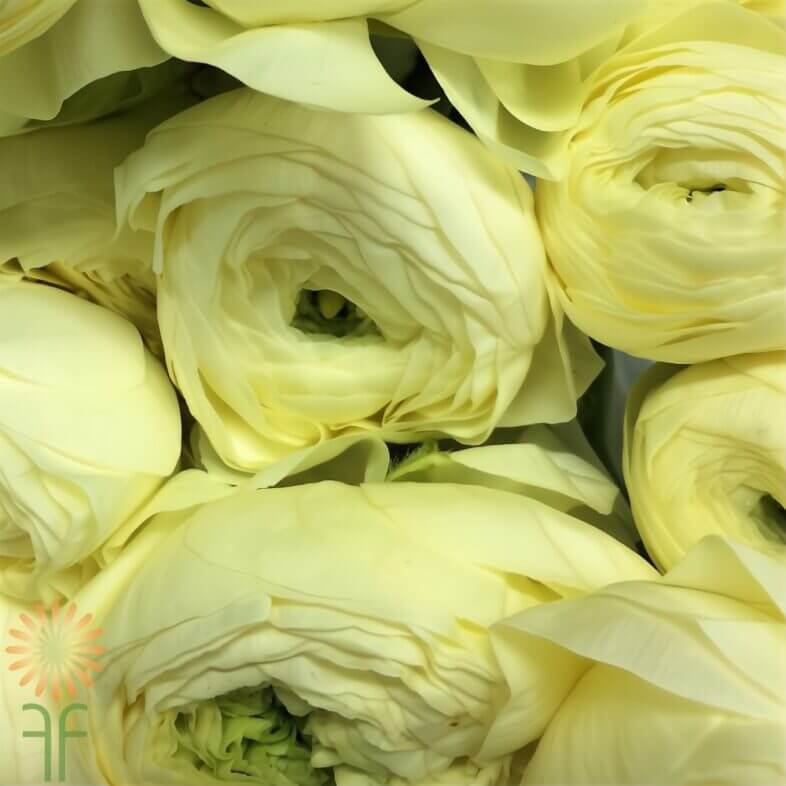
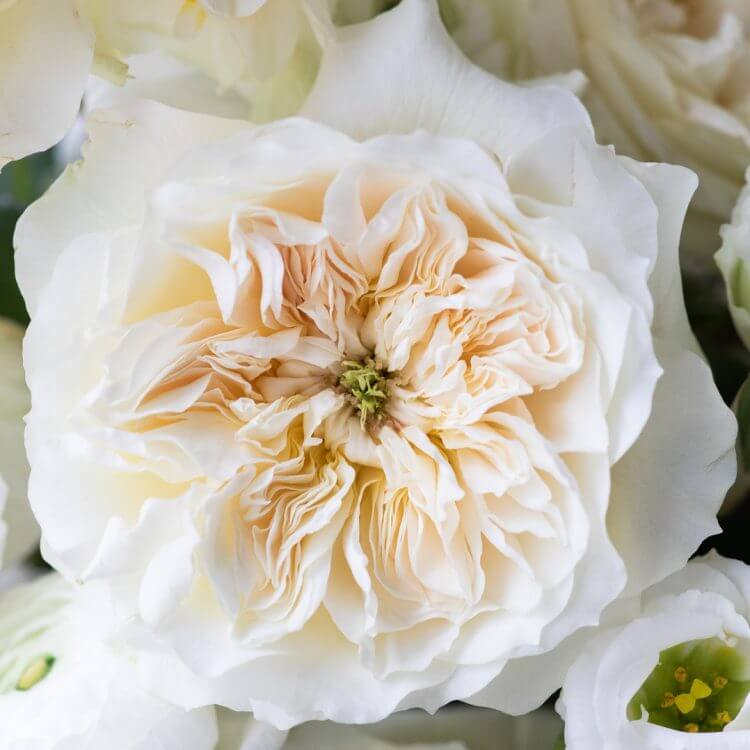
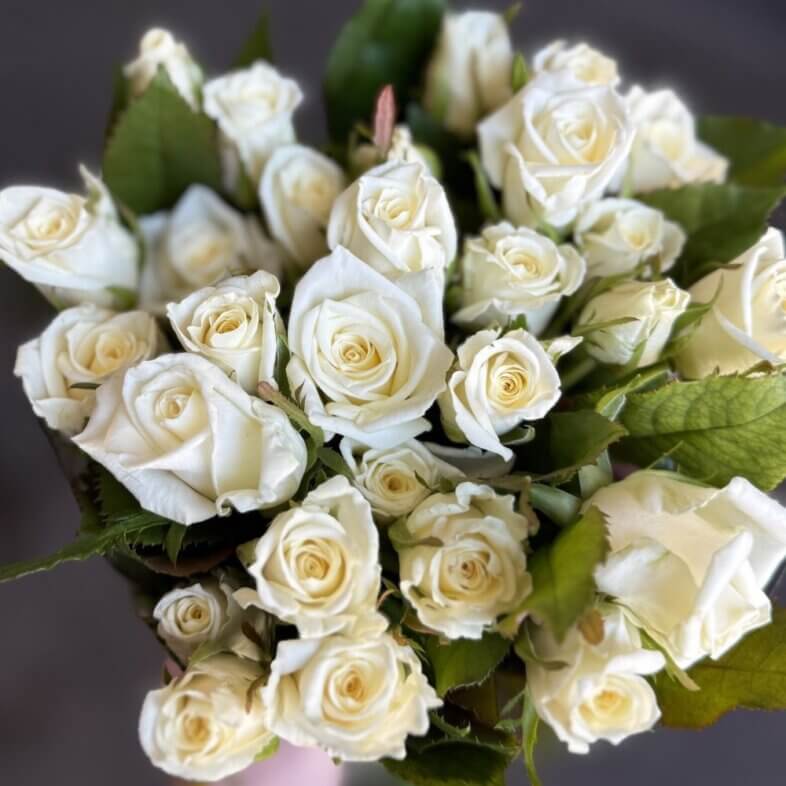
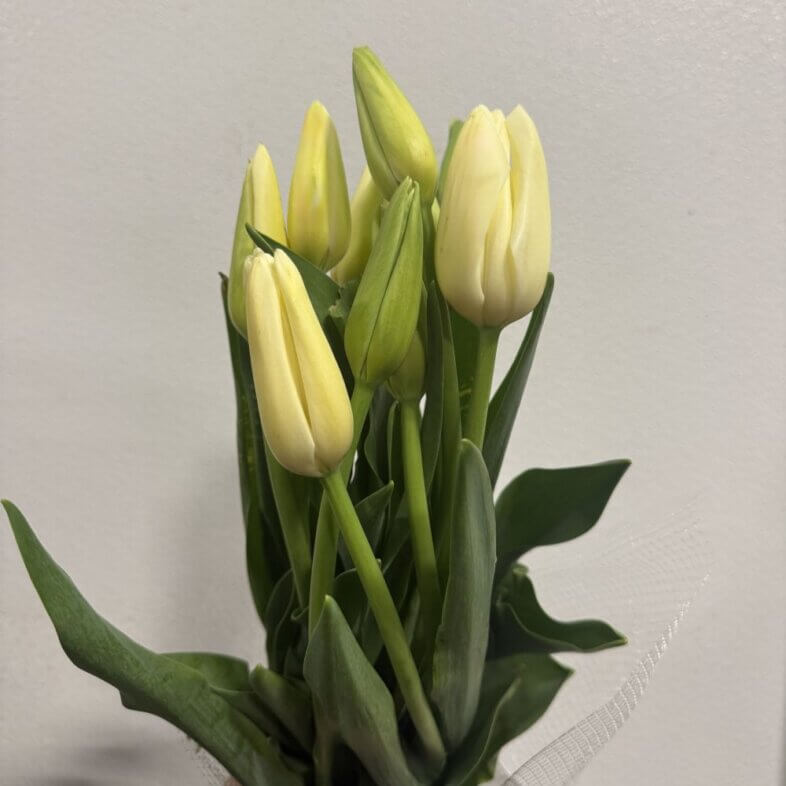
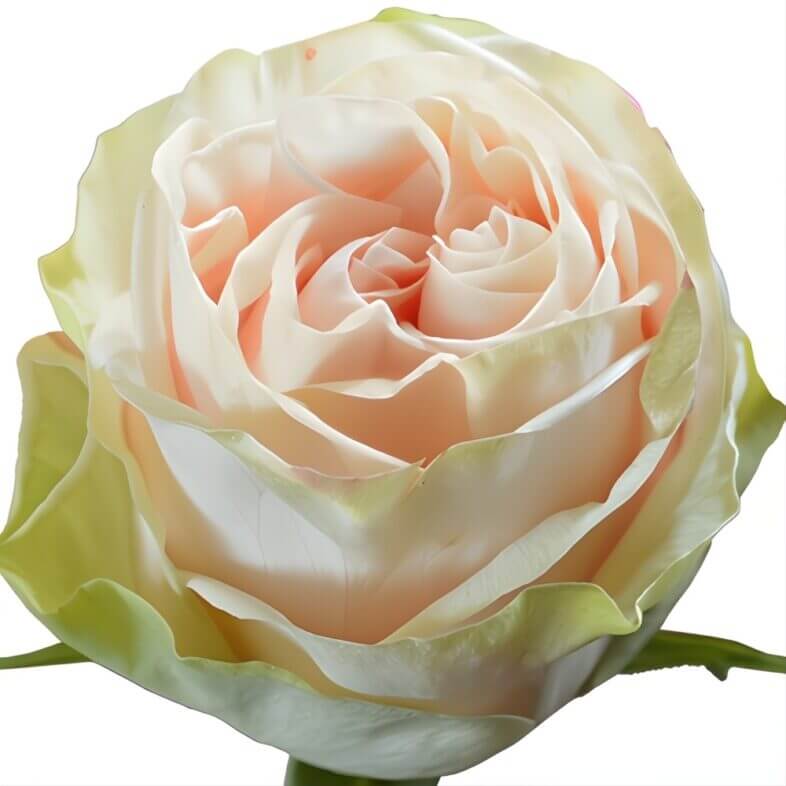
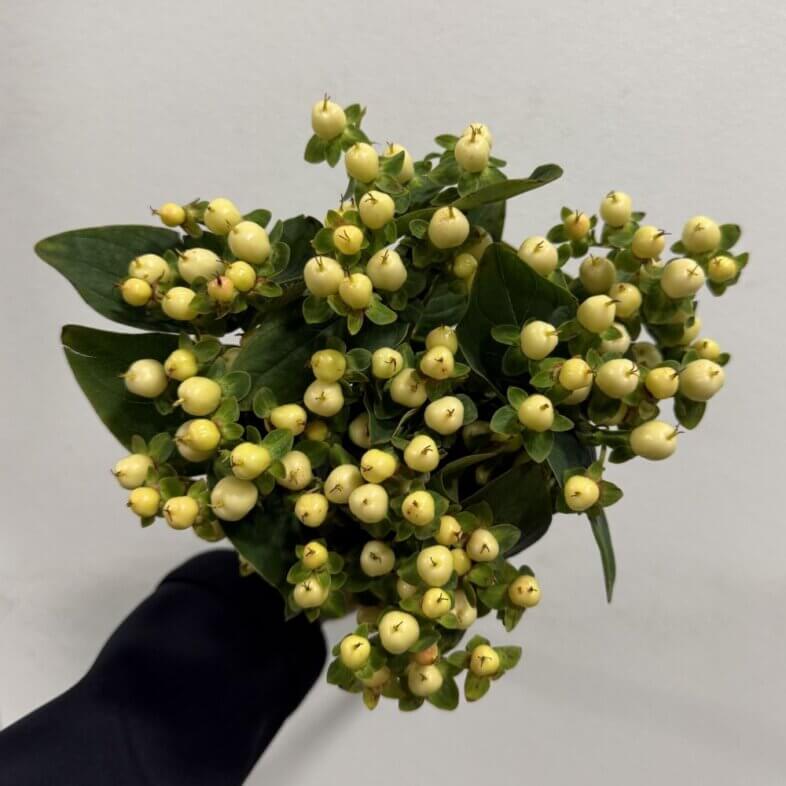
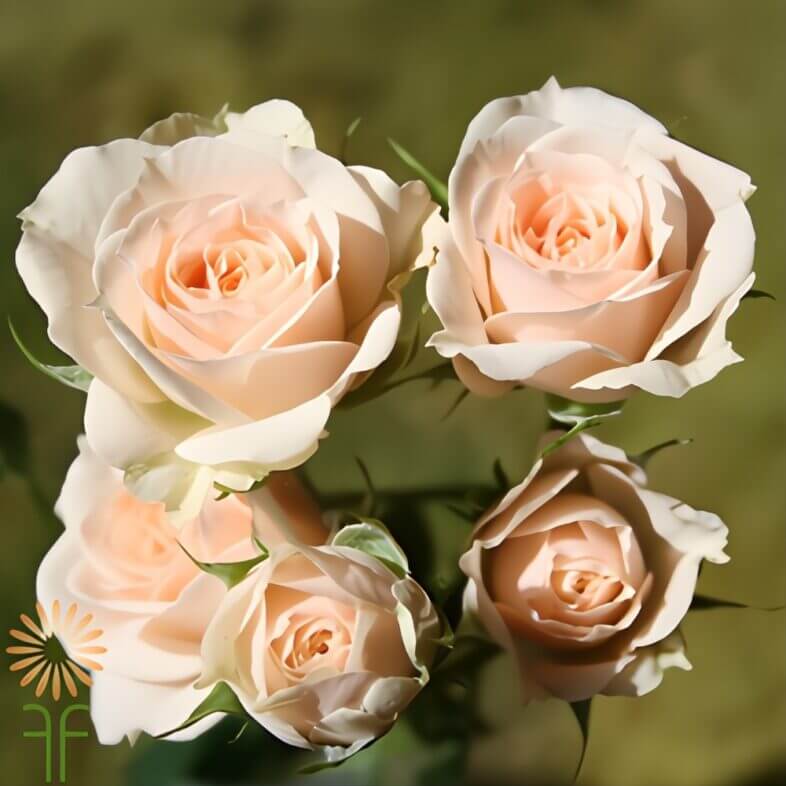
Cream flowers bring a soft, warm look to DIY weddings and events. From cream roses and lisianthus to tulips, carnations, and garden roses, this collection includes fresh-cut wholesale cream flowers suited for bouquets, centerpieces, ceremony flowers, and large installations. Cream flowers sit between white flowers and beige flowers, making them a flexible choice when you want a balanced palette without strong contrast. You can also layer in neutral flowers to add texture and soften transitions. Every order is carefully processed and packed at our Carpinteria, California facility to maintain freshness, quality, and consistency.
Need help selecting the right shade or variety? Contact our floral team for guidance.
Overview | Pairing Guide | Stem Counts | Seasonality | FAQs | Shop Flowers
Shop Cream Flowers
Browse our collection of cream flowers for weddings, bouquets, and centerpieces. This assortment includes ivory, soft butter, and warm off-white blooms that create a balanced and refined look across a wide range of floral styles.
Many couples choose cream wedding flowers as a base color because they soften the look of white while still feeling clean and timeless. From cream roses and lisianthus to tulips, carnations, and garden roses, these flowers help build layered arrangements that feel natural and cohesive.
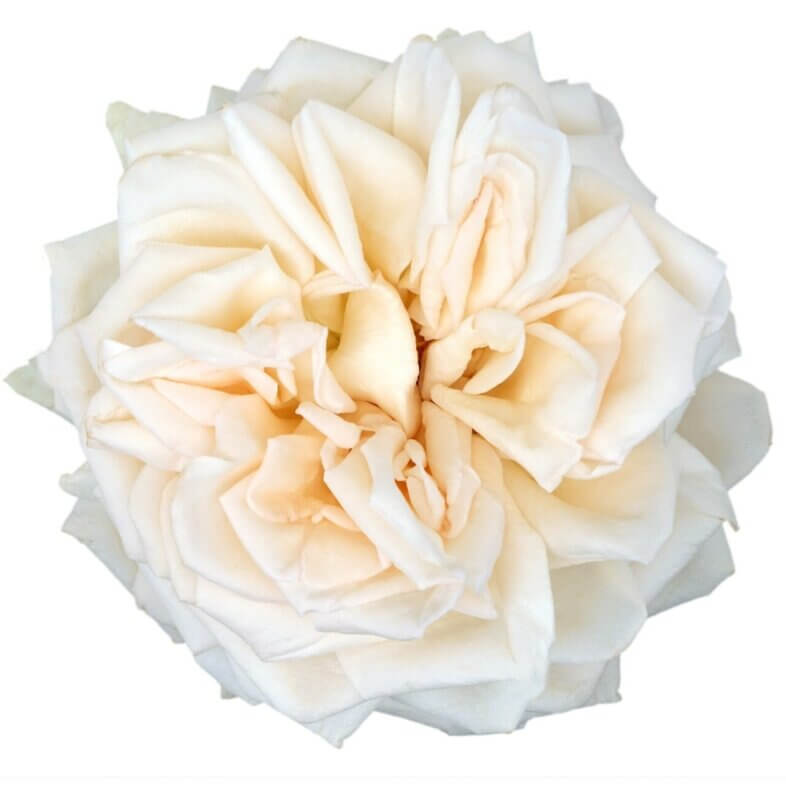
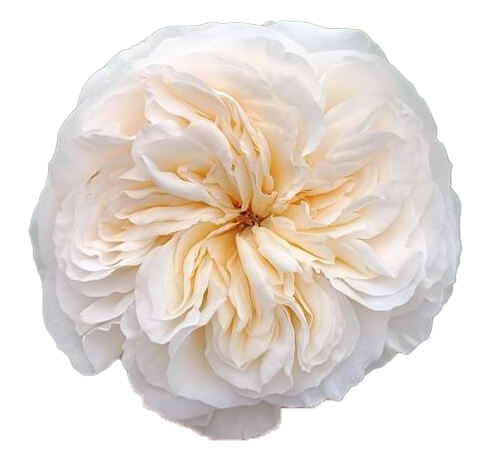
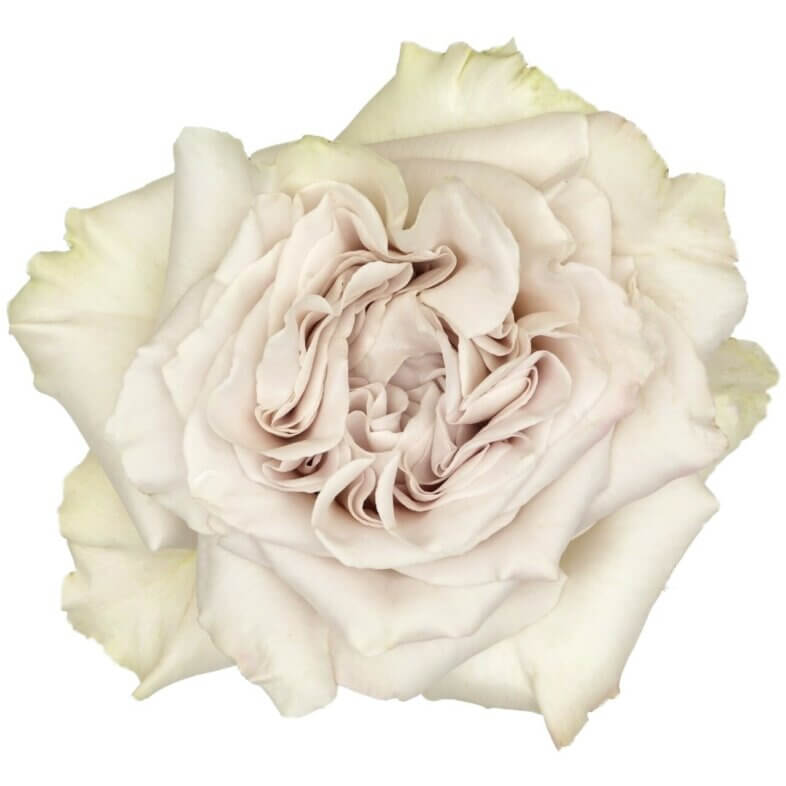



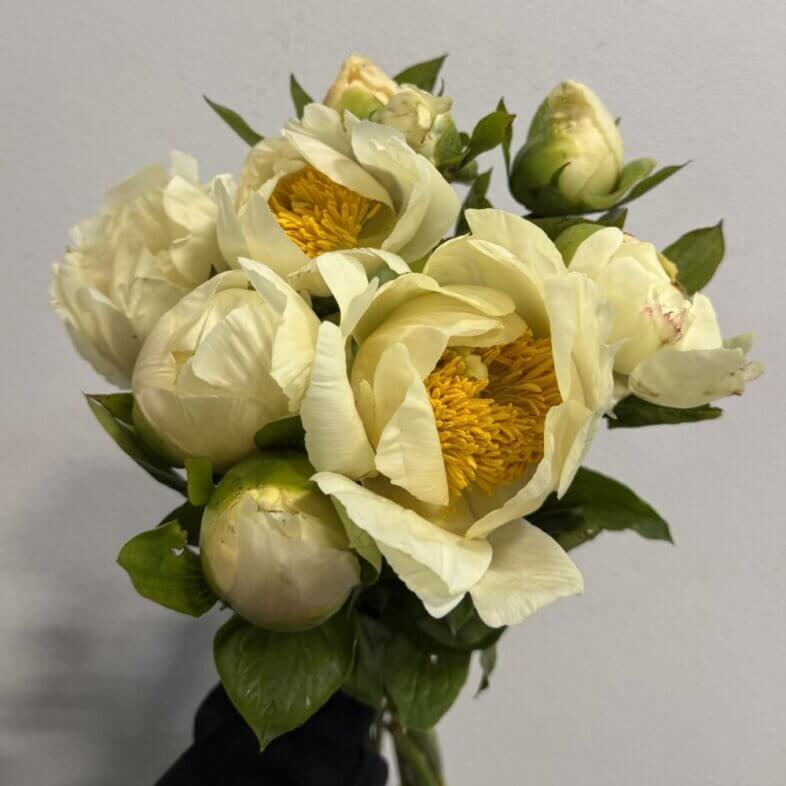
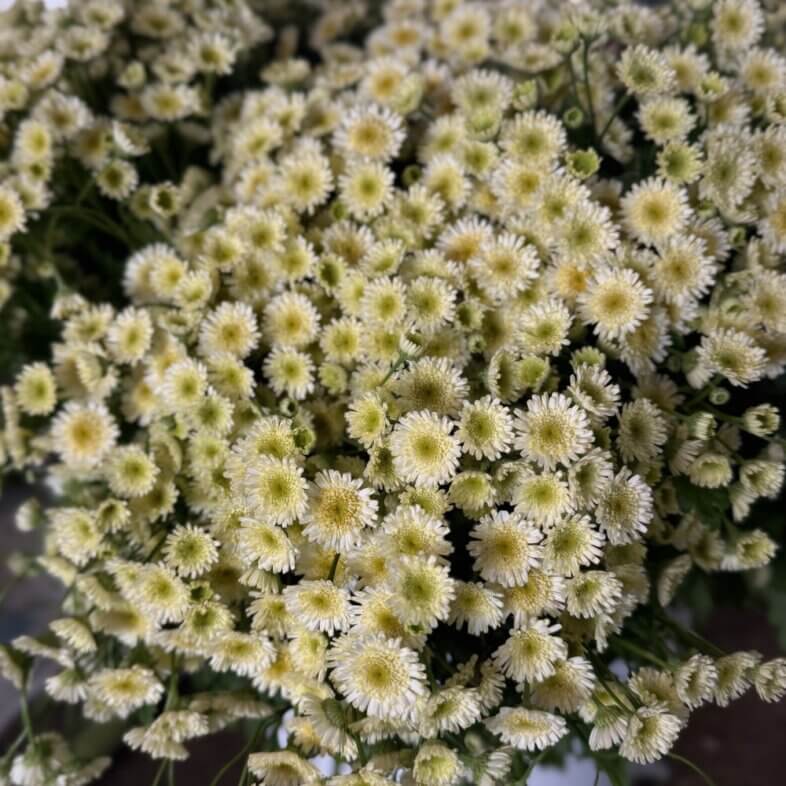
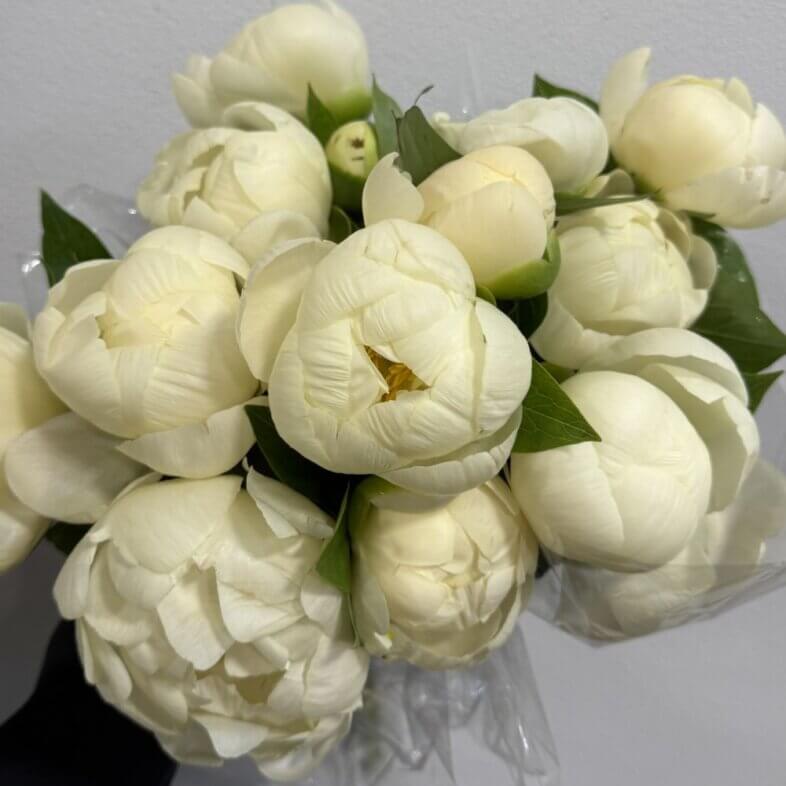
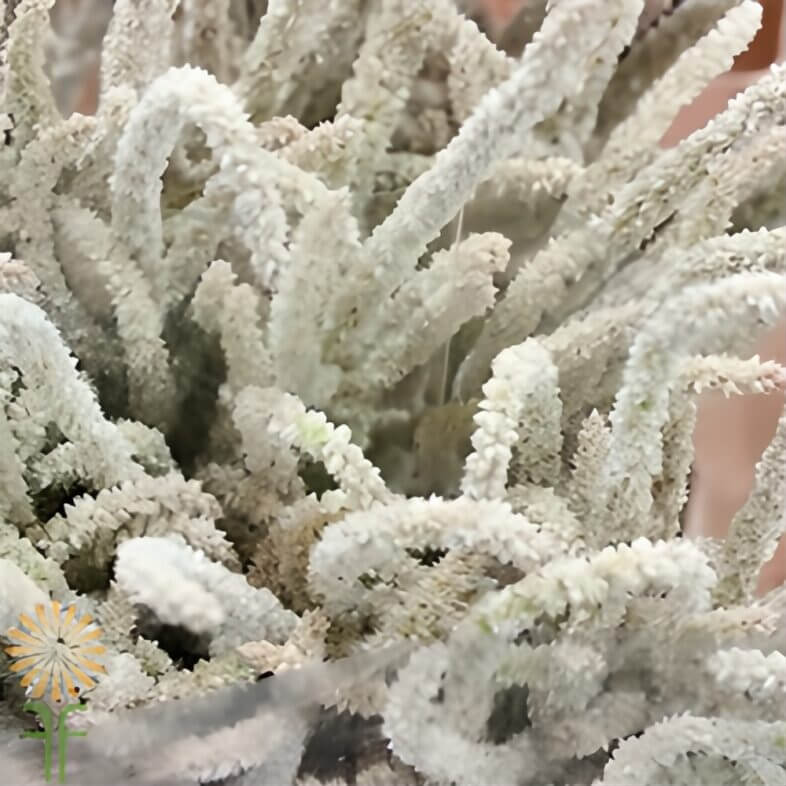
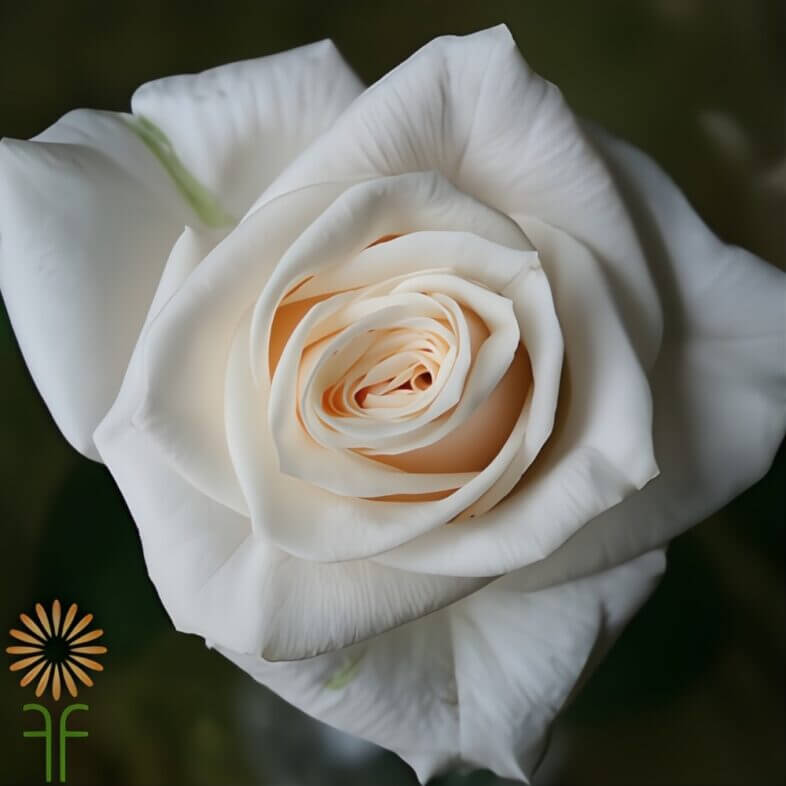
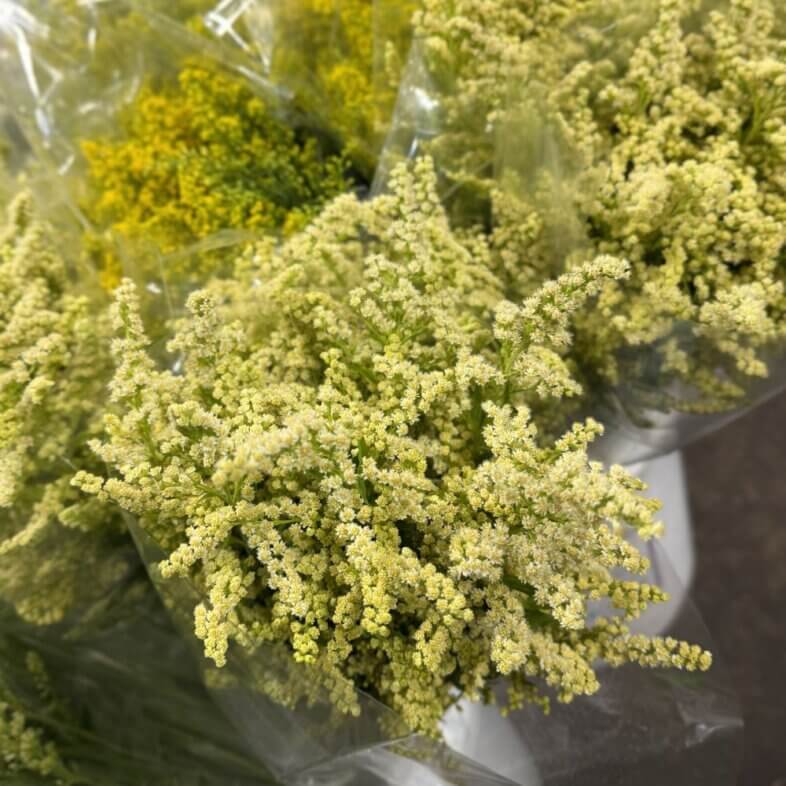
Cream Flowers Buying Guide
Cream flowers create a soft foundation for DIY weddings and events. Cream can read ivory, butter, or warm off-white depending on lighting and variety. This guide helps you choose the right cream flowers quickly, then order wholesale stems that match your palette and design style.
If you are comparing cream to white or beige, focus on warmth.
- Cream sits between bright white and warm beige
- It softens contrast without adding strong color
- It works as a base layer across most palettes
Popular cream flowers include roses, lisianthus, tulips, carnations, ranunculus, and garden roses when you need flexibility and consistent tone.
How Cream Flowers Photograph
Cream flowers shift slightly depending on lighting, but far less than beige. In bright daylight, cream can appear closer to white. In warm indoor lighting, cream becomes richer and more golden. Understanding this helps you plan a palette that stays consistent across ceremony and reception settings.
Warm indoor lighting deepens cream tones and can push them slightly toward soft gold. This adds warmth and richness to arrangements without introducing strong color.
Cool daylight and open shade pull cream closer to white. This creates a cleaner look and reduces warmth in photos.
Flash photography tends to simplify cream tones. Mixing textures like garden roses, lisianthus, and ranunculus helps preserve depth.
Pairing Cream Flowers by Style
Soft and Romantic
Pair cream with blush, peach, and soft pink tones to create layered arrangements that feel natural and relaxed.
Neutral and Layered
Combine cream with beige and taupe tones to build depth while keeping the palette soft.
Clean and Classic
Mix cream with white and greenery for a structured and timeless look.
Stem Count Planning
Use these ranges as a starting point when planning cream wedding flowers. The cream flower column shows a typical number of stems for the primary flower in each arrangement.
| Arrangement | Total Stem Range | Cream Flower Stems |
|---|---|---|
| Bridal bouquet | 25 to 45 stems | 12 to 20 stems |
| Bridesmaid bouquet | 15 to 25 stems | 7 to 12 stems |
| Boutonniere | 2 to 4 stems | 1 stem |
| Bud vase | 5 to 8 stems | 2 to 3 stems |
| Medium centerpiece | 25 to 40 stems | 10 to 18 stems |
| Large centerpiece | 45 to 70 stems | 18 to 30 stems |
| Ceremony arrangement | 80 to 140 stems | 35 to 60 stems |
Why Our Cream Flowers Look Consistent
Every order is hand picked and packed at our Carpinteria facility. We inspect and repack flowers before they ship. This helps reduce color variation and quality issues that can happen with drop ship packing.
Need help choosing between cream, ivory, and white tones. Contact our floral team and we will help you select the right flowers for your palette.
For hydration and handling, follow our fresh cut flower care tips.
Seasonal Availability of Cream Flowers
Most cream flowers are available year-round, with strong support from roses, carnations, lisianthus, and tulips. Garden roses and peonies are more seasonal and may require advance planning.
If your preferred variety is unavailable, similar cream-toned flowers can usually maintain the look of your arrangement without major changes.
Frequently Asked Questions
What are the most popular cream flowers for weddings?
Cream roses, lisianthus, ranunculus, tulips, carnations, and garden roses are common choices because they create a soft base for bouquets, centerpieces, and ceremony flowers.
What is the difference between cream, white, and beige flowers?
Cream sits between white and beige. White reads bright and crisp. Cream feels softer with a slight warm tone. Beige leans more muted with tan or sand undertones. The three work well together but create different levels of contrast.
Which cream flowers have the longest vase life?
Carnations, chrysanthemums, and some fillers tend to last the longest, often seven to fourteen days with proper care. Roses usually last five to seven days. Garden roses and ranunculus are more delicate and typically last fewer days.
What flowers are similar to cream if my first choice is unavailable?
Look for ivory, soft white, or very light blush tones. These can often replace cream flowers while maintaining a similar look depending on the palette.
Do cream flowers work for all wedding styles?
Yes. Cream works across classic, romantic, and modern designs because it adds warmth without introducing strong color. It is one of the most flexible choices for building a cohesive palette.