
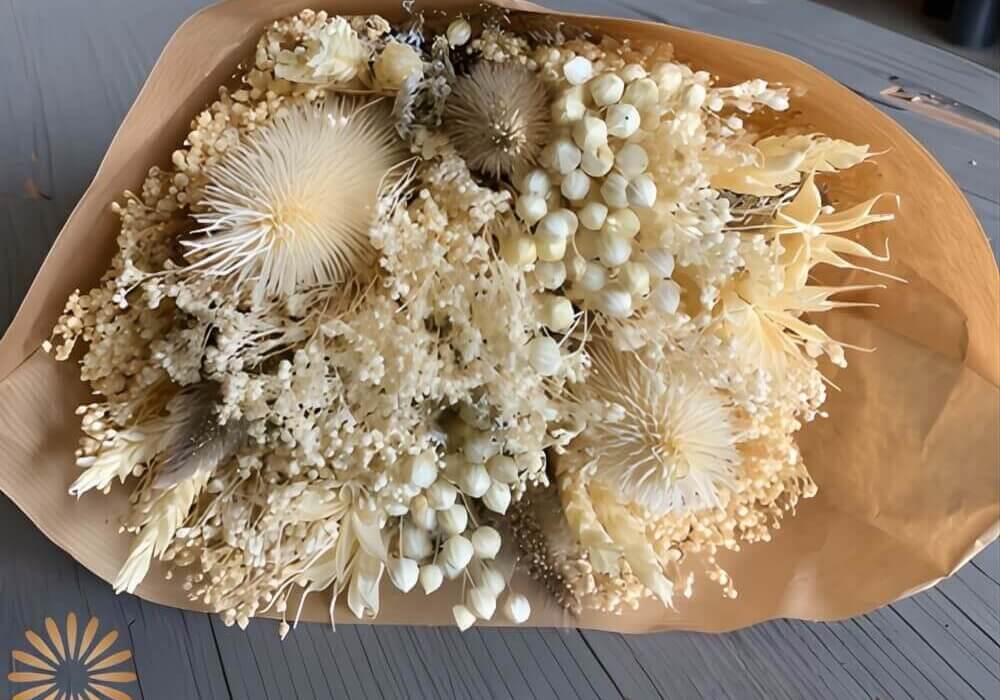
Hand-Selected Neutral Flowers for Soft, Flexible Wedding Palettes
Wholesale Neutral Flowers for Weddings & Events
Neutral flowers create a soft foundation for DIY weddings and events. This collection includes ivory, beige, cream, and mixed-tone blooms along with dried and bleached elements that work across many palettes. Neutral flowers are used to build depth, soften contrast, and connect colors within arrangements. Every order is inspected and packed at our Carpinteria, California facility to support consistency, freshness, and reliable results.
Need help selecting the right shade or variety? Contact our floral team for guidance.
Overview | Pairing Guide | Stem Counts | Seasonality | FAQs | Shop Flowers
Shop Neutral Flowers
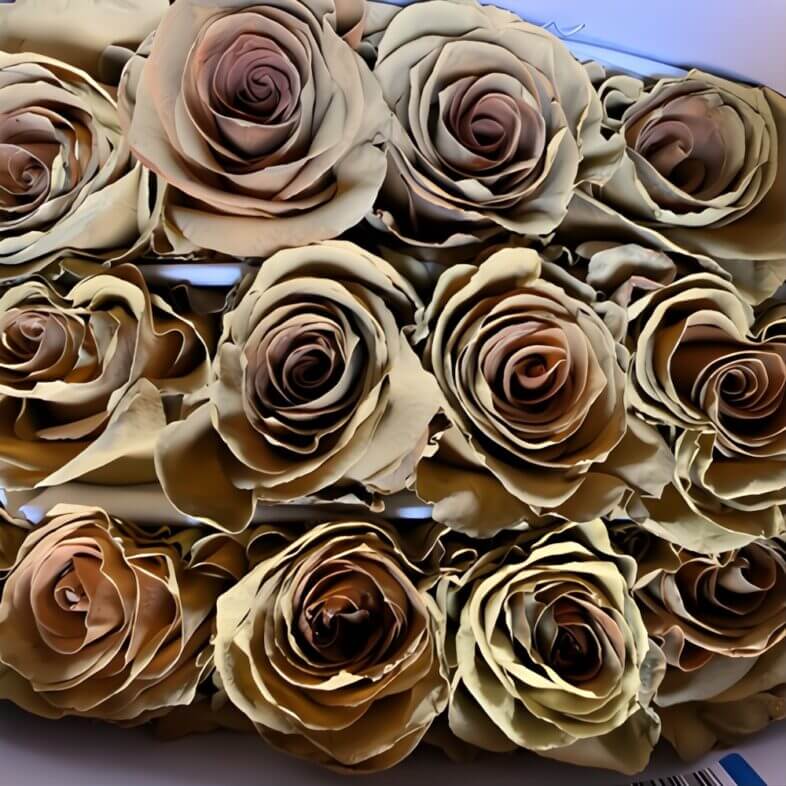
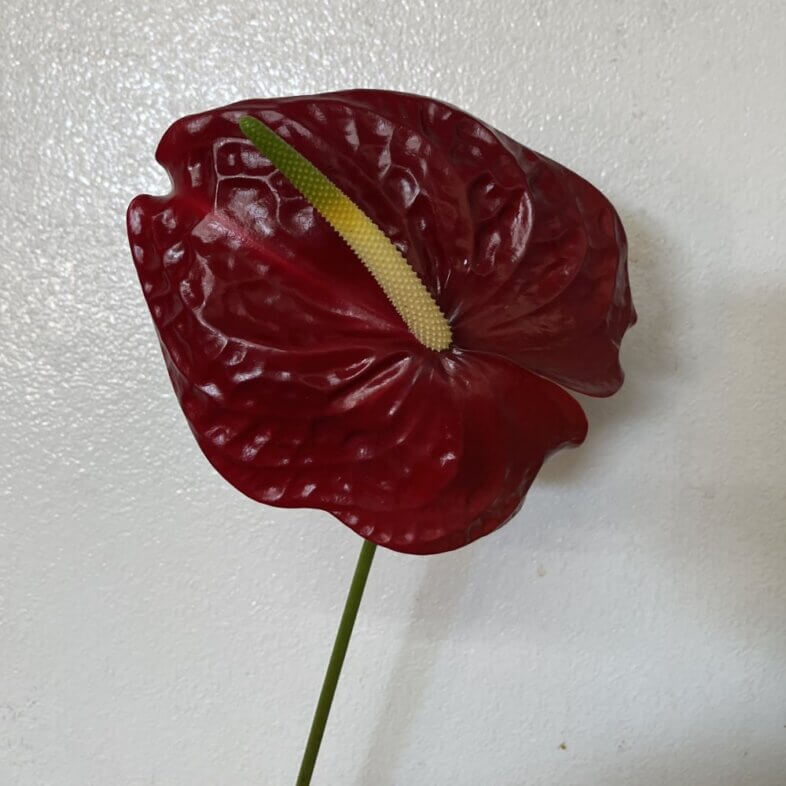
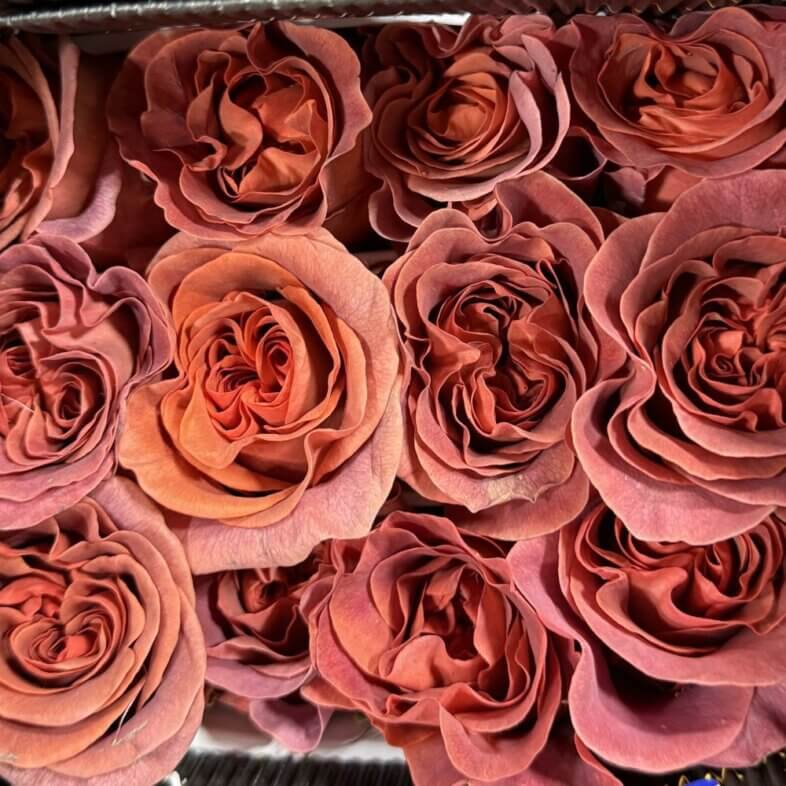
Browse our collection of neutral flowers for bouquets, centerpieces, and installations. This assortment includes cream, ivory, beige, and mixed-tone blooms along with dried and bleached elements that add texture and structure.
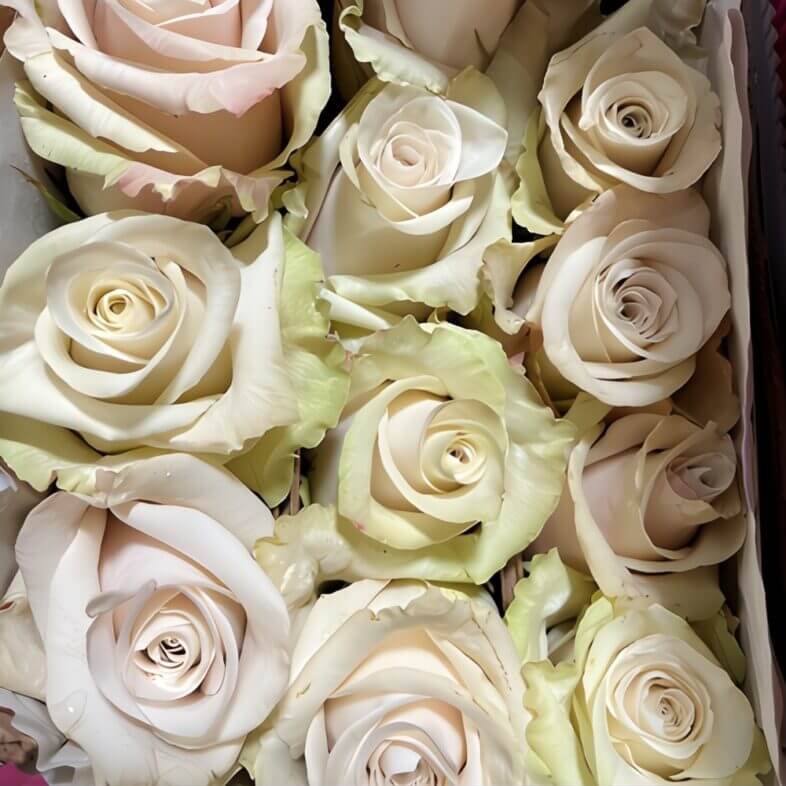
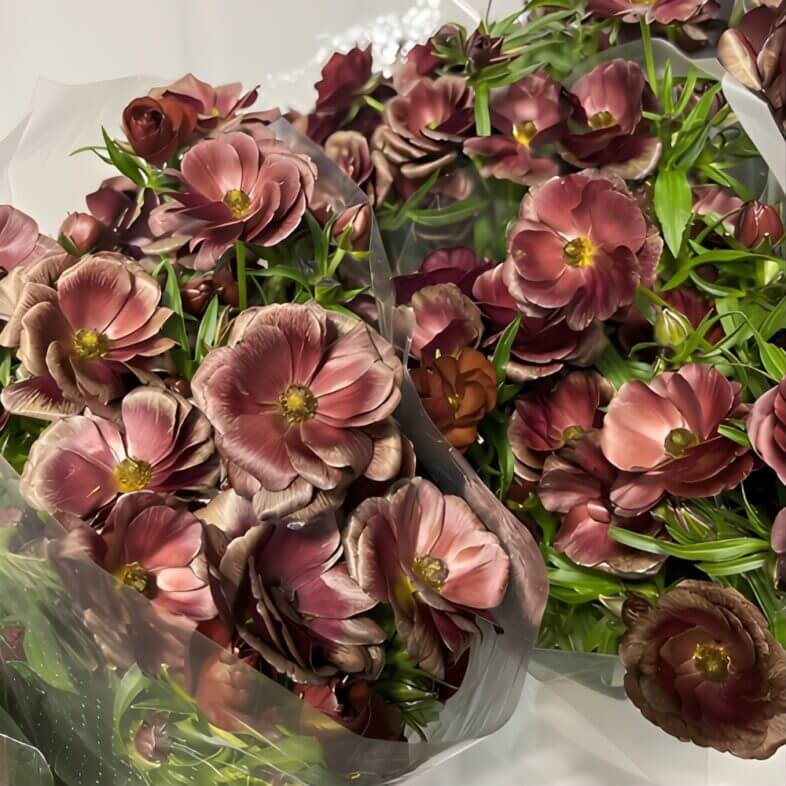
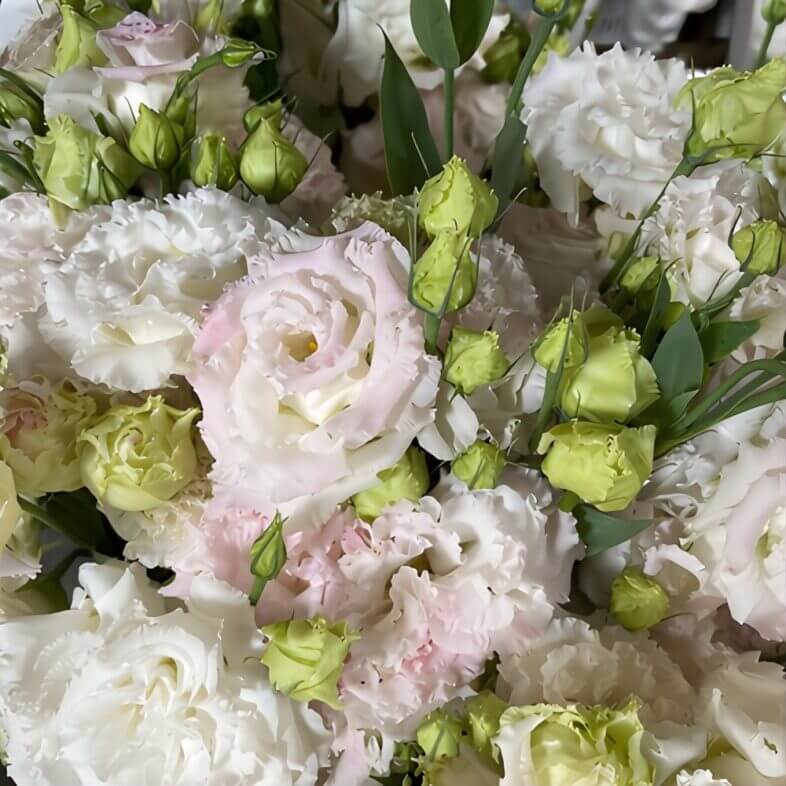
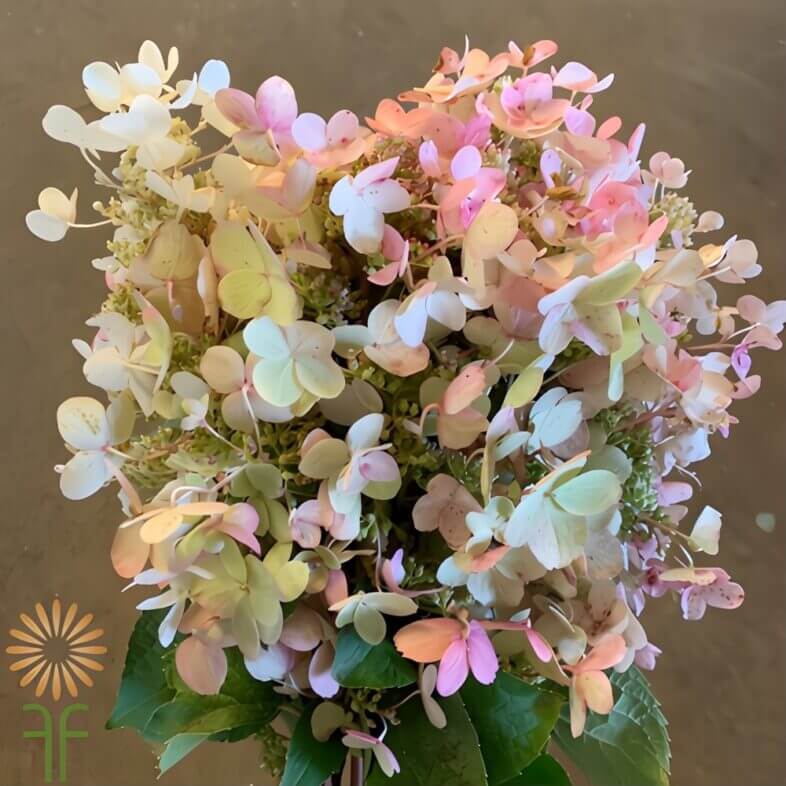
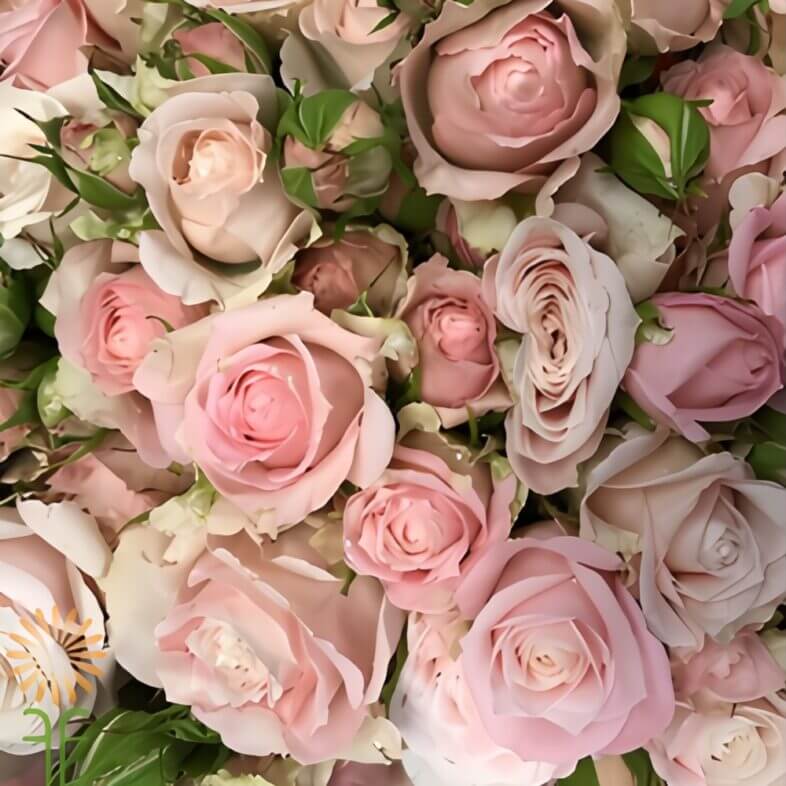
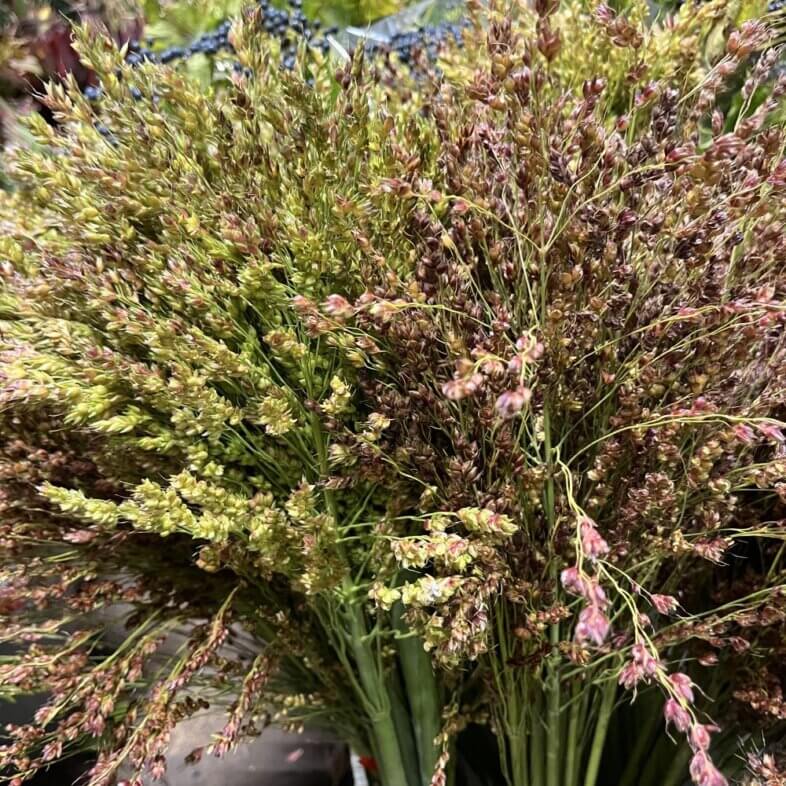
Neutral flowers are often used as the base of a design. They allow you to layer in blush, peach, greenery, or deeper tones without overwhelming the arrangement. From soft garden roses and lisianthus to hypericum, yarrow, and dried materials, these flowers help create balance while keeping the overall palette cohesive.
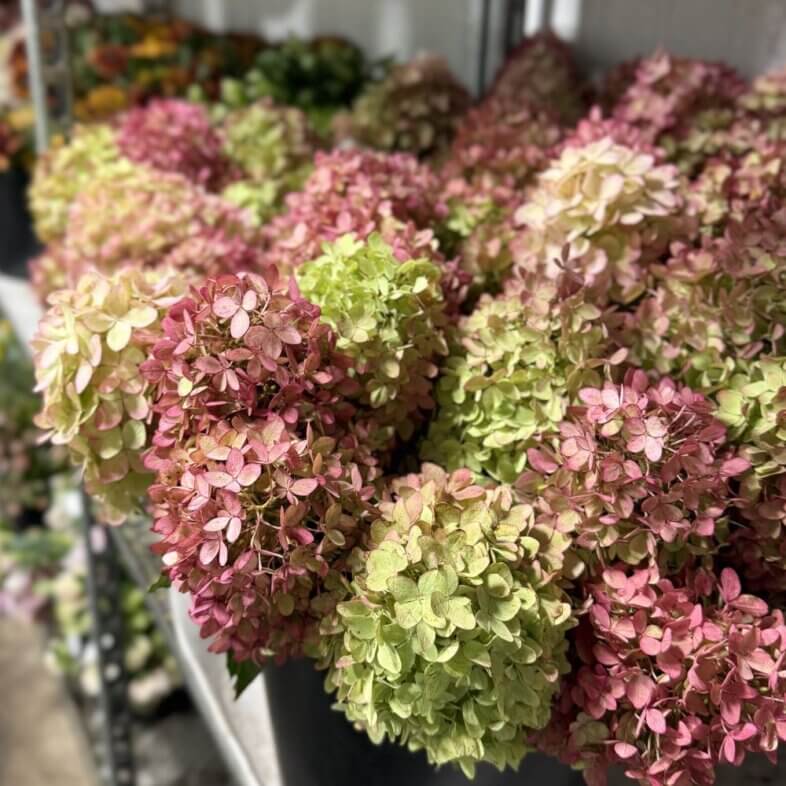
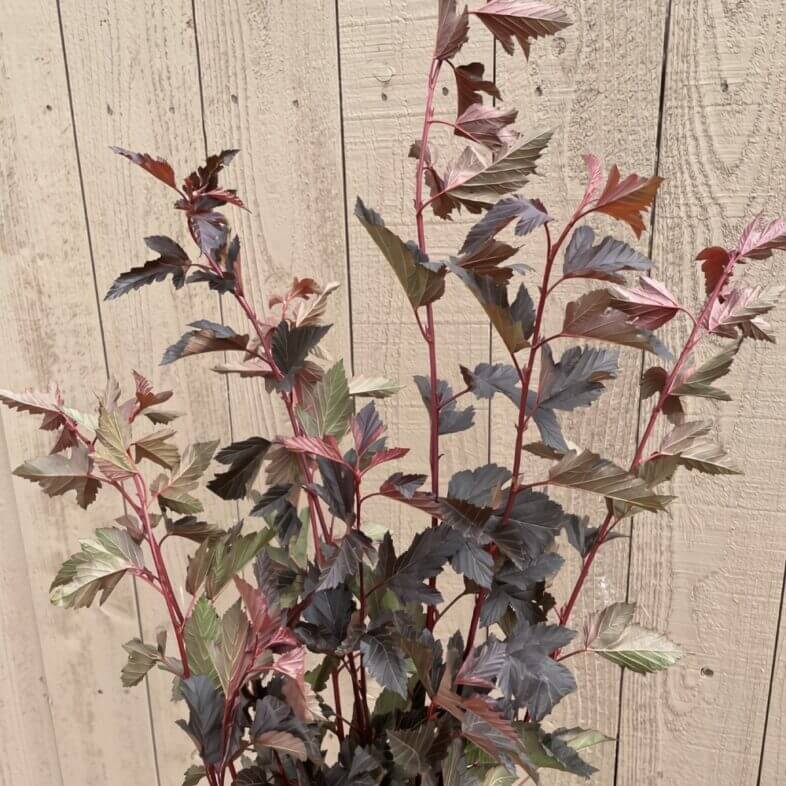
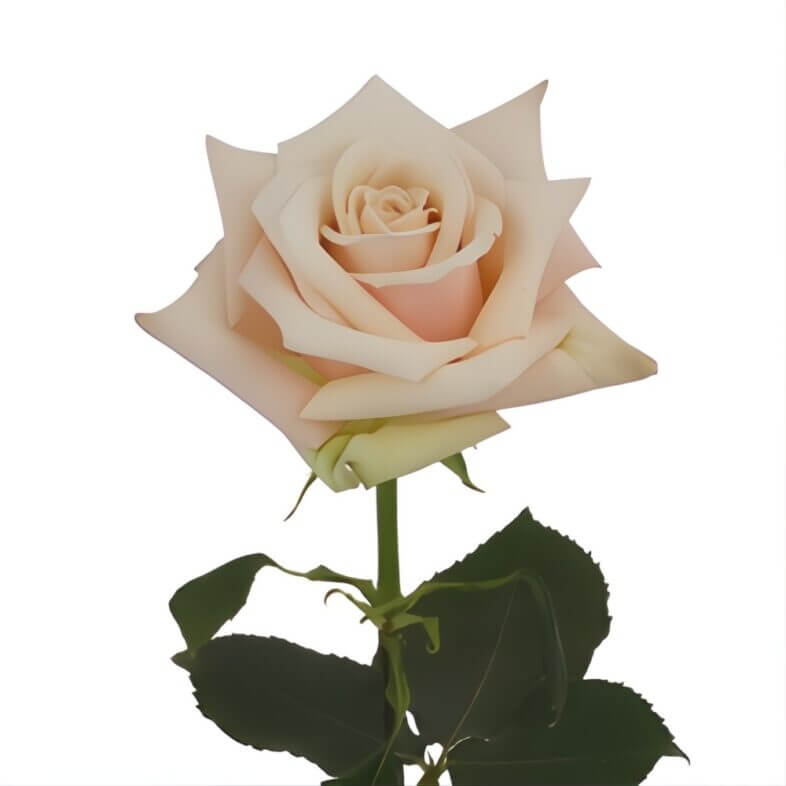




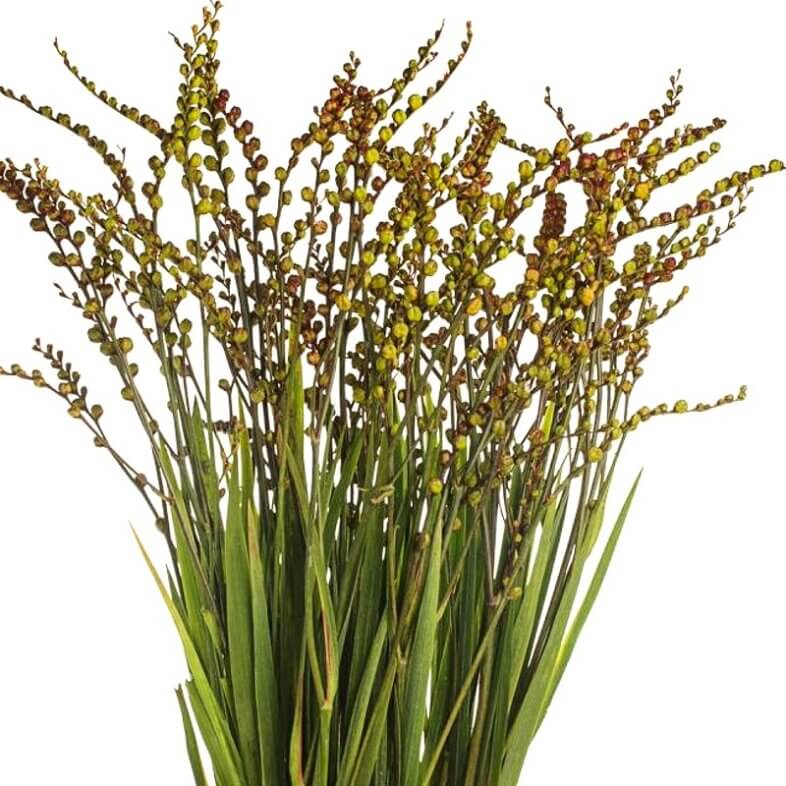
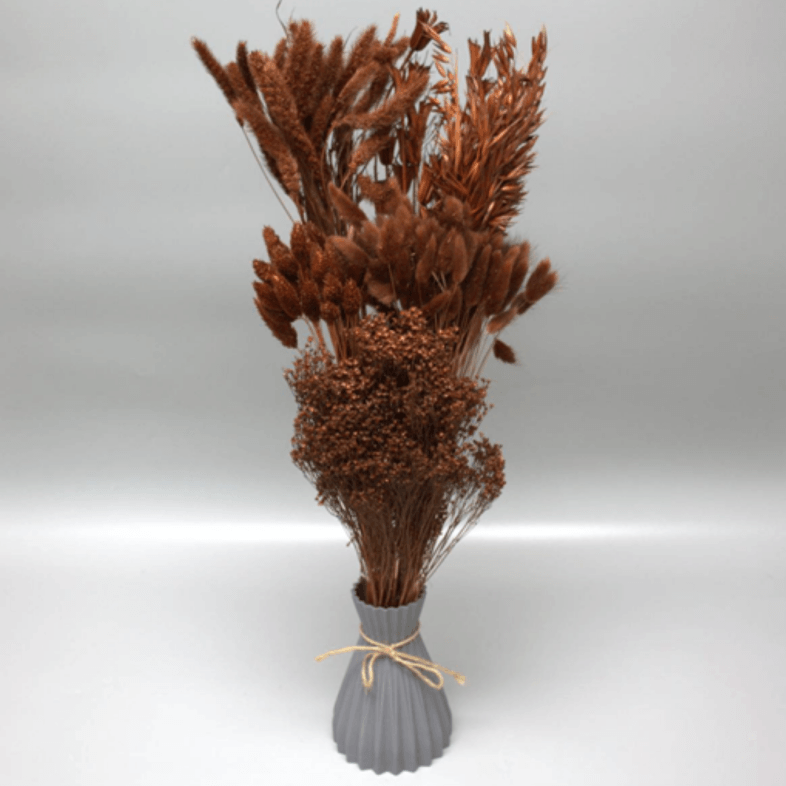
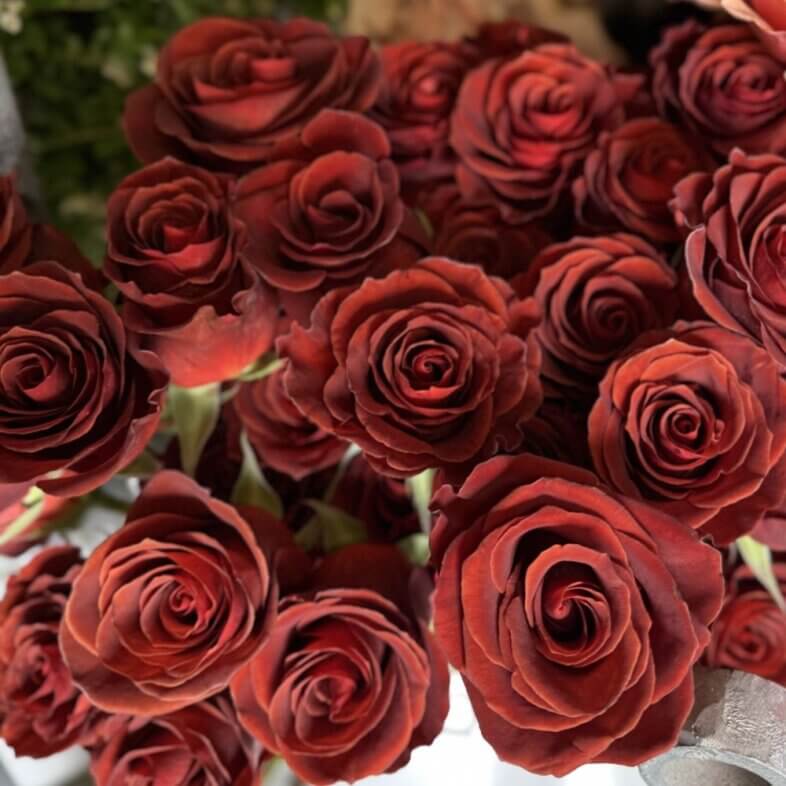
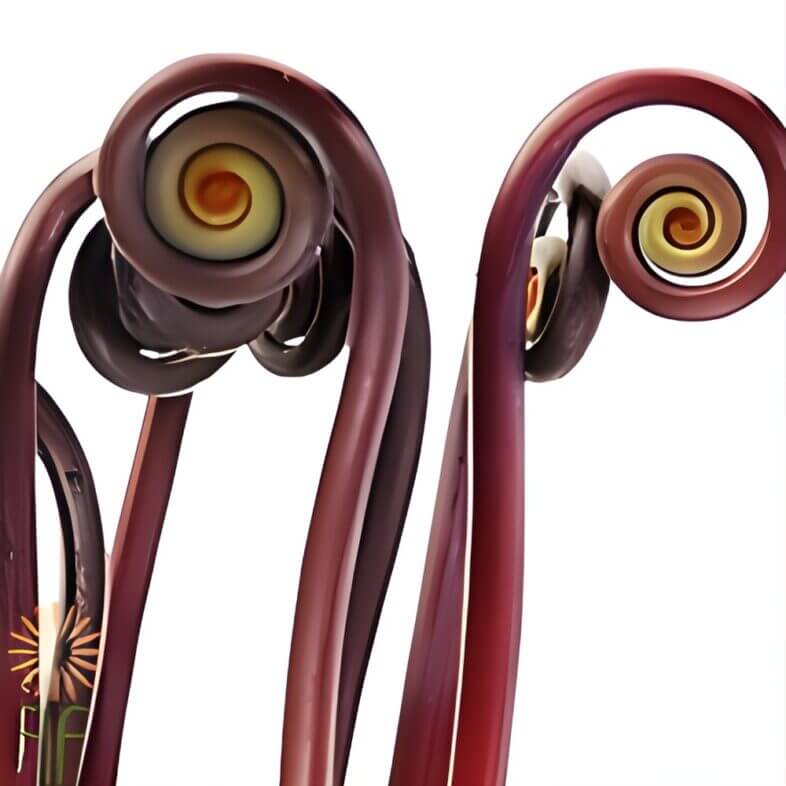


Neutral Flowers Buying Guide
Neutral flowers are used to build arrangements that feel soft, layered, and flexible. Instead of focusing on a single color, neutral flowers help connect tones across a palette. This makes them one of the most practical choices for DIY weddings and events.
If you are comparing neutral flowers to specific color groups, focus on how they behave in a design.
- Neutral flowers blend with multiple color palettes
- They reduce contrast and help colors transition naturally
- They support both soft and structured floral styles
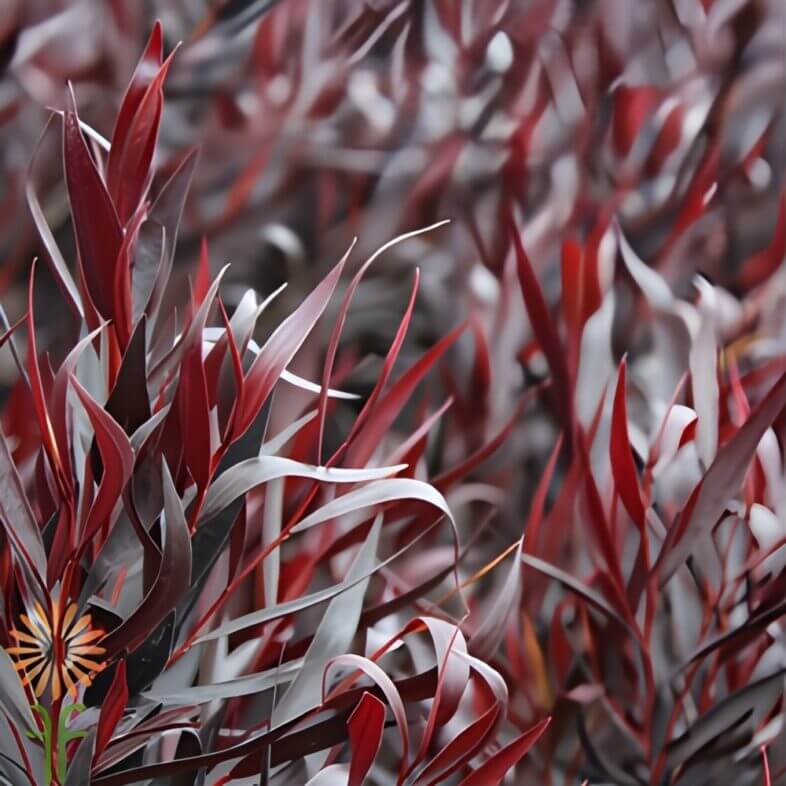
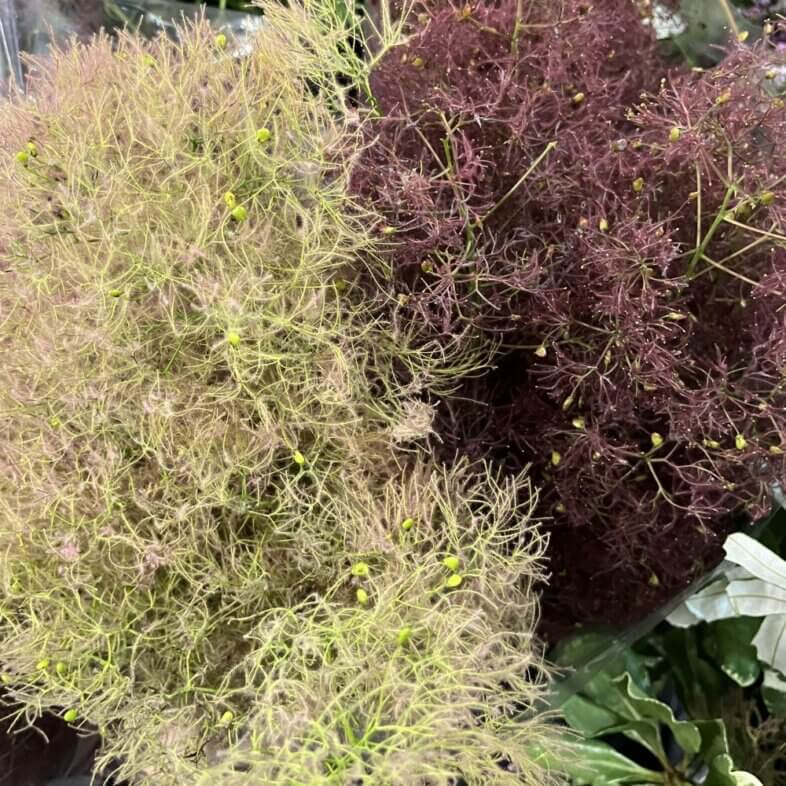
Common neutral flowers include lisianthus, spray roses with mixed tones, hypericum, yarrow, and a wide range of dried and bleached materials that add texture and dimension.
How Neutral Flowers Photograph
Neutral flowers photograph with subtle variation. Because they do not carry strong color, they tend to adapt to lighting conditions more than bold tones. This can be an advantage when you want a consistent look across ceremony and reception settings.
Warm indoor lighting adds depth and can bring out soft beige or ivory tones. This creates a richer appearance without shifting the palette too far in one direction.
Cool daylight and open shade keep neutral flowers lighter and closer to white. This creates a clean and balanced look in photos.
Flash photography can flatten subtle tones. Using textured flowers and dried elements helps maintain depth and visual interest.
Pairing Neutral Flowers by Style
Soft and Romantic
Pair neutral flowers with blush and peach tones to create layered arrangements that feel natural and relaxed.
Warm and Layered
Combine neutral flowers with cream and beige tones to build depth while keeping the palette soft and cohesive.
Clean and Minimal
Mix neutral flowers with white and greenery for a simple and structured look.
Stem Count Planning
Neutral flowers are often used as supporting stems in arrangements. The number you need depends on how much of the design you want them to carry.
| Arrangement | Total Stem Range | Primary Neutral Stems |
|---|---|---|
| Bridal bouquet | 25 to 45 stems | 10 to 18 stems |
| Bridesmaid bouquet | 15 to 25 stems | 6 to 10 stems |
| Boutonniere | 2 to 4 stems | 1 stem |
| Bud vase | 5 to 8 stems | 2 to 3 stems |
| Medium centerpiece | 25 to 40 stems | 10 to 16 stems |
| Large centerpiece | 45 to 70 stems | 16 to 28 stems |
| Ceremony arrangement | 80 to 140 stems | 30 to 55 stems |
Why Neutral Flowers Are So Flexible
Neutral flowers work across many design styles because they do not compete with stronger colors. They allow you to adjust your palette as you plan without needing to replace your core flowers.
They are also useful when availability changes. If a specific flower is out of stock, a similar neutral option can often maintain the overall look of your arrangement.
Every order is processed through our Carpinteria facility, where flowers are inspected and packed before shipping. This helps maintain consistency across batches.
Seasonal Availability of Neutral Flowers
Neutral flowers are available throughout the year because they pull from multiple categories. Roses, lisianthus, carnations, and fillers provide consistent availability, while dried and bleached elements offer year-round support.
This makes neutral flowers a practical choice for weddings and events with fixed dates, since you can usually build a complete design even when specific varieties are limited.
Frequently Asked Questions
What are neutral flowers?
Neutral flowers are blooms and materials that do not carry a strong color. They include ivory, cream, beige, mixed tones, and dried elements that work across multiple palettes.
What are the most popular neutral flowers for weddings?
Lisianthus, spray roses with mixed tones, hypericum, yarrow, dried grasses, and bleached foliage are common choices because they add texture and flexibility to arrangements.
How are neutral flowers different from white or cream flowers?
White and cream flowers are specific color groups. Neutral flowers are selected for how they behave in a design. They often include a mix of tones and are used to connect colors rather than define them.
Can I build a full arrangement using only neutral flowers?
Yes. Neutral flowers can create complete arrangements by layering textures and tones. Many designs use only neutrals for a soft and cohesive look.
Do neutral flowers work with all color palettes?
Yes. Neutral flowers are designed to work across palettes. They pair well with blush, peach, greenery, and deeper tones without overwhelming the arrangement.
Are dried and bleached flowers considered neutral?
Yes. Dried and bleached flowers are a core part of neutral design because they add texture and maintain a consistent tone without introducing strong color.