

Hand-Selected Blue Flowers in Sky, Slate, and Cobalt Tones
Wholesale Blue Flowers for Weddings & Events
Blue flowers bring cool sky, powder, slate, cobalt, and navy tones to DIY weddings and events. From hydrangeas and tweedia to delphinium, thistle, hyacinth, cornflower, statice, and tinted roses, this collection includes fresh-cut wholesale blue flowers for bouquets, centerpieces, ceremony flowers, and installations. Blue flowers pair well with White Flowers, Cream Flowers, and Silver Flowers for clean, coastal, garden, and formal designs. Every order is inspected and packed at our Carpinteria, California facility to support freshness, consistency, and quality.
Need help selecting the right shade or variety? Contact our floral team for guidance.
Overview | Pairing Guide | Stem Counts | Seasonality | FAQs | Shop Flowers
Shop Blue Flowers
Blue flowers create cool color for wedding bouquets, centerpieces, ceremony flowers, and event arrangements. This color works well for coastal weddings, garden designs, formal events, patriotic palettes, and soft blue-and-white floral styles.
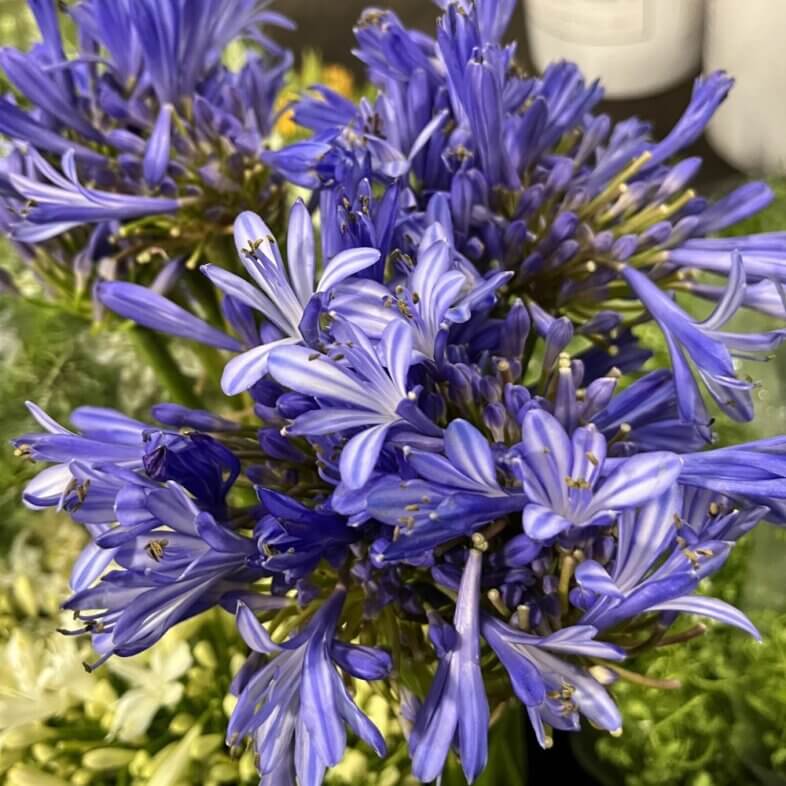
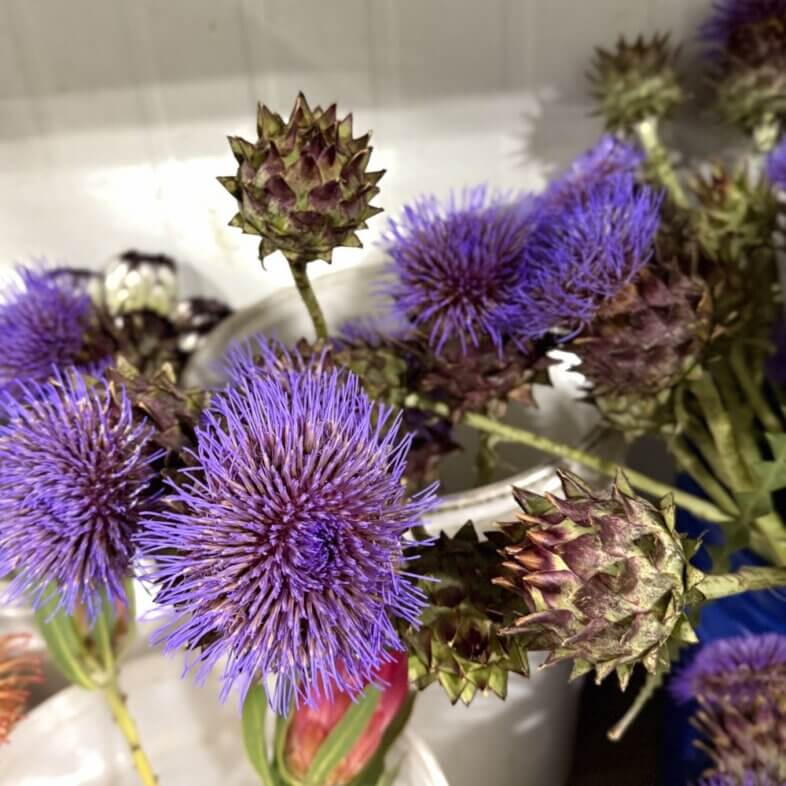
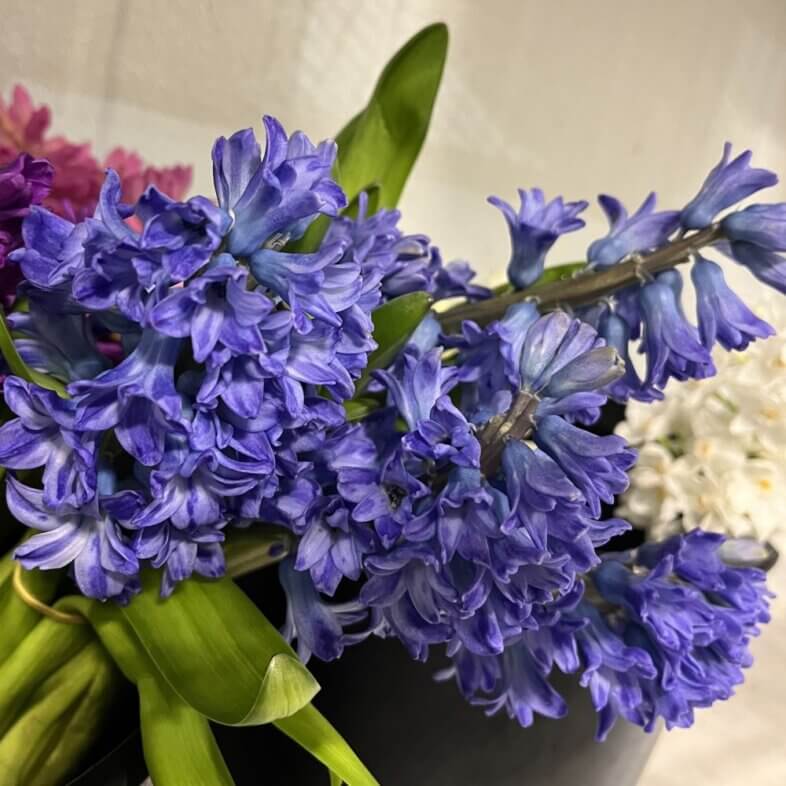
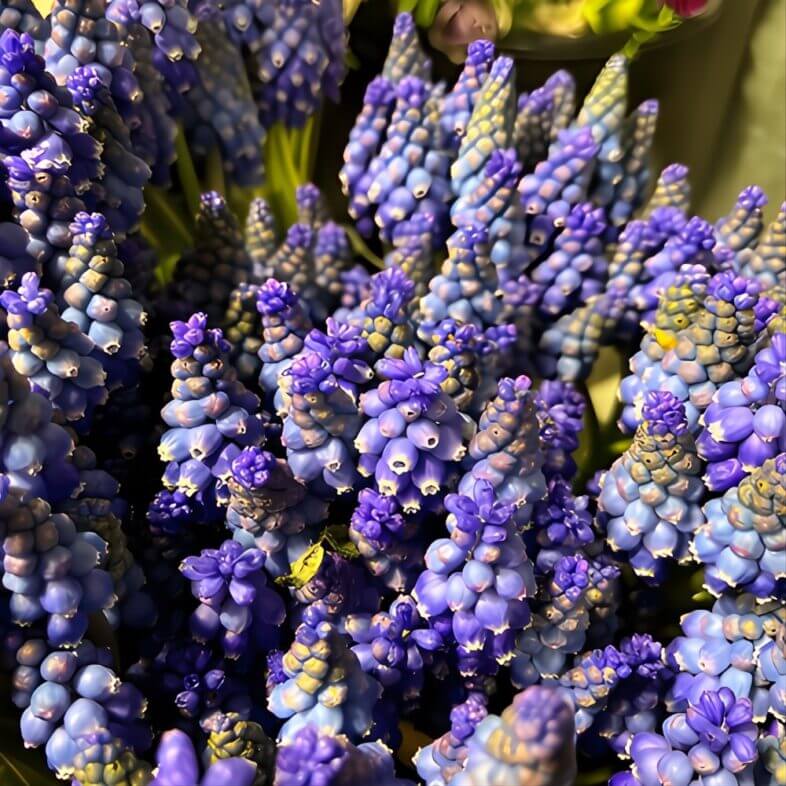
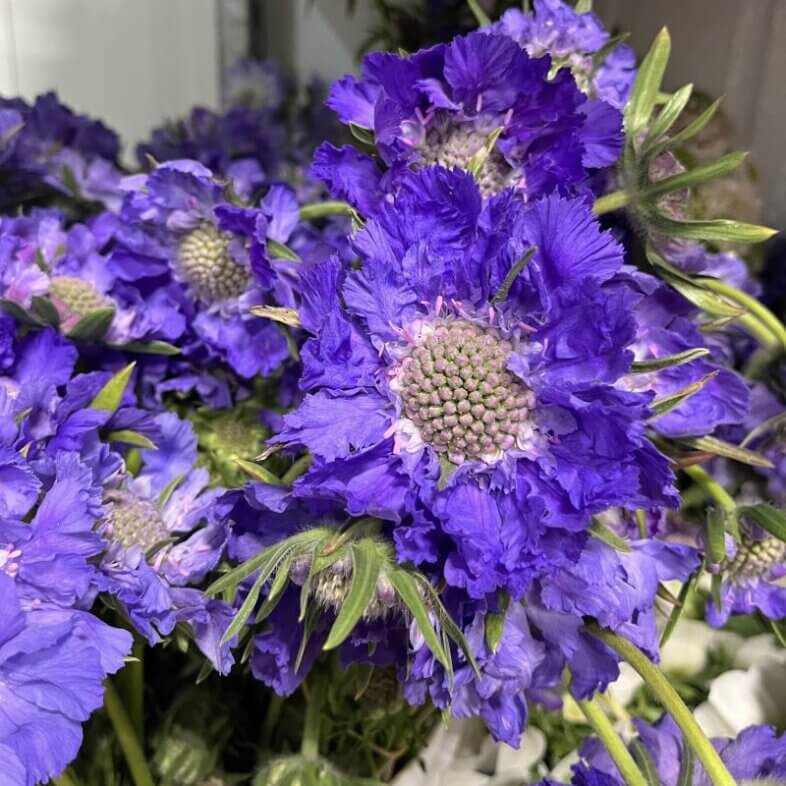
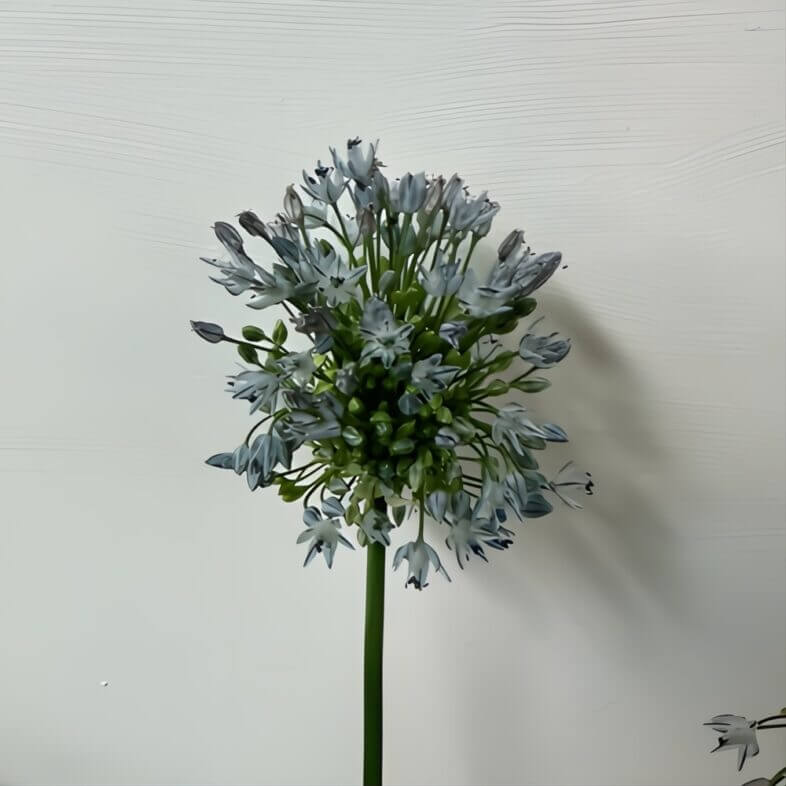
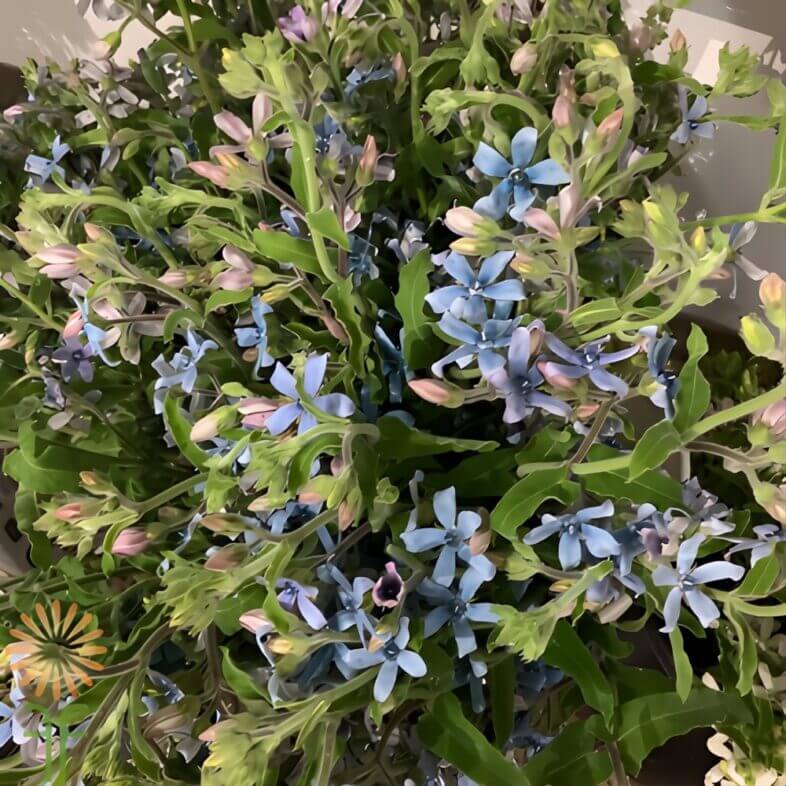
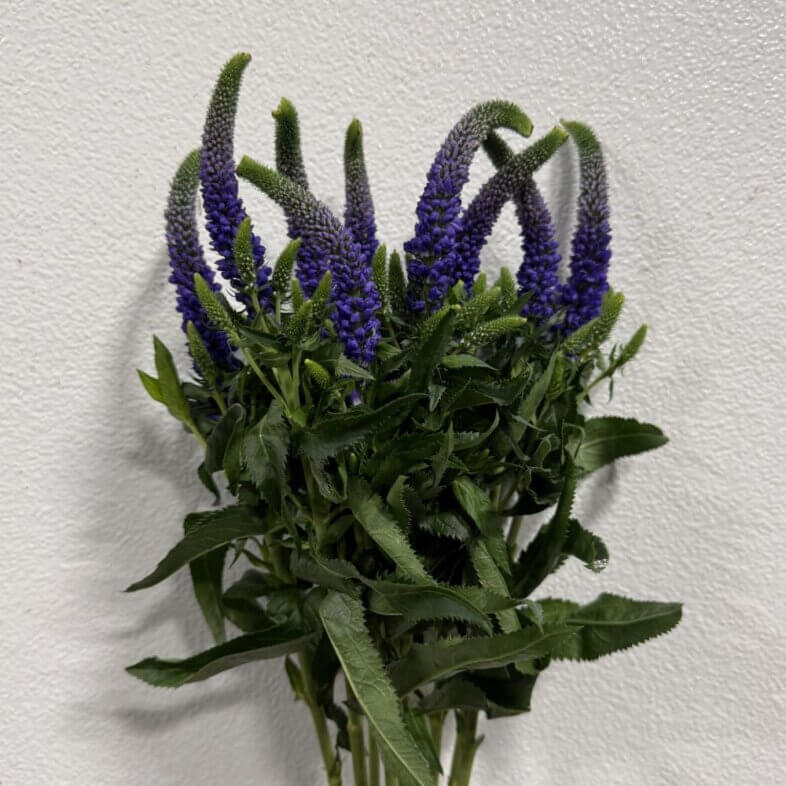
Shop wholesale blue flowers such as hydrangeas, tweedia, delphinium, thistle, hyacinth, cornflower, statice, scabiosa, muscari, agapanthus, and tinted flowers. Use blue as a soft accent, a focal color, or a bold design element depending on the flower variety.









Buying Guide for Blue Flowers
Blue flowers bring cool color, contrast, and a rare floral tone into wedding and event flowers. Natural blue flowers are less common than white, pink, yellow, or red flowers, which makes them useful when you want a design that feels distinct.
Blue can range from soft powder and sky tones to slate, denim, cobalt, and navy. Light blue flowers work well for garden, coastal, and spring wedding palettes. Darker blue flowers create more contrast and can support formal, modern, or patriotic designs.
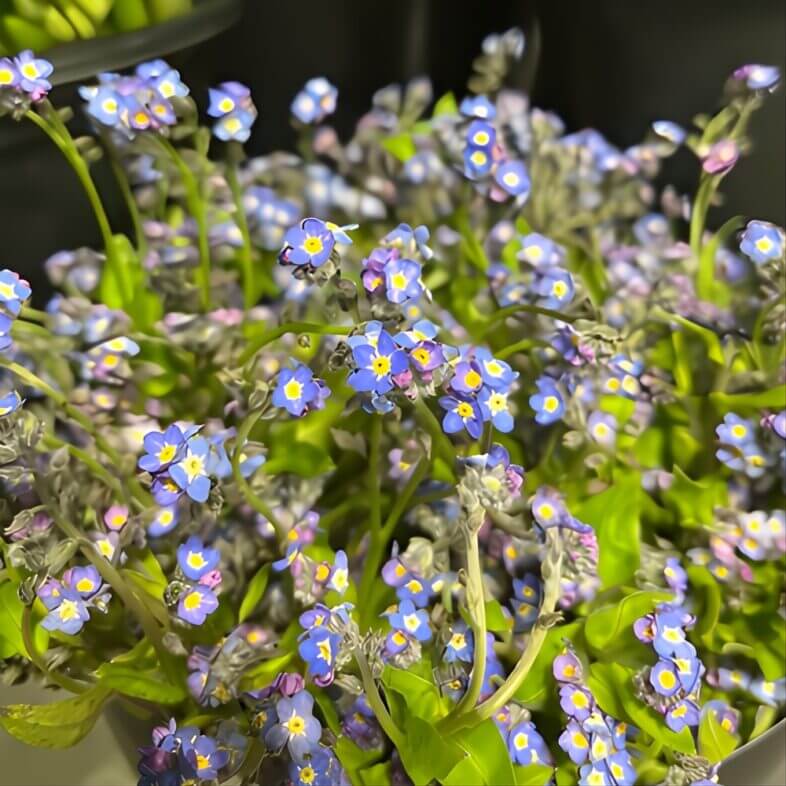
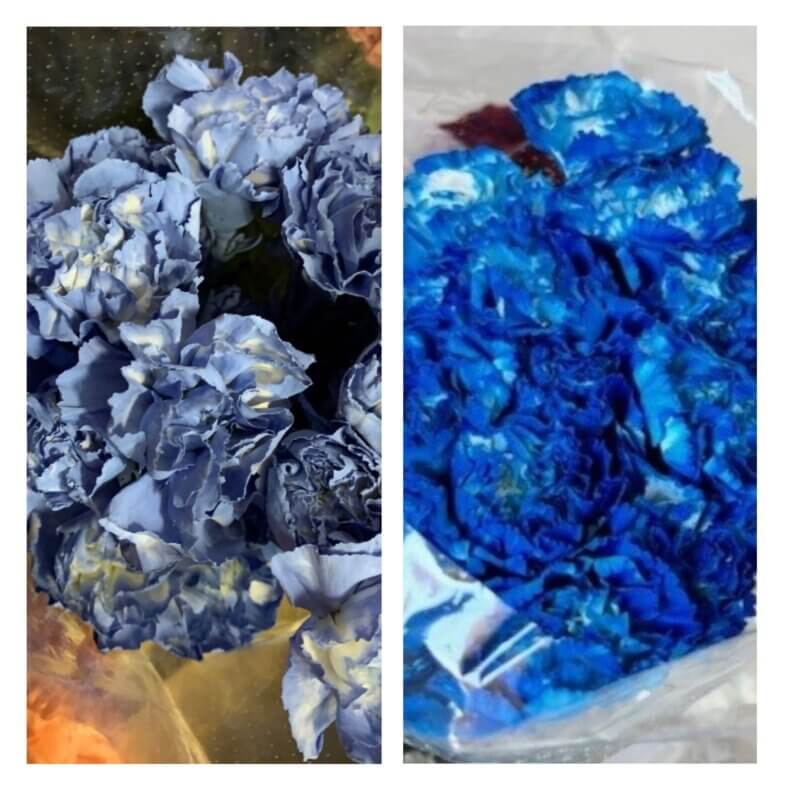
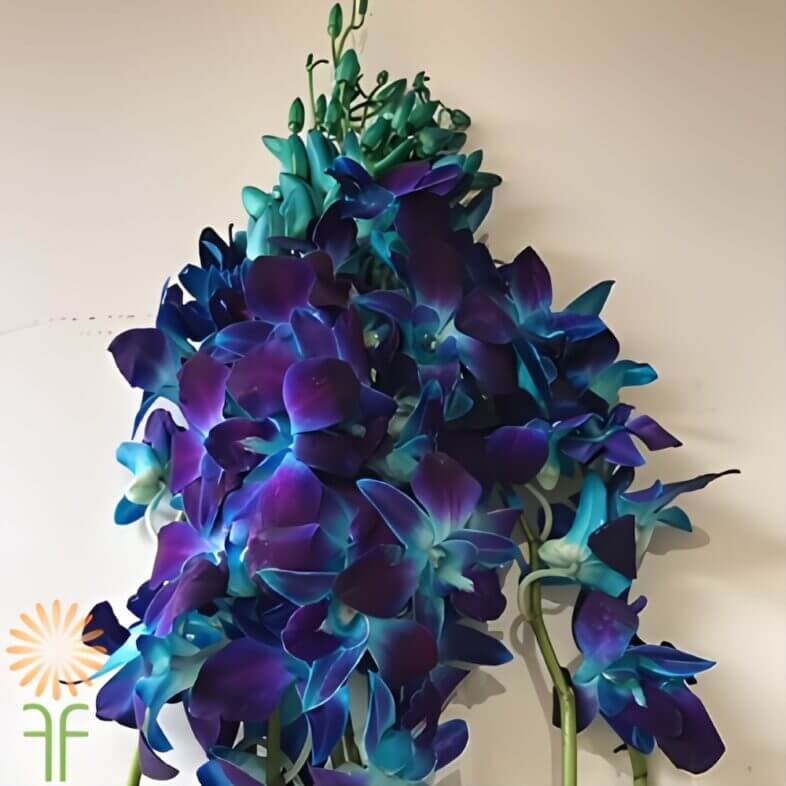
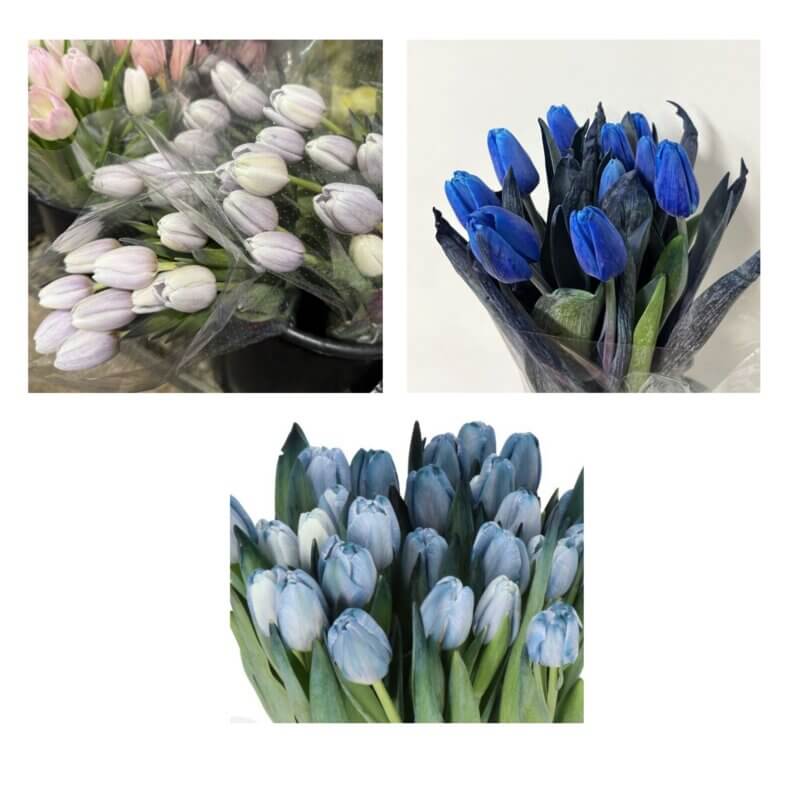
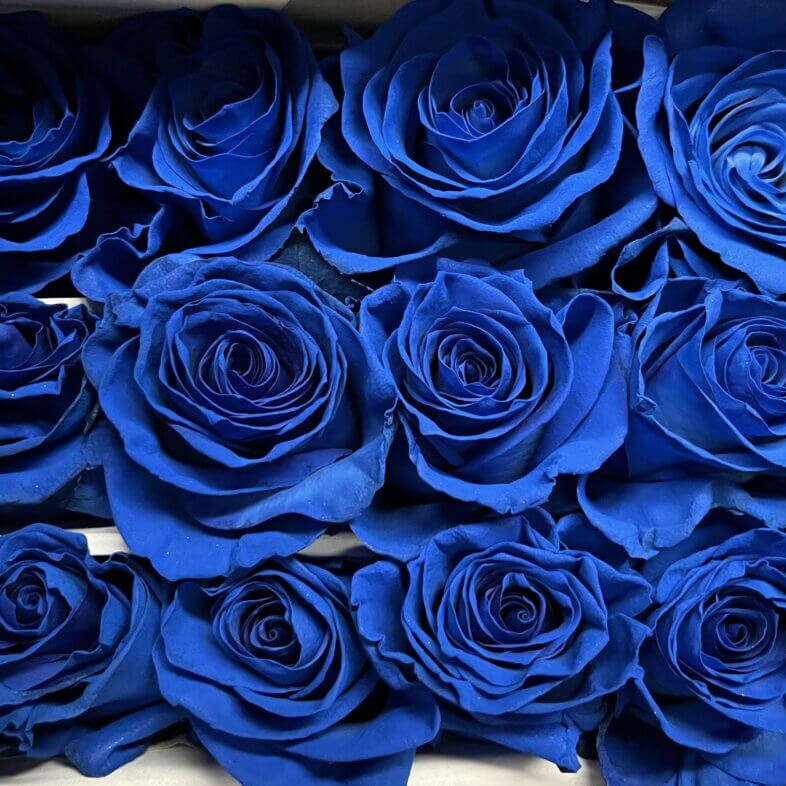
Some blue flowers occur naturally, including tweedia, delphinium, thistle, hyacinth, muscari, forget-me-not, and cornflower. Other blue flowers, such as blue roses, carnations, dendrobium orchids, and tulips, may be tinted to create stronger color impact.
How Blue Flowers Photograph
Blue flowers can shift in photos depending on light. In bright outdoor light, pale blue flowers may look softer or more pastel. In shaded areas, blue flowers often show more depth and contrast.
Warm indoor lighting can make some blue flowers appear more lavender or grey. Dark blue flowers and tinted blue flowers usually photograph with stronger color, especially when placed near white, cream, silver, or green flowers.
For DIY wedding flowers, use blue with lighter flowers when you want a crisp, clear palette. White, cream, blush, silver, and fresh greenery help blue flowers stand out without making the design feel too cool or flat.
Pairing Blue Flowers by Style
Clean and Classic
Pair blue flowers with white, cream, and greenery for a clean wedding palette. This combination works well for coastal weddings, spring events, garden parties, and formal blue-and-white designs.
Soft and Romantic
For a softer palette, mix blue flowers with blush, lavender, pink, and neutral flowers. This helps blue feel more romantic and less formal.
Cool and Dramatic
For deeper event designs, pair blue flowers with silver, grey, purple, plum, or black flowers. This works well for evening events, modern palettes, and high-contrast arrangements.
Stem Count Planning
Blue flowers are often used as accent flowers because many blue varieties are smaller, textured, or seasonal. Larger blue flowers, such as hydrangeas, can fill more space with fewer stems.
| Arrangement | Total Stem Range | Blue Flower Stems |
|---|---|---|
| Bridal bouquet | 25 to 45 stems | 8 to 18 stems |
| Bridesmaid bouquet | 15 to 25 stems | 5 to 10 stems |
| Boutonniere | 2 to 4 stems | 1 stem |
| Bud vase | 5 to 8 stems | 2 to 4 stems |
| Medium centerpiece | 25 to 40 stems | 8 to 16 stems |
| Large centerpiece | 45 to 70 stems | 14 to 26 stems |
| Ceremony arrangement | 80 to 140 stems | 25 to 50 stems |
Use these ranges as a planning guide. Blue hydrangeas and tinted roses create more visual impact, while tweedia, thistle, delphinium, statice, and muscari work well for detail, texture, and movement.
Why Our Blue Flowers Look Consistent
Every Fabulous Florals order is inspected and packed at our Carpinteria, California facility. This helps support freshness, quality, and color consistency before your flowers ship.
Blue flowers can vary by farm, variety, season, and lighting. Tinted blue flowers may also vary slightly by dye process. Our team checks each order so your flowers arrive ready for DIY wedding bouquets, centerpieces, ceremony flowers, and event arrangements.
Seasonal Availability of Blue Flowers
Blue flowers are available throughout much of the year, but exact varieties change by season. Hydrangeas, delphinium, thistle, statice, and tinted flowers are often dependable choices. Hyacinth, muscari, tweedia, forget-me-not, and specialty blue flowers may have more limited seasonal availability.
Spring and Summer Blue Flowers
Spring and summer are strong seasons for soft blue wedding flowers. Blue pairs well with white, cream, blush, lavender, pink, and fresh greenery during warmer months.
Fall and Winter Blue Flowers
In fall and winter, blue flowers can support formal, coastal, winter, and jewel-toned palettes. Pair them with white, silver, grey, purple, plum, black, or neutral flowers for a cooler seasonal design.
If your event depends on a specific blue flower variety, order early. Seasonal substitutions may be needed when farms have limited availability.
Frequently Asked Questions
Are blue flowers naturally blue?
Some blue flowers are naturally blue, including tweedia, delphinium, thistle, hyacinth, muscari, forget-me-not, cornflower, and certain hydrangeas. Other blue flowers, such as roses and carnations, may be tinted.
What colors pair well with blue flowers?
Blue flowers pair well with white, cream, blush, lavender, pink, green, silver, grey, purple, plum, black, and neutral flowers. Use light colors for a soft look or deeper colors for contrast.
What are popular blue wedding flowers?
Popular blue wedding flowers include hydrangeas, delphinium, tweedia, thistle, hyacinth, muscari, cornflower, statice, scabiosa, agapanthus, and blue tinted roses.
What is the difference between natural blue flowers and tinted blue flowers?
Natural blue flowers grow in blue tones, while tinted blue flowers are dyed or color-enhanced after harvest. Tinted flowers are useful when you need a stronger or more specific blue shade.
How many blue flowers do I need for wedding arrangements?
Stem counts depend on the flower type, arrangement size, and design style. Blue flowers are often used as accents, while larger flowers like hydrangeas can fill more space with fewer stems.
How far in advance should I order blue flowers?
Order blue wedding flowers at least two weeks before your event when possible. Early ordering gives you more variety choices and better substitution options if a blue flower is seasonal.