
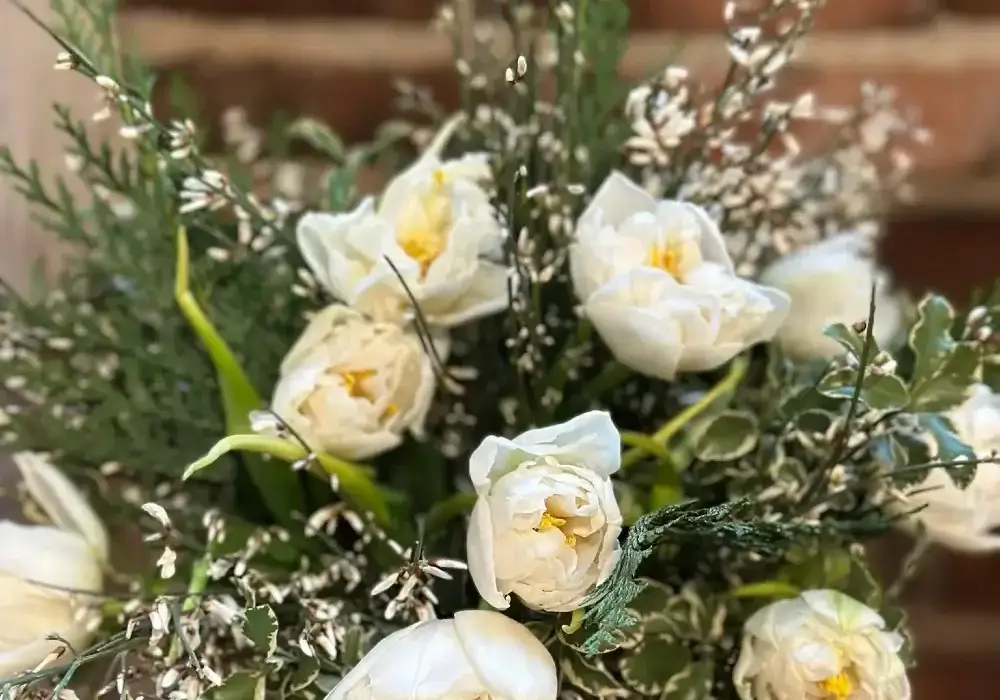
Home »
DIY Flower Guide
How to Choose Flowers for DIY Arrangements: Expert Tips & Techniques
Creating stunning flower arrangements isn't just about randomly putting blooms together. There’s a method behind the beauty, and once you understand a few key principles, you’ll be able to design arrangements that look professionally crafted. Whether you're planning a wedding, decorating your home, or simply experimenting with floral design, learning how to choose the right flowers is the foundation of every great arrangement.
This guide will walk you through everything you need to know—from selecting focal flowers and fillers to understanding color harmony and texture. Let’s dive in and start building arrangements with confidence!
Start with a Vision for Your Flower Arrangement
Most people don’t realize this, but the most beautiful flower arrangements start before you even touch a single stem. It’s not just about choosing pretty blooms—it’s about having a clear vision. Think of it like designing a tiny garden that tells a story.
Are you creating a romantic centerpiece for an engagement dinner? A bold statement piece for your modern living room? Or maybe a whimsical bouquet that simply makes you smile every time you walk past it?
To shape your vision, ask yourself three key questions:
- What story am I telling with these flowers?
- Where will this arrangement be displayed?
- What feeling do I want to create in that space?
Pro Tip: If your arrangement is for a dining table, keep it low enough for guests to chat over (I once made the mistake of creating a towering centerpiece—my guests spent the evening playing peek-a-boo around it!). For a mantelpiece, go tall and dramatic—let those delphinium spires reach for the sky!
How to Choose the Right Flowers for Your Arrangement
Once you have a clear vision, it’s easier to narrow down your flower choices. Here are a few ideas:
For a romantic occasion – Choose soft, pastel blooms like peonies, garden roses, and ranunculus.
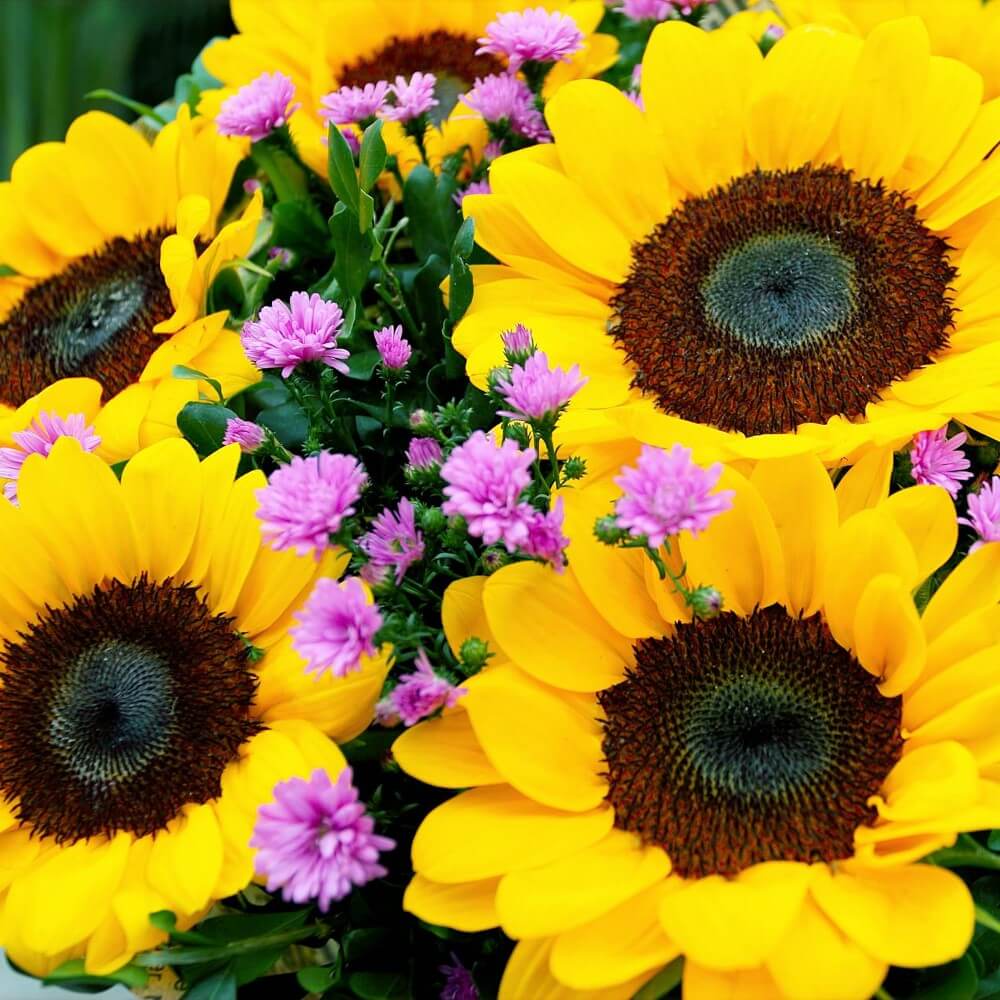
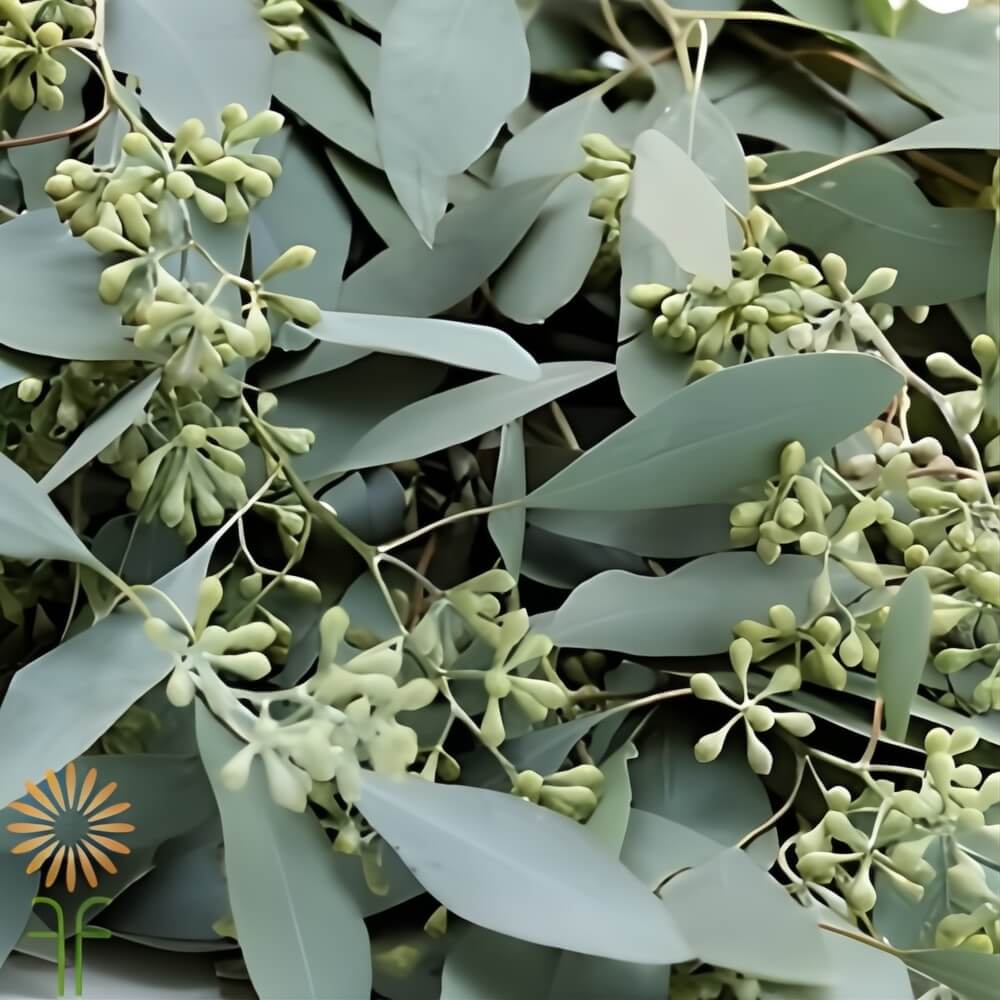
For a rustic celebration – Opt for wildflowers, sunflowers, and lots of greenery like seeded eucalyptus.
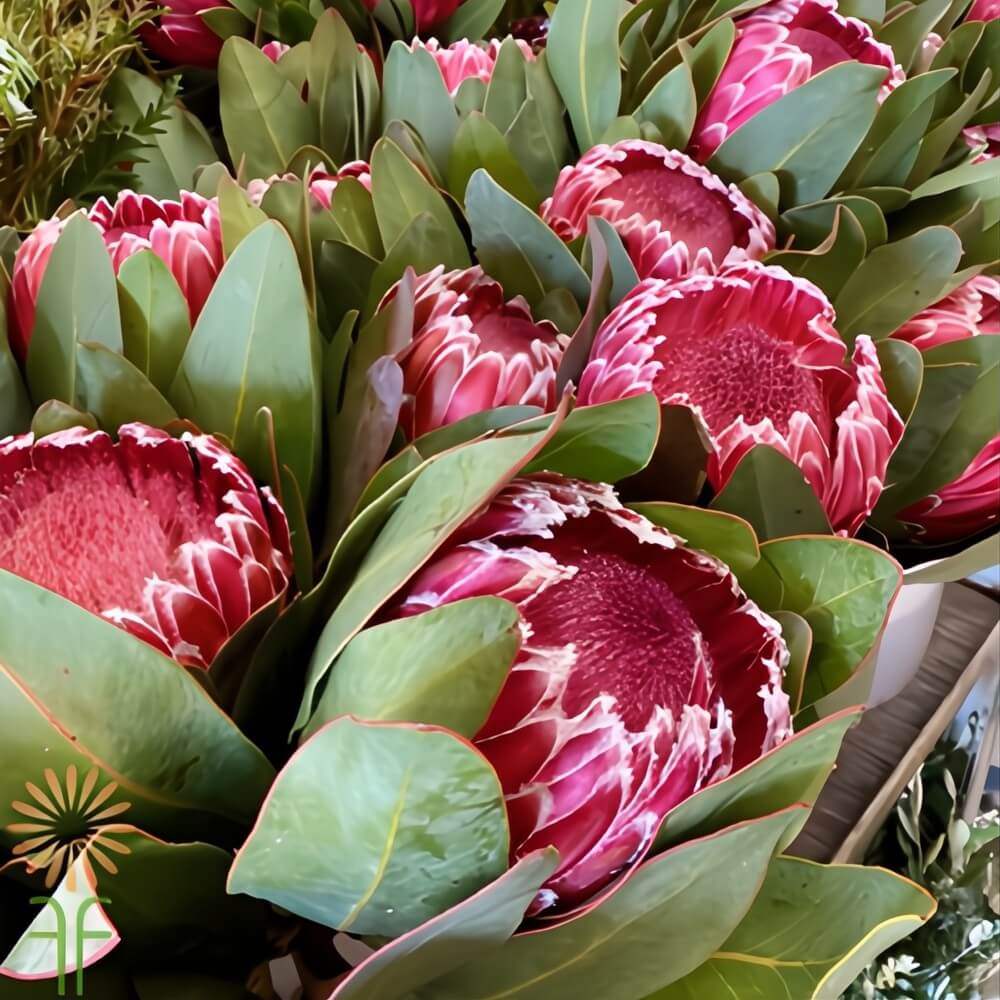
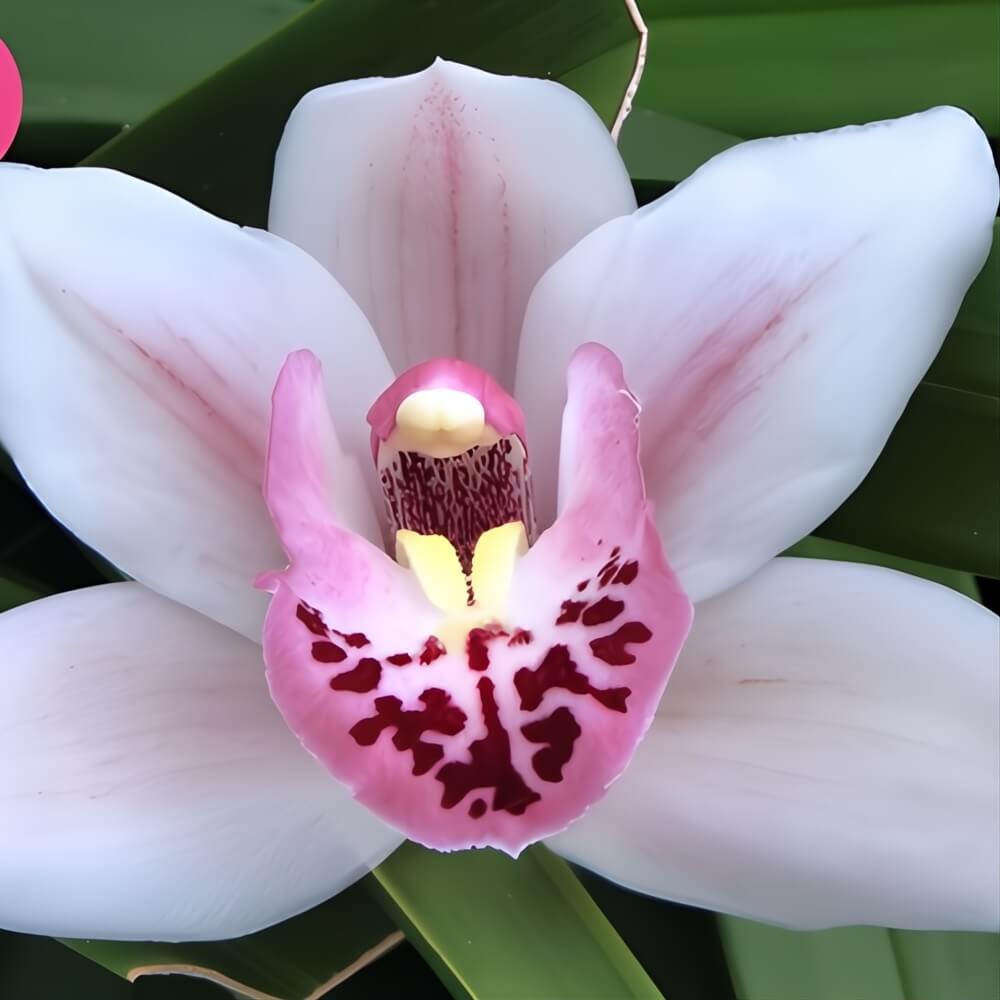
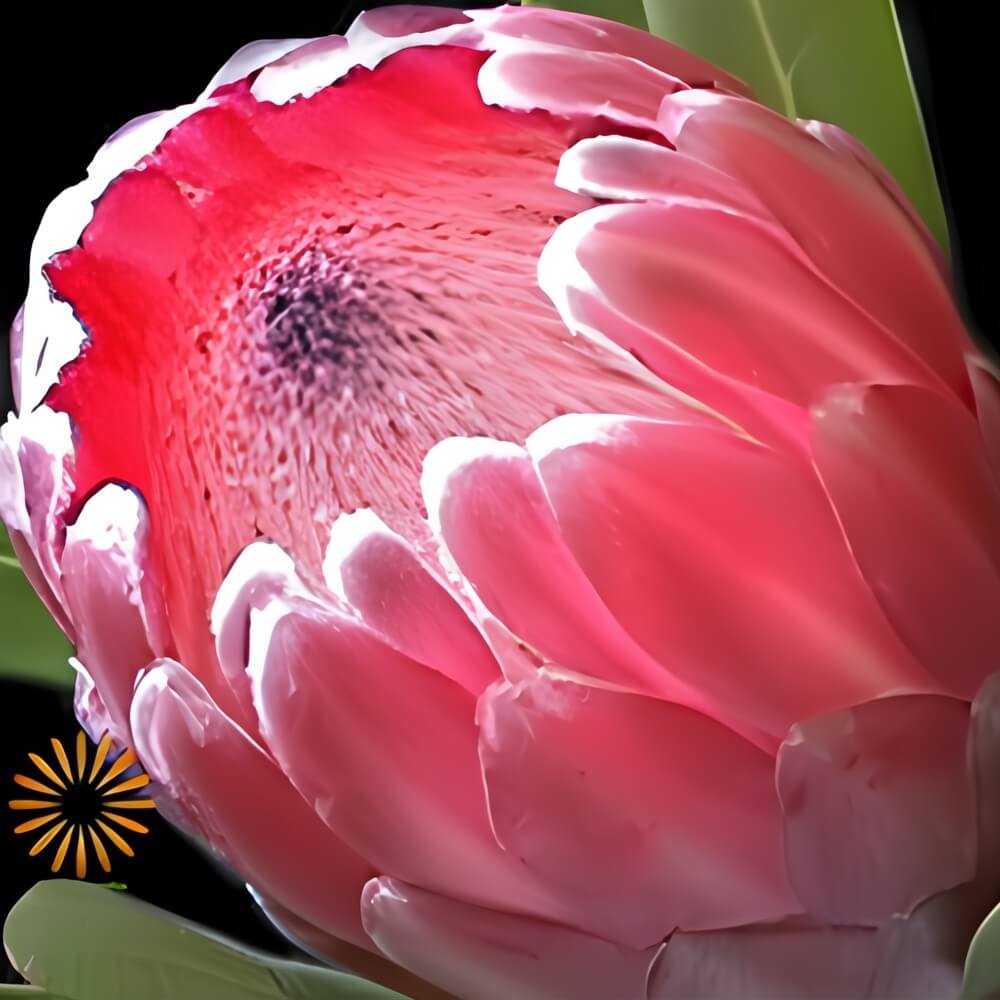
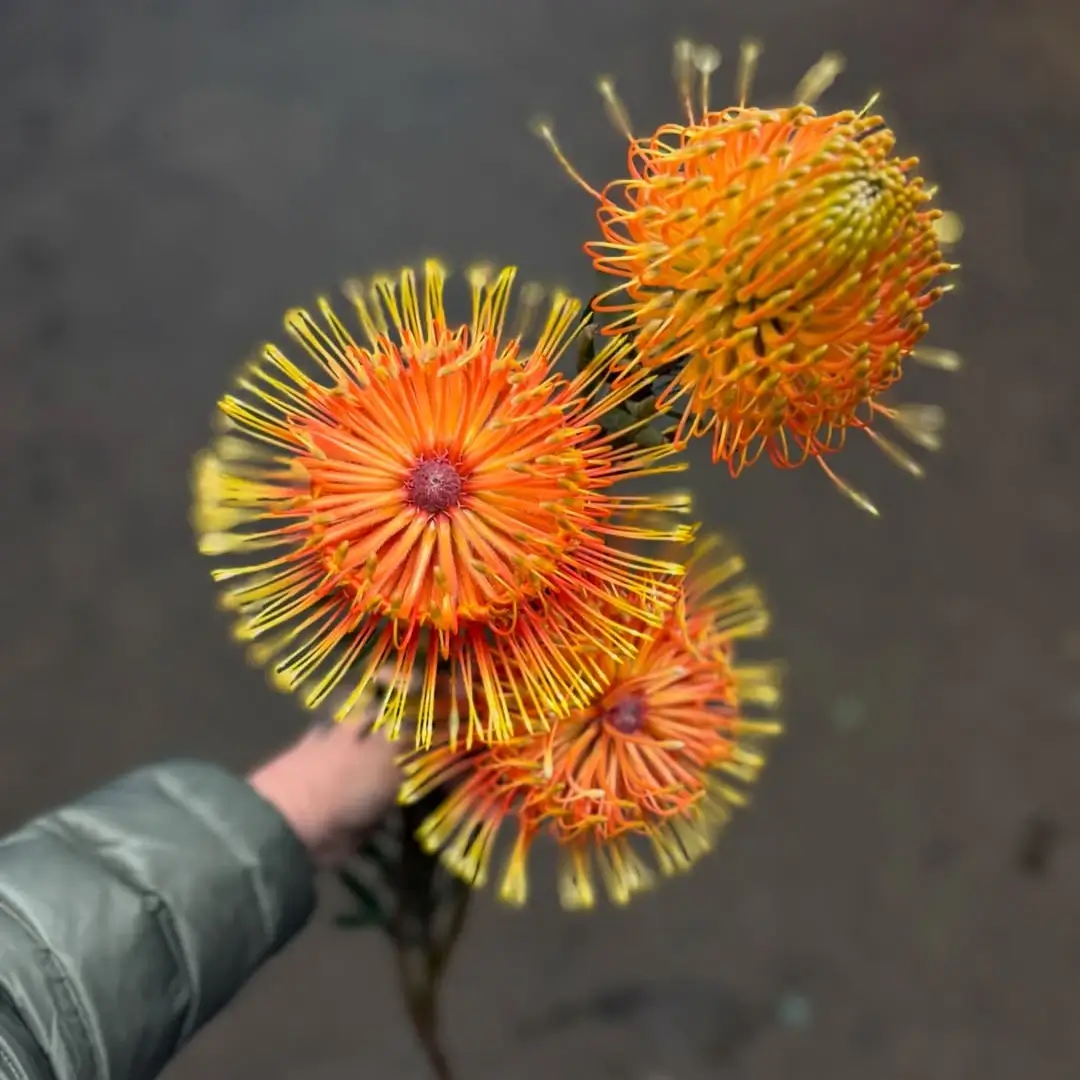
For a modern statement piece – Go bold with structured flowers like protea, anthurium, and orchids.

Case Study: Building a Boho Spring Wedding Arrangement
Imagine you’re planning a spring wedding with a boho theme. You want loose, whimsical arrangements in muted tones.
Here’s how to bring that vision to life:
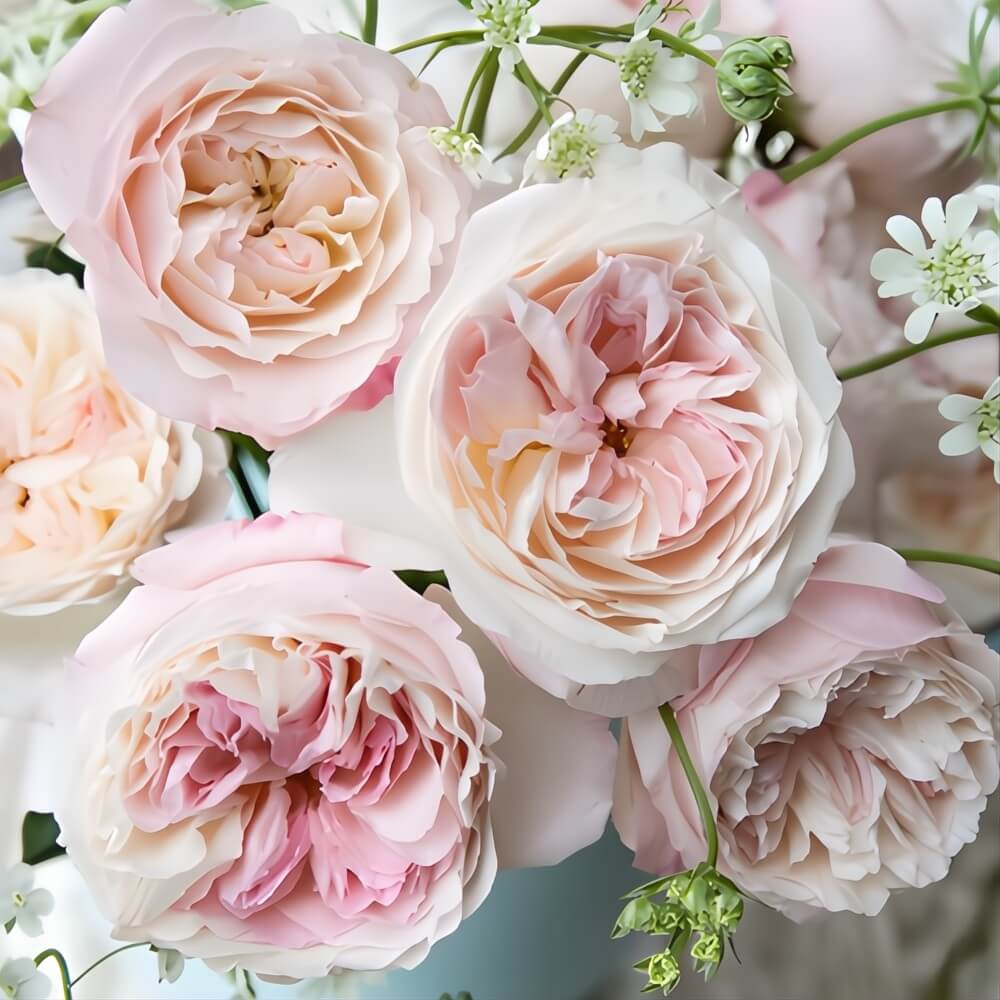
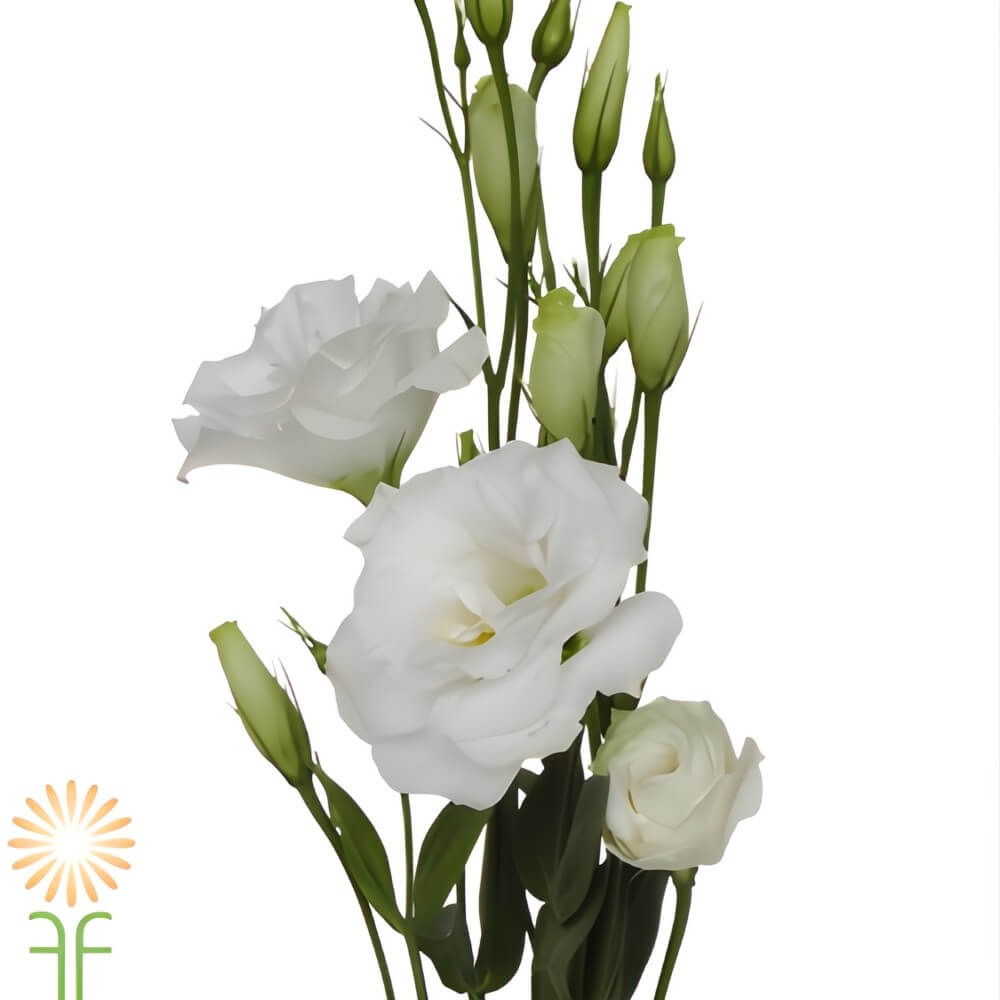
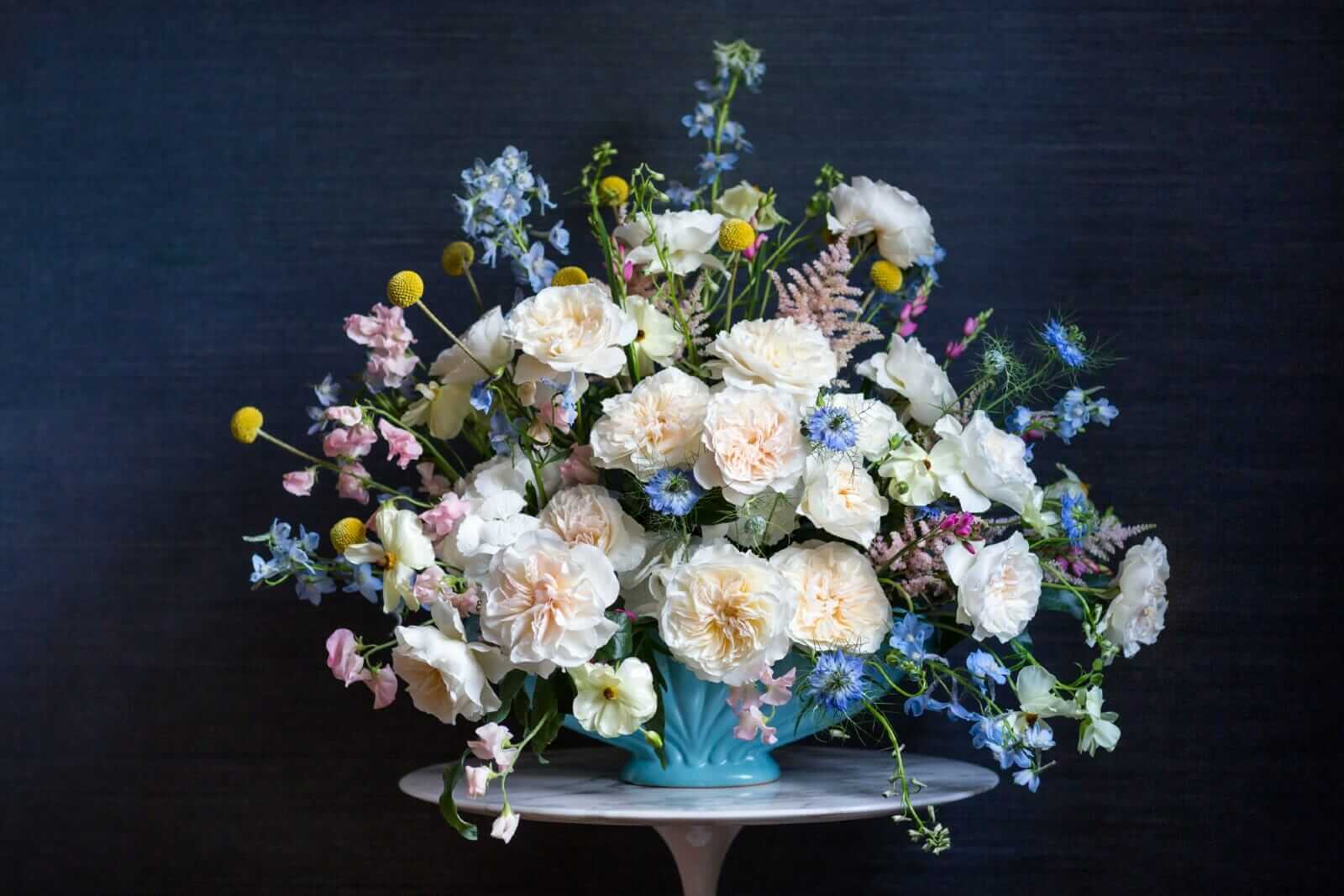
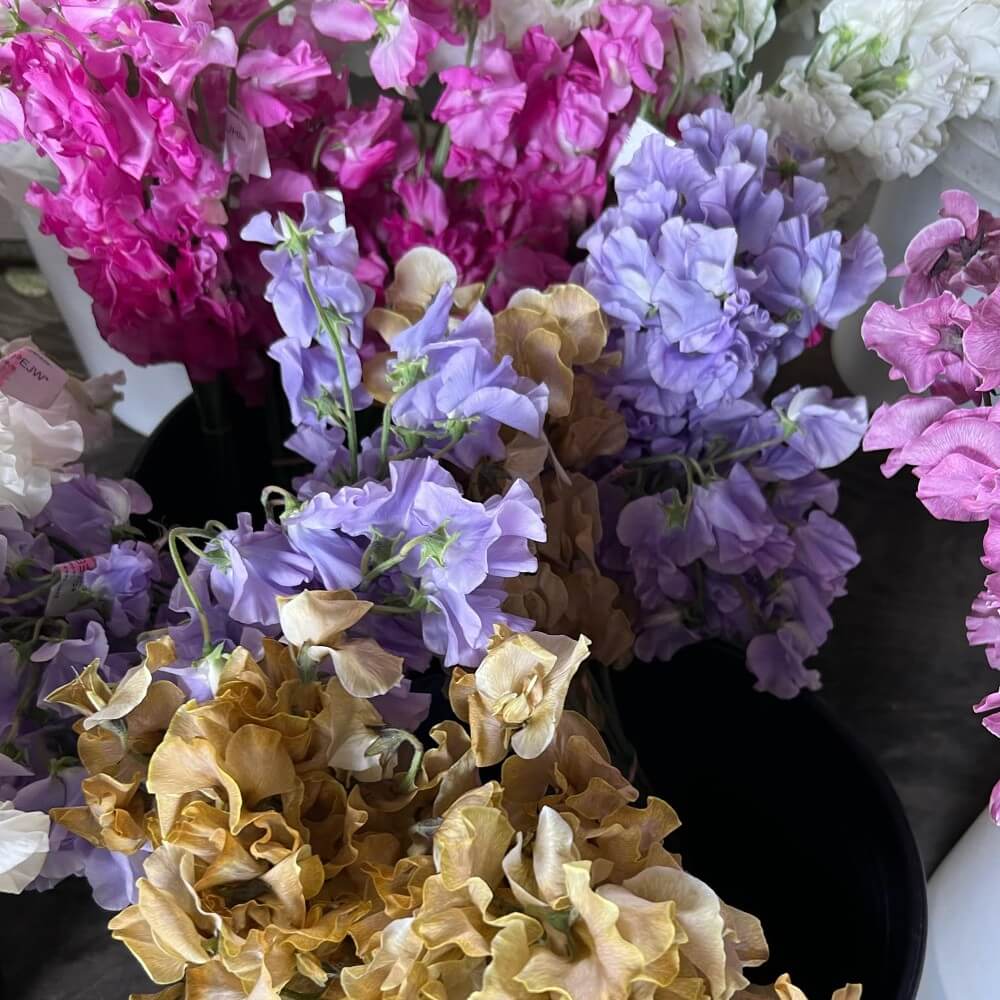
- Focal flowers: Blush garden roses, white lisianthus , and light pink sweet peas.
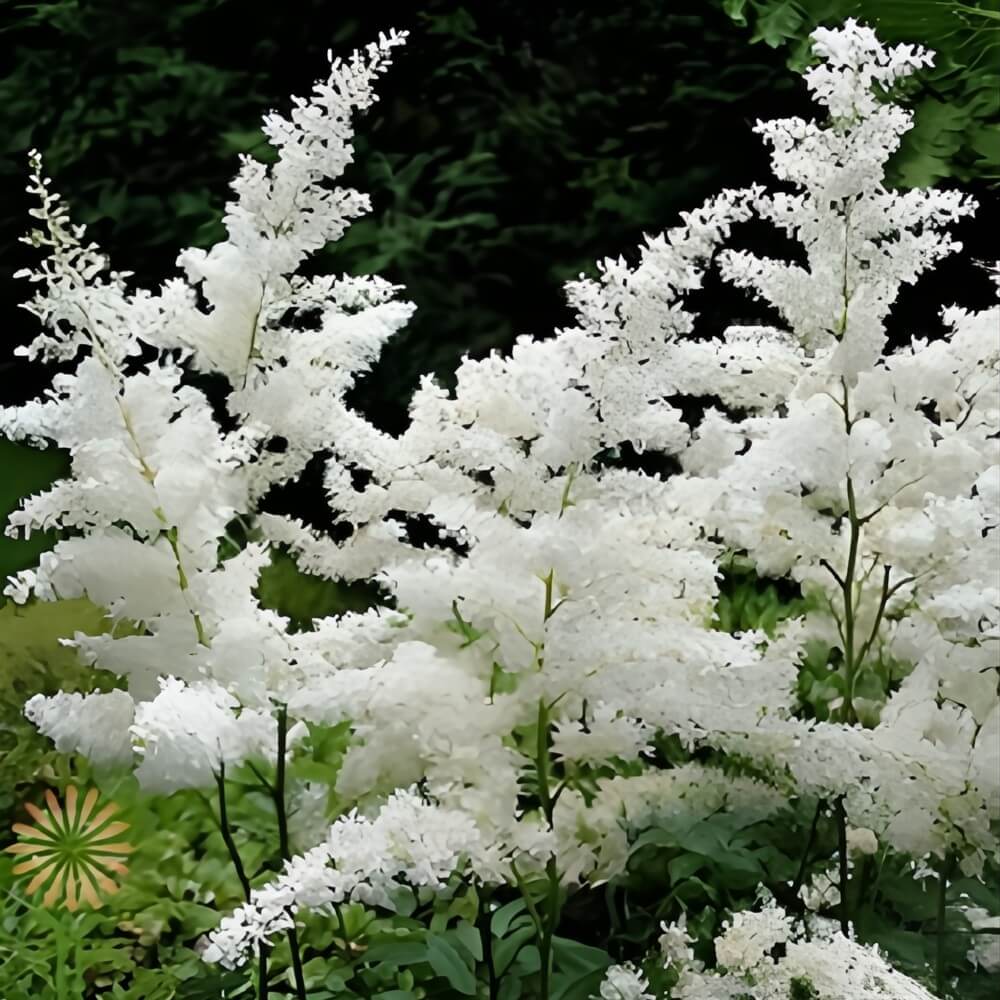
- Filler flowers: Wax flowers and astilbe to add texture.
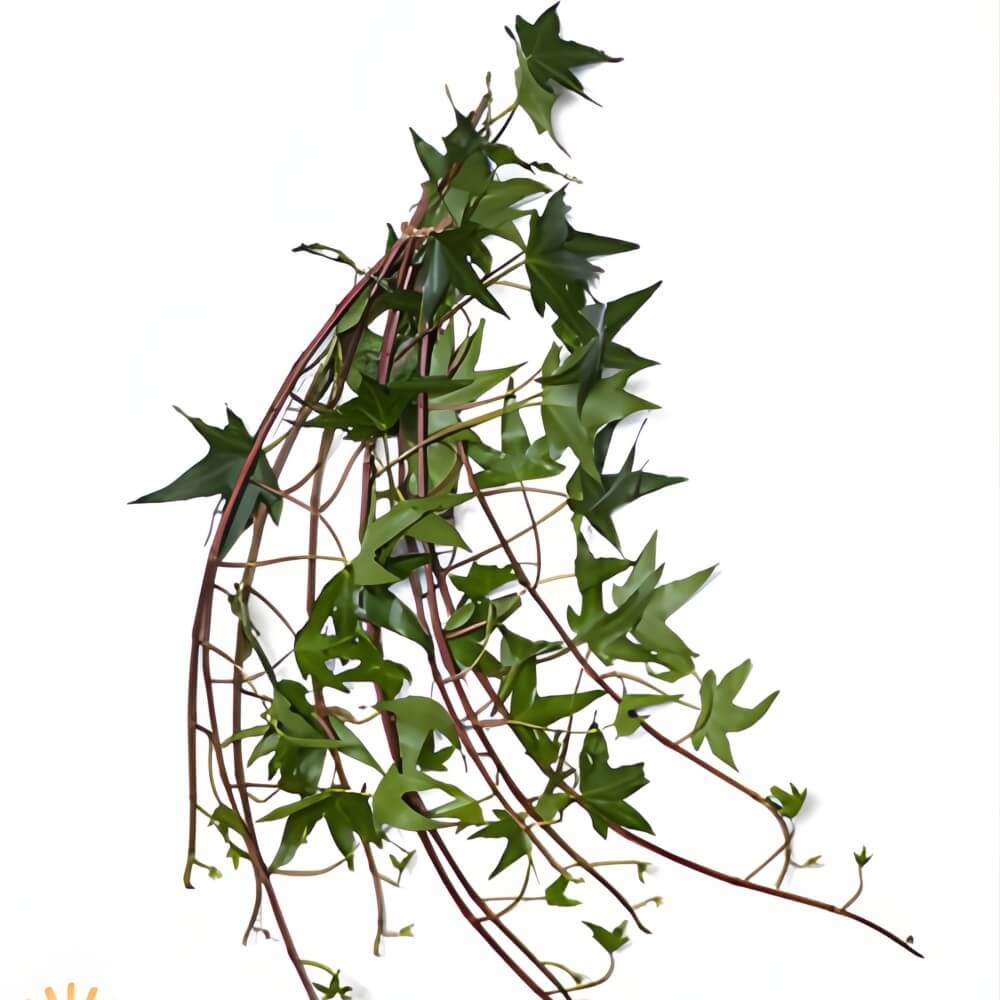
- Greenery: Trailing ivy and silver dollar eucalyptus for a soft, cascading effect.
Pro Tip: Use tools like Pinterest or a mood board to gather inspiration, and don’t hesitate to sketch your arrangement on paper before buying flowers. This will help you visualize the final design and avoid over- or under-buying blooms.


Size and Shape: Understanding Floral Scale and Proportion
Now that you have a clear vision for your arrangement, it’s time to think about structure. One of the biggest differences between a professional-looking design and an amateur one is scale and proportion. Getting this right ensures your flowers complement the space rather than overpowering or getting lost in it. Here’s how to strike the perfect balance:
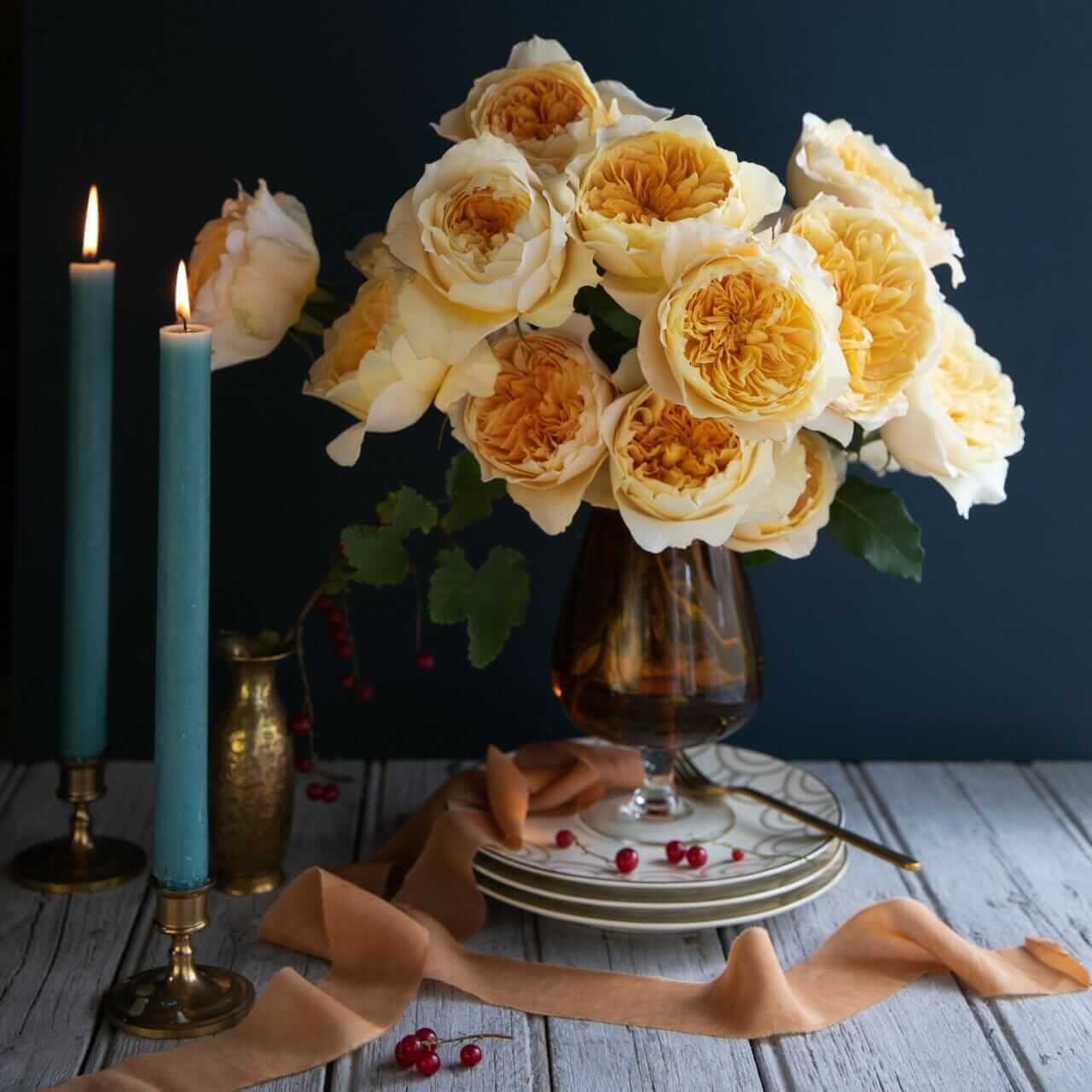
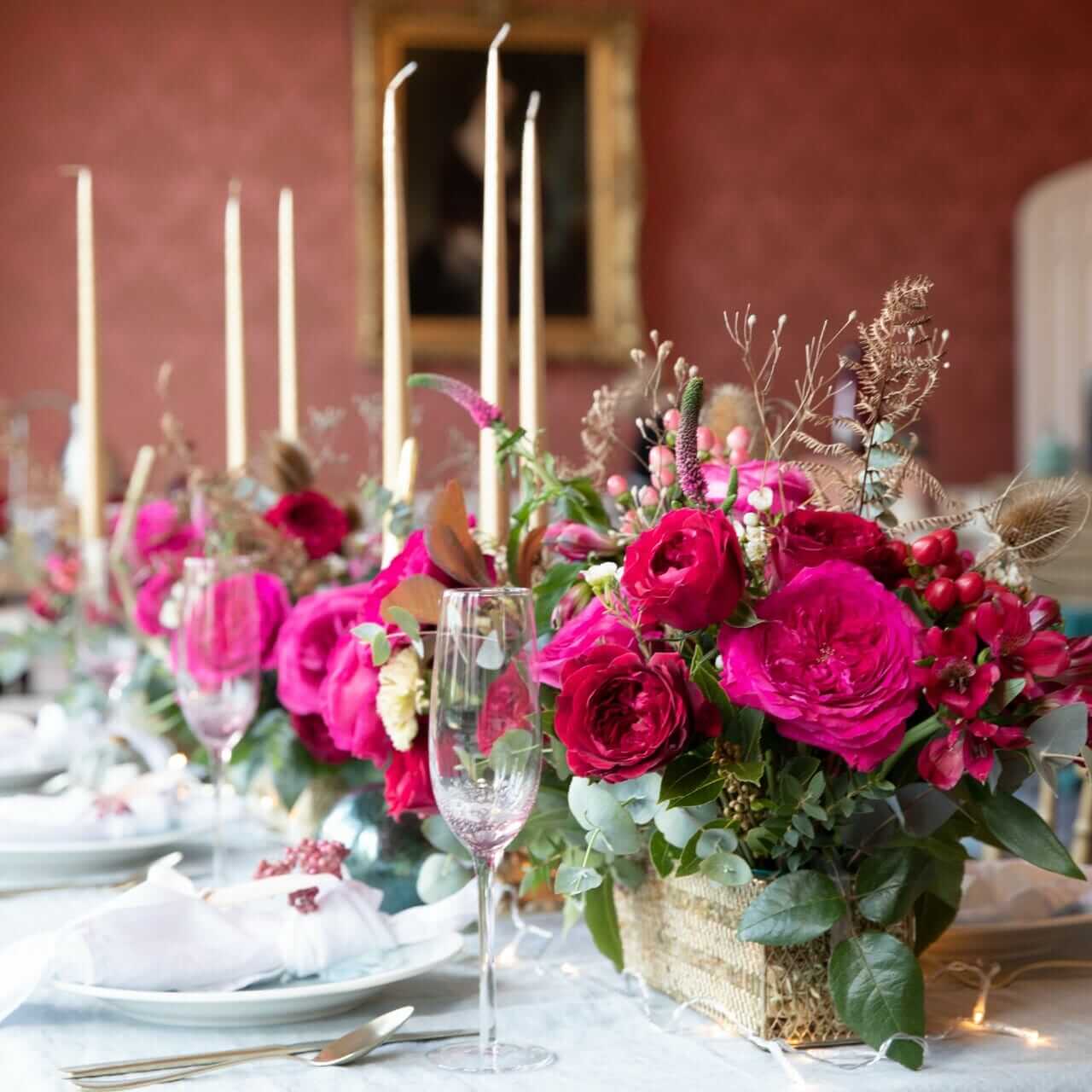
Centerpiece Size Guide for Dining Tables
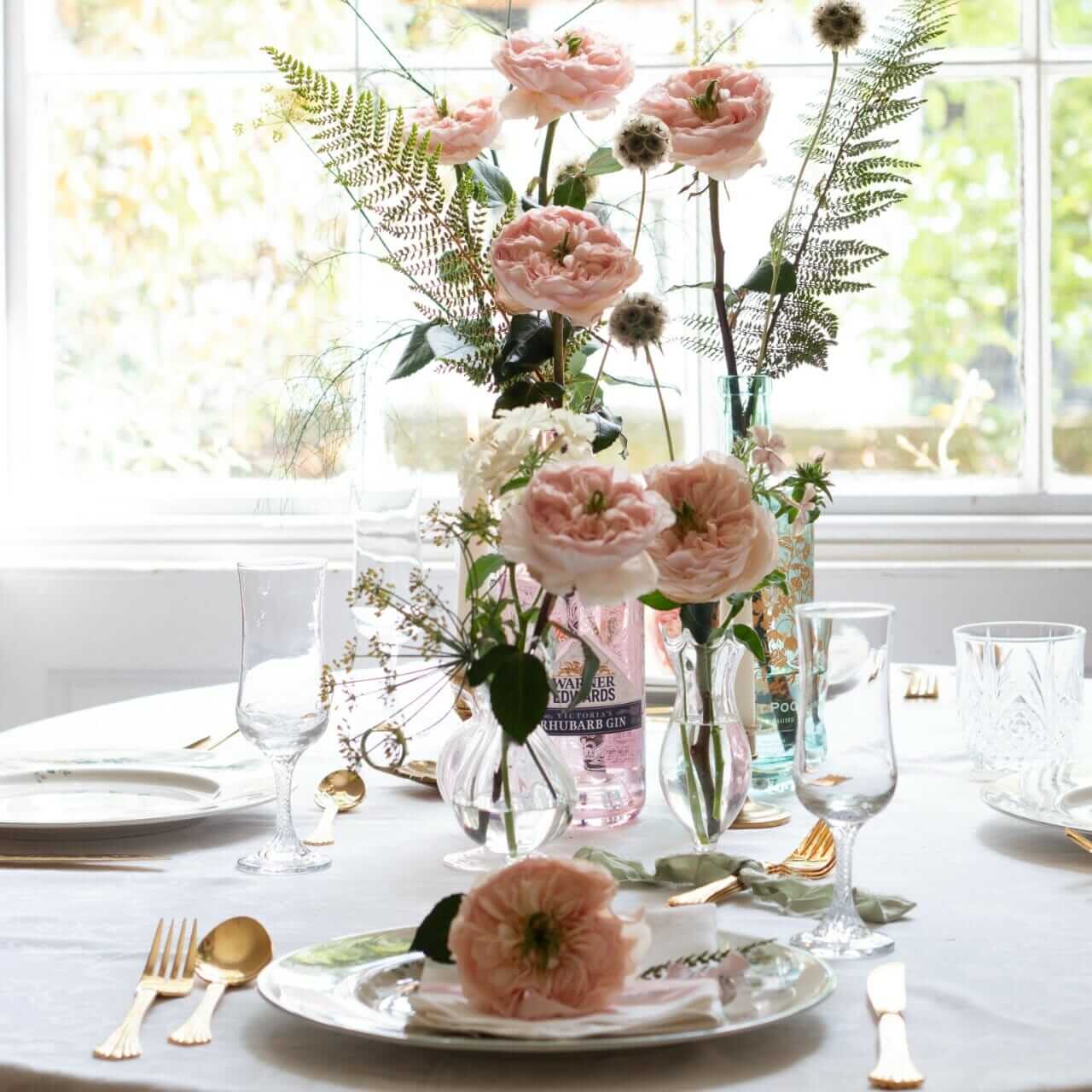
- Height: 12-14 inches—tall enough to be eye-catching but low enough for guests to chat over.
- Width: About 1.5 times the height for a balanced look.
- Best Arrangement Style:
Round tables → Compact, symmetrical designs.
Rectangular tables → Multiple smaller arrangements or one elongated design.
Pro Tip: If you want height without blocking views, use tall, slim vases with flowers concentrated at the top.
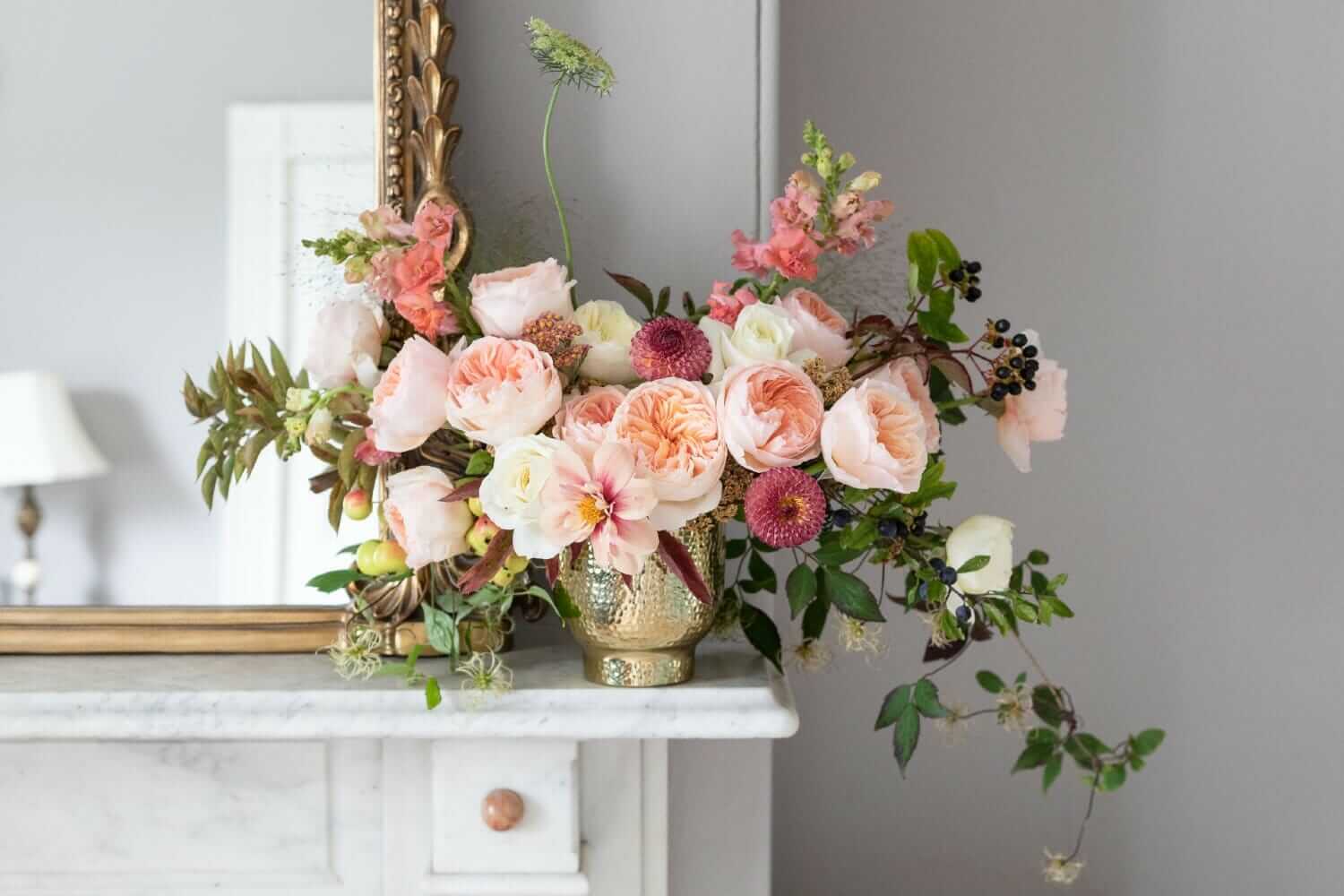
Mantel and Buffet Arrangement Tips
- Height: 24-36 inches—taller arrangements work well since no one needs to see over them.
- Width: Should be about ⅔ the height for proportional balance.
- Backdrop Consideration: Arrange blooms to complement the wall, mirror, or artwork behind them rather than competing with it.
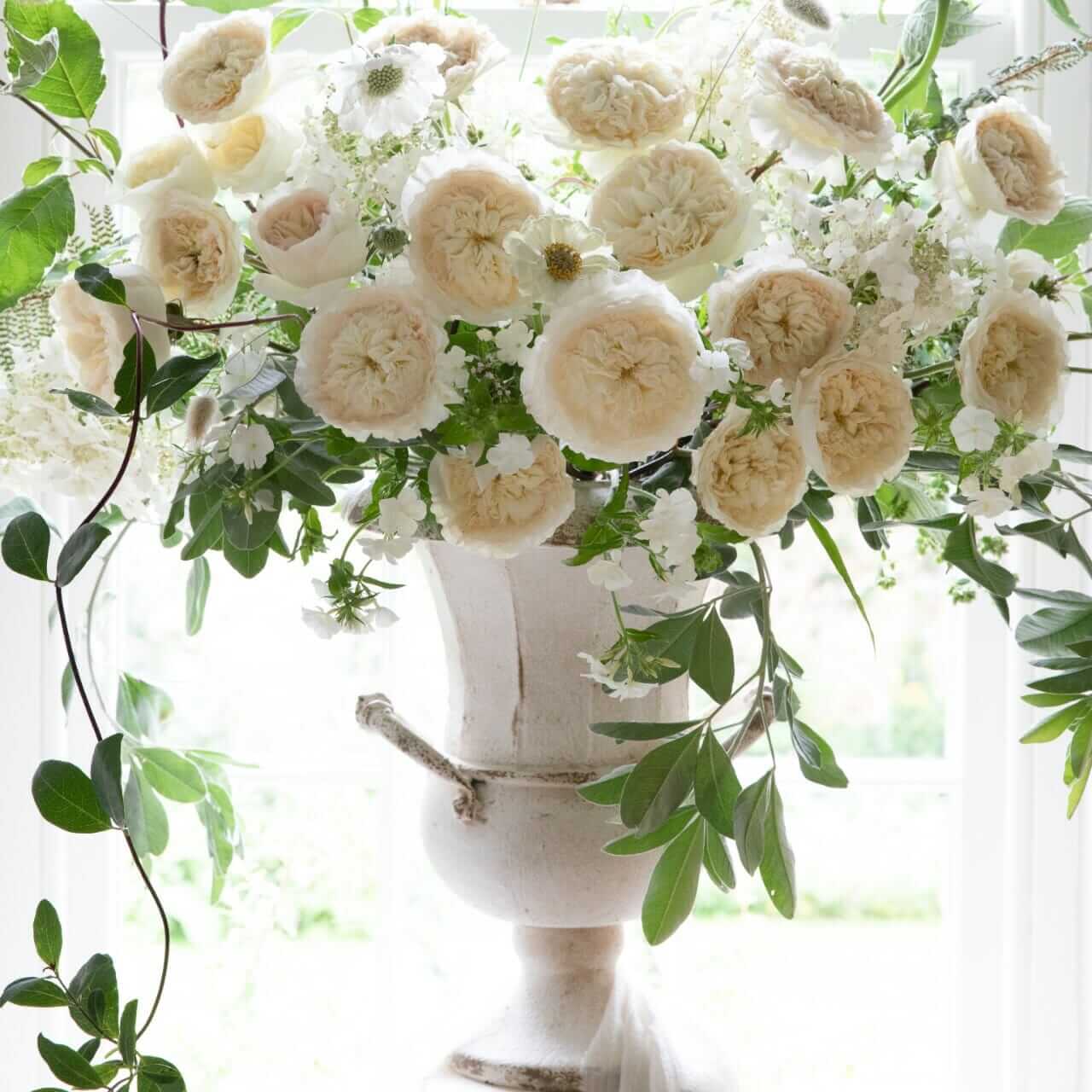
Entryway and Floor Display Guidelines
- Height: 24-36 inches—taller arrangements work well since no one needs to see over them.
- Width: Should be about ⅔ the height for proportional balance.
- Backdrop Consideration: Arrange blooms to complement the wall, mirror, or artwork behind them rather than competing with it.
Pro Tip: Use foam or structural supports like chicken wire to anchor large arrangements and keep them stable.
Flower Types Explained: Focal, Filler, and Greenery
Think of your arrangement like a little flower community where everyone has their role to play. You've got your stars (focal flowers), your supporting cast (filler flowers), and your backdrop performers (greenery). Here's how to nail each category:
Focal Flowers That Make a Statement
These are your "wow" flowers – the ones that make people stop and stare. Here's a detailed breakdown of popular focal flowers and when to use them:
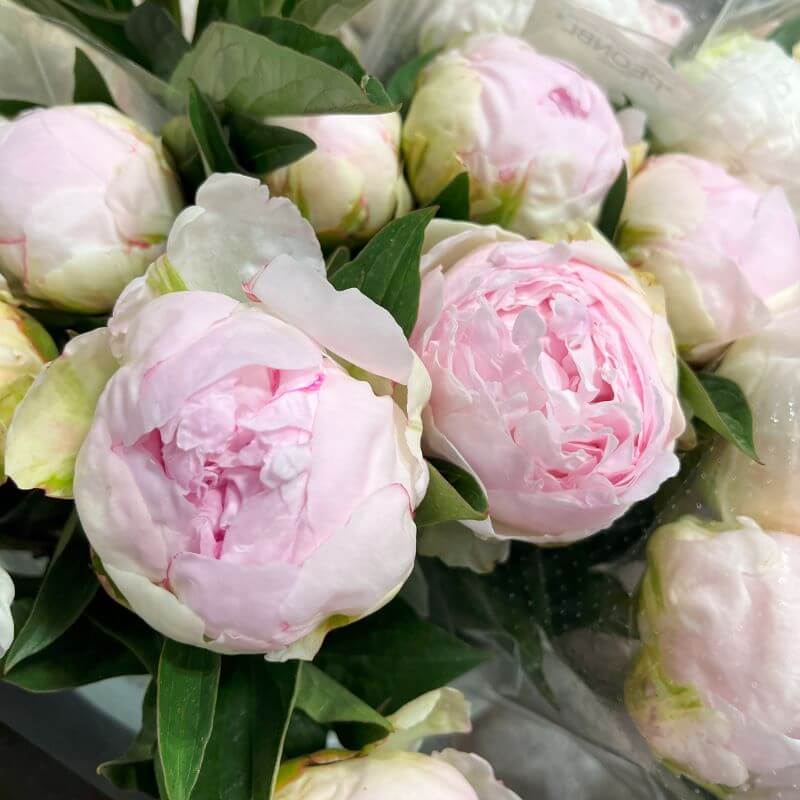
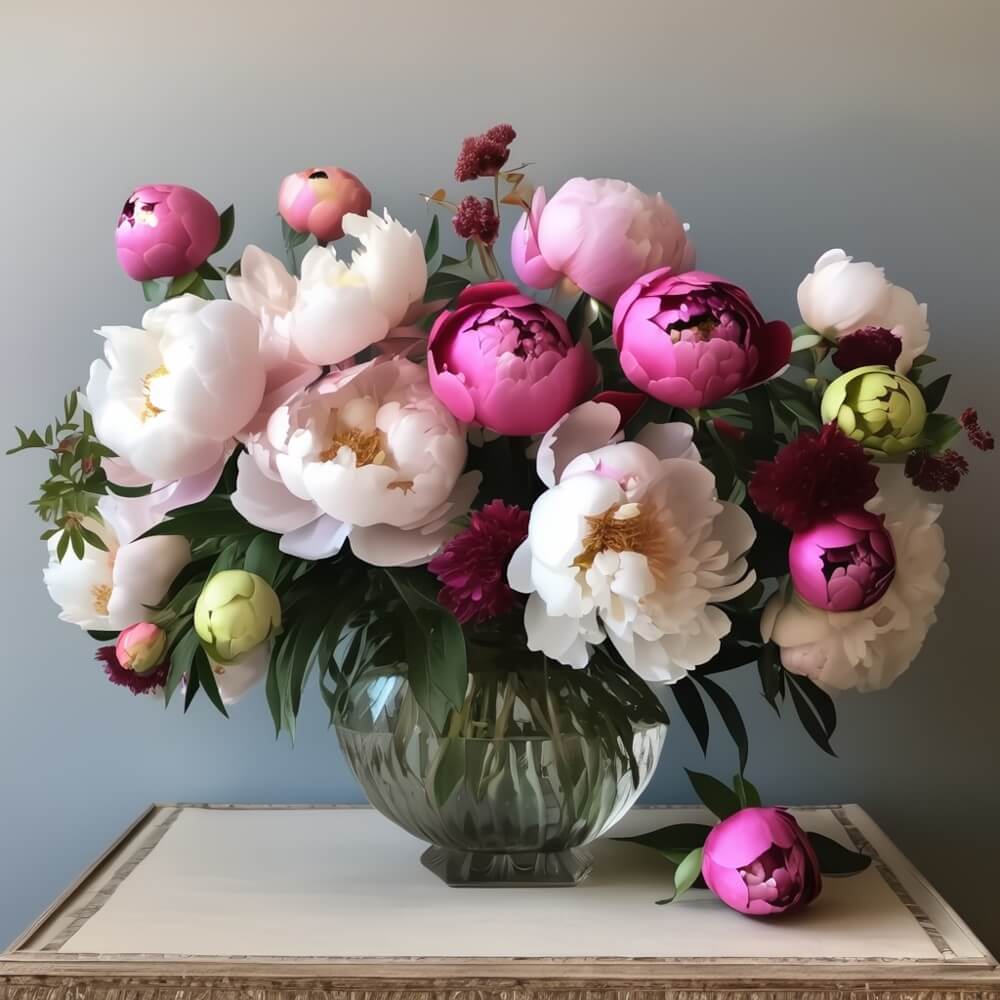
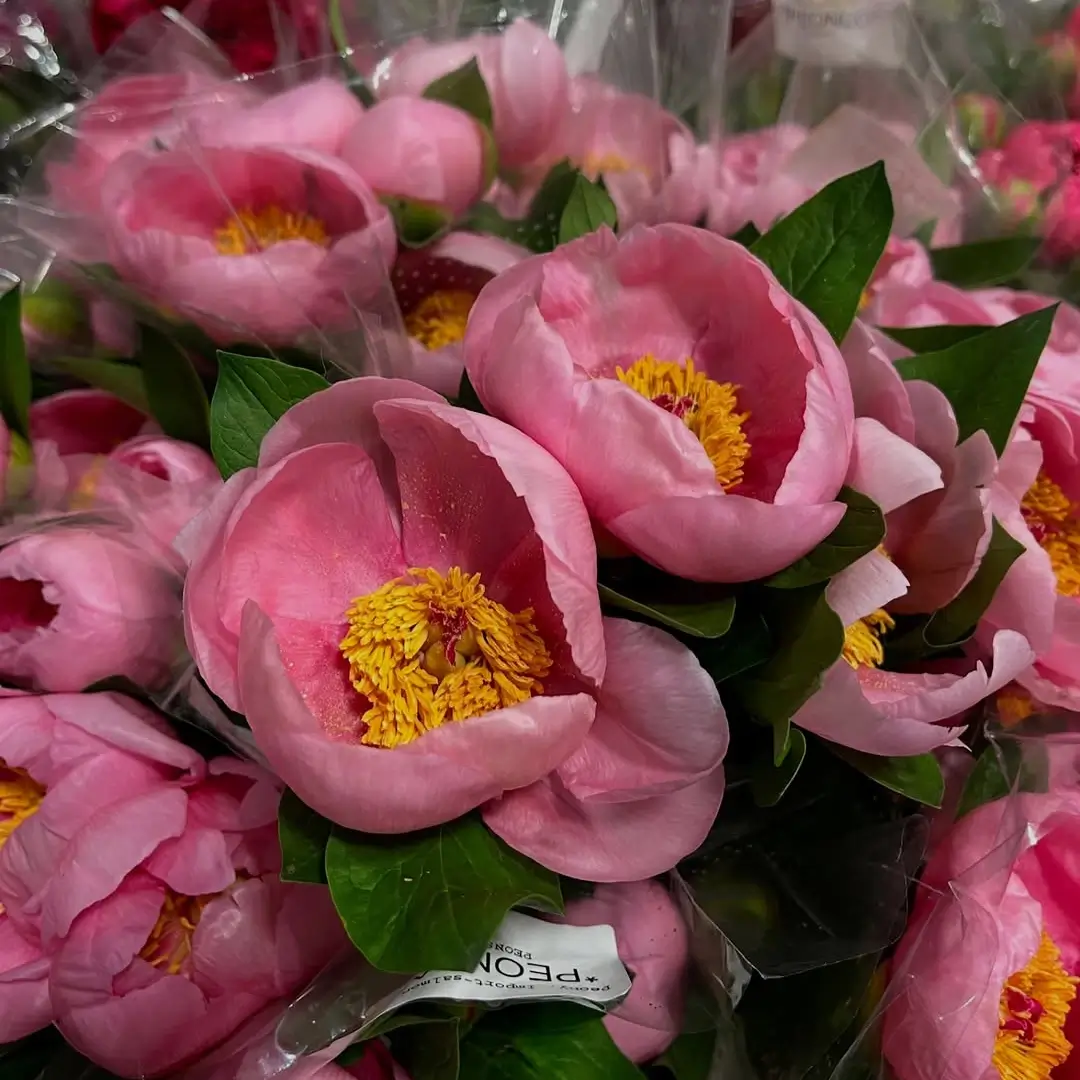
- Best for: Romantic, lush arrangements.
- Season: Late spring to early summer.
- Pro tip: Buy them when buds are soft like marshmallows.
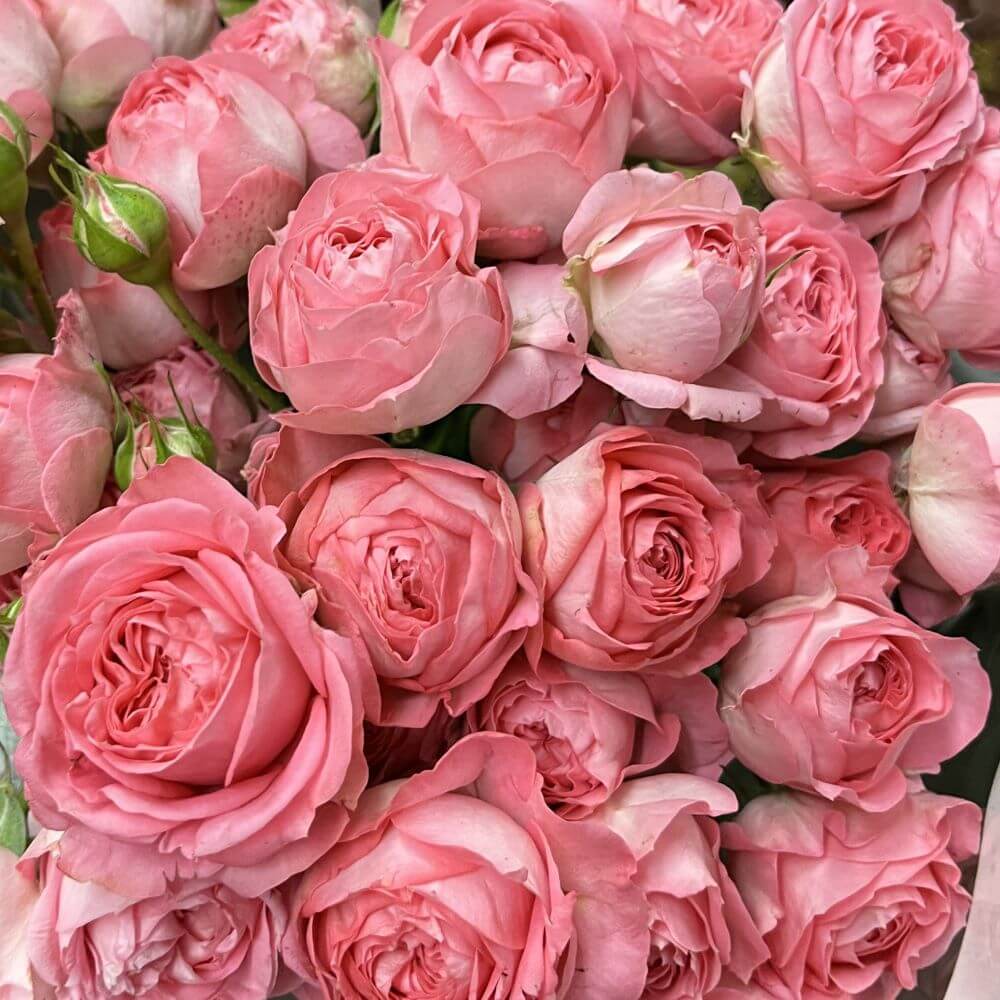
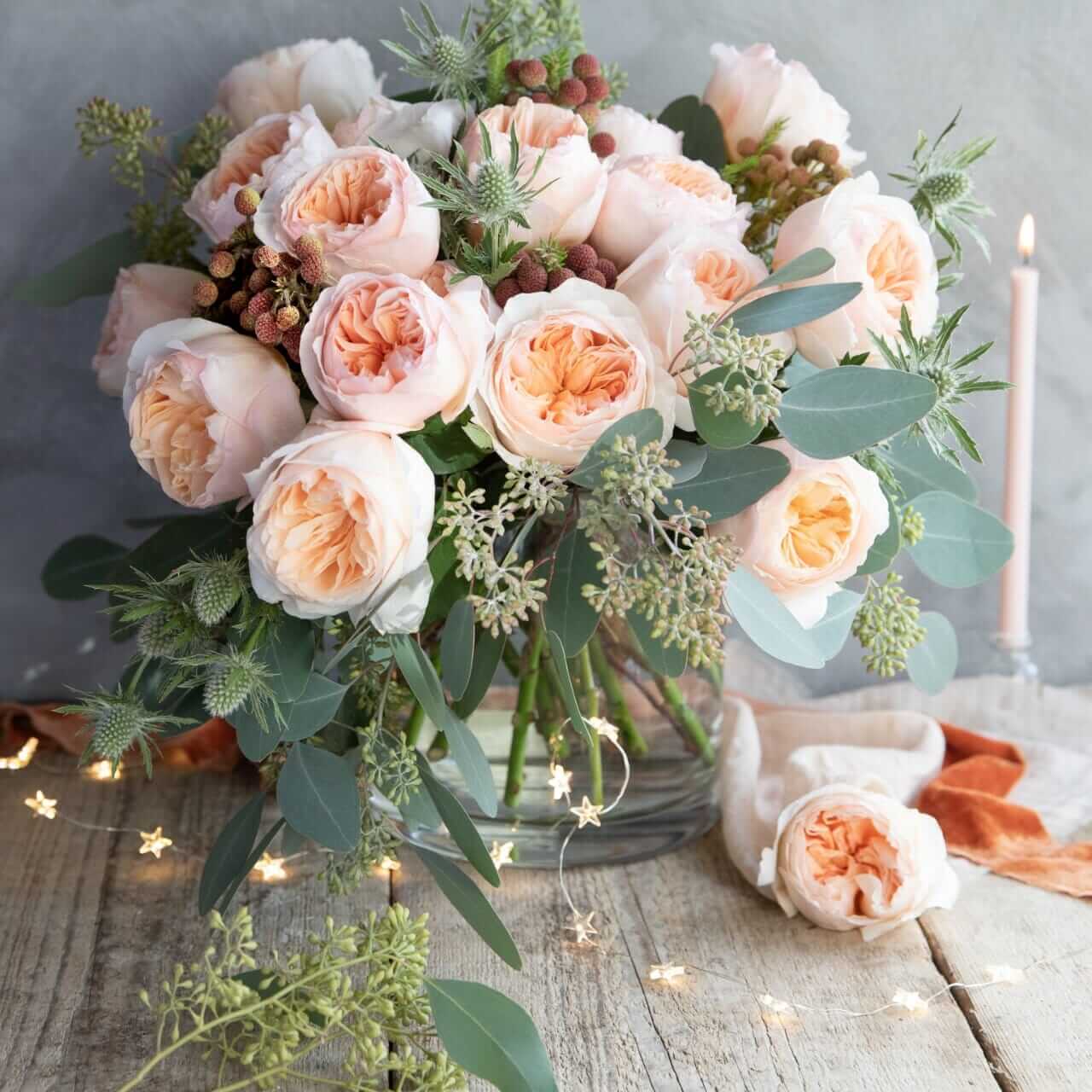
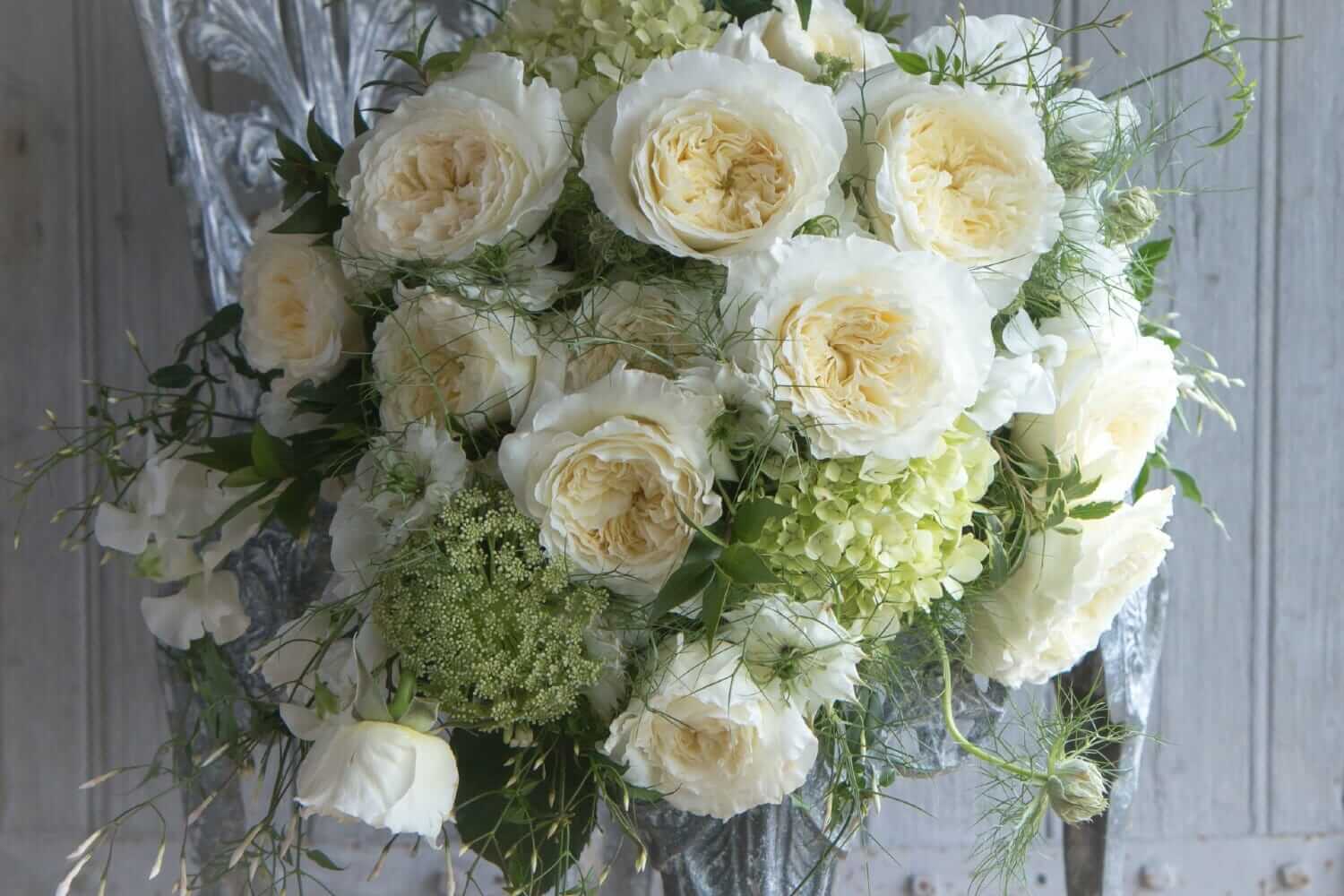
- Best for: Year-round elegance.
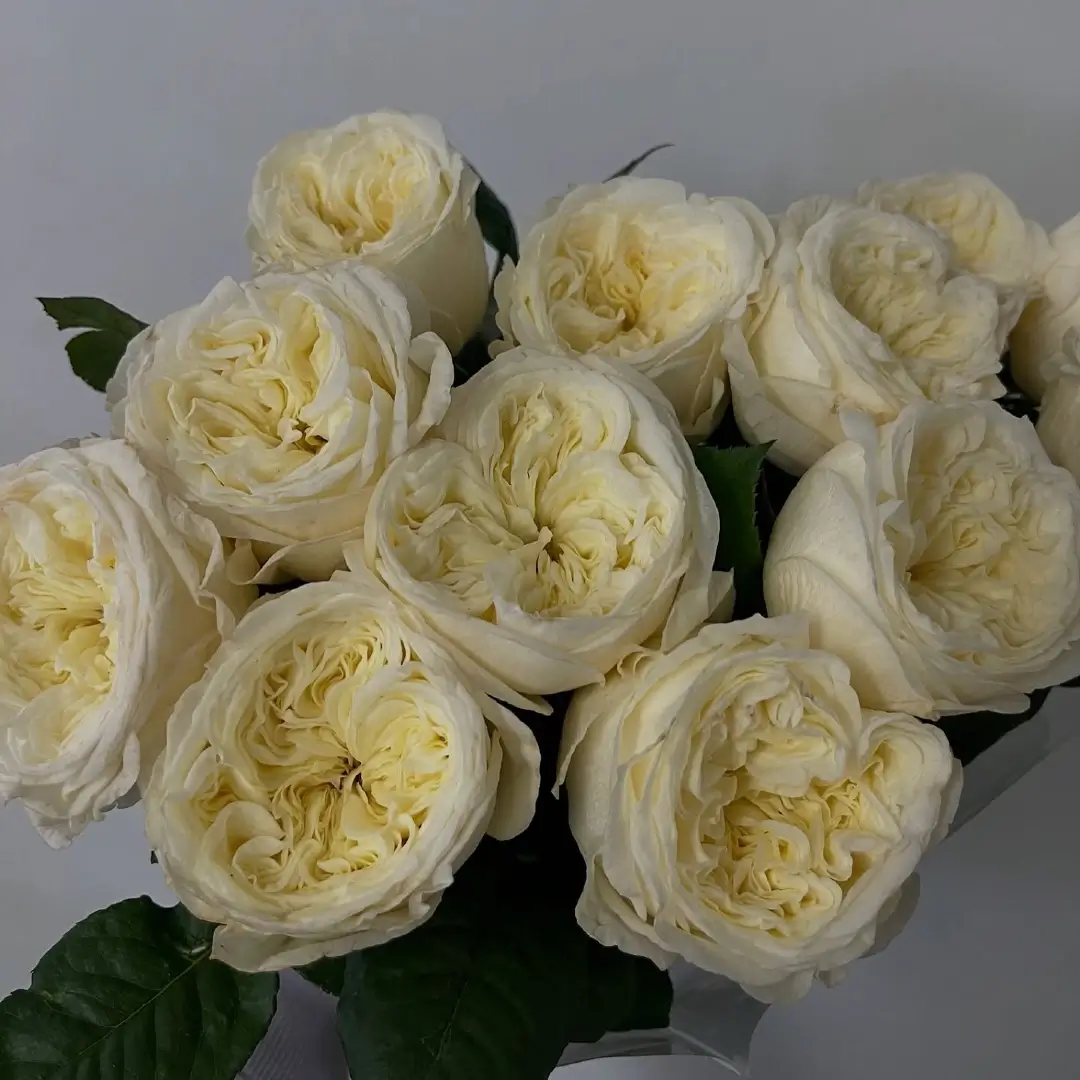
- Varieties to try: David Austin, Juliet, Patience.
- Pro tip: Remove guard petals for perfect blooms.
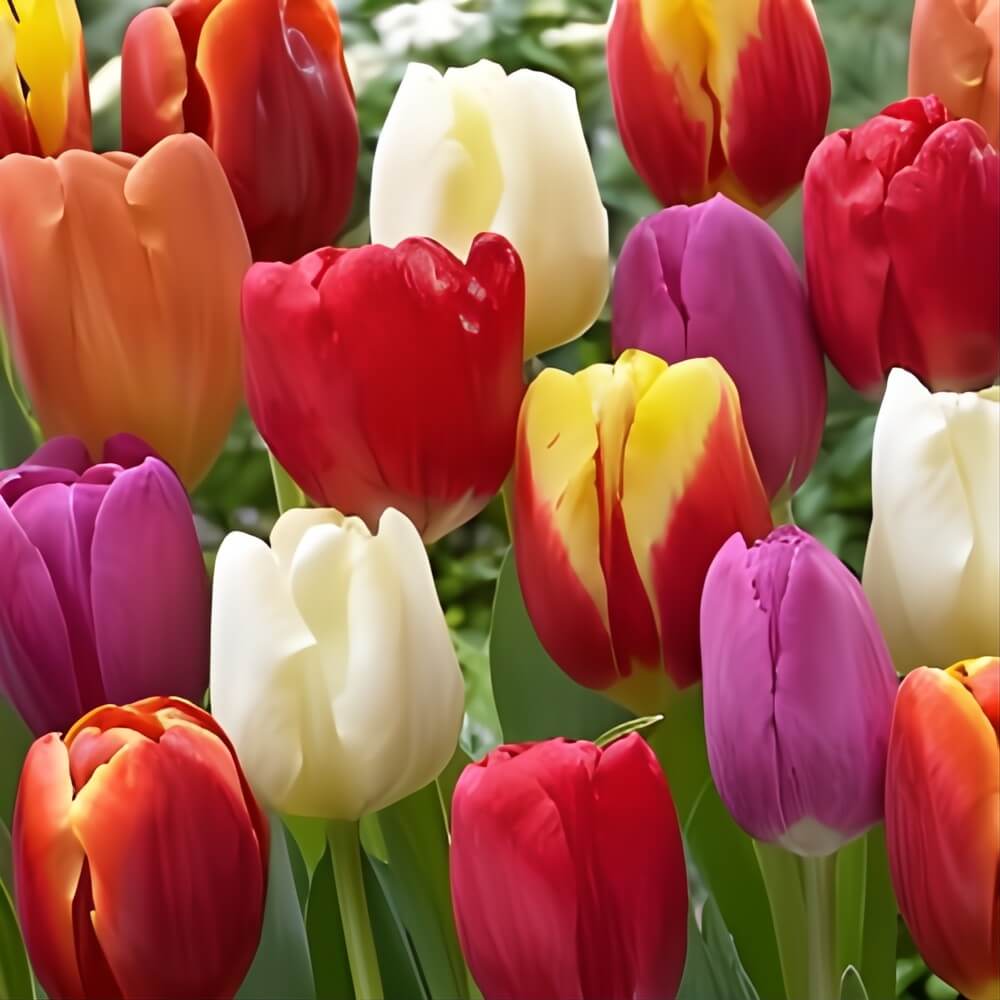
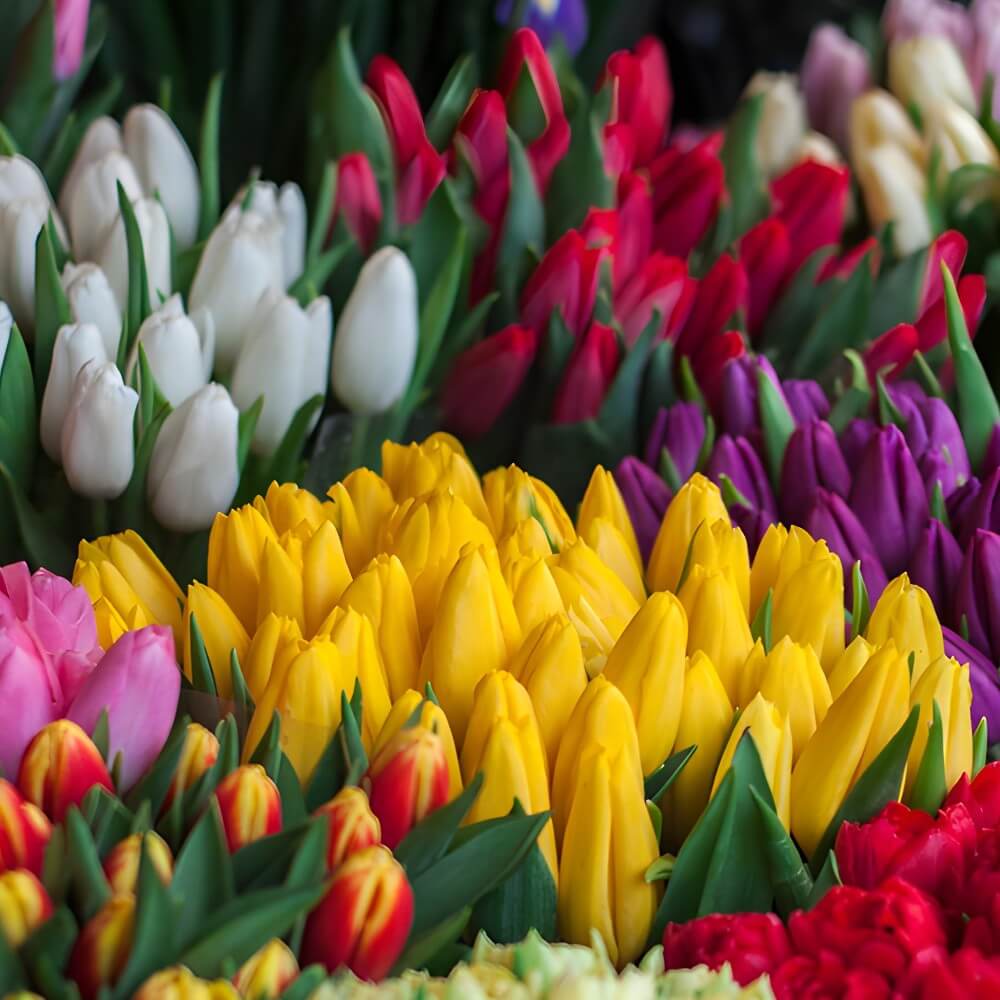
- Best for: Versatile arrangements, especially in spring but available year-round.
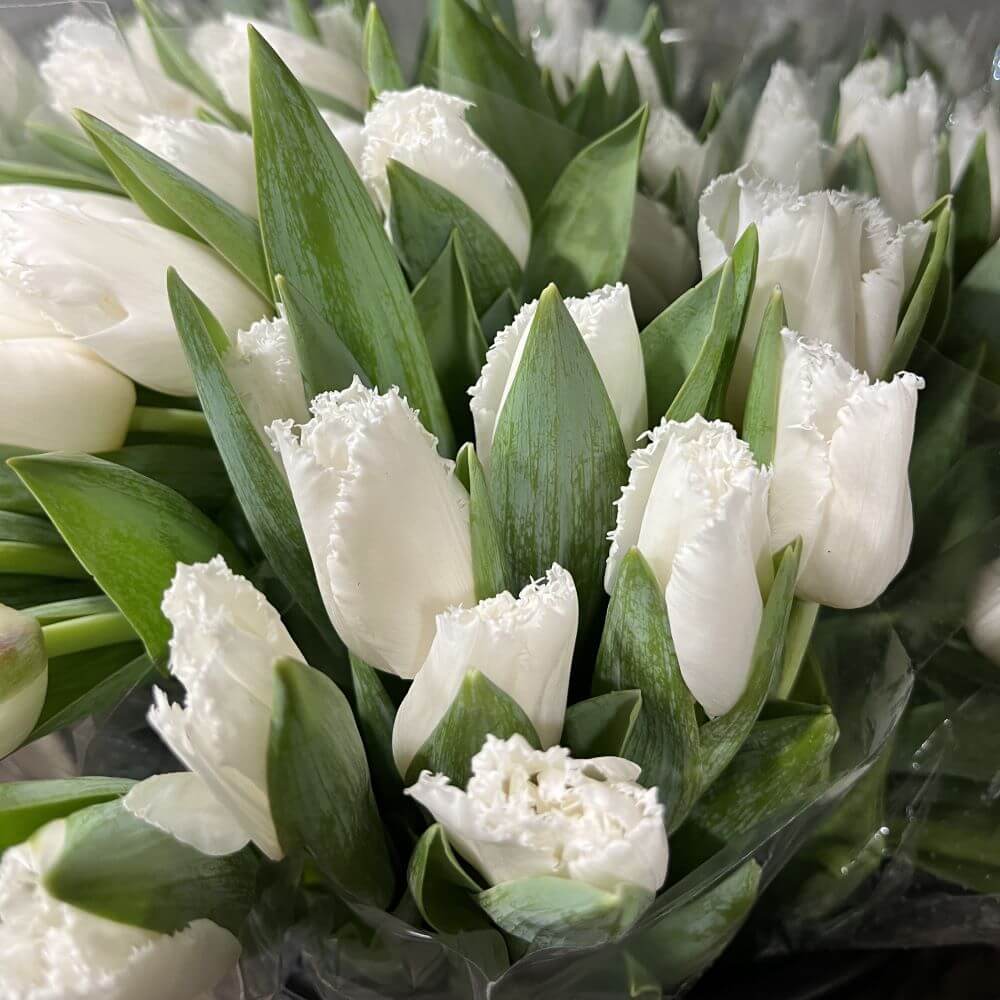
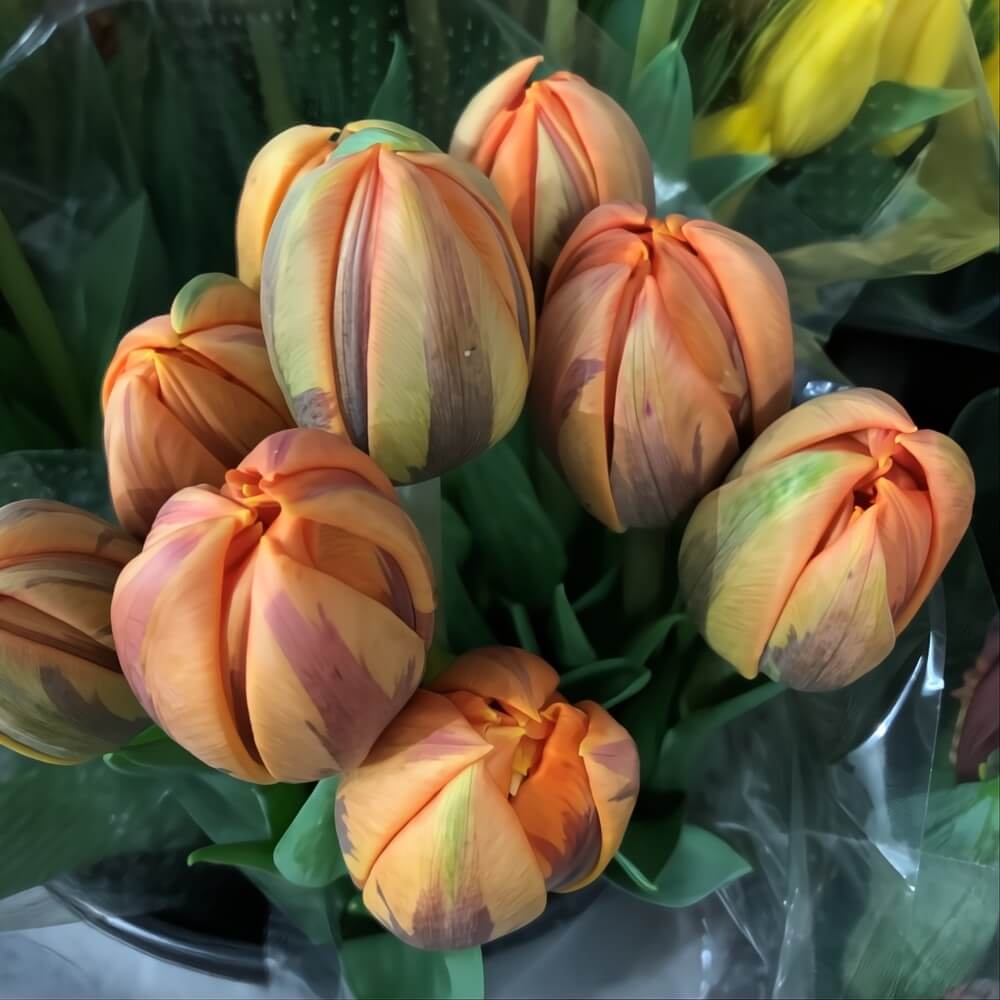
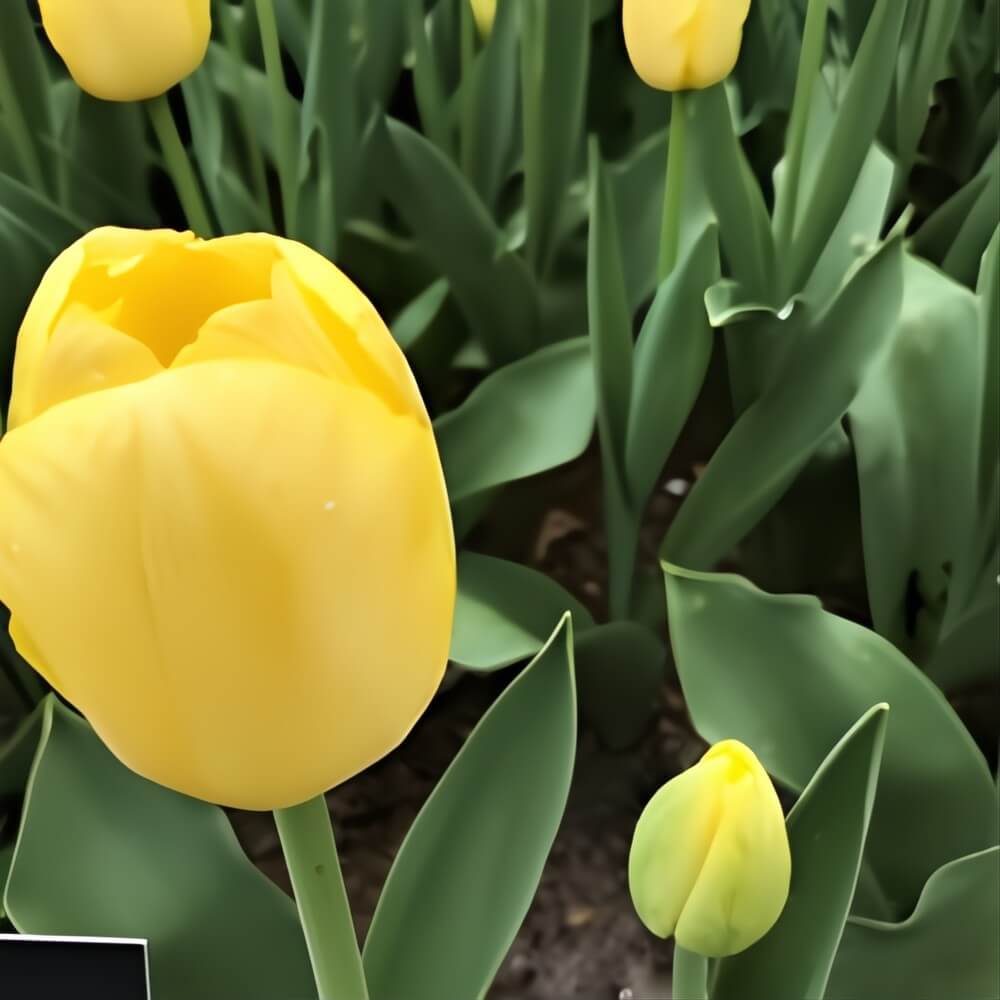
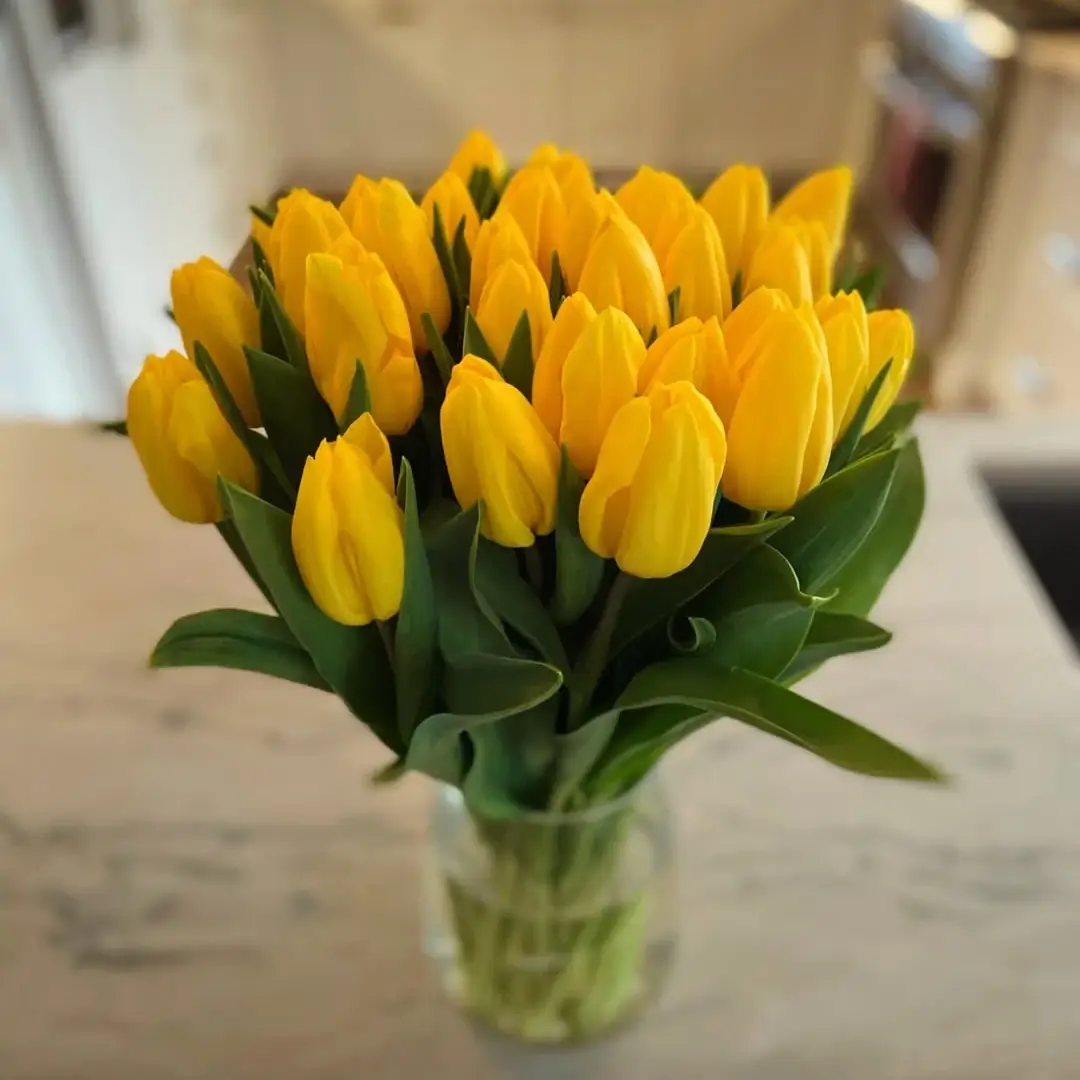
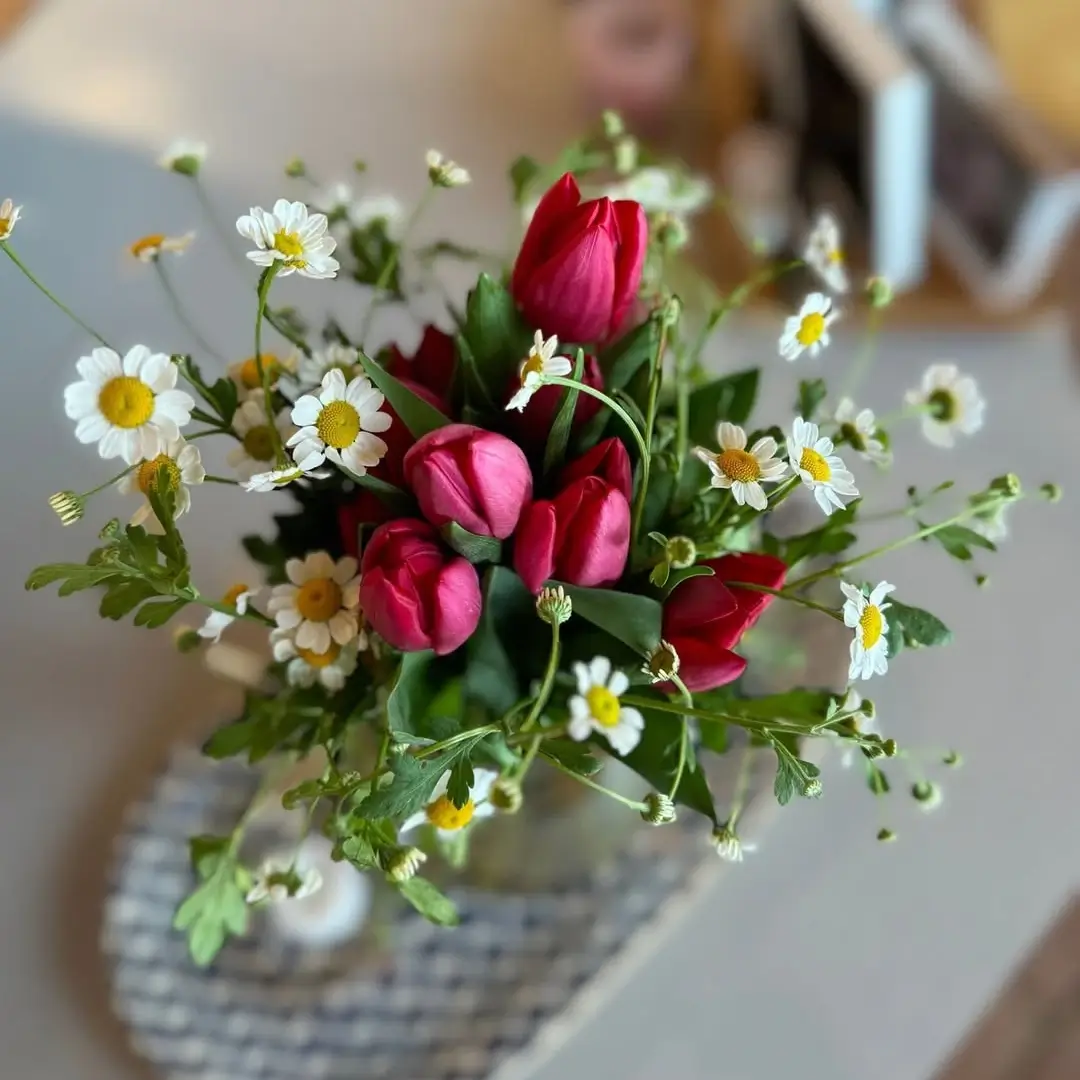
- Varieties: Single tulips, Parrot tulips (with ruffled petals), and Double tulips.
- Pro tip: Choose tulips with closed or slightly open buds for longer vase life. Tulips continue to grow after being cut, so let their natural movement add grace to your arrangement.
Filler Flowers That Add Texture
Don't let the name fool you – these smaller blooms are absolutely crucial. They add volume and texture to make your focal flowers pop. They're like the backup singers who make the lead vocalist sound even better. Here's your go-to filler flower guide:
Delicate Fillers:
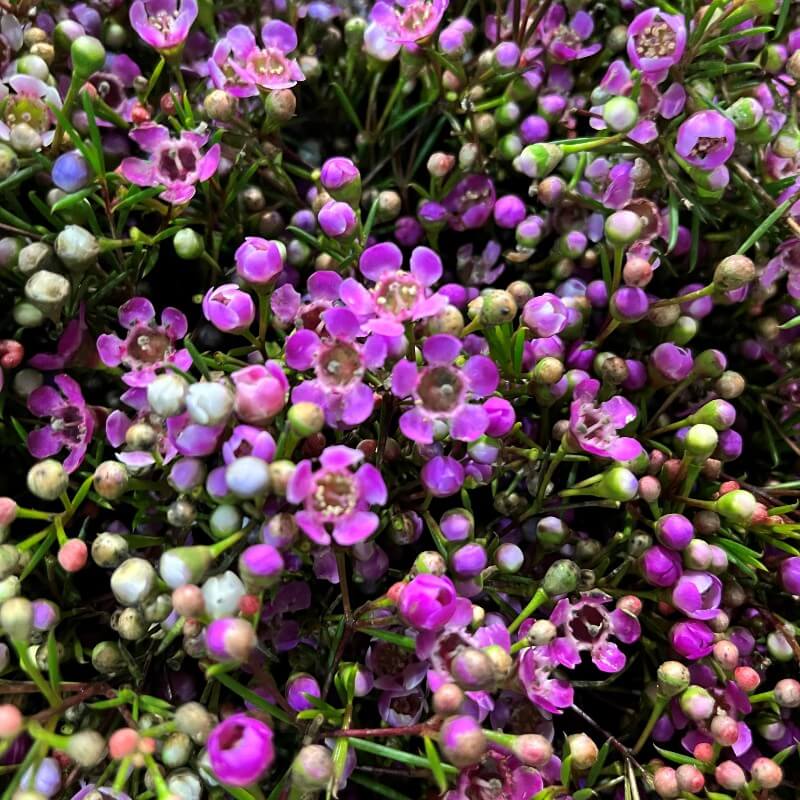
- Waxflower: Adds tiny star-like blooms and softens bold focal flowers while adding a delicate touch.
- Astilbe: Feathery and romantic, ideal for loose arrangements.
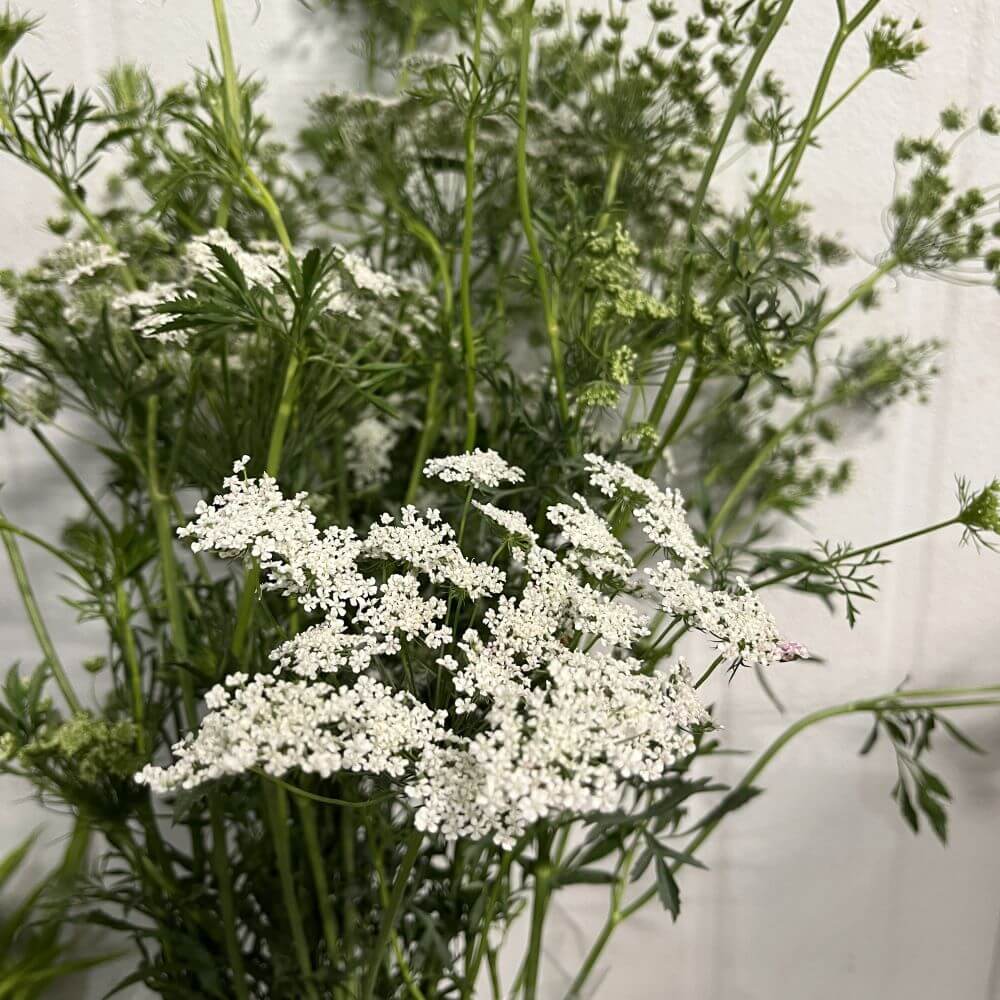
- Queen Anne's Lace: Offers lacy, wild beauty.
Structured Fillers:
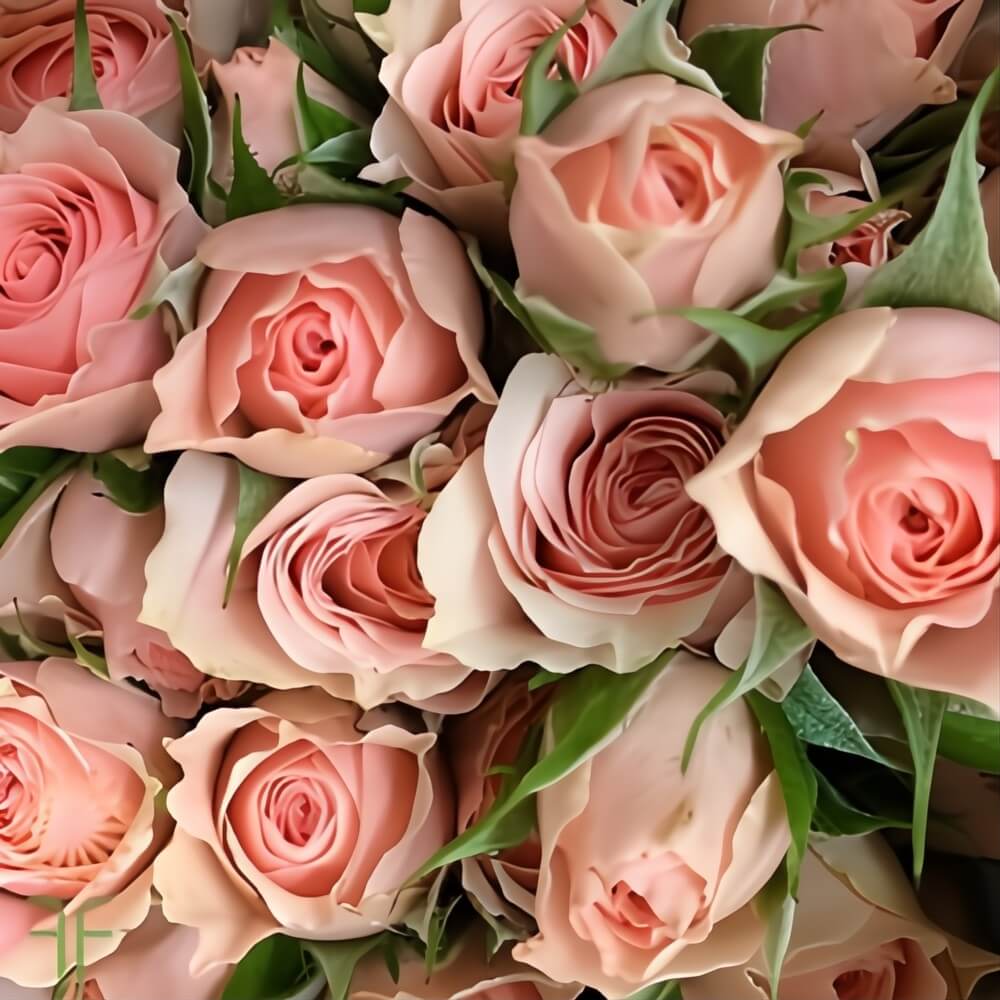
- Spray Roses: Mini versions of their larger cousins.
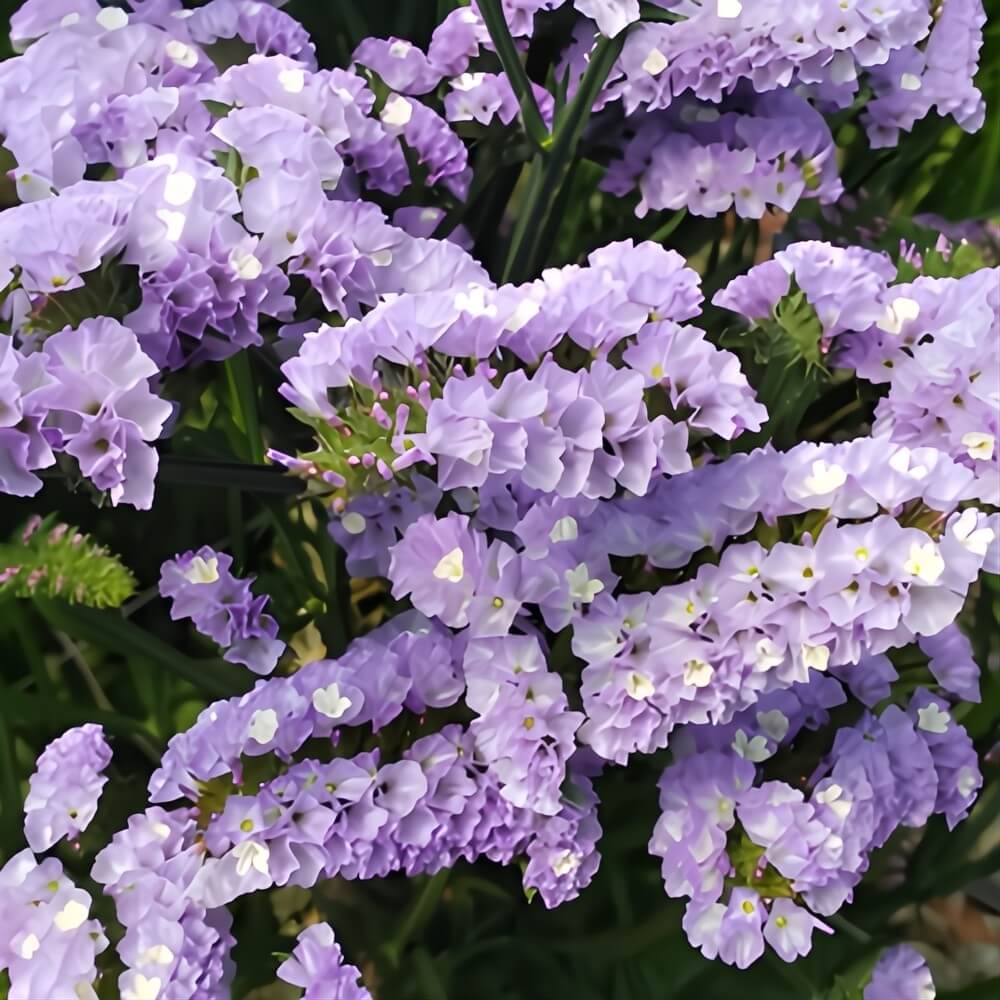
- Statice: Long-lasting and colorful.
- Limonium: Adds height and movement.
Textural Fillers:
- Craspedia (Billy Balls): Adds fun yellow dots.
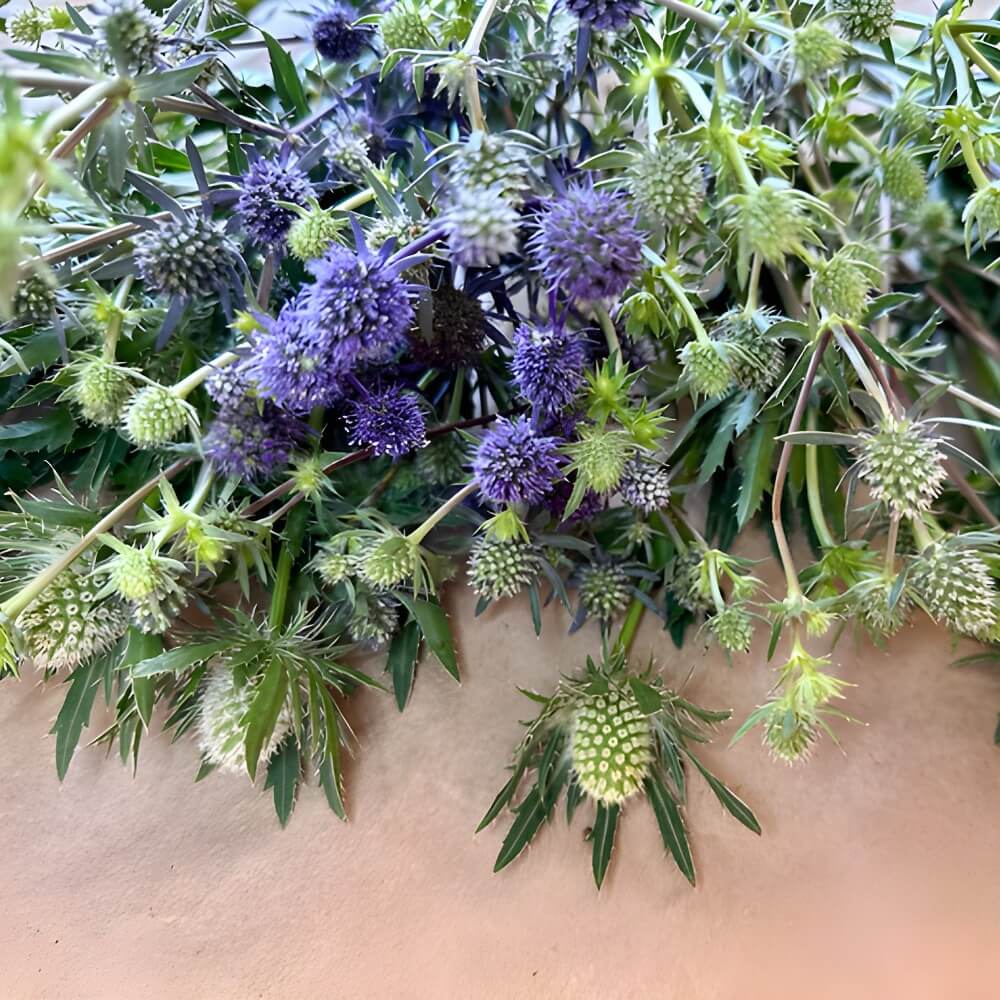
- Eryngium (Thistle): Creates spiky interest.
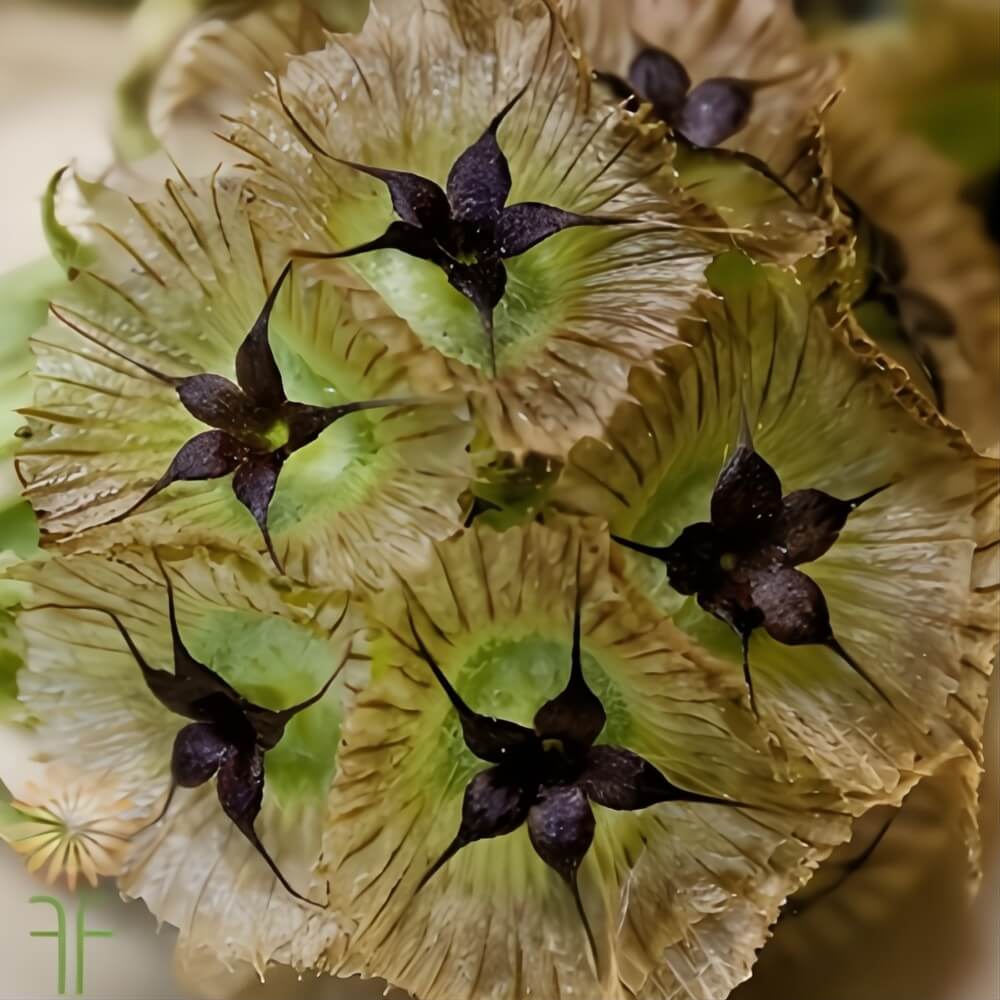
- Scabiosa Pods: Perfect for bohemian arrangements.
Greenery to Frame and Support Your Design
Remember when everyone thought greenery was just the stuff you had to add? Those days are gone! Greenery isn't just filler – it's the framework that holds your whole design together by providing structure and a cohesive flow. Let's explore different types:
Trailing Greenery for cascading effects:
- Italian Ruscus: Long-lasting and versatile.
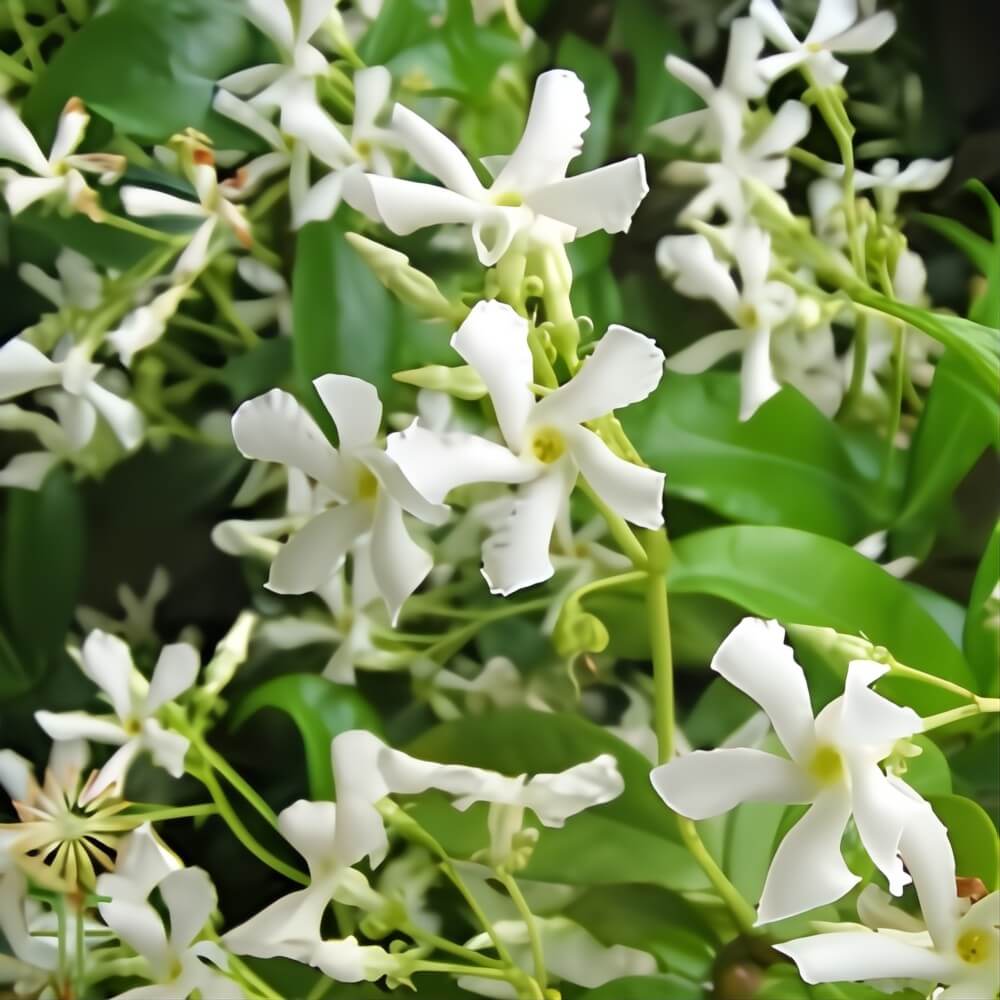
- Jasmine Vine: Adds romantic movement.
- Ivy: Classic and adaptable.
Structured Greenery:
- Salal (Lemon Leaf): Creates solid foundation.
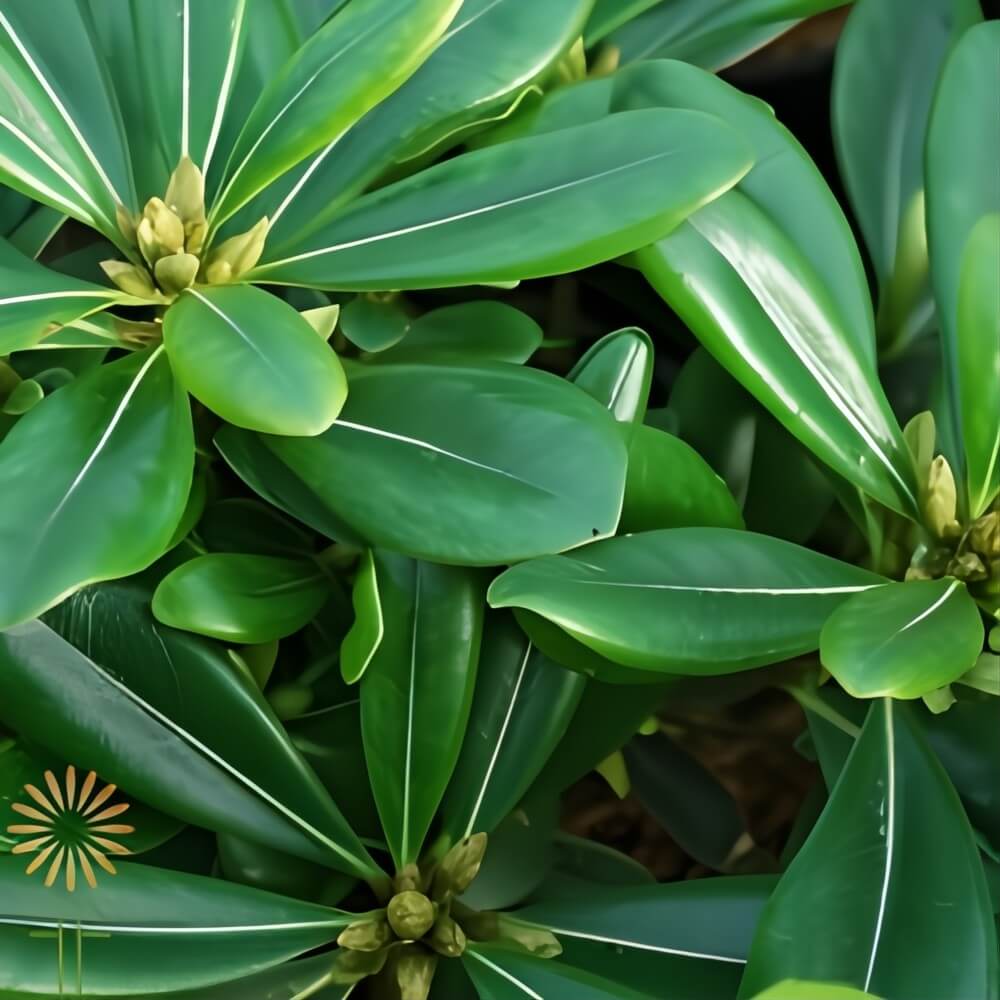
- Pittosporum: Offers small, round leaves.
- Boxwood: Perfect for formal designs.
Textural Greenery for added depth:
- Eucalyptus varieties: Silver dollar, seeded, spiral.
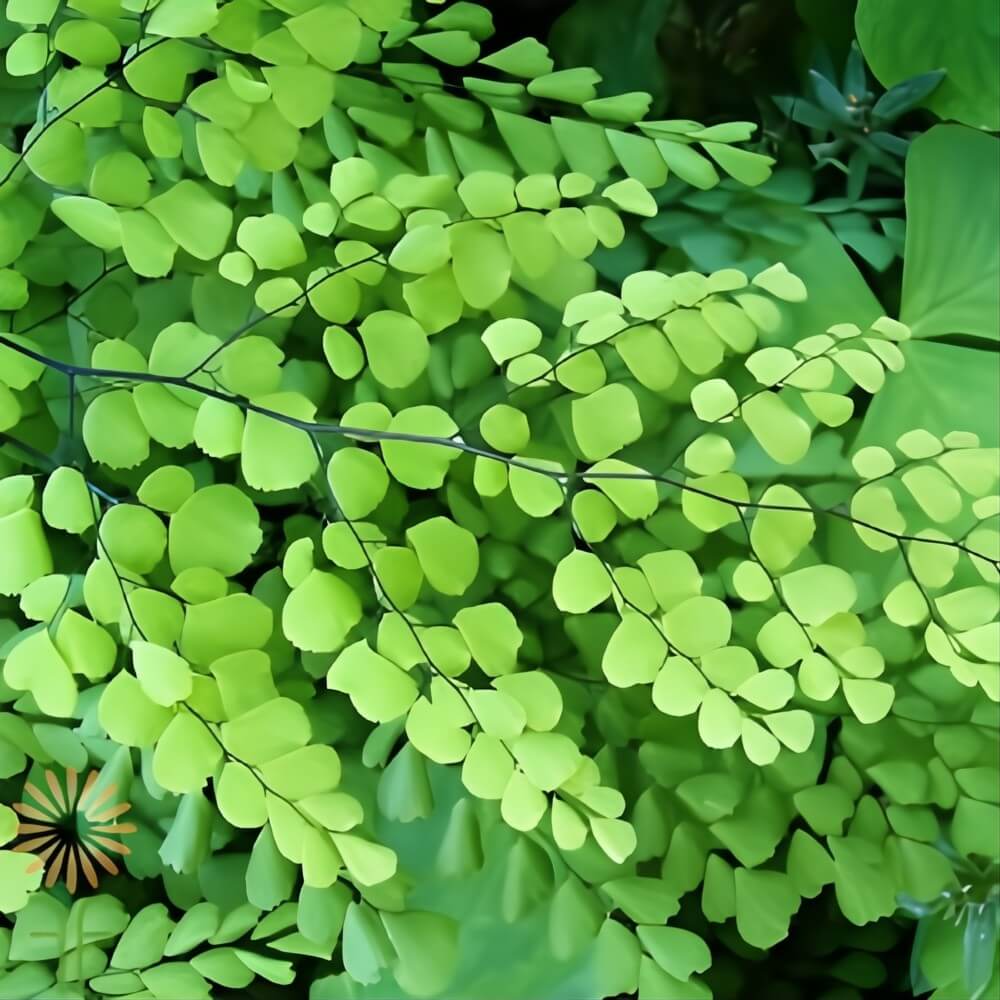
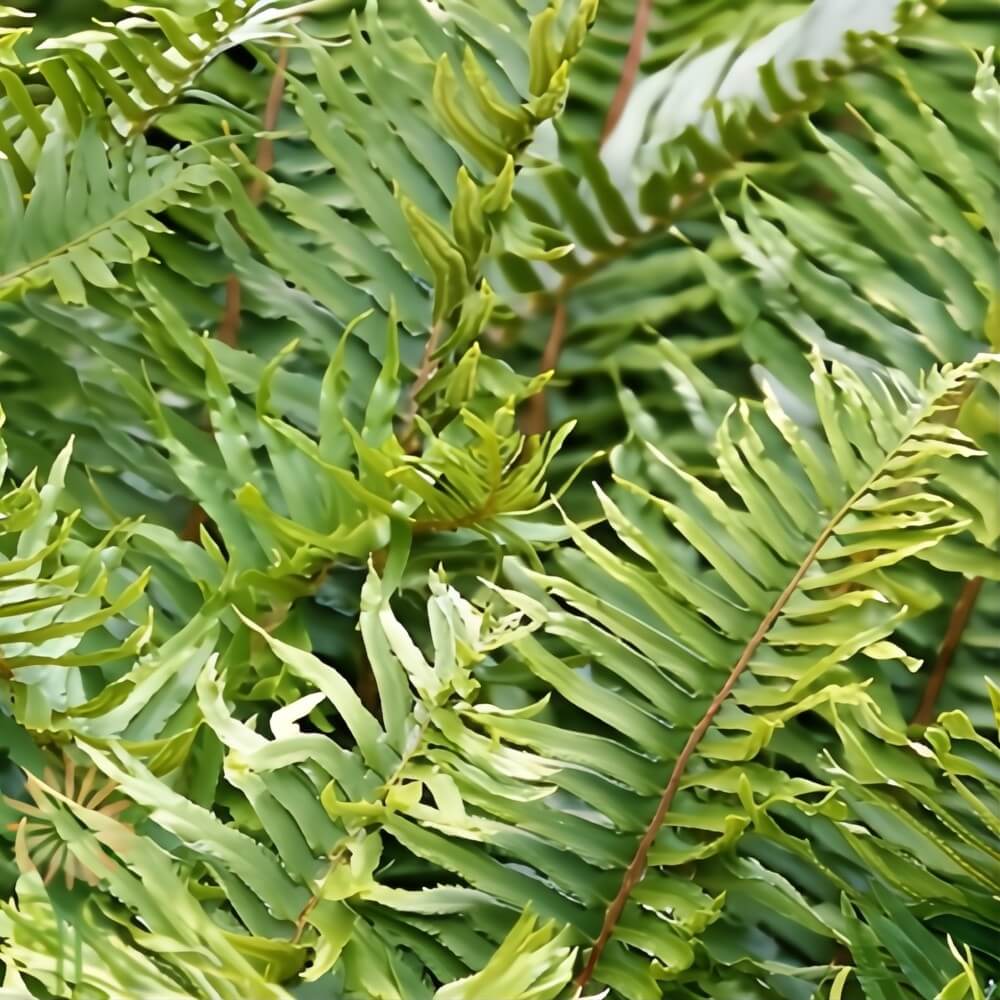
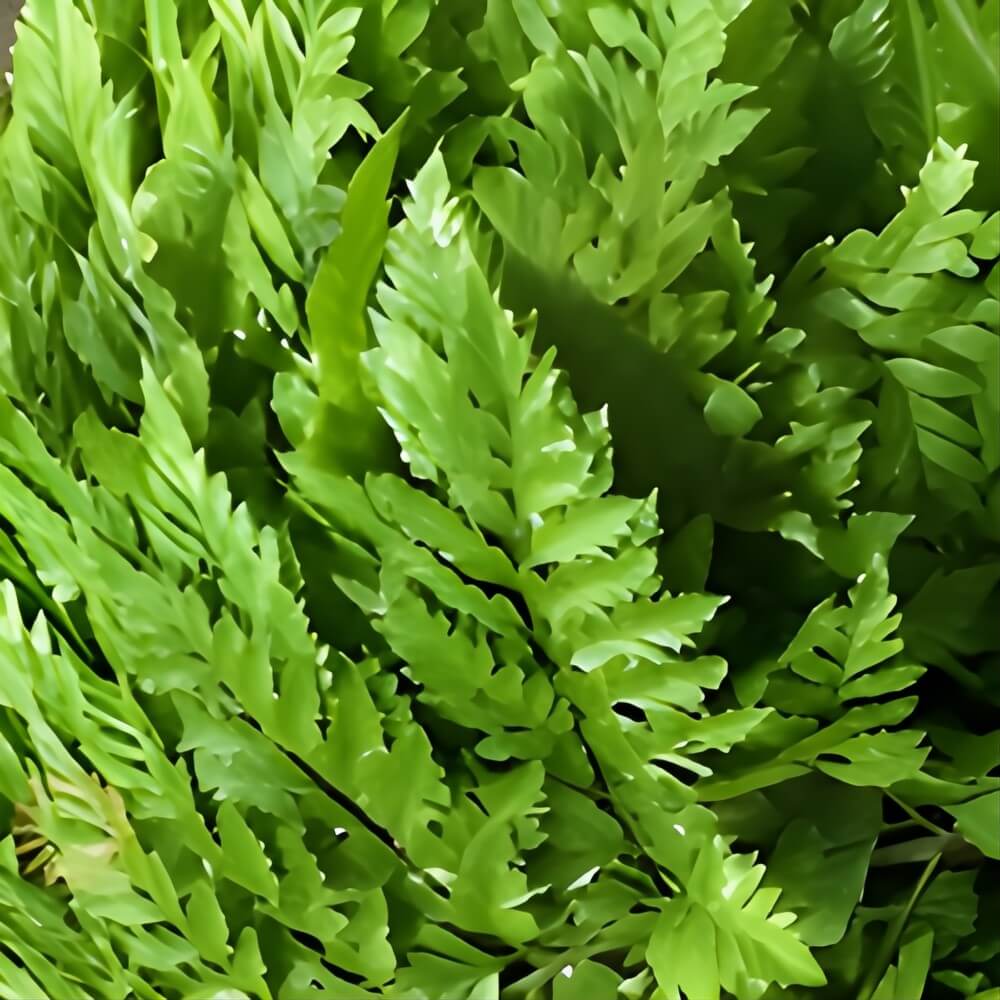
- Ferns: Maidenhair, leather leaf, tree fern.
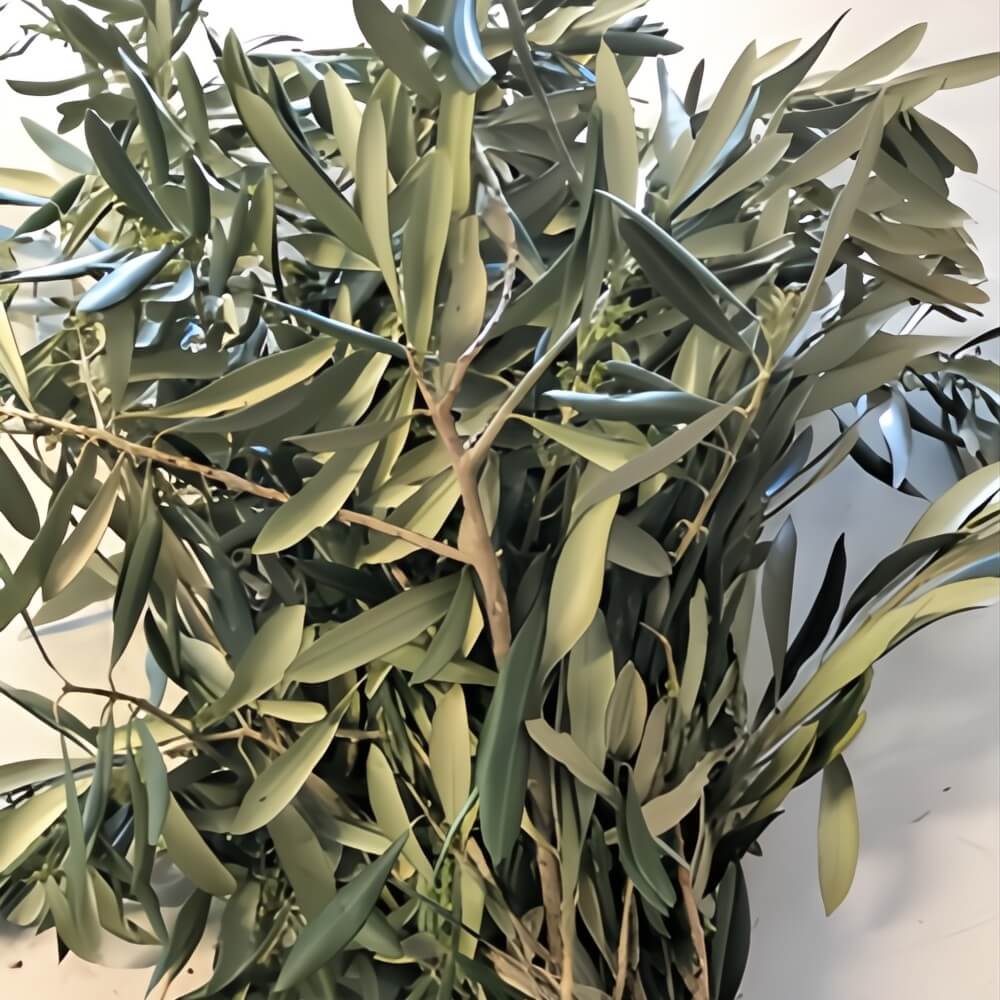
- Olive branches: Mediterranean charm


How to Choose Flower Colors That Work Together
Here's where things get really fun! Color can make or break your arrangement, but once you understand a few basic principles, you can create cohesive and intentional combinations that look like they were designed by Mother Nature herself.
What Flower Colors Say: Color Psychology
Different colors evoke different emotions:
- White: Purity, elegance, peace.
- Blush: Romance, warmth, sensitivity.
- Pink: Romance, gentleness, joy.
- Red: Passion, energy, love.
- Burgundy: Passion, power, beauty.
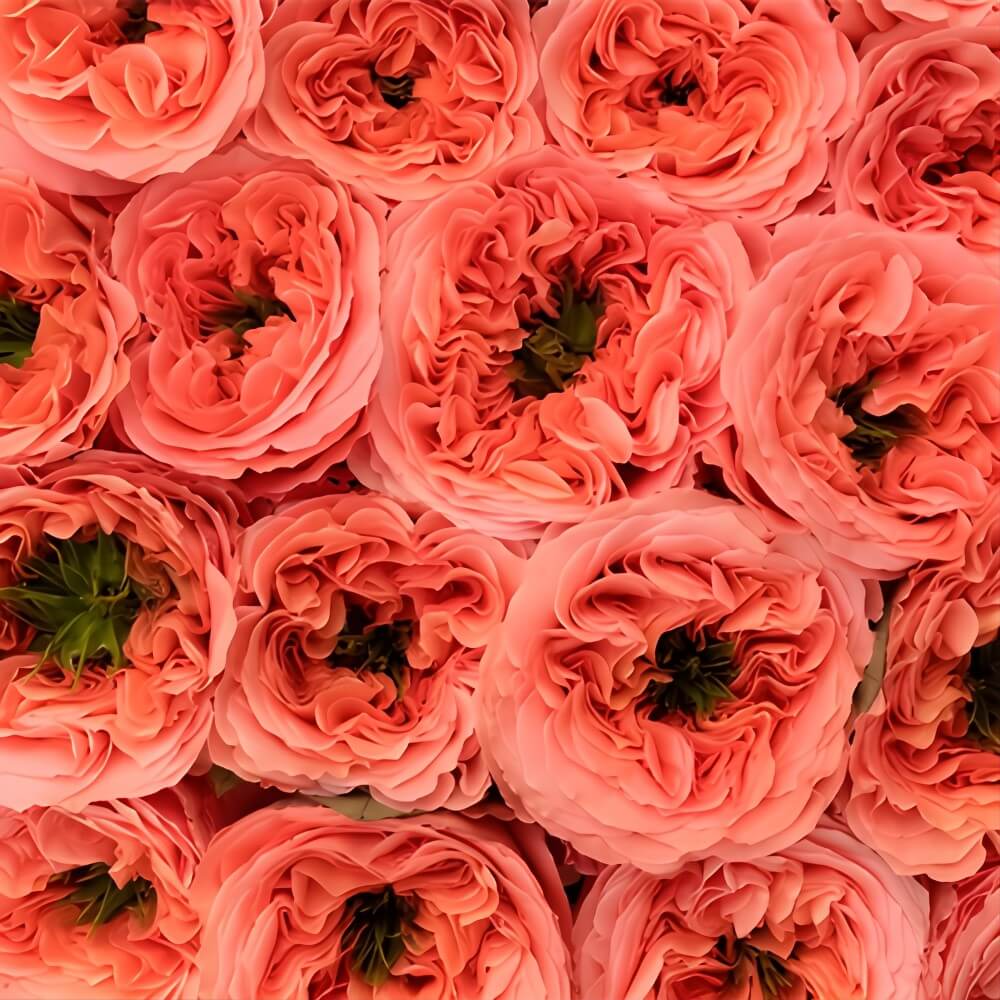
- Coral: Desire, enthusiasm, energy.
- Cream: Devotion, affection, appreciation.
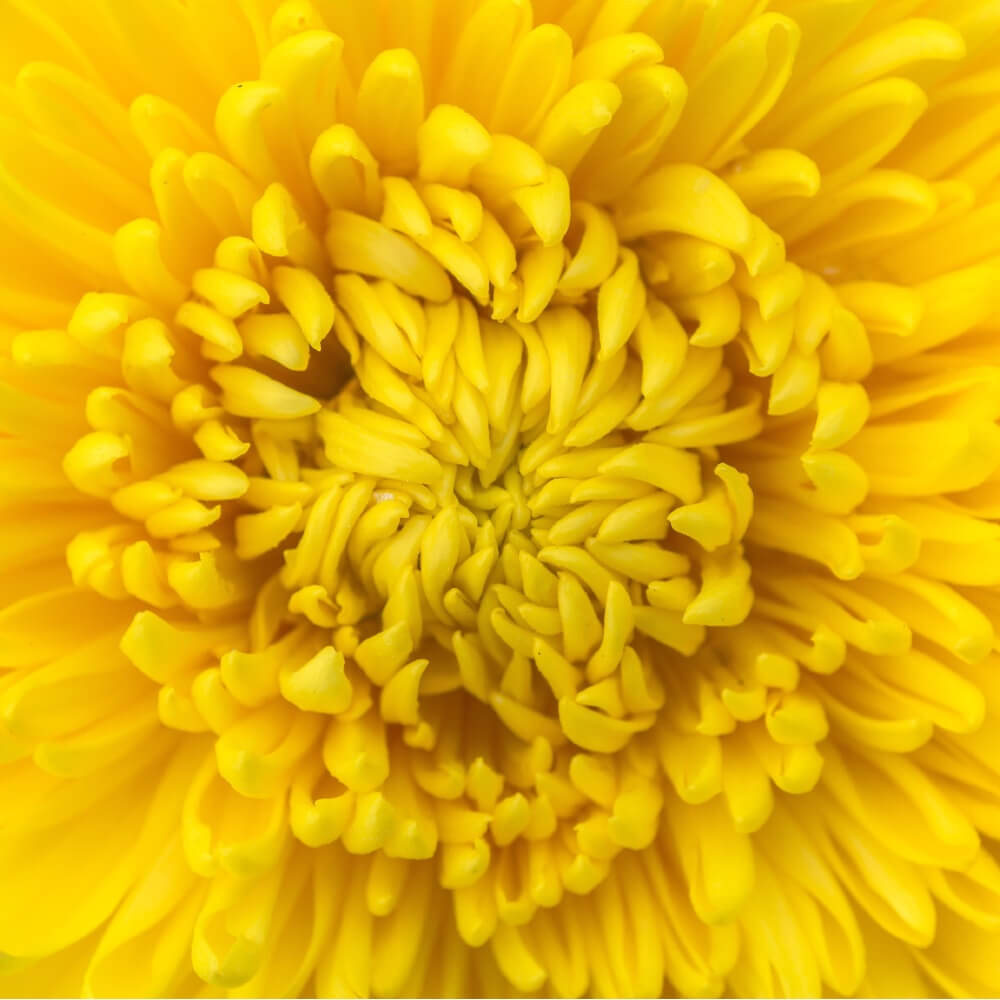
- Yellow: Happiness, friendship, optimism.
- Purple: Luxury, mystery, creativity.
- Blue: Tranquility, trust, stability.
- Lavender: Peace, tranquility, grace.
- Orange: Enthusiasm, adventure, confidence.





Easy Color Palettes for DIY Floral Design
Monochromatic Flower Combinations
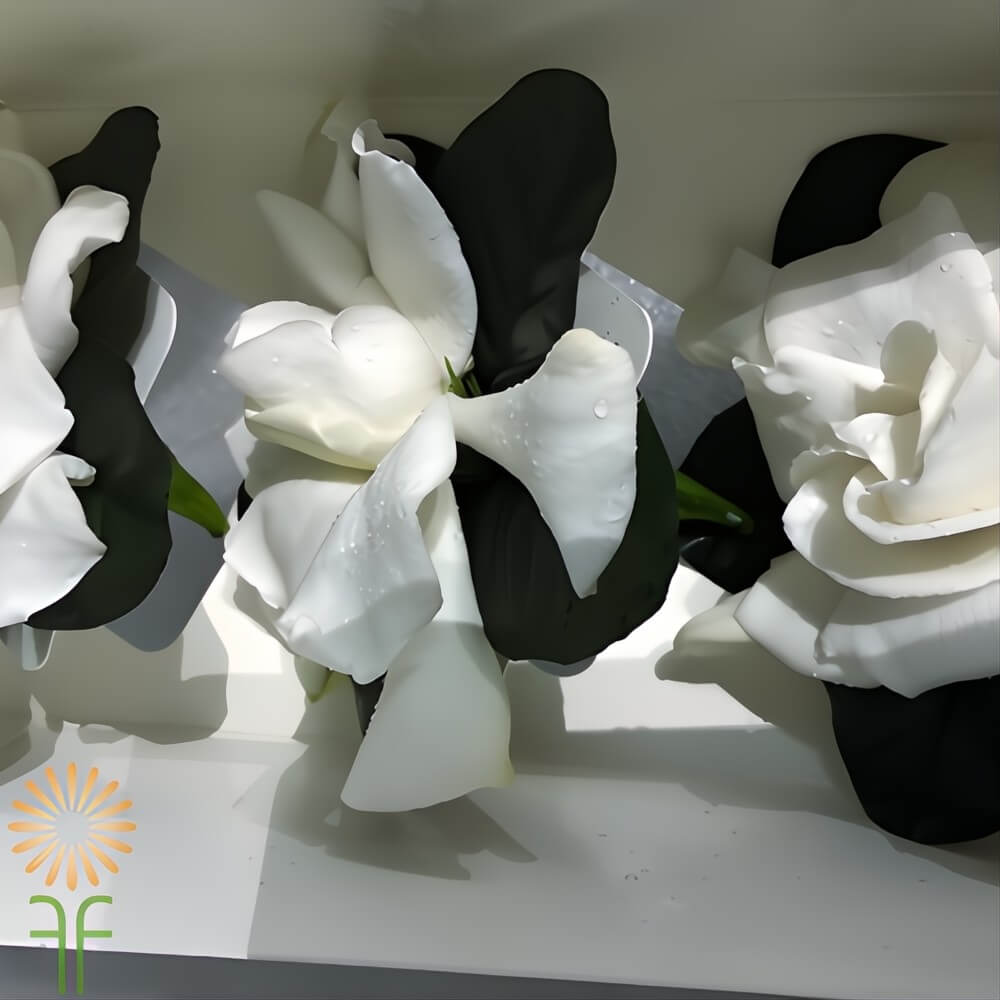
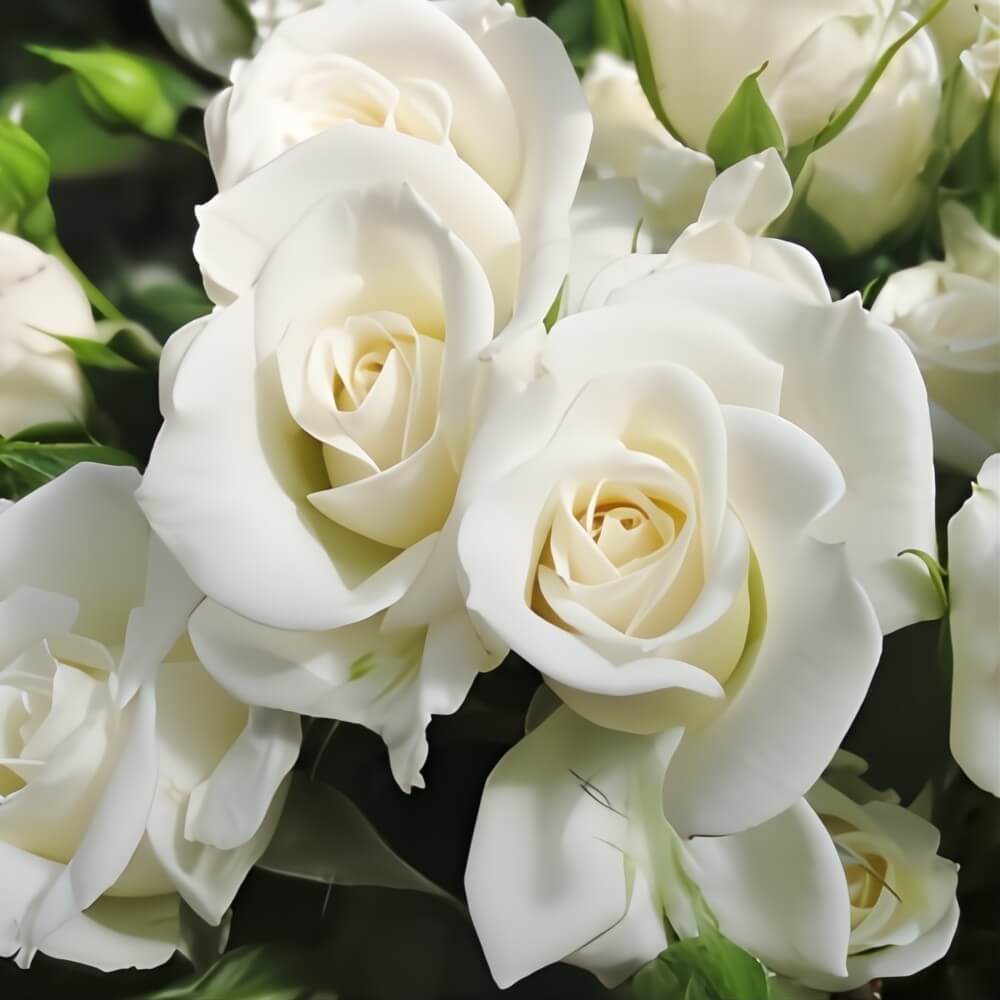
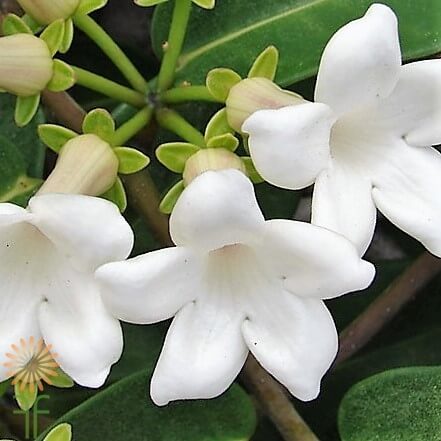
- All-white arrangement: Mix gardenias, white roses, and stephanotis.
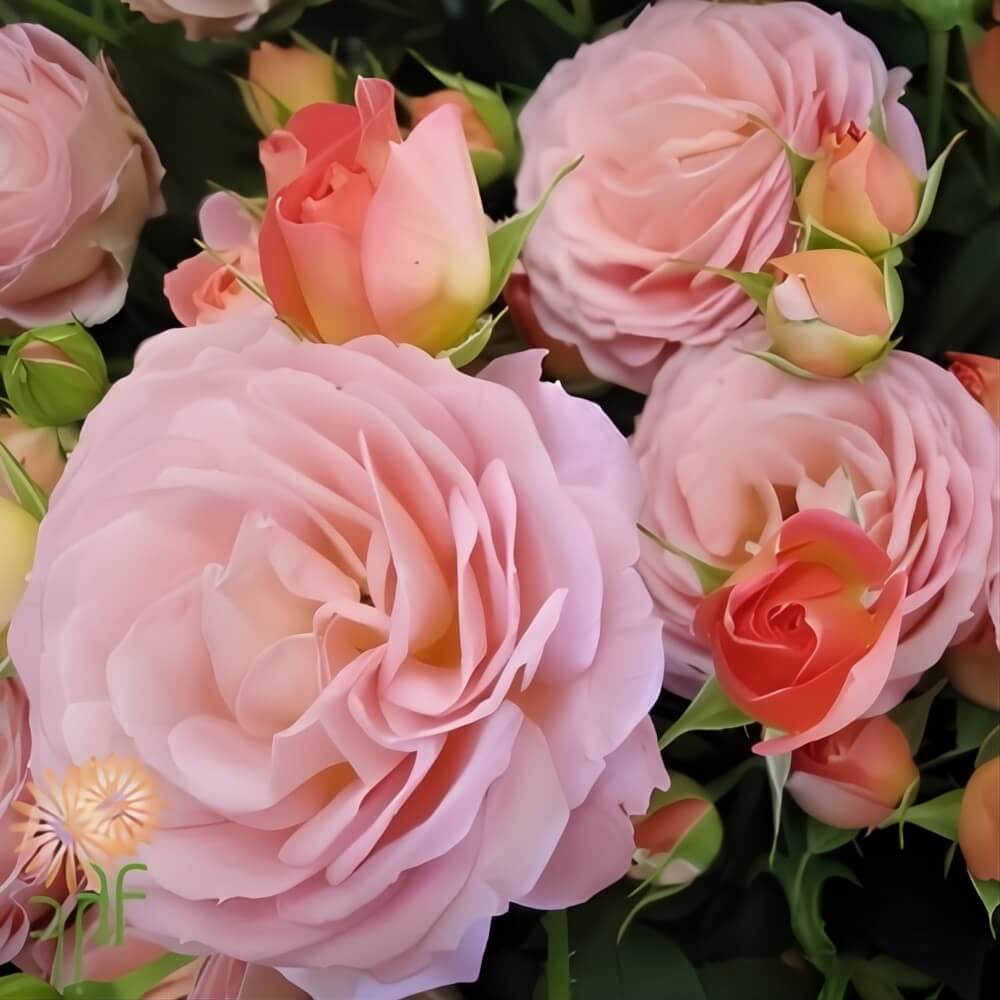
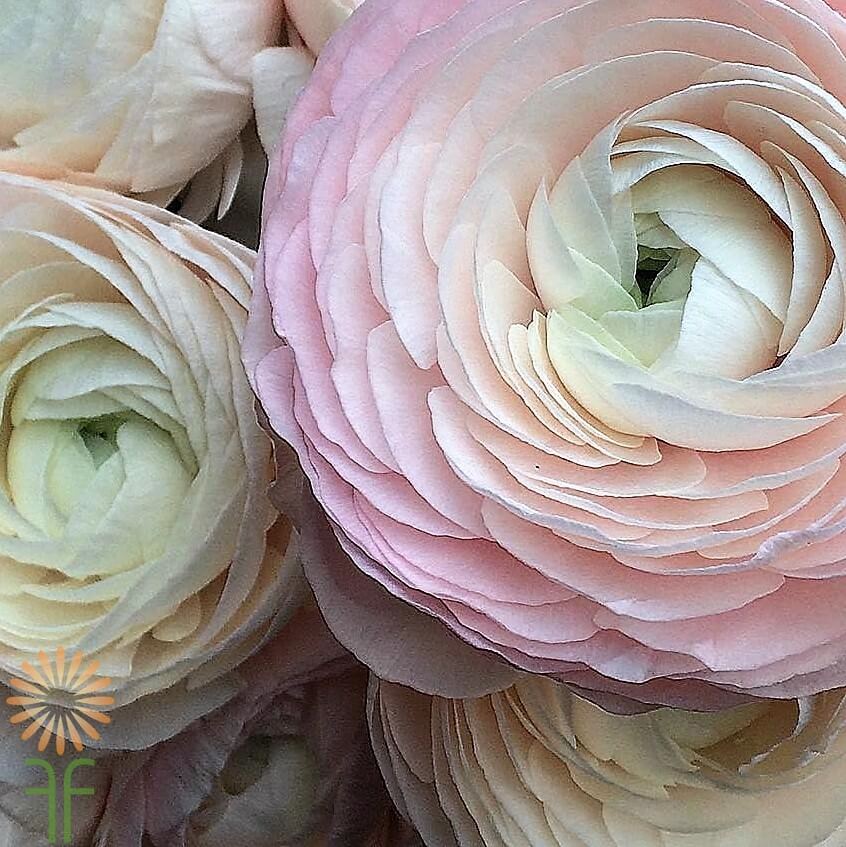
- Pink palette: Blend pale pink roses, deep pink peonies, and blush ranunculus.
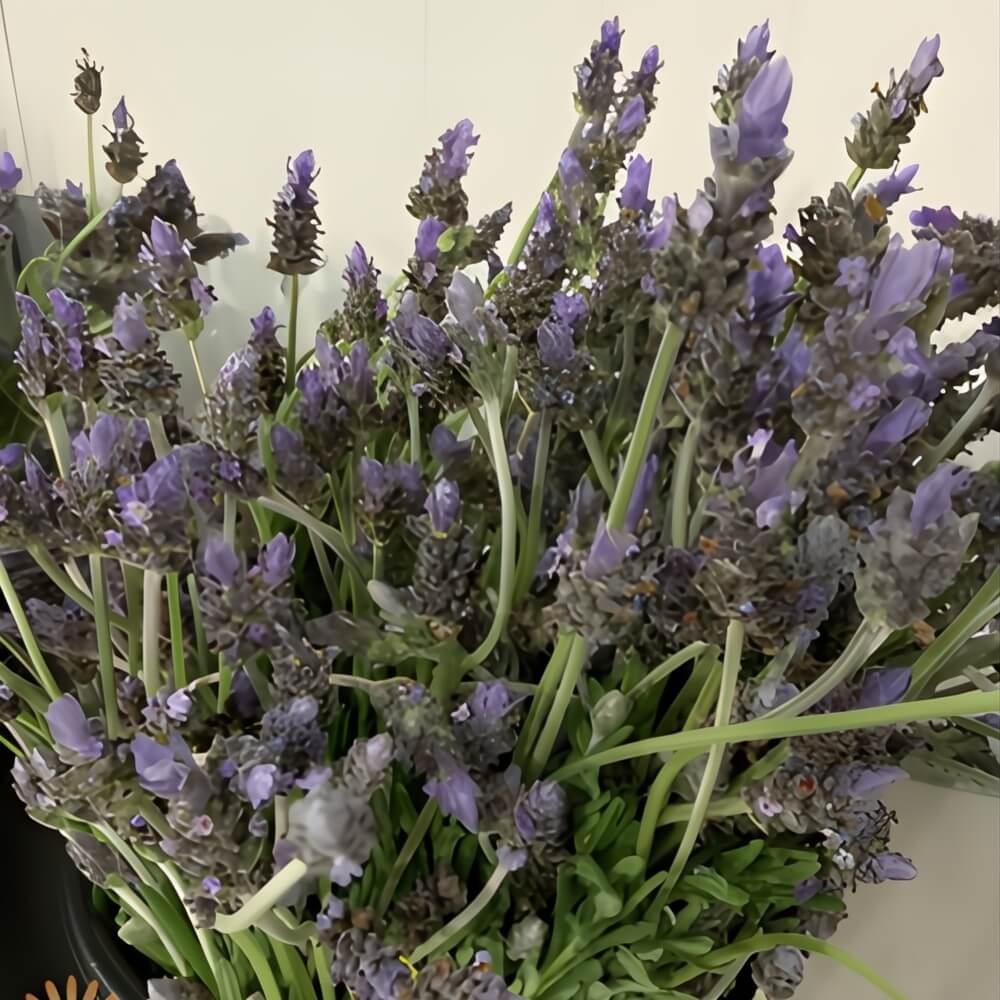
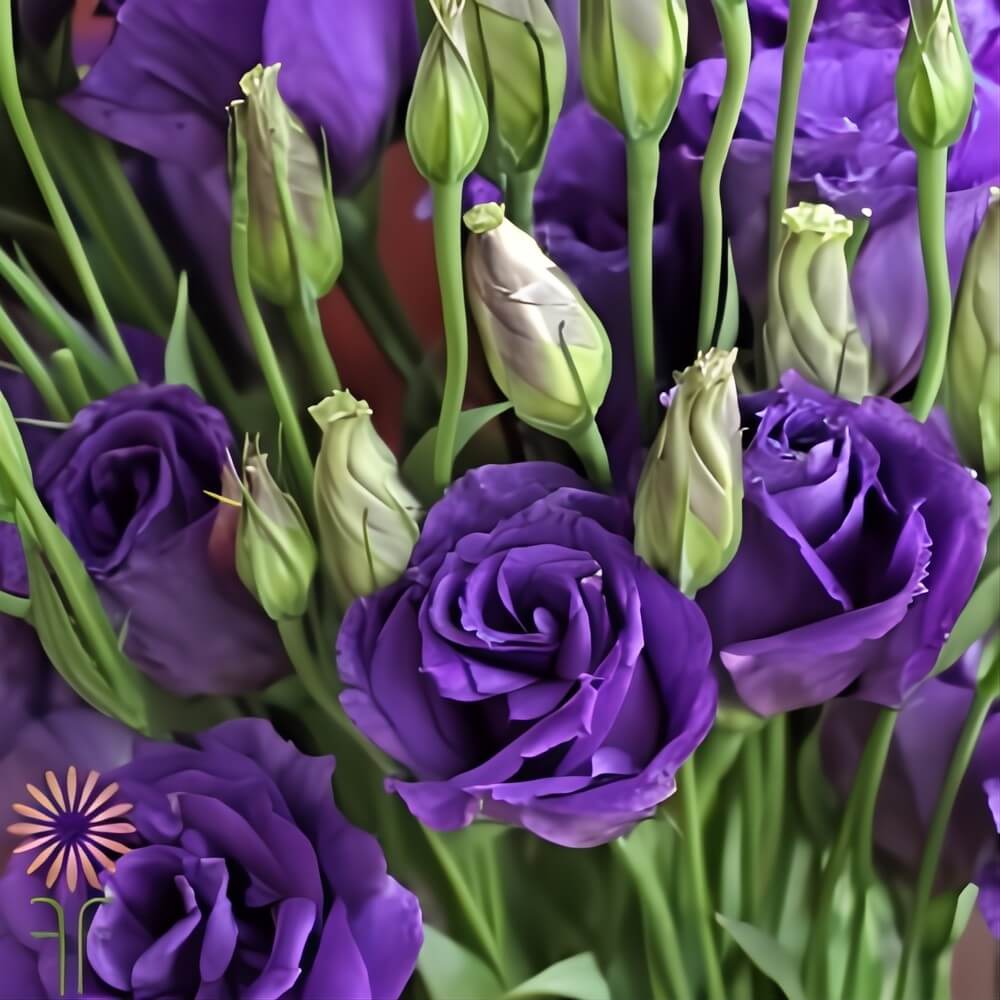
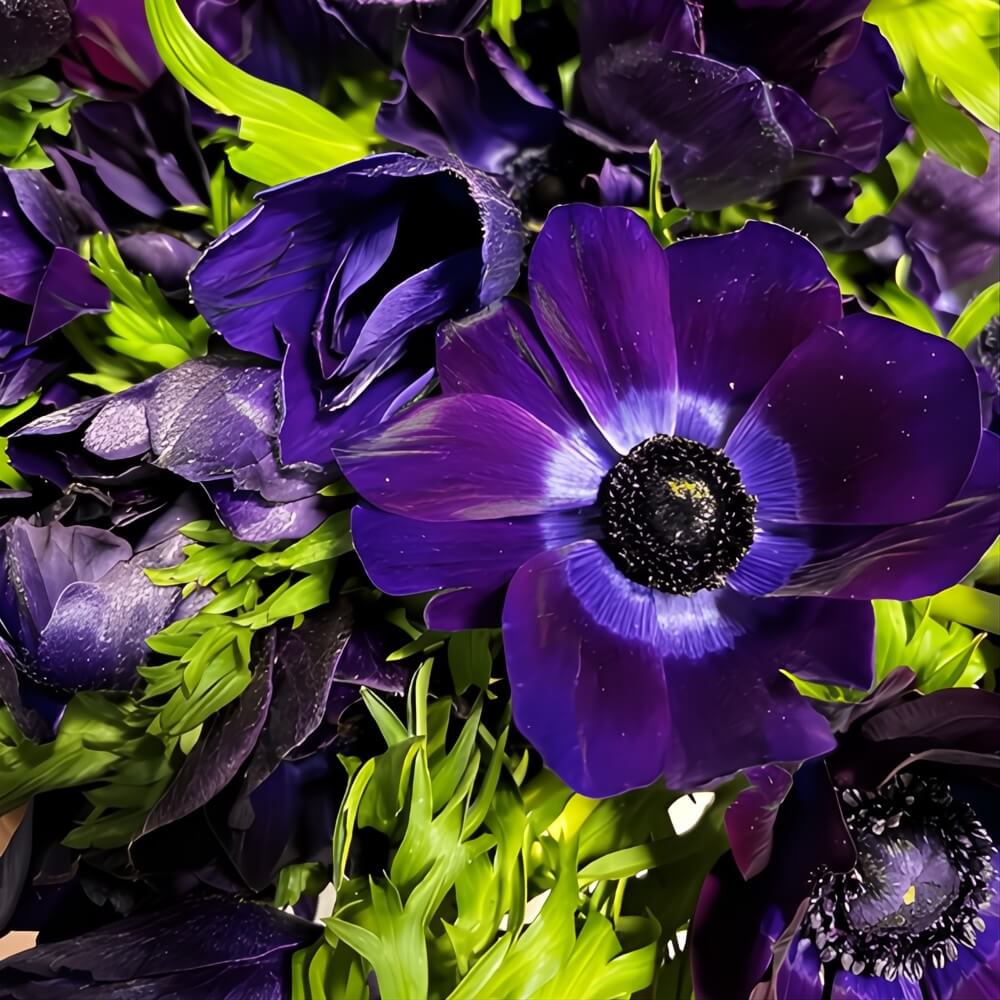
- Purple paradise: Combine lavender, purple lisianthus, and deep purple anemones.

Analogous Color Palettes for Flowers
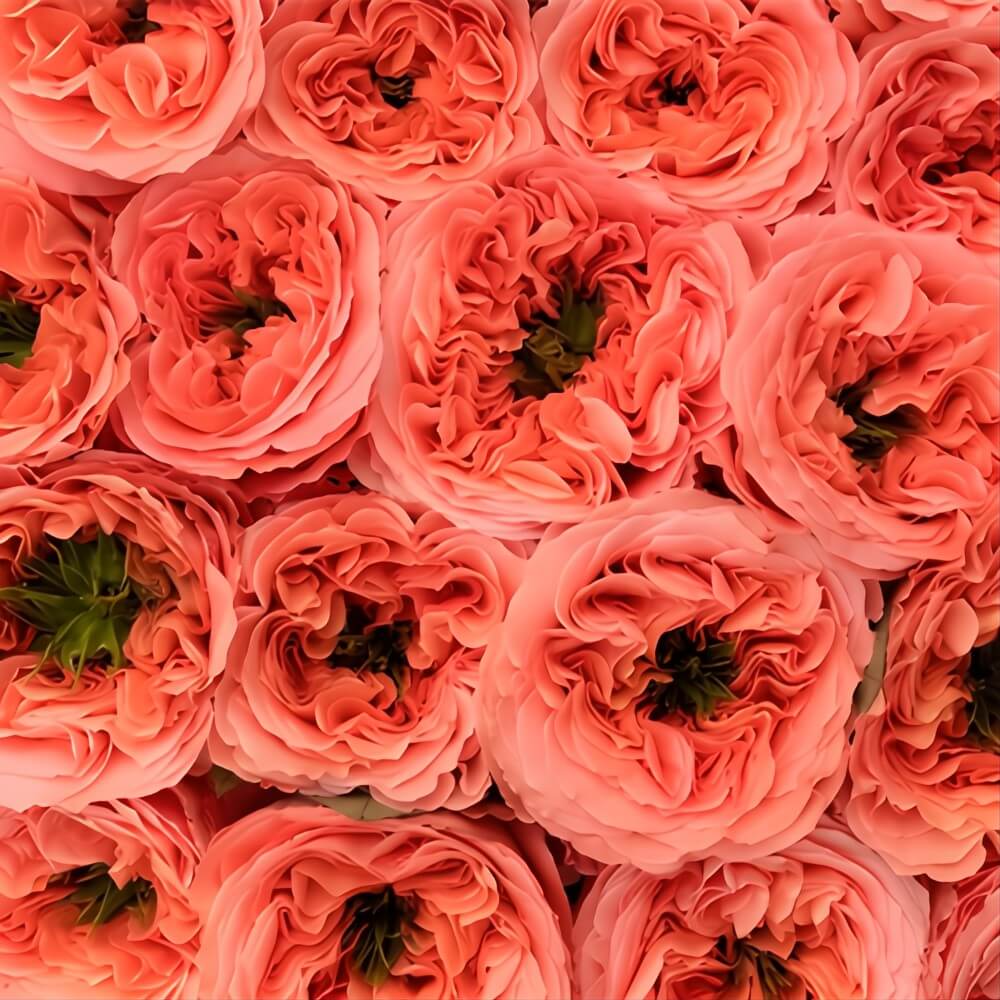
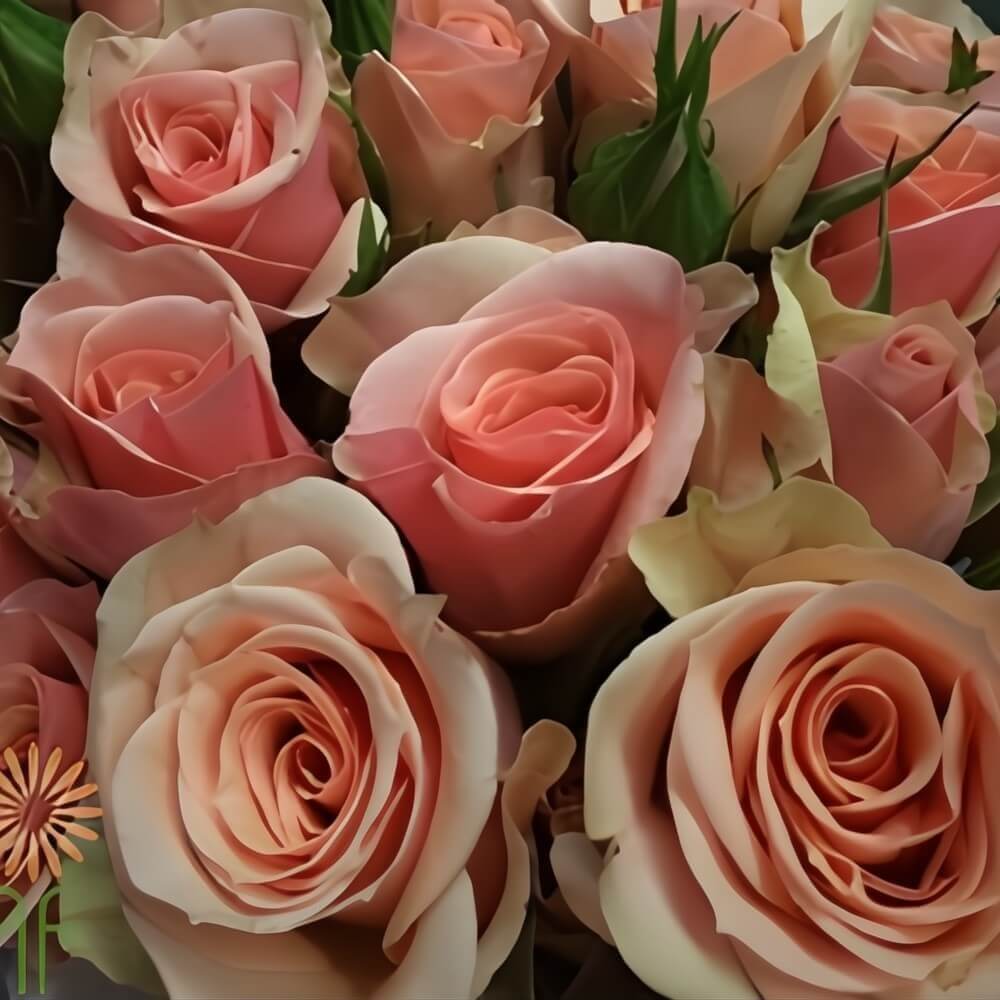
- Sunset blend: Orange ranunculus, coral roses, and peach spray roses.
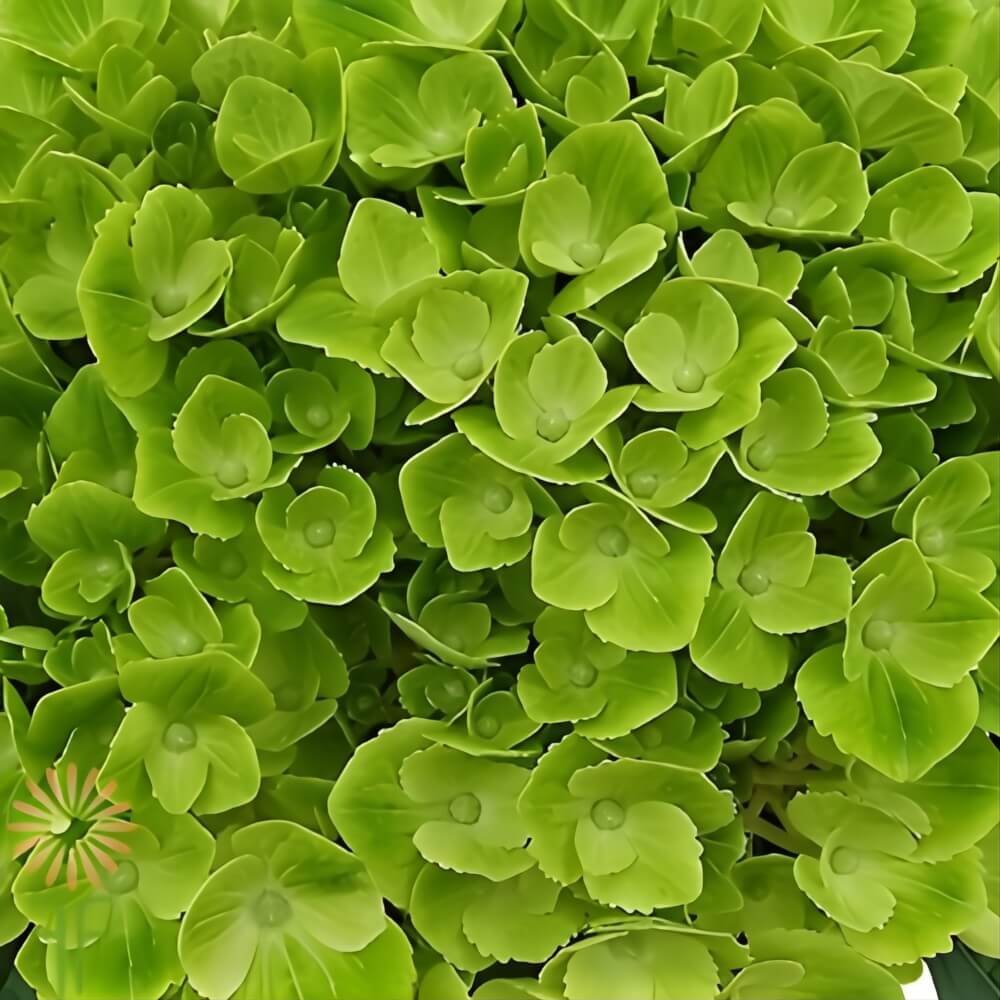
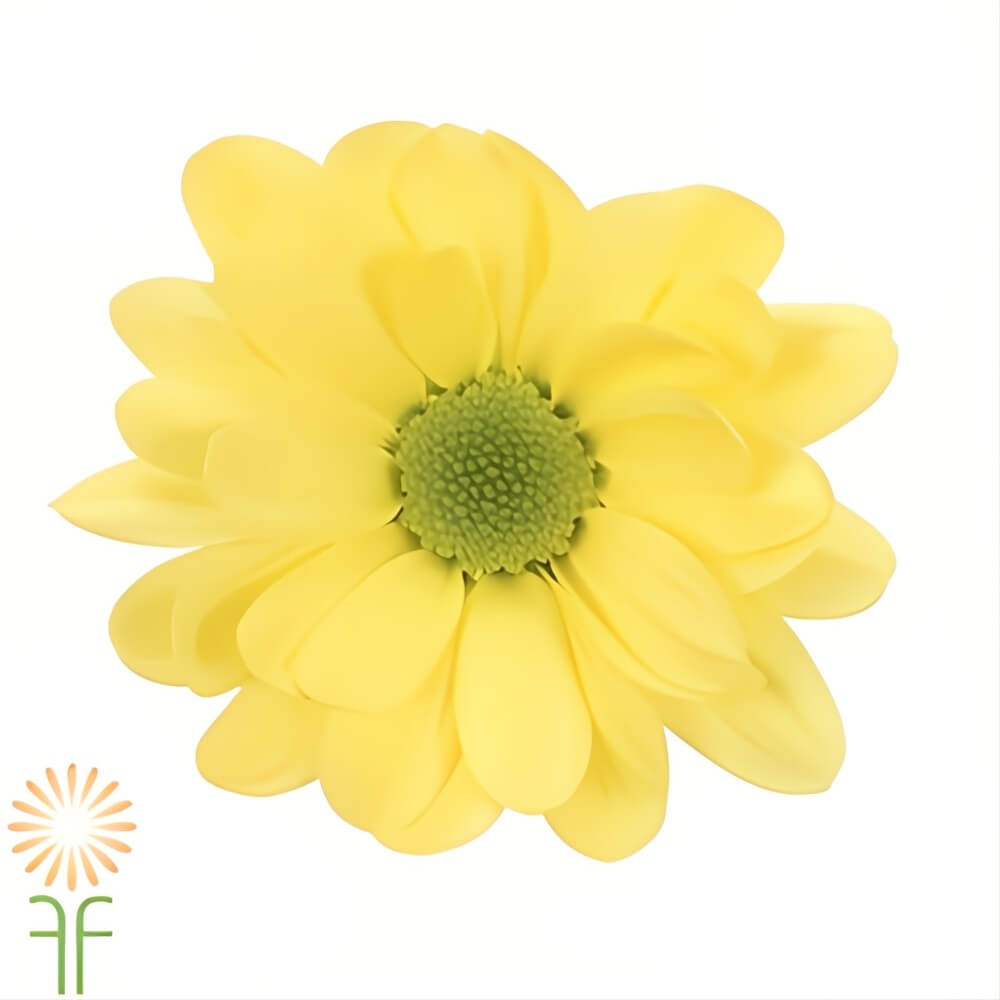
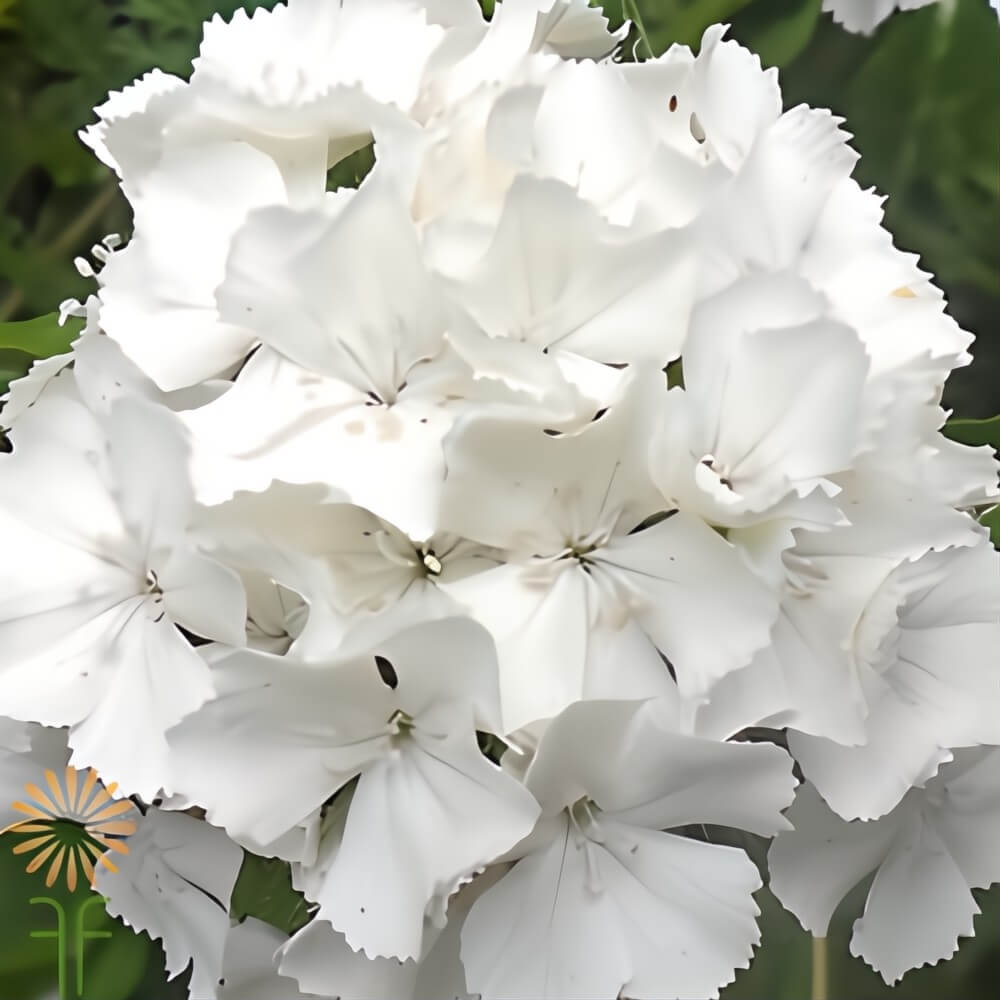
- Forest feels: Green hydrangeas, chartreuse chrysanthemums, and white flowers.
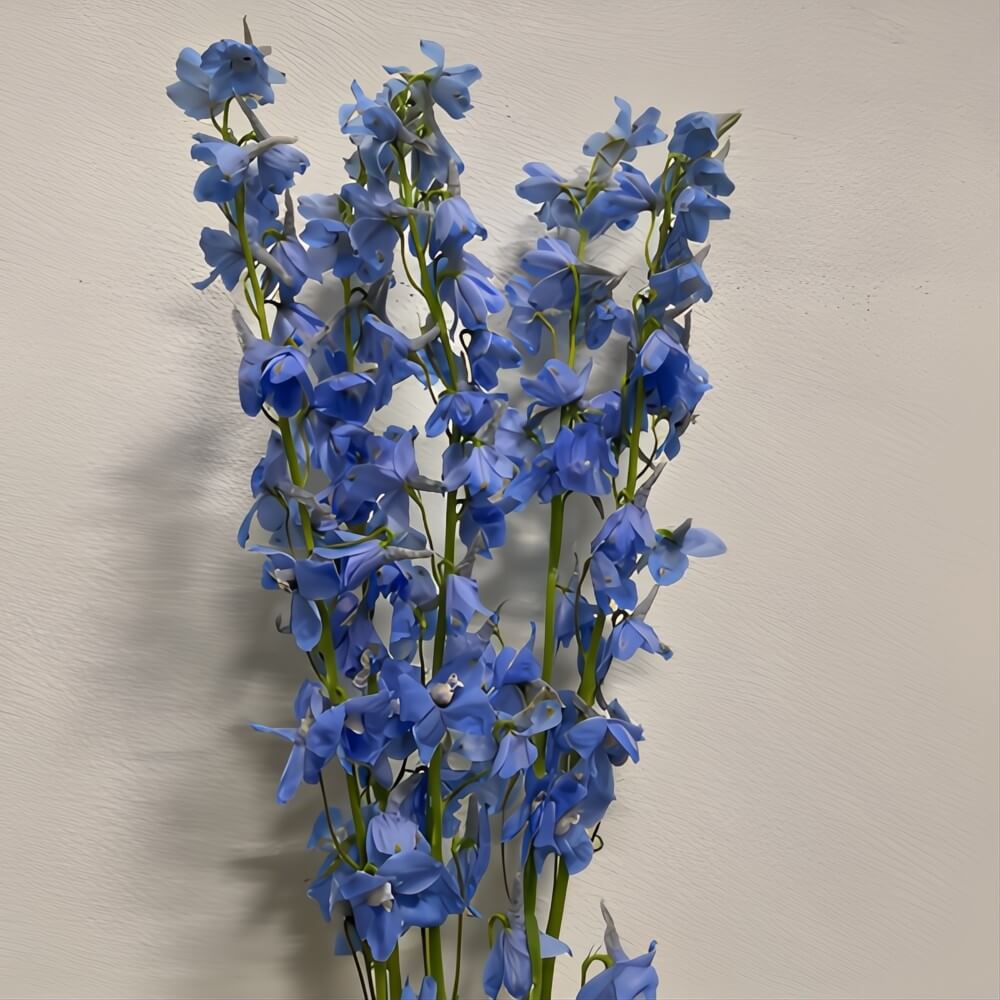
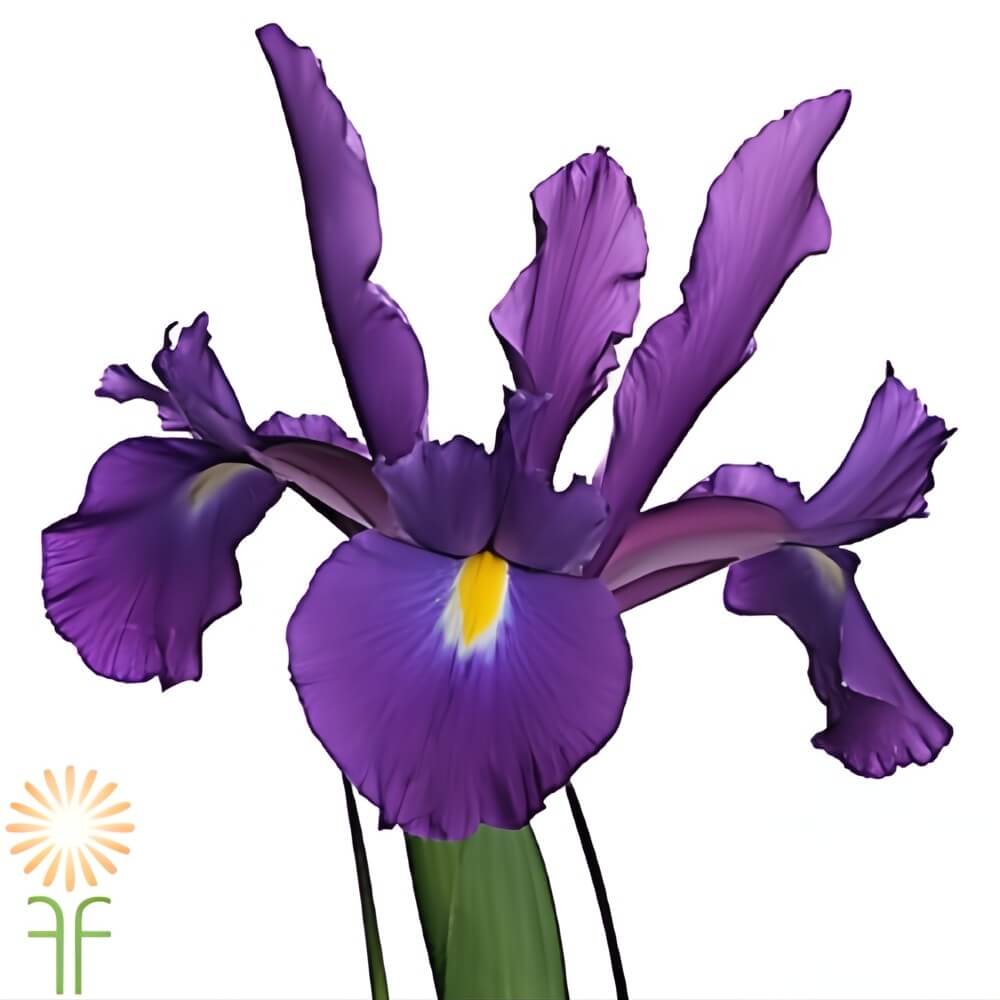
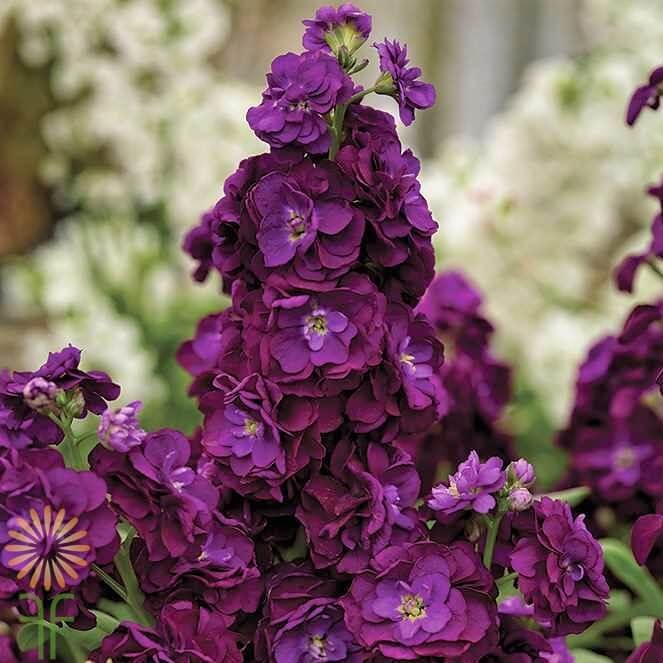
- Ocean vibes: Blue delphinium, purple iris, and violet stock.
Bold Flower Pairings with Complementary Colors
Purple and yellow: Purple iris with sunflowers.
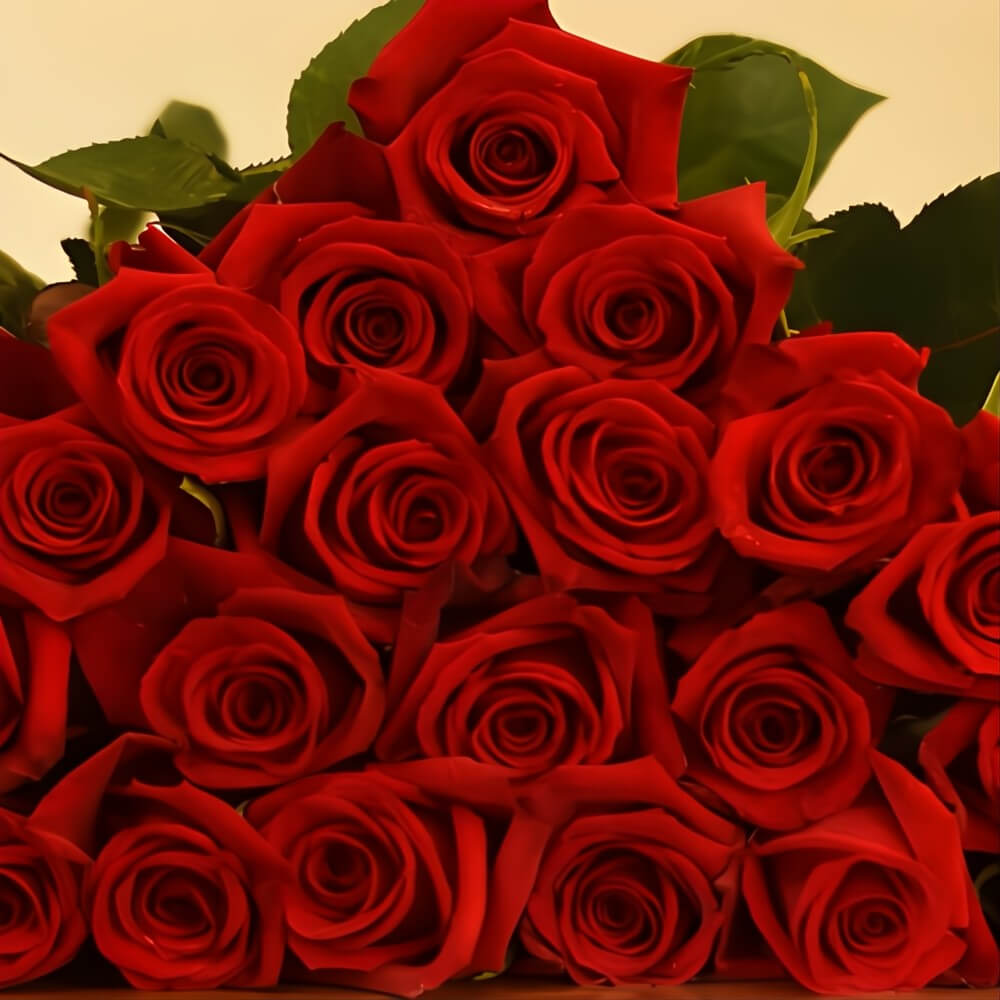
Red and green: Red roses with bells of Ireland.
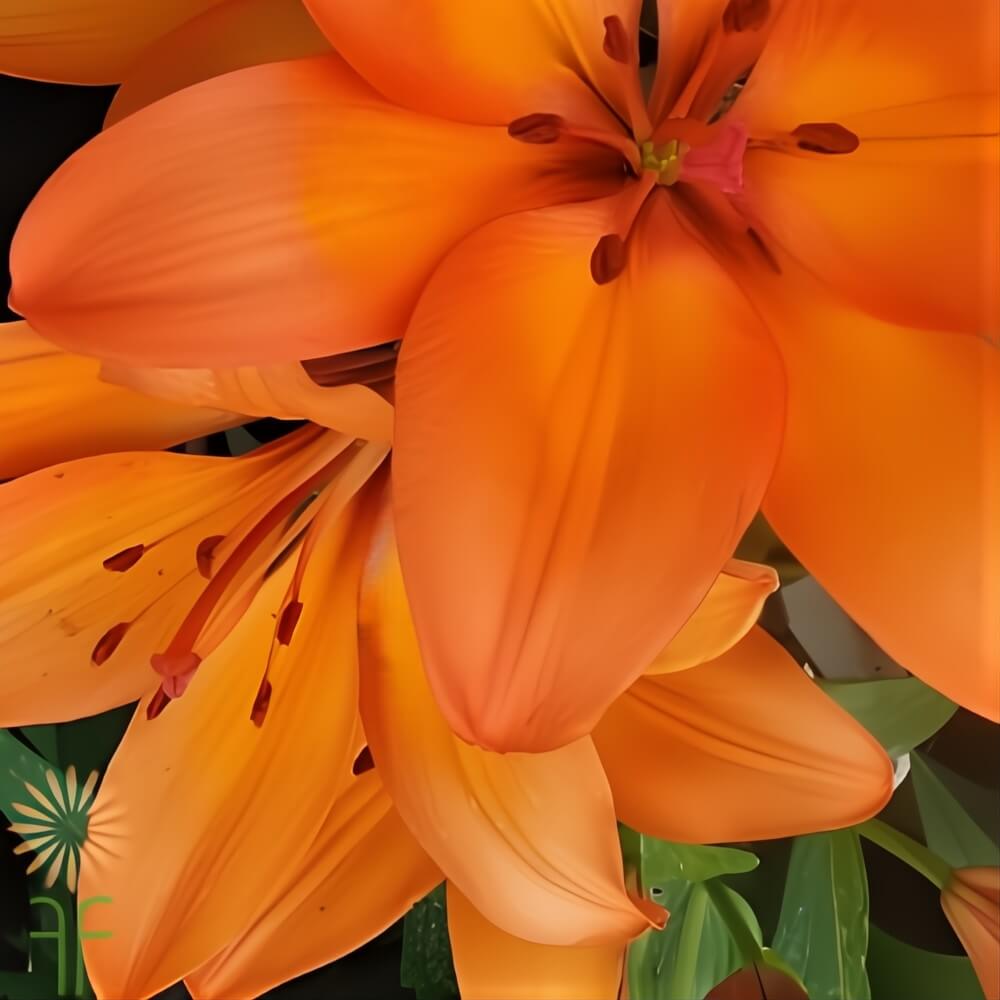
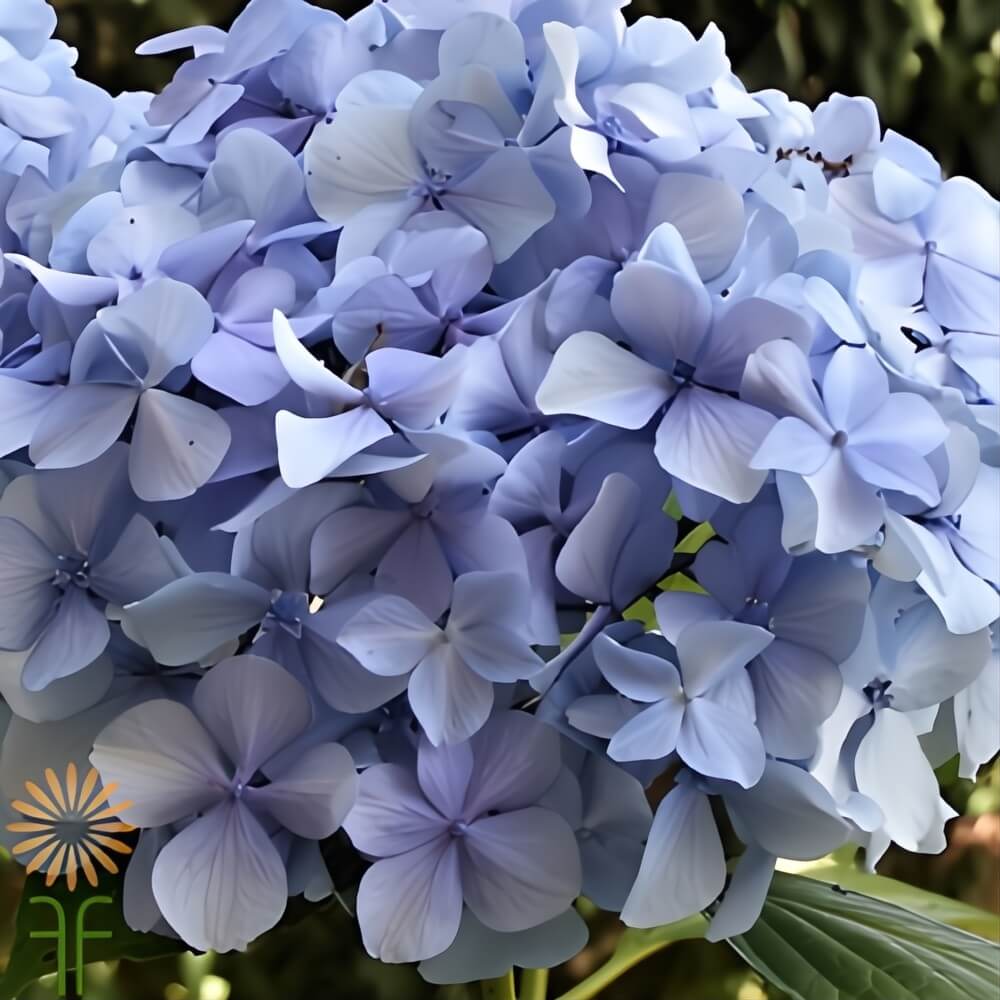
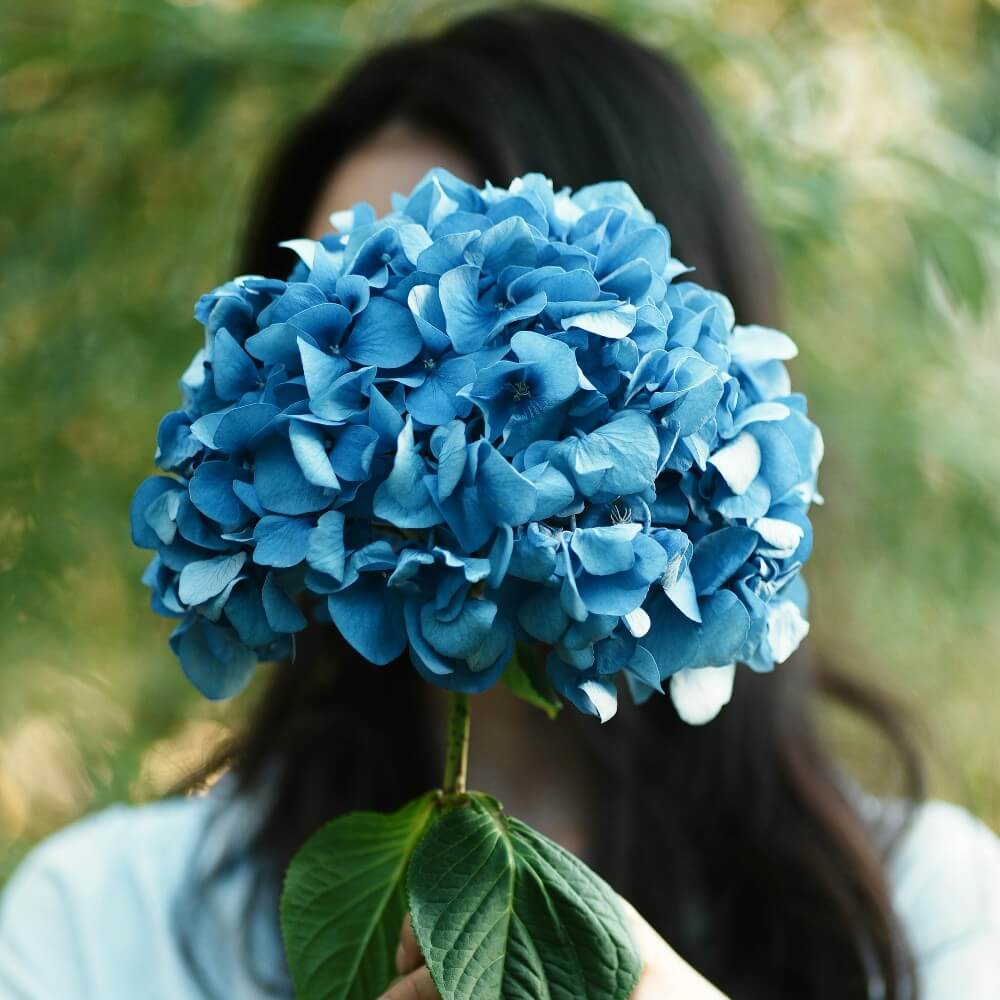
Orange and blue: Orange lilies with blue hydrangeas.


Free Video Tutorials: Mastering Color in Flower Arranging
The videos below are featured from J Schwanke’s award-winning PBS series Life in Bloom and his extensive subscription library at watch.ubloom.com.
J has generously granted free access to these select videos for our visitors — content that’s normally behind a paywall.
The first time you click a video, you’ll be prompted to create a free uBloom account. Once registered, you’ll be able to view all listed videos without needing to sign up again.
A huge thank-you to J for sharing his expertise with our community.
If you’re looking for more guidance in designing your dream DIY floral arrangements, we highly recommend exploring a uBloom All Access Subscription — over 1,600 floral design videos for just $7.99/month.
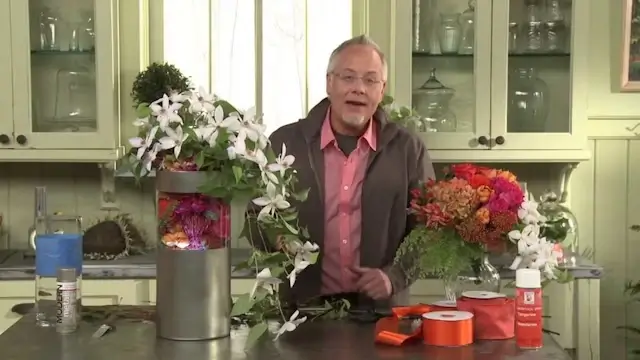
How to use color blocking in Flower arrangements!
Learn how to use Color Blocking in your Flower Arrangements.
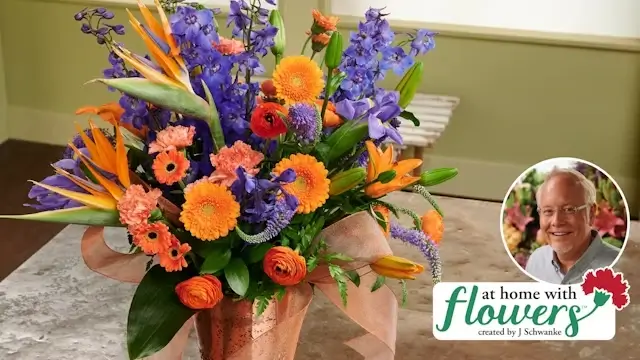
Complimentary Arrangement
Complimentary Colors are colors that are opposite another on the color wheel. Complimentary Colors cause excitement.
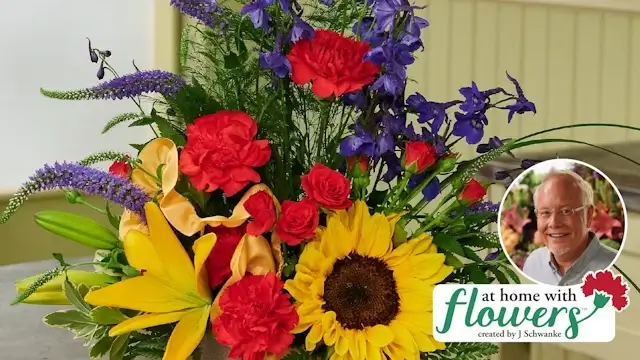
Triadic Arrangement
Primary Colors- Yellow, Red and Blue- these are the basic colors that start the color wheel.
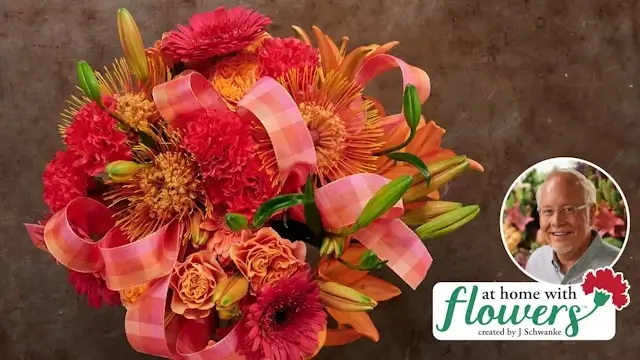
Analogous Arrangement
Analogous Colors are colors that are next to one another on the color wheel.
How to Use Texture in Flower Arrangements
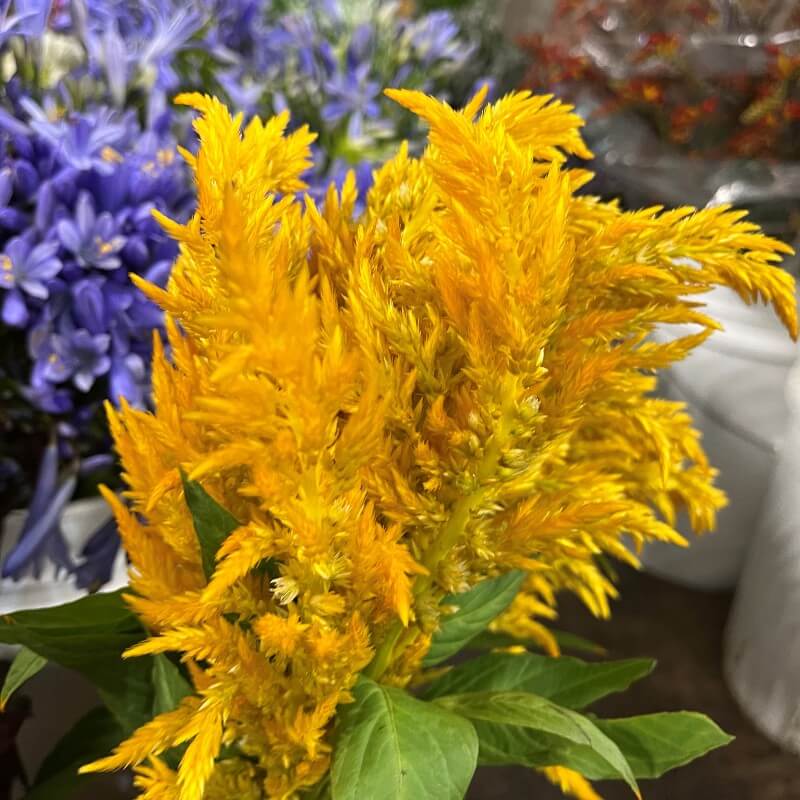
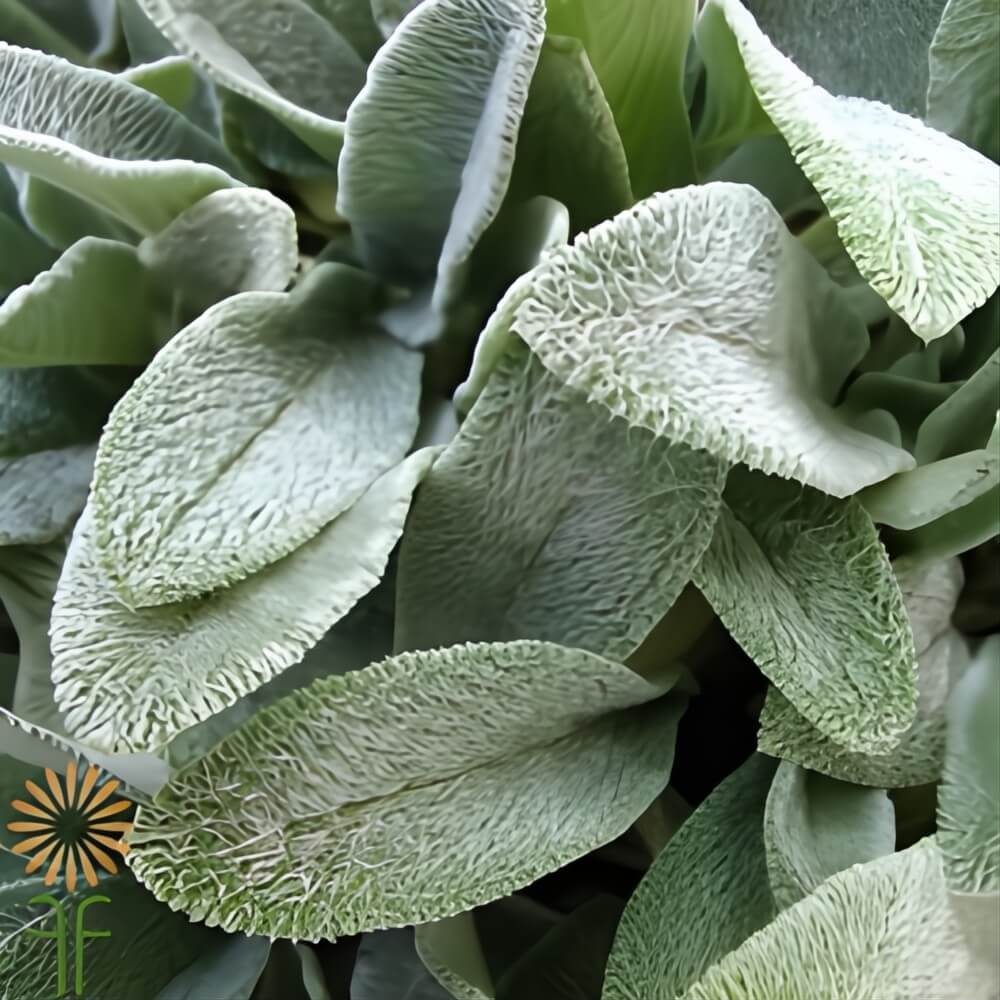
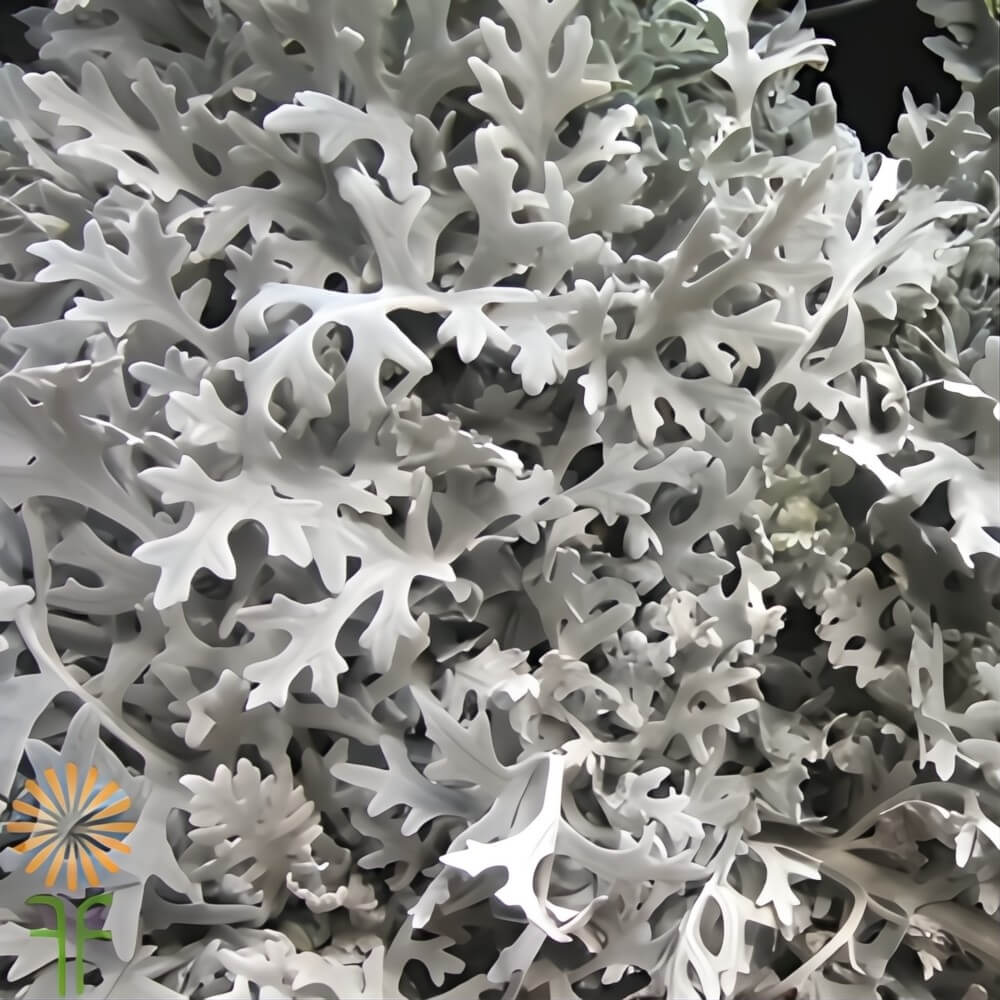
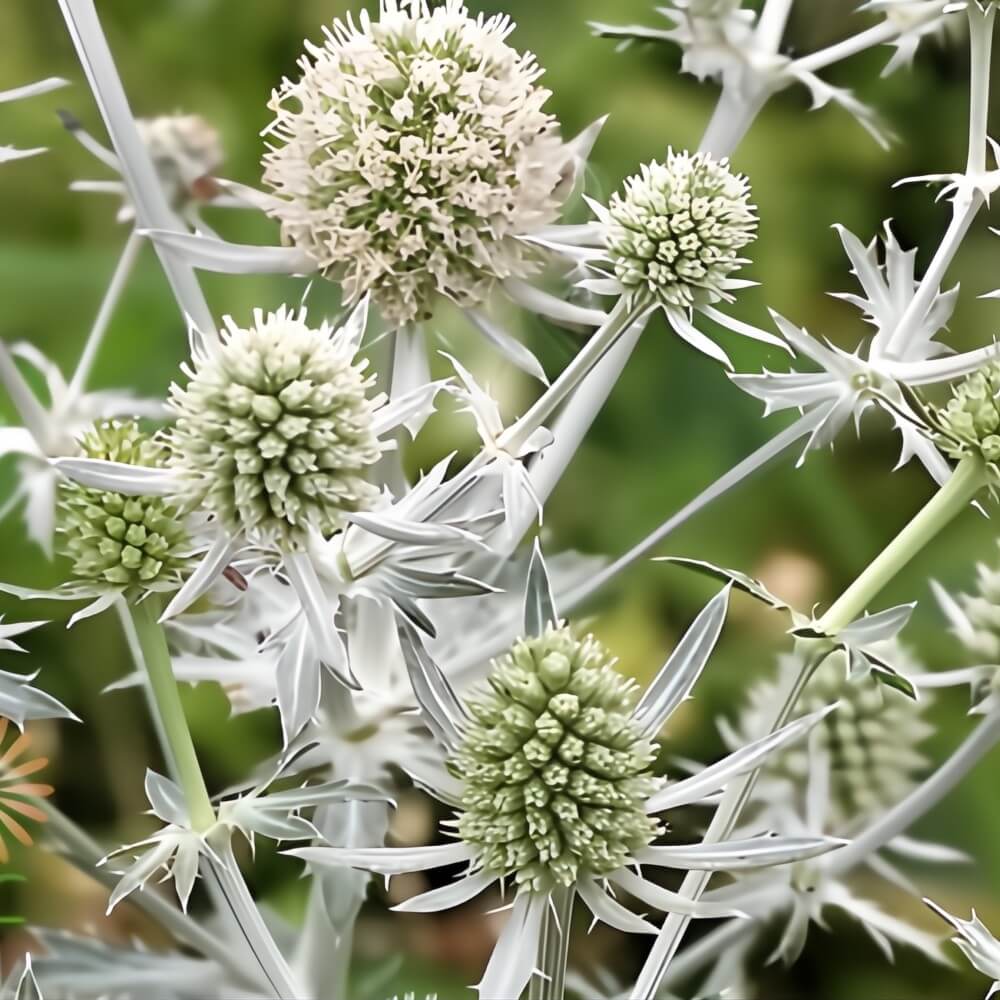
Texture adds depth and interest to your arrangements by combining smooth, spiky, and trailing elements. Here's how to master dynamic and balanced designs:
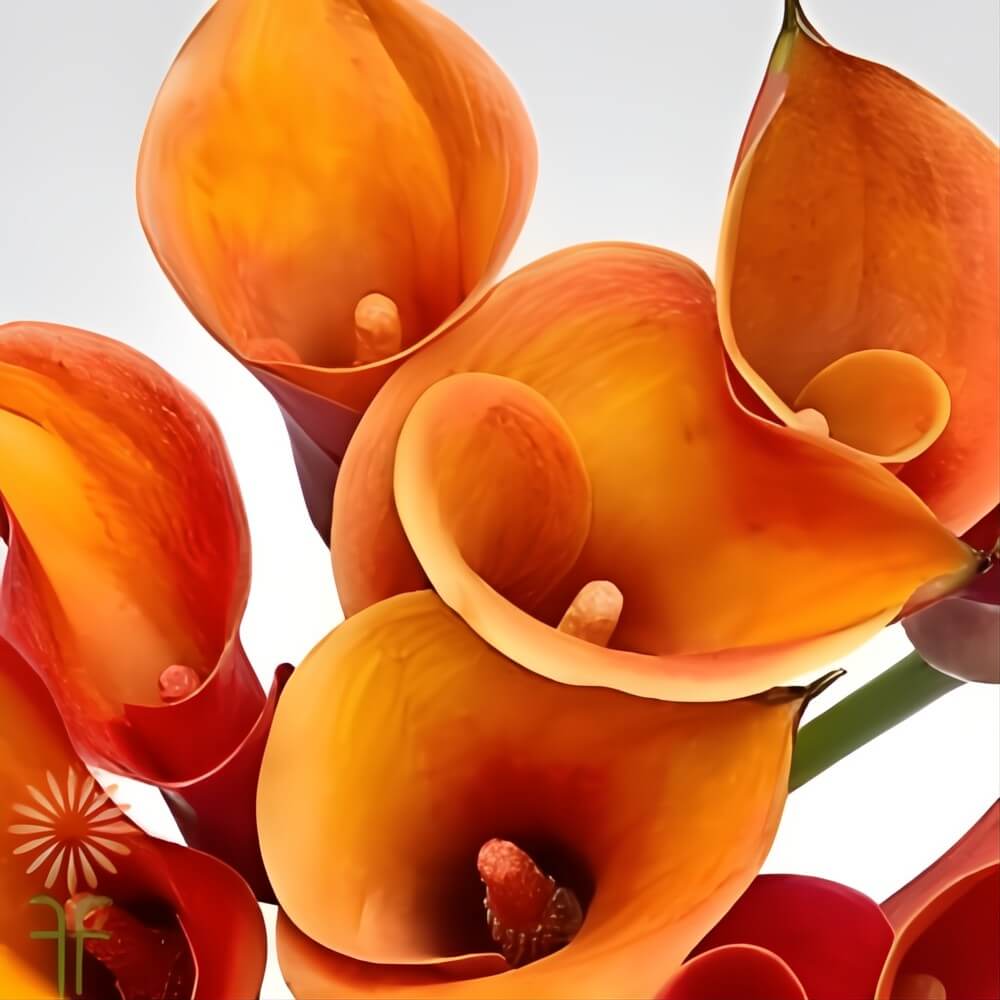
Smooth Flower Varieties
Fuzzy or Velvety Flowers
Spiky or Structured Flowers
Pro Tip: Play with contrasting textures. For instance, pair velvety roses with spiky eryngium and cascading greenery like jasmine.
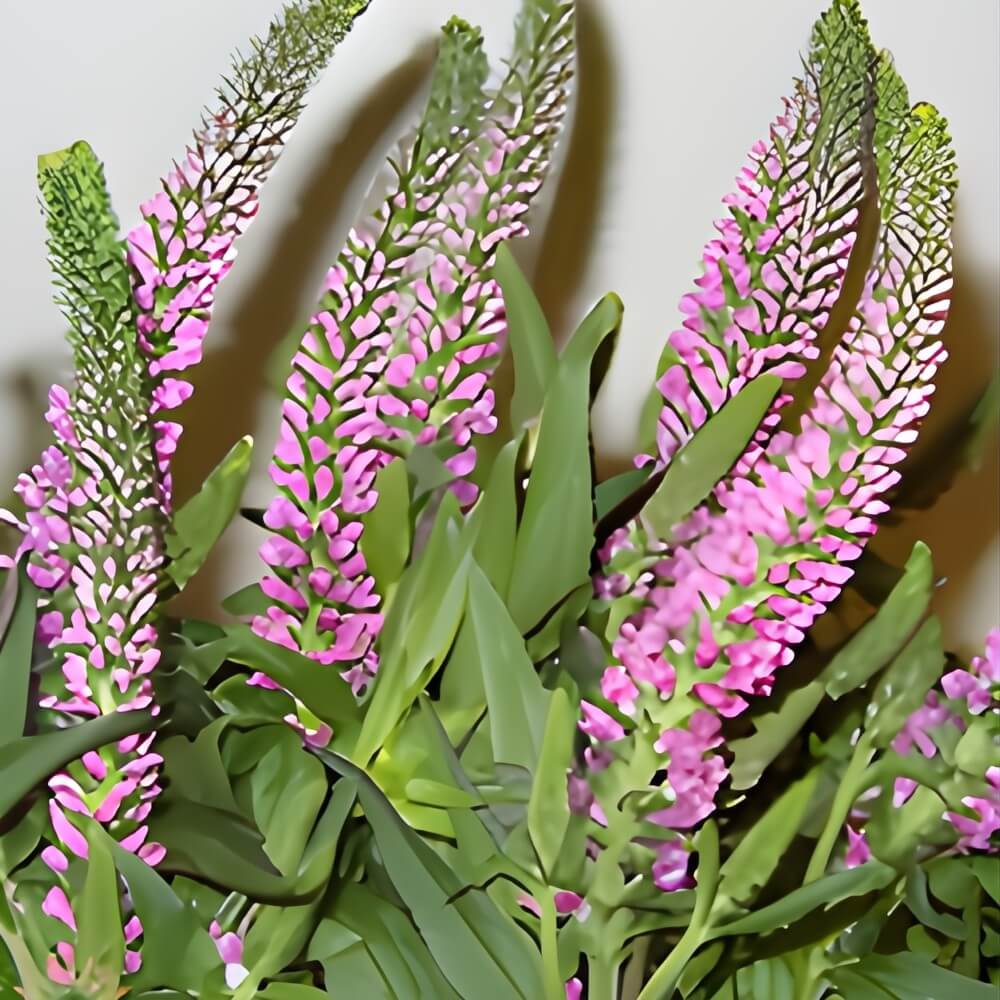
Scented Flowers: How to Choose and Combine Fragrances
An often-overlooked aspect of flower arranging is scent. Creating a beautifully fragrant arrangement requires careful consideration:
Flowers with Strong Fragrance
Moderately Scented Flowers
Lightly Scented or Unscented Options
Tips for Scented Floral Designs
- For dining tables, keep the fragrance subtle.
- Layer different scents carefully.
- Consider the room size.
- Remember that scent increases with temperature.
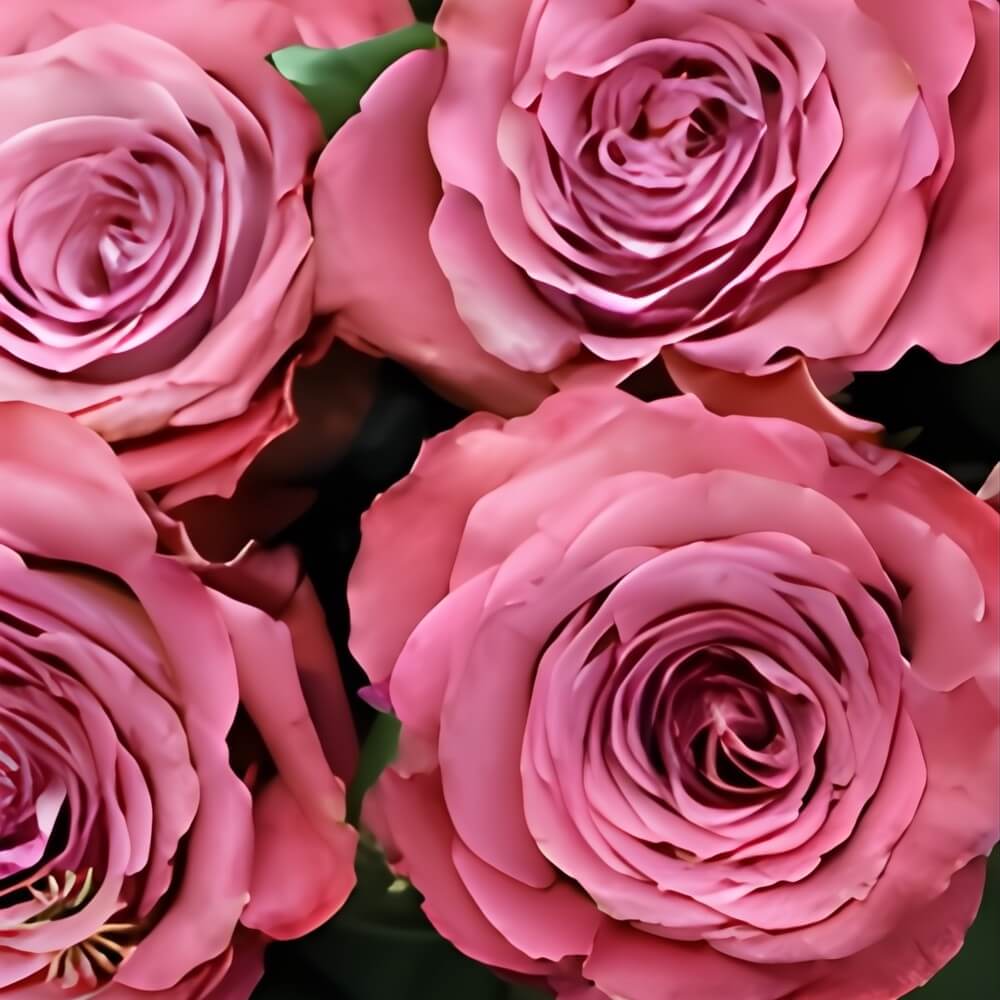

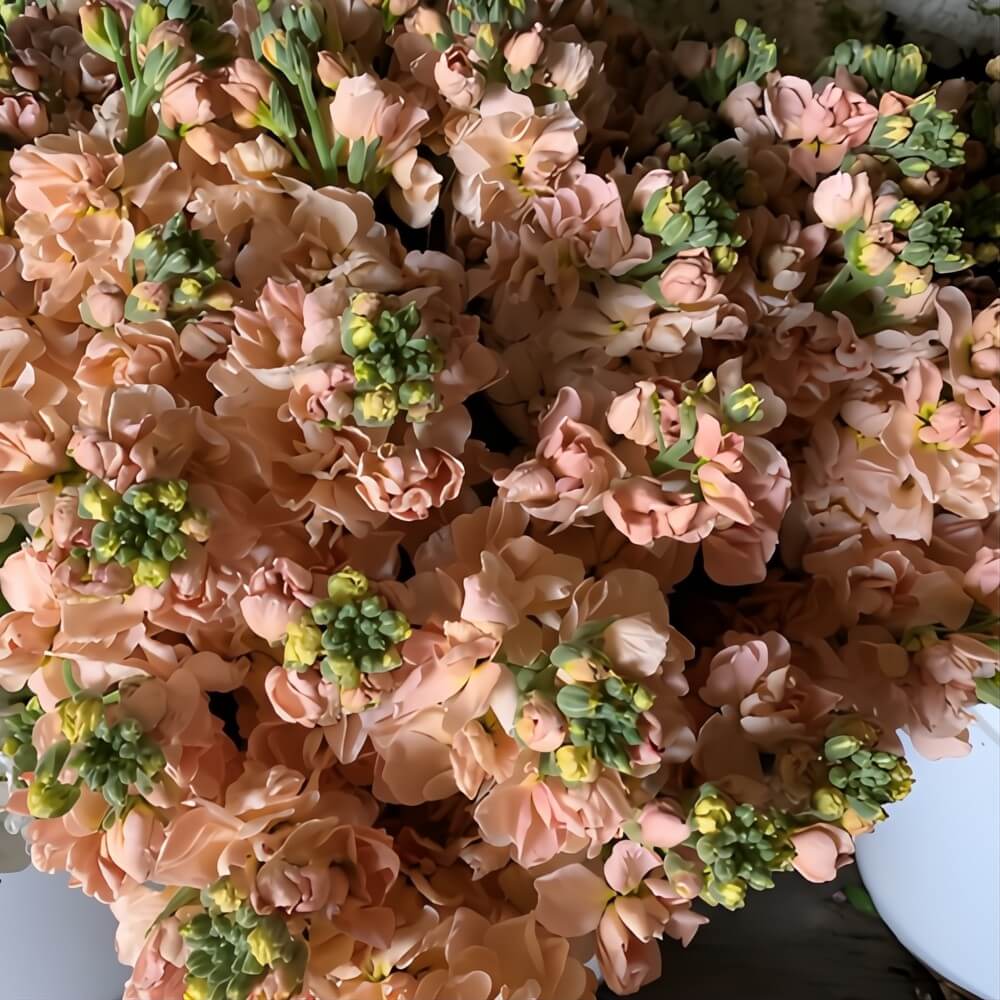
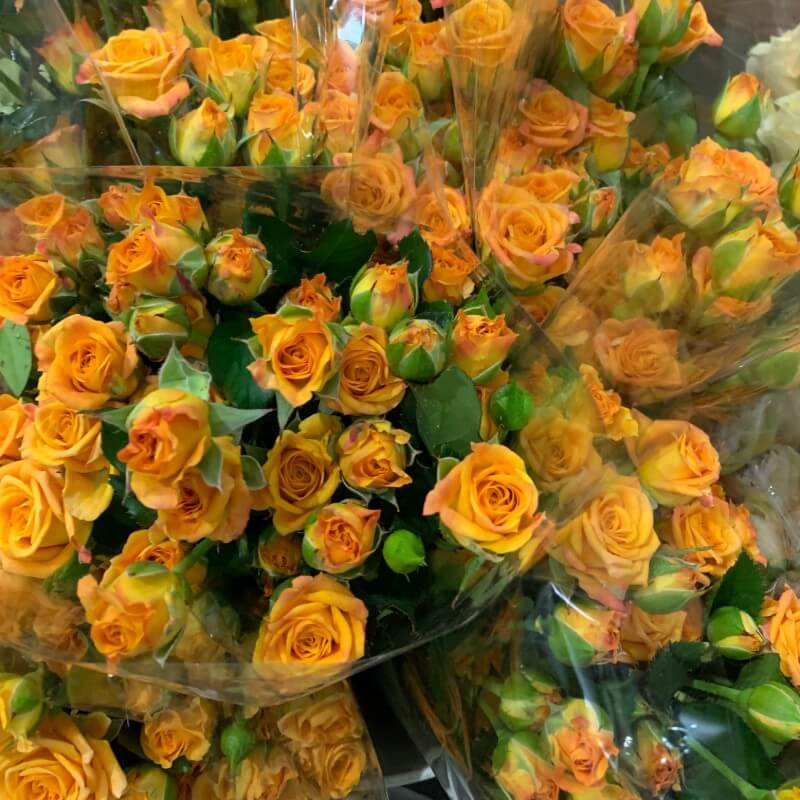

Seasonal Flower Ideas for DIY Arrangements
Creating arrangements that reflect the season ensures better quality, value, and a sense of harmony with your environment.
Pro Tip: Incorporate seasonal elements like pinecones in winter, wheat stalks in fall, or flowering branches in spring for added texture and thematic appeal.
Here’s how to design seasonally inspired arrangements:
Spring Flower Arrangement Guide
- Flowers:
- Tulips for their classic elegance and range of colors.
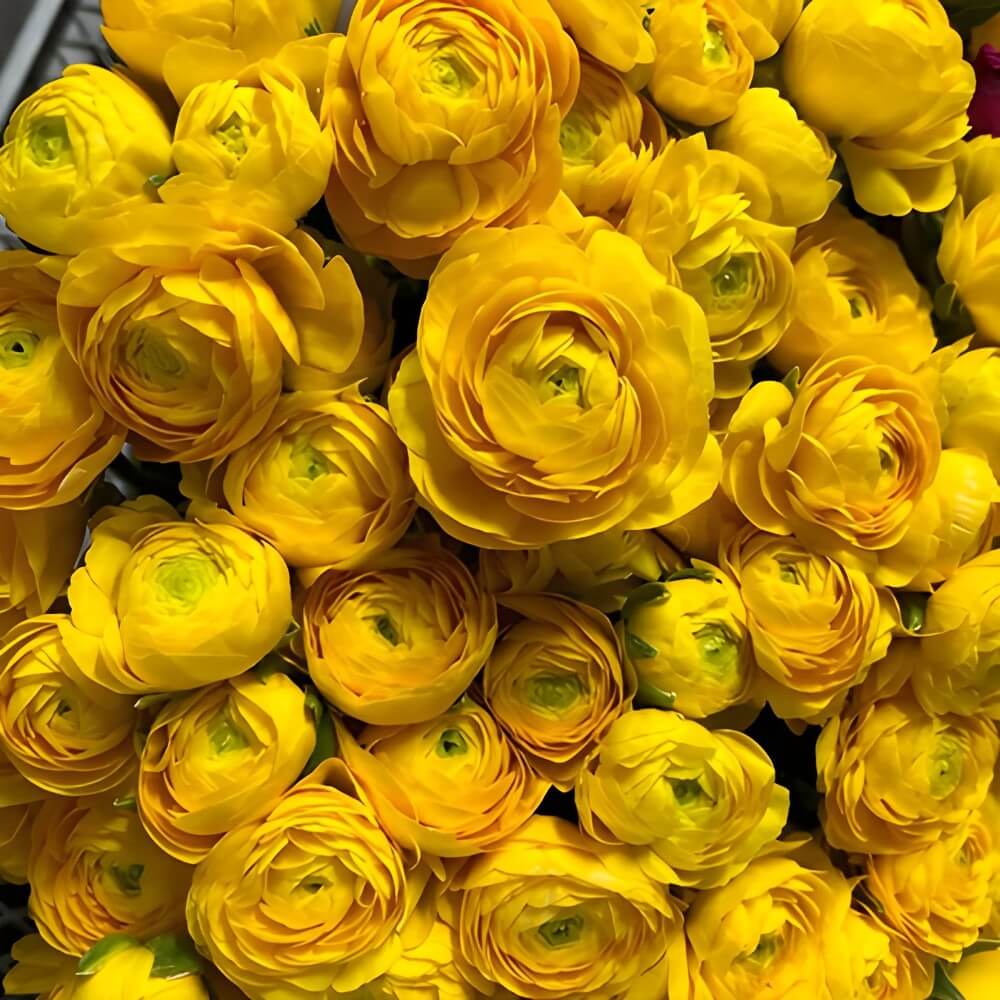
- Ranunculus for their ruffled petals and romantic appeal.
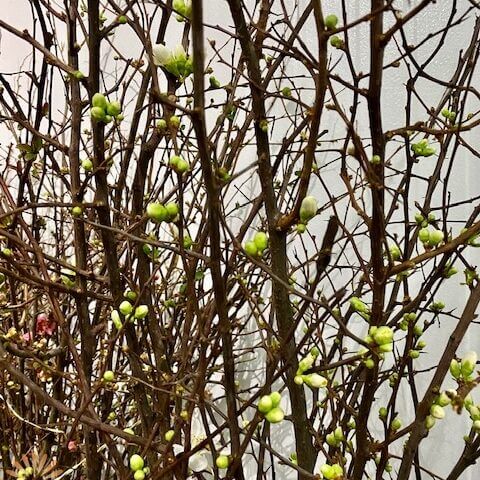
- Cherry blossoms for height and soft texture.
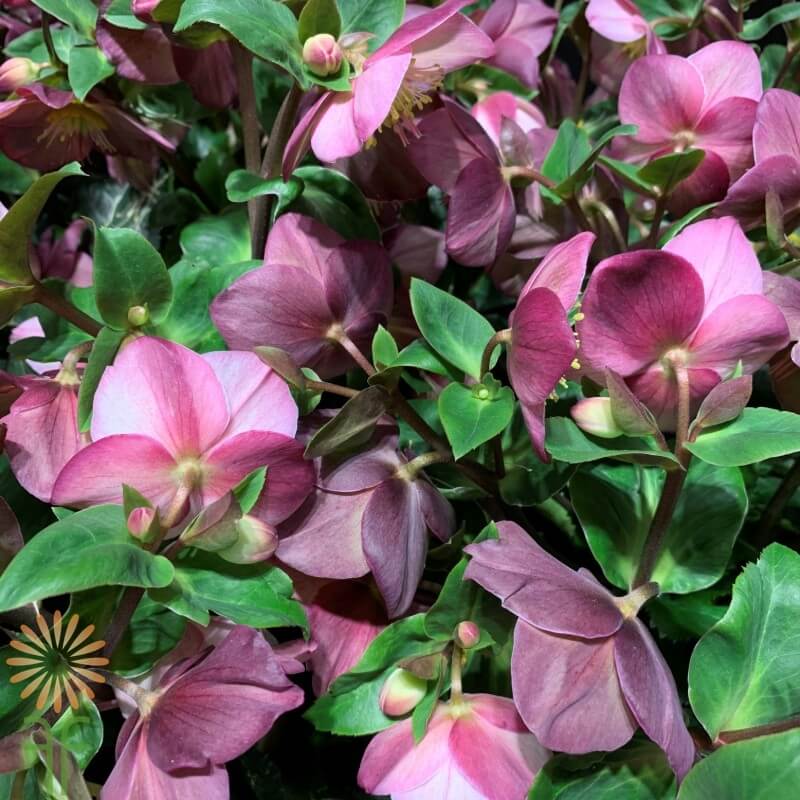
- Hellebores for a touch of unique beauty.
- Color Palettes:
Substitutions: If ranunculus isn’t available, try spray roses or carnations in similar hues.


Summer Flower Ideas
- Flowers:
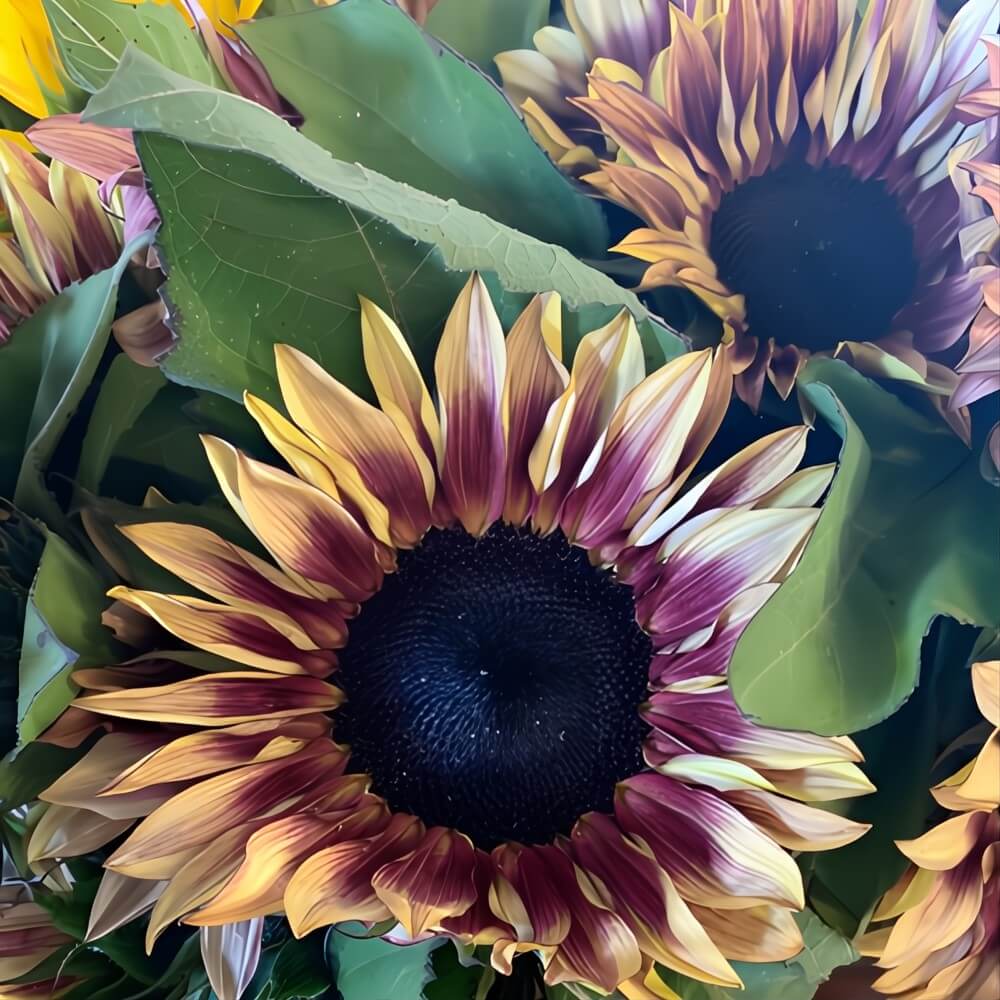
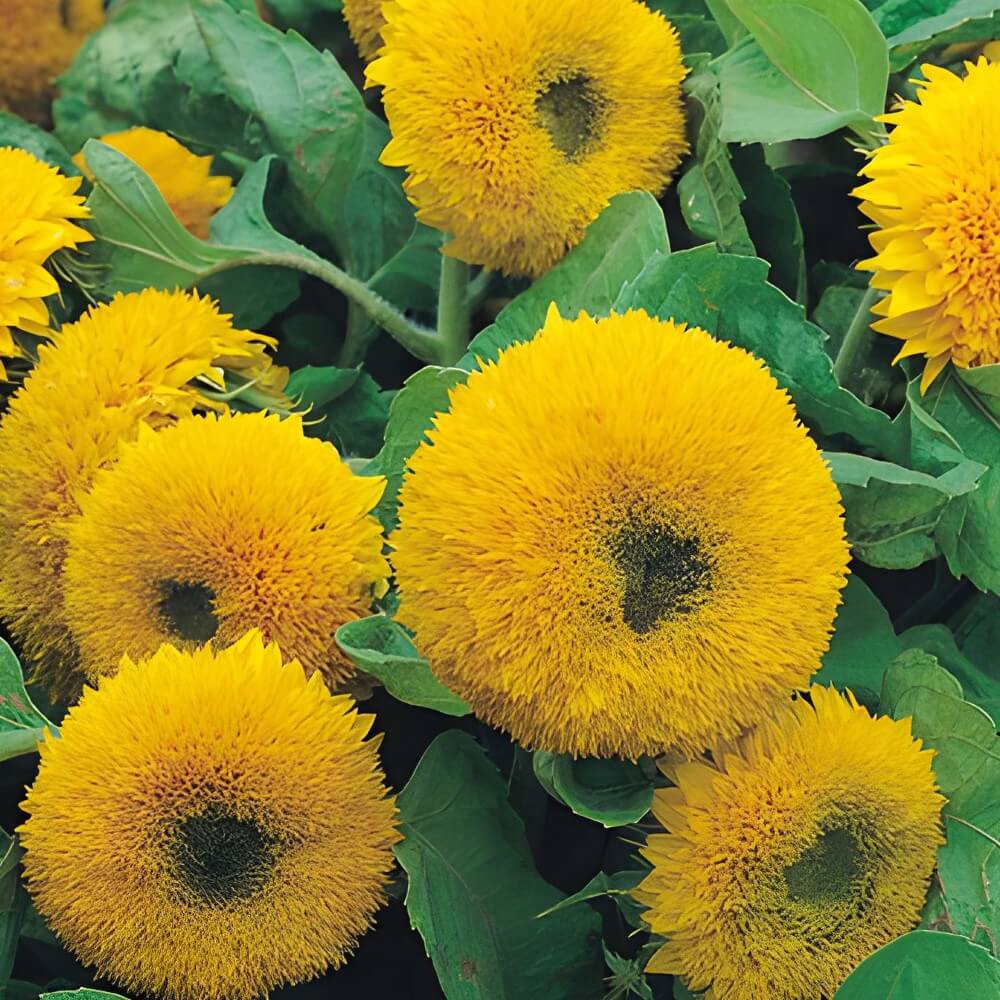
- Sunflowers for a bold, cheerful statement.
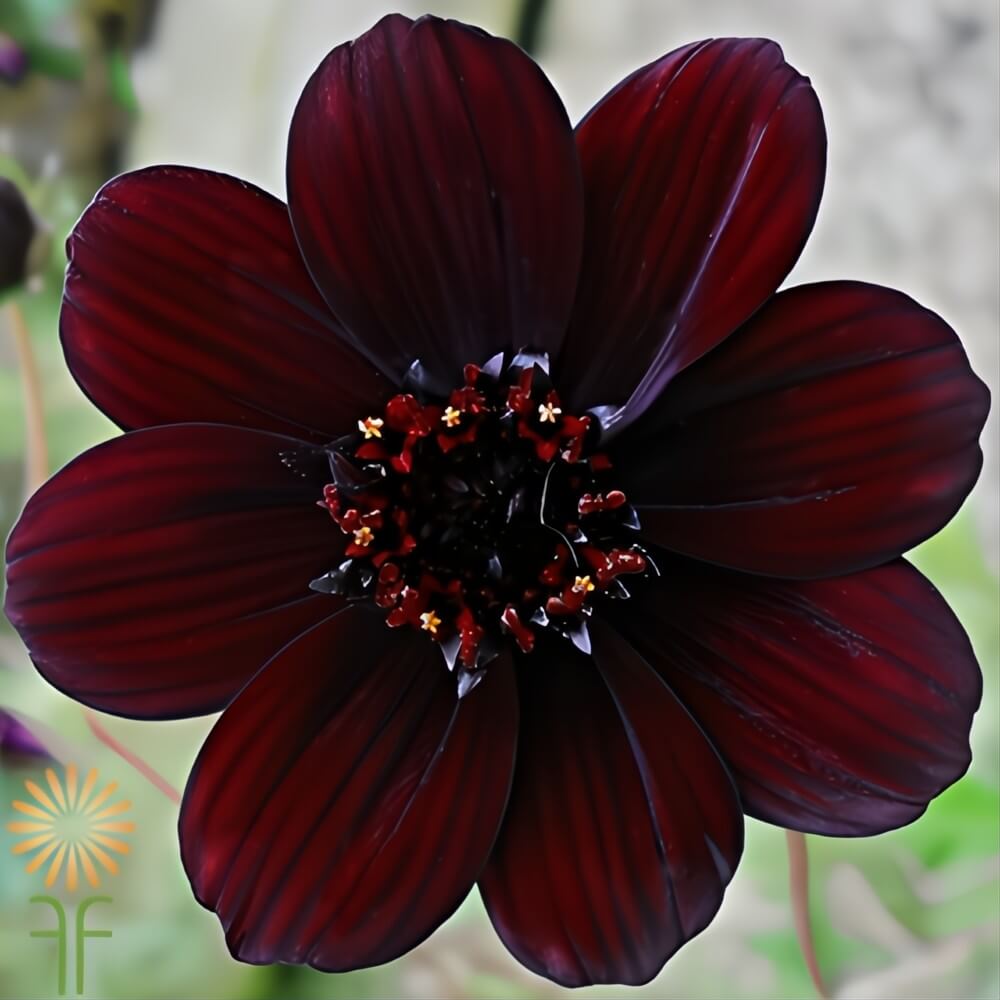
- Dahlias in rich, saturated hues.
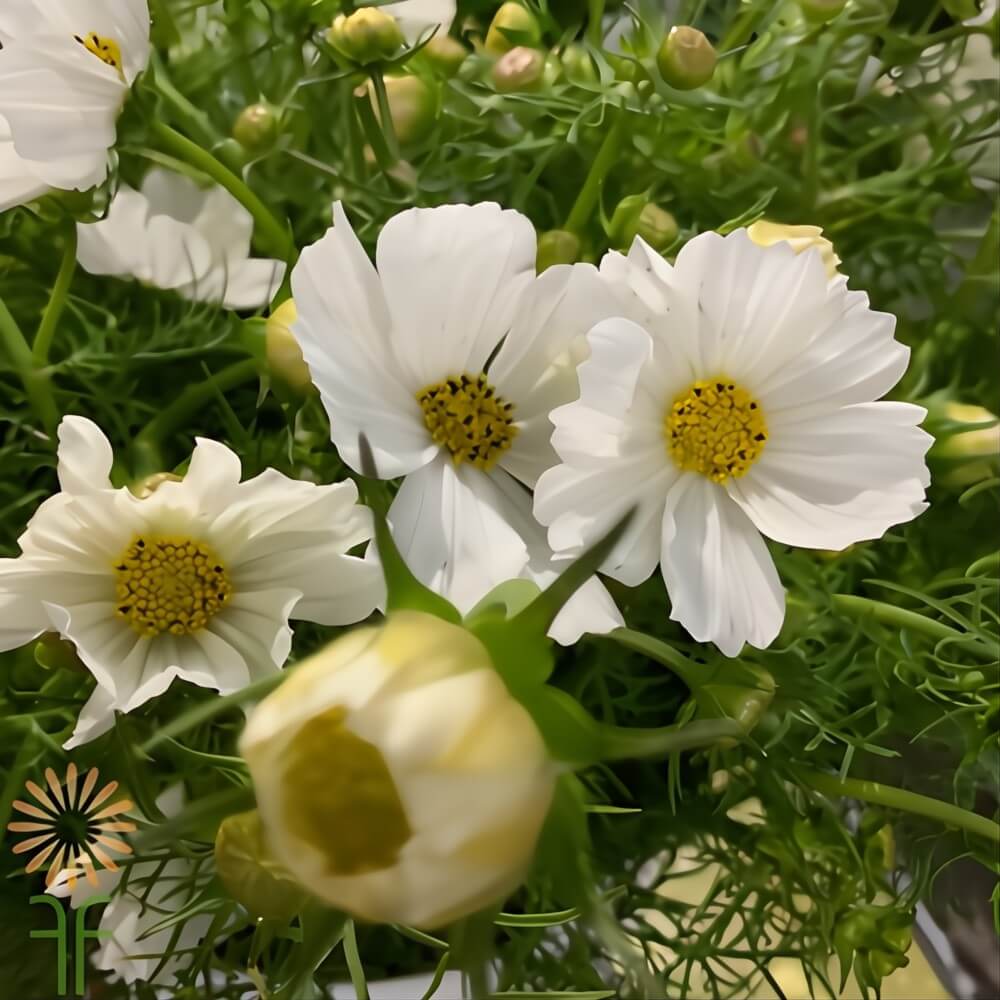
- Zinnias and cosmos for pops of vibrant color.
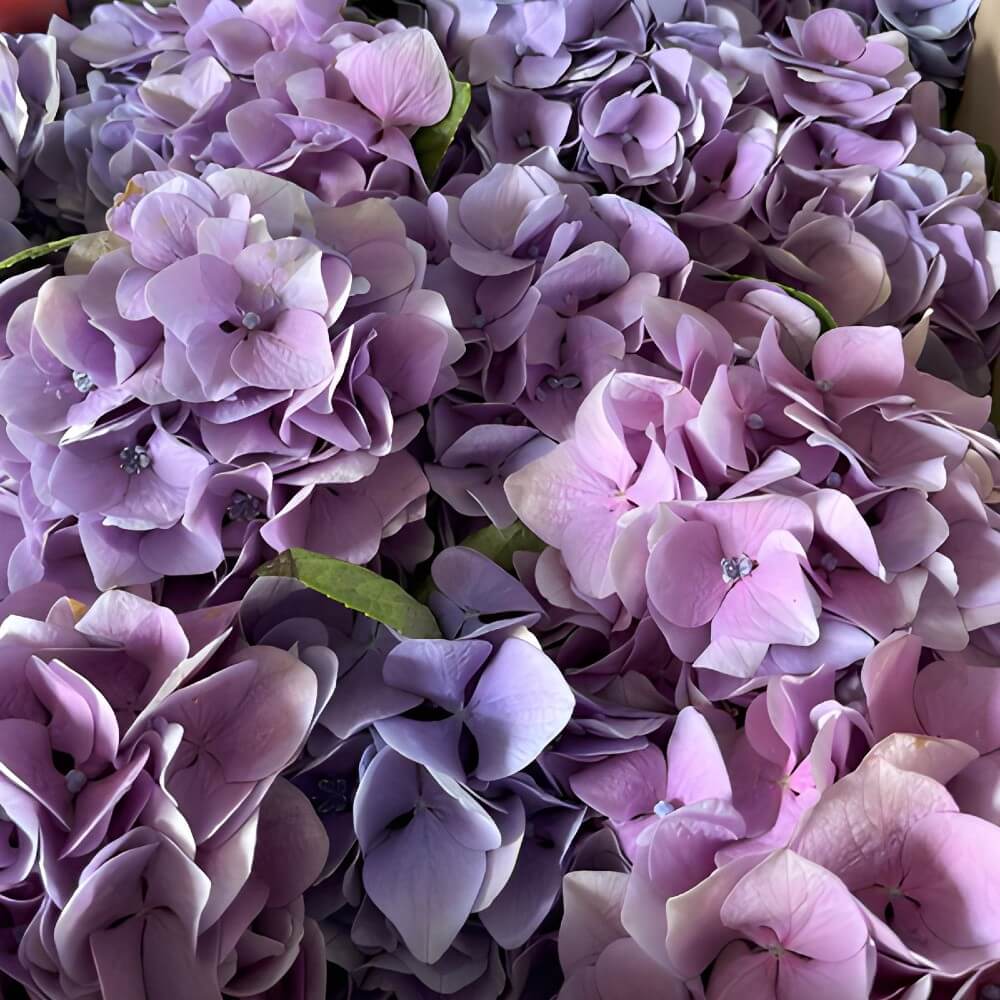
- Hydrangeas for fullness and variety.
- Color Palettes:
- Bright and tropical: Hot pink, coral, orange, and sunny yellow.
- For a cooler palette, pair blues (delphinium) with soft whites.
Substitutions: If dahlias are unavailable, consider using garden roses or peonies.
Fall Flower Choices
- Flowers:
- Chrysanthemums for their rich tones and long vase life.
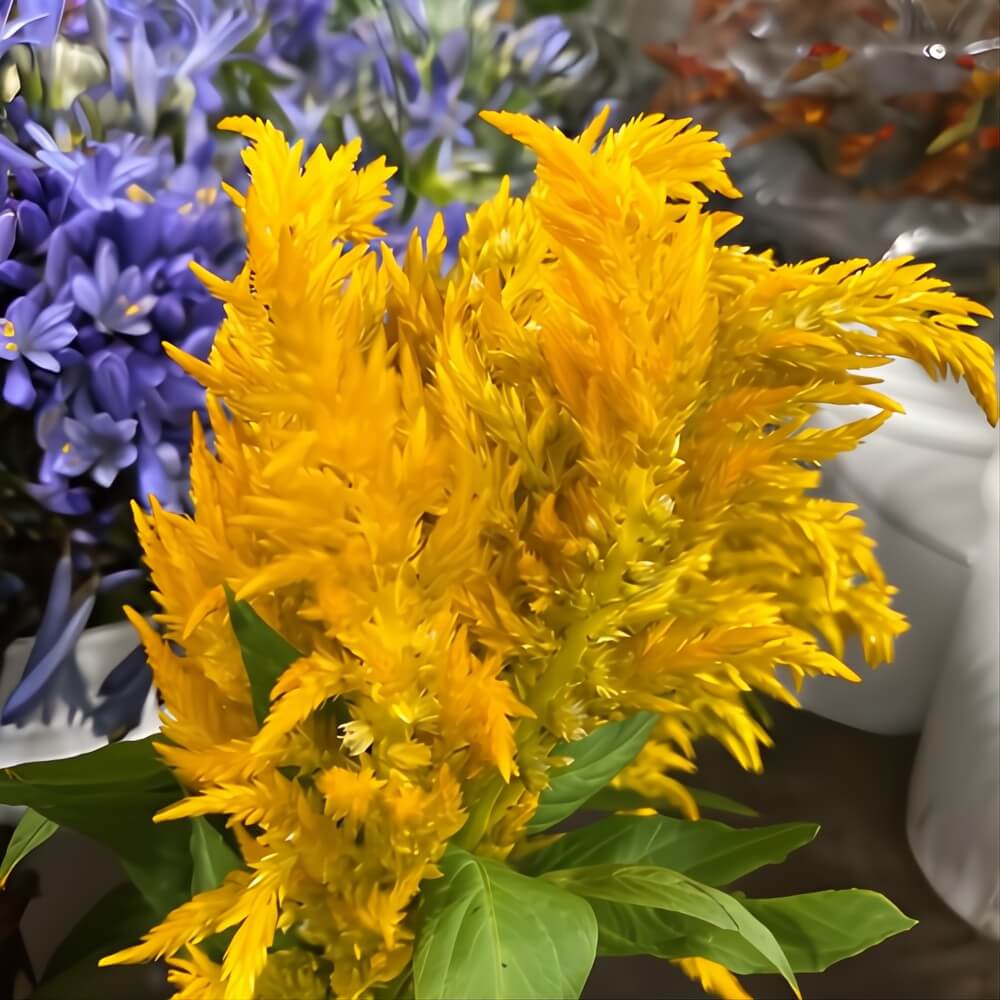
- Celosia for texture and color variation.
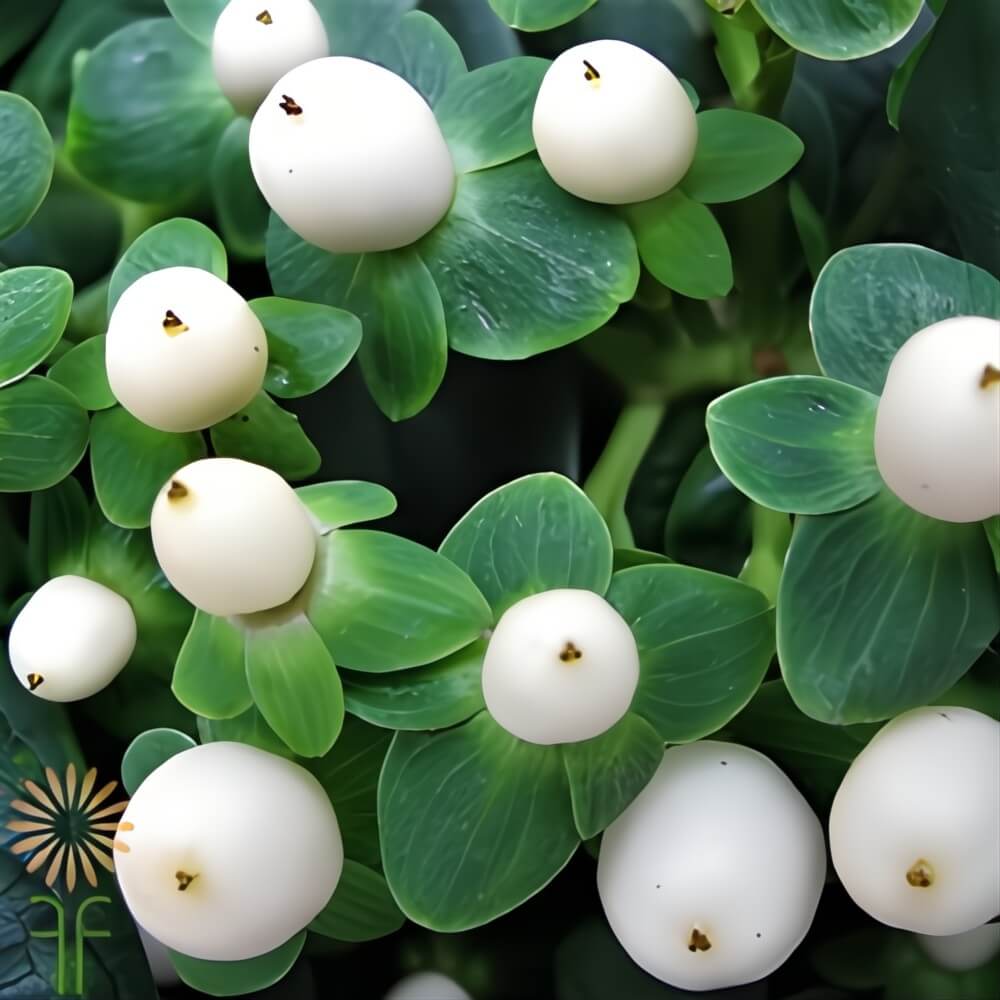
- Autumn branches or berries like hypericum for structural interest.
- Peonies for their bold colors.
- Color Palettes:
Substitutions: If chrysanthemums aren’t available, try marigolds or carnations.

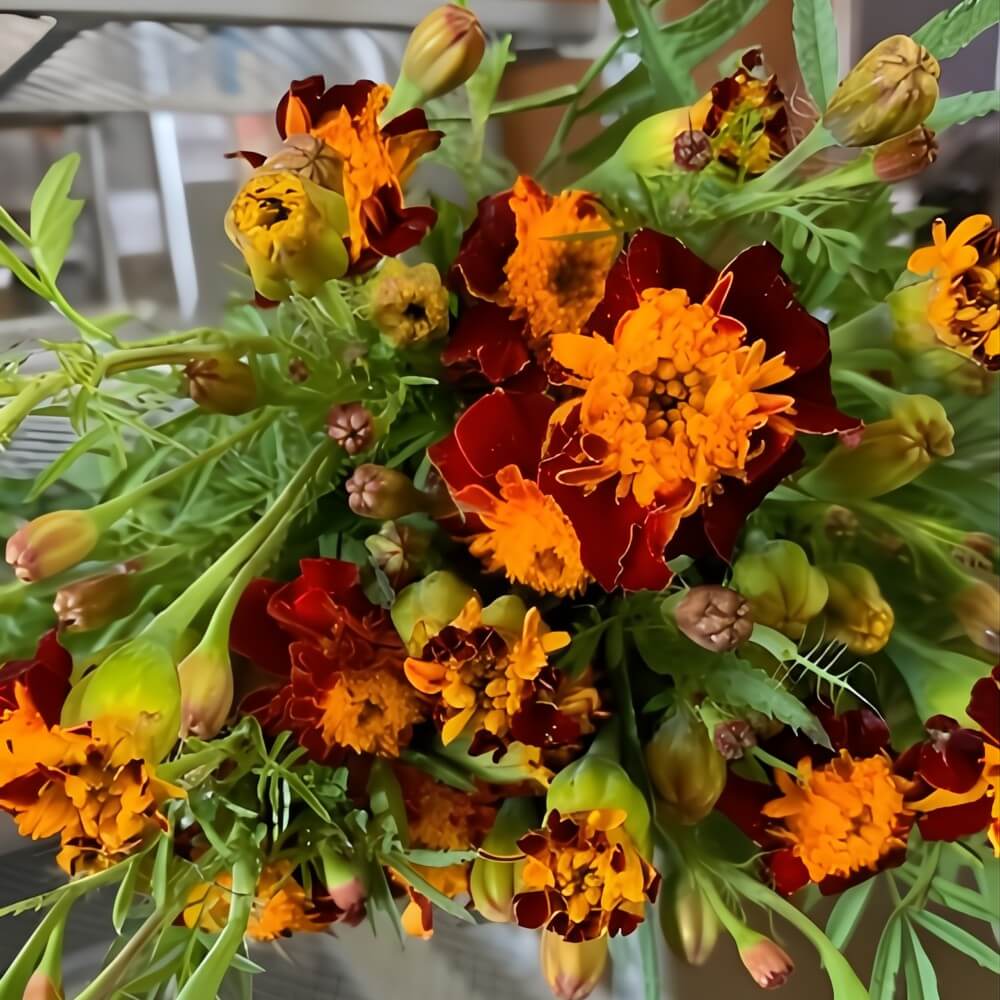
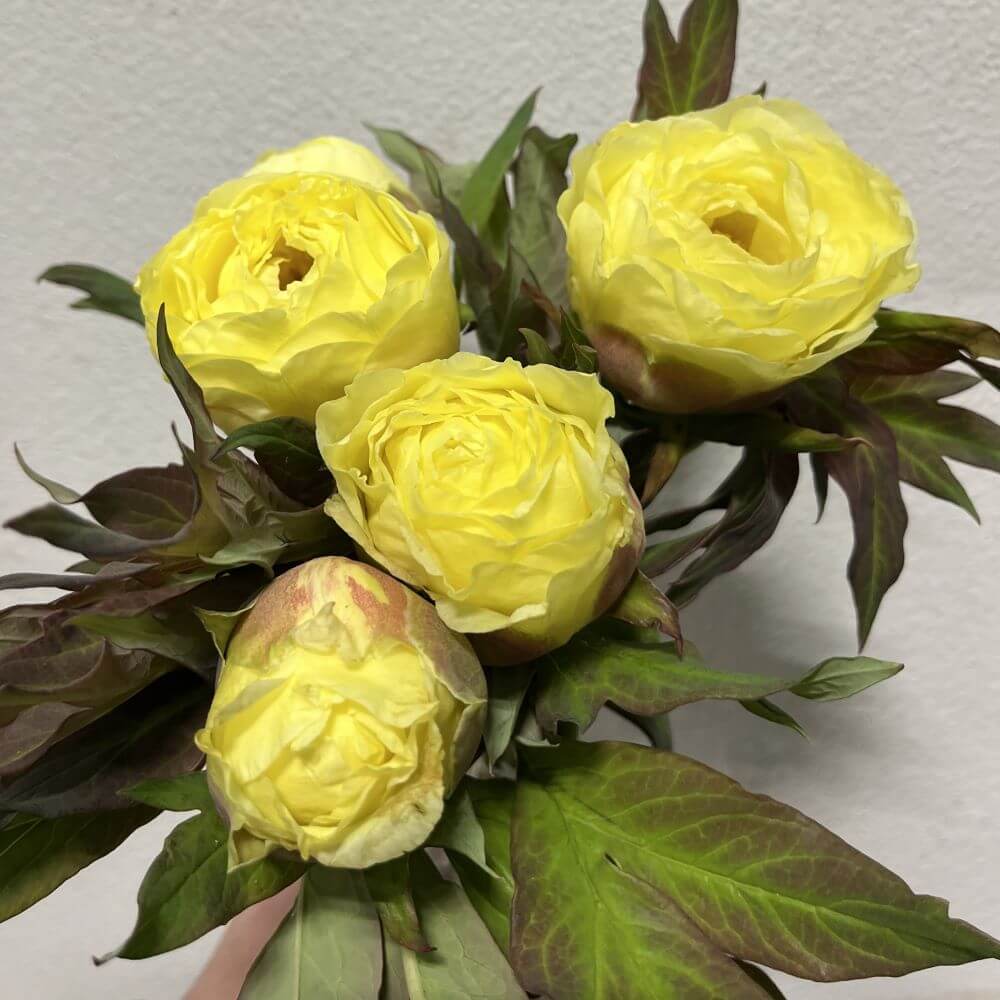
Winter Flower Options
- Flowers:
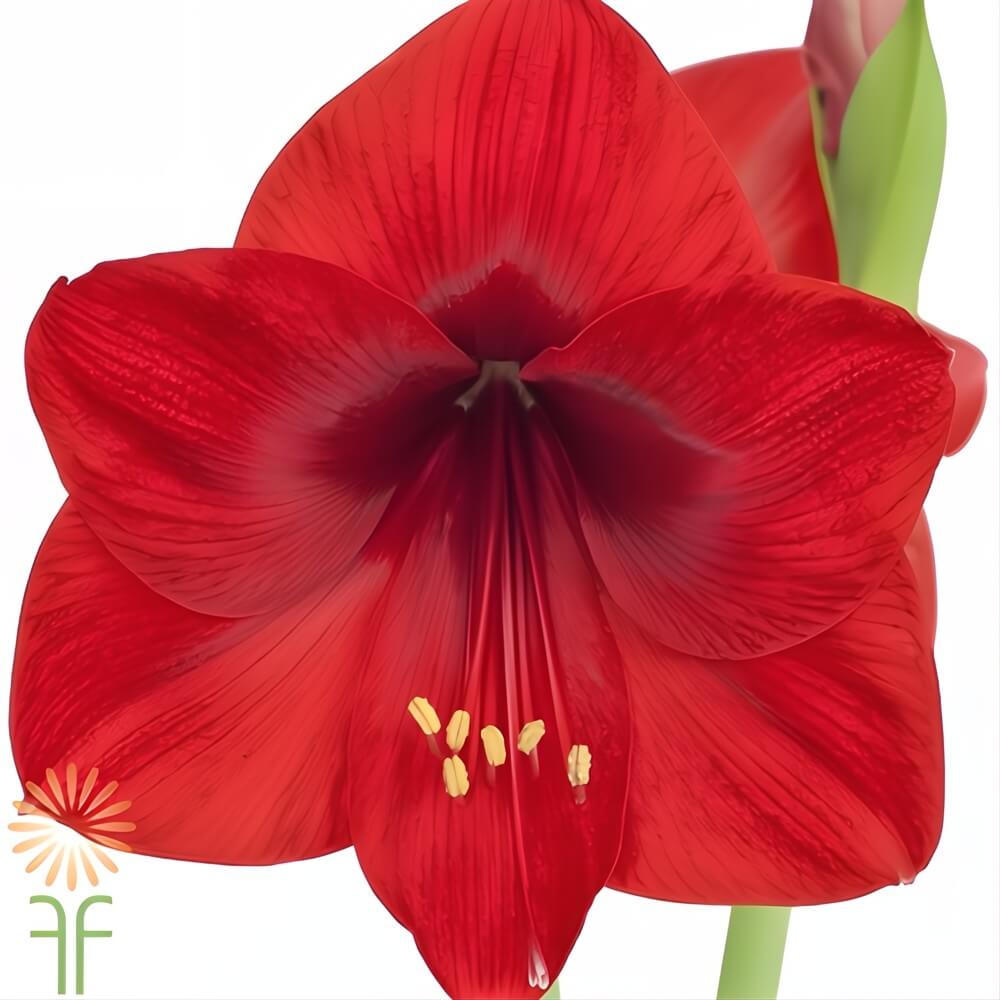
- Amaryllis for dramatic focal points.
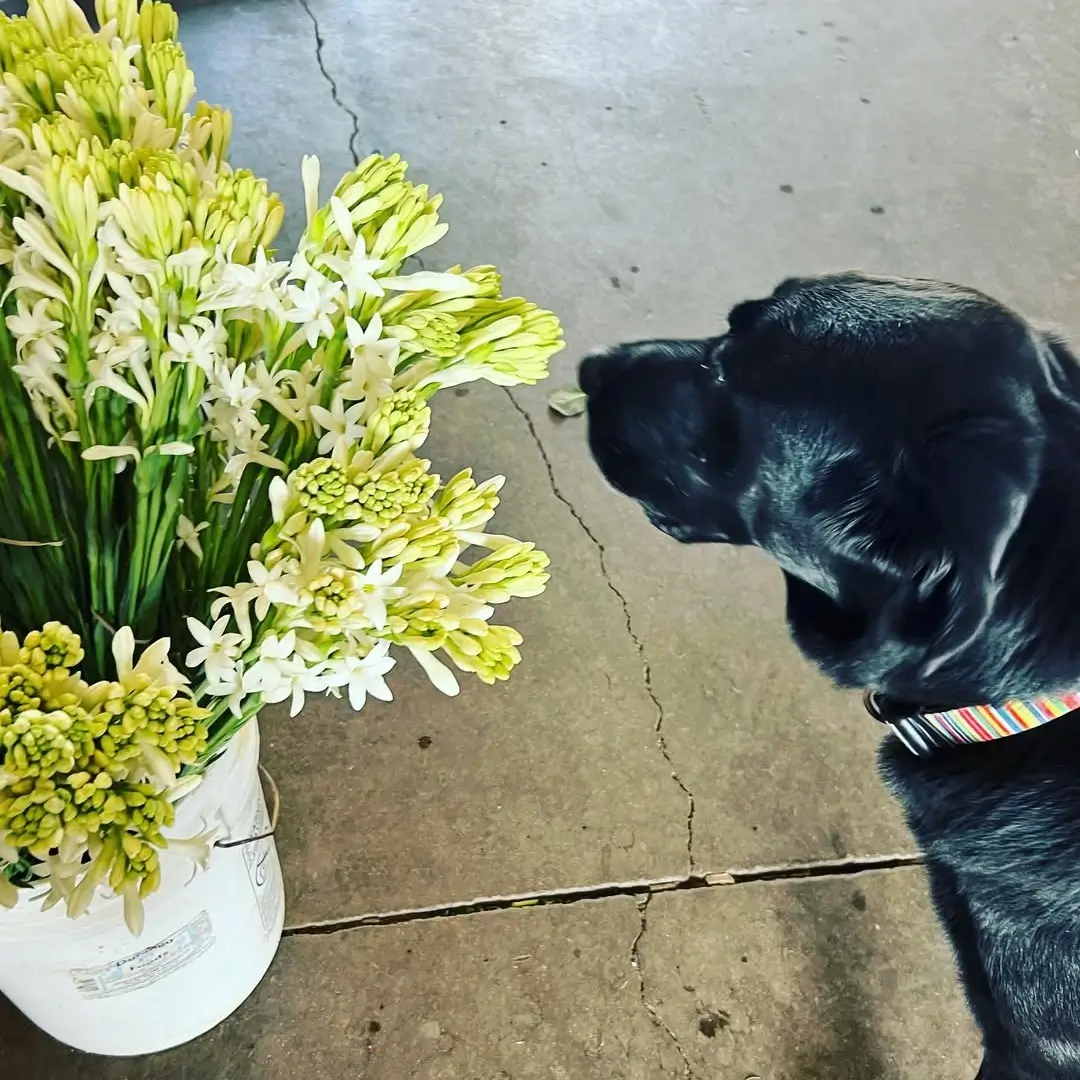
- Paperwhites for fragrance and delicacy.
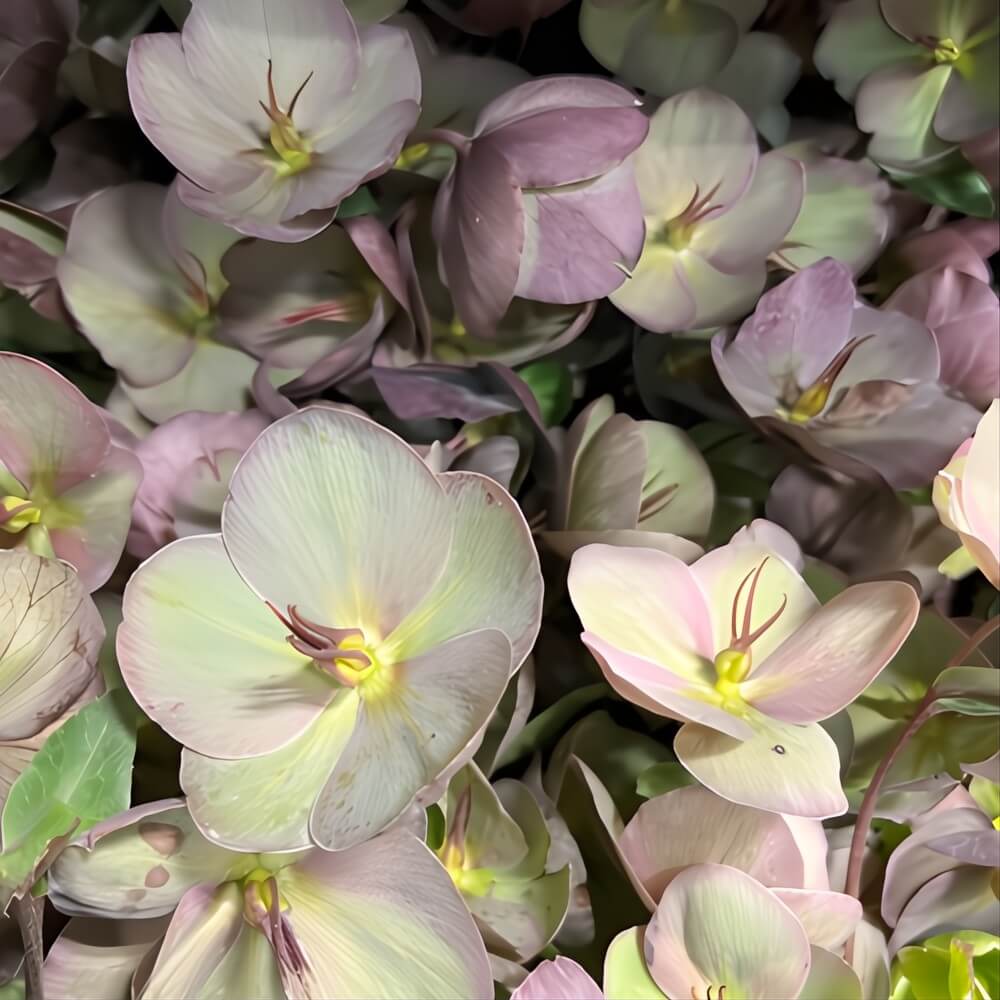
- Hellebores for subtle elegance.
- Winter jasmine for its soft, dainty blooms.
- Color Palettes:
Substitutions: If paperwhites aren’t accessible, use white roses or lisianthus.
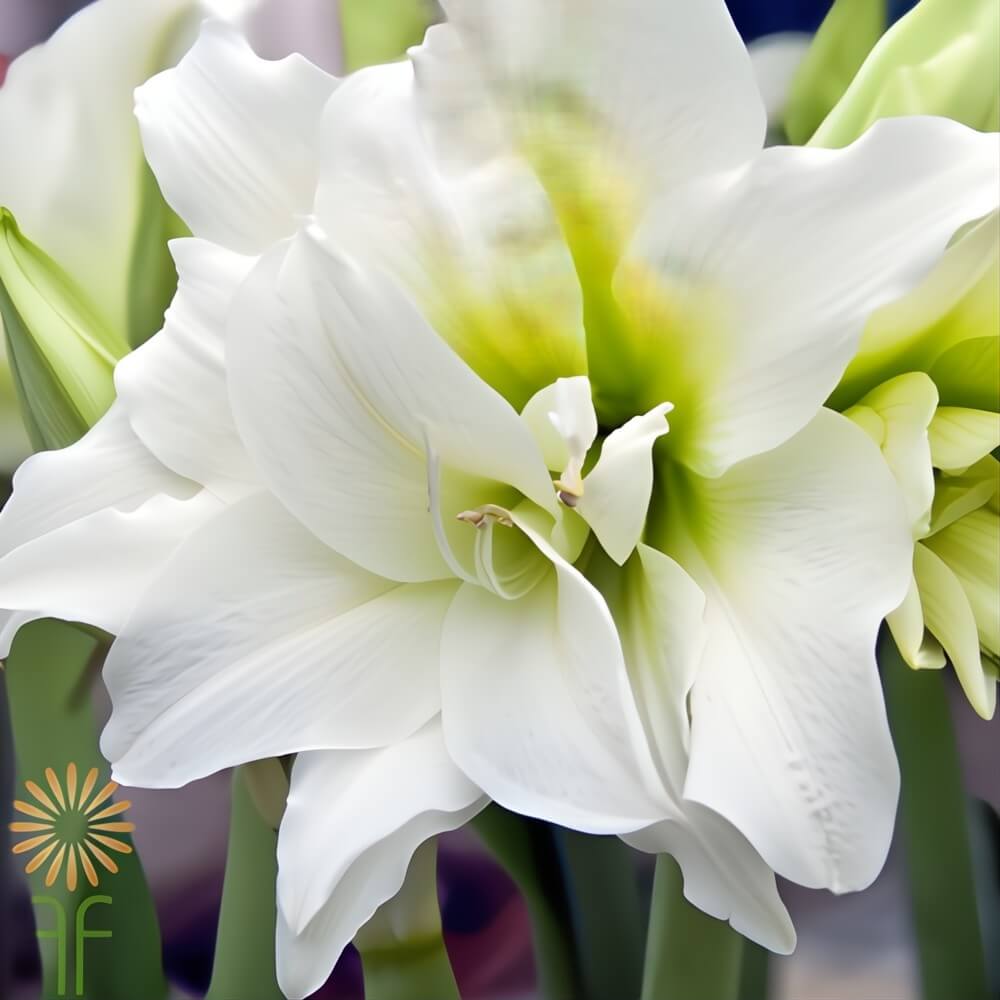
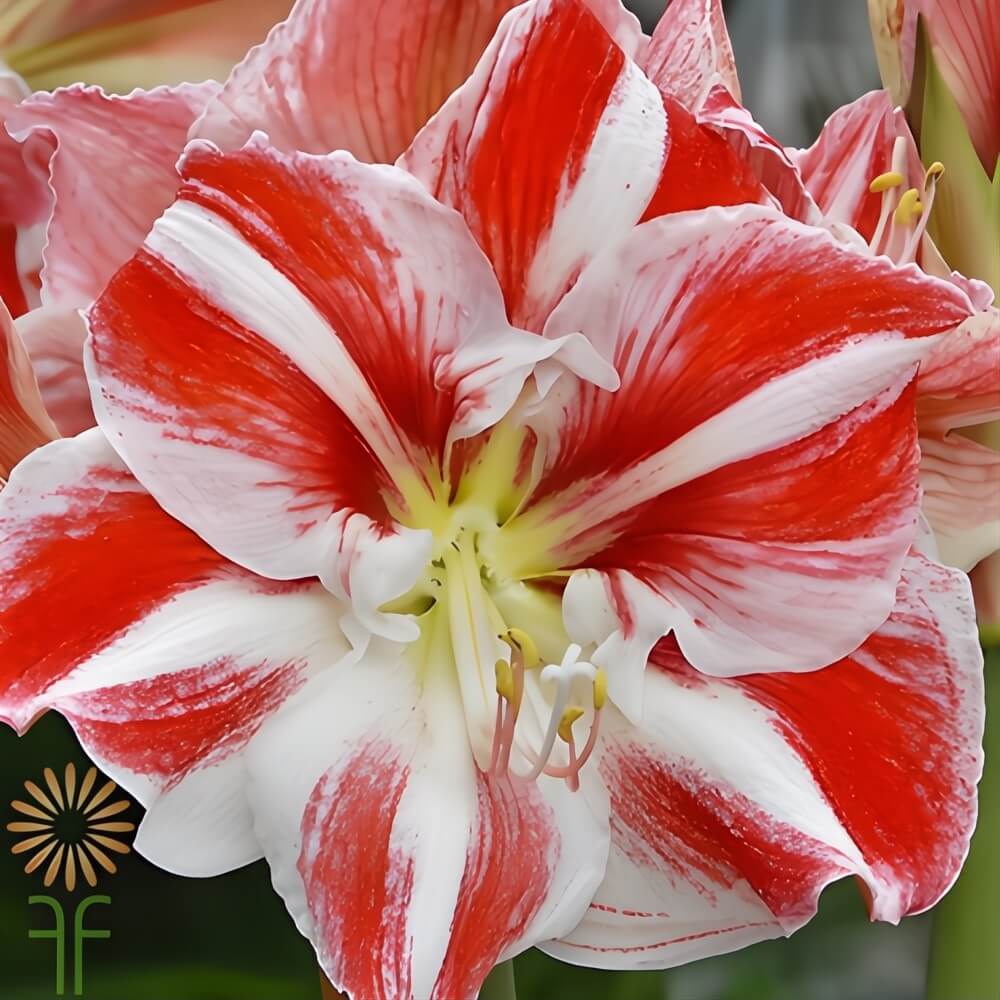
Flower Arrangements by Occasion
Different events call for different approaches to flower arranging. Tailoring your designs to specific occasions ensures they feel appropriate and meaningful. Here’s how to approach arrangements for common events:
Wedding Flower Planning Tips
- Bridal Bouquets:
- Opt for soft, romantic blooms like garden roses, peonies, and ranunculus. Add fillers like astilbe or baby’s breath for texture.
- Incorporate personal touches, such as a family heirloom ribbon or a bloom that holds special meaning for the bride.
- Consider the bride’s dress style—elegant cascading bouquets pair beautifully with dramatic gowns, while compact round bouquets suit minimalistic looks.
- Reception Centerpiece Ideas
- For long banquet tables, create multiple low arrangements with uniform flowers like tulips or hydrangeas for a cohesive look.
- Add height with tall vases for arrangements featuring delphiniums or branches like cherry blossoms.

Want to Learn more about DIY Wedding Flowers?
The Definitive Guide to DIY Wedding Flowers
Sympathy and Memorial Flowers
- Traditional Choices:
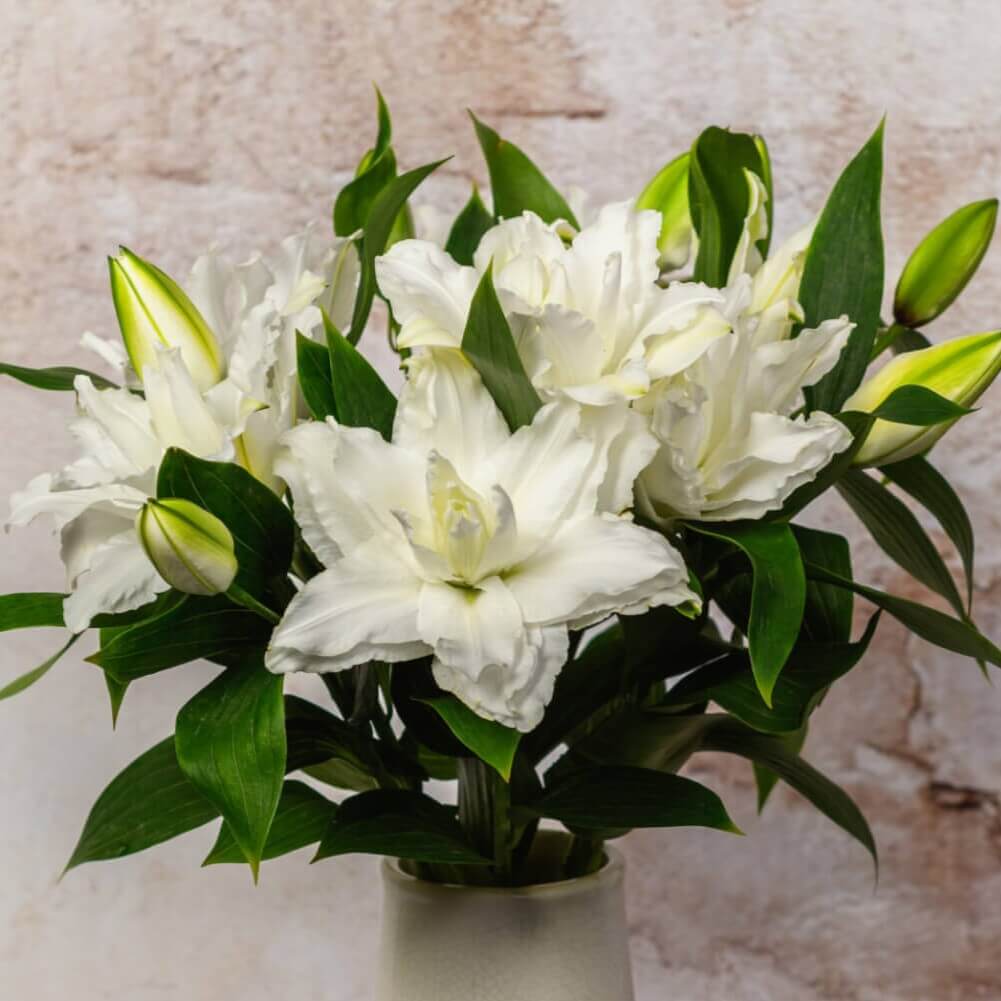
- White lilies symbolize peace, making them a go-to choice for sympathy arrangements. Pair them with carnations for longevity or roses for elegance.
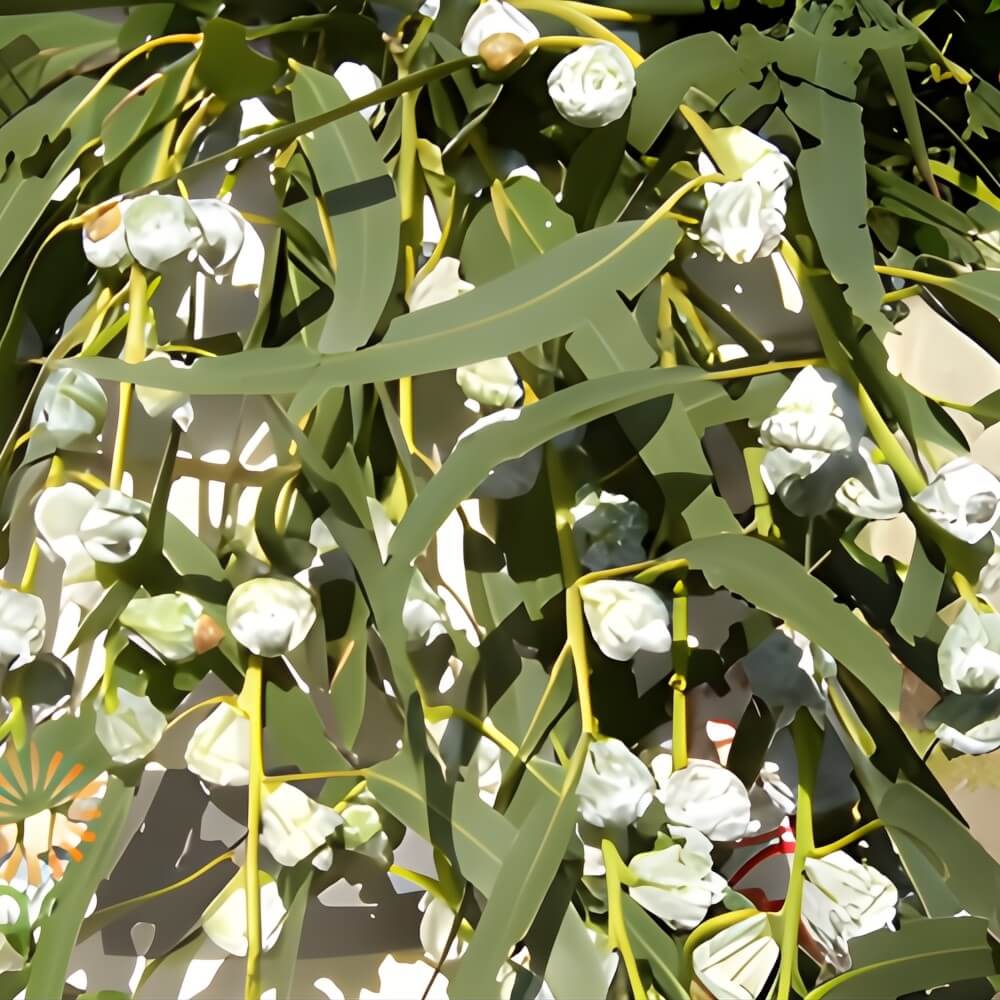
- Include calming greens like ferns or eucalyptus to balance the arrangement.
- Design Considerations:
- Keep the design understated and respectful. Avoid overly bright or bold colors in favor of whites, creams, and soft pastels.
- Ensure arrangements are long-lasting, especially for funeral settings.

Bonus Themed Sympathy Arrangement Video by J Schwanke - Life in Bloom / uBloom
The video featured is from J Schwanke’s award-winning PBS series Life in Bloom and his extensive subscription library at watch.ubloom.com.
J has generously granted free access to select videos for our visitors — content that’s normally behind a paywall.
The first time you click a video, you’ll be prompted to create a free uBloom account. Once registered, you’ll be able to view all listed videos without needing to sign up again.
A huge thank-you to J for sharing his expertise with our community.
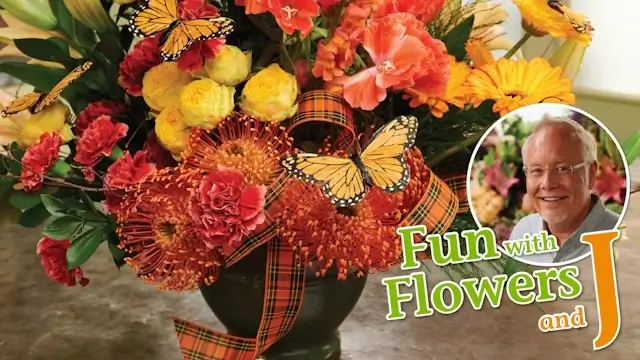
Themed Sympathy Arrangement- the J way!
Learn how J creates “Celebration of Life” arrangements “turning people’s feelings into flowers”.
Celebration Flowers for Birthdays and Events
- Birthday Bouquets:
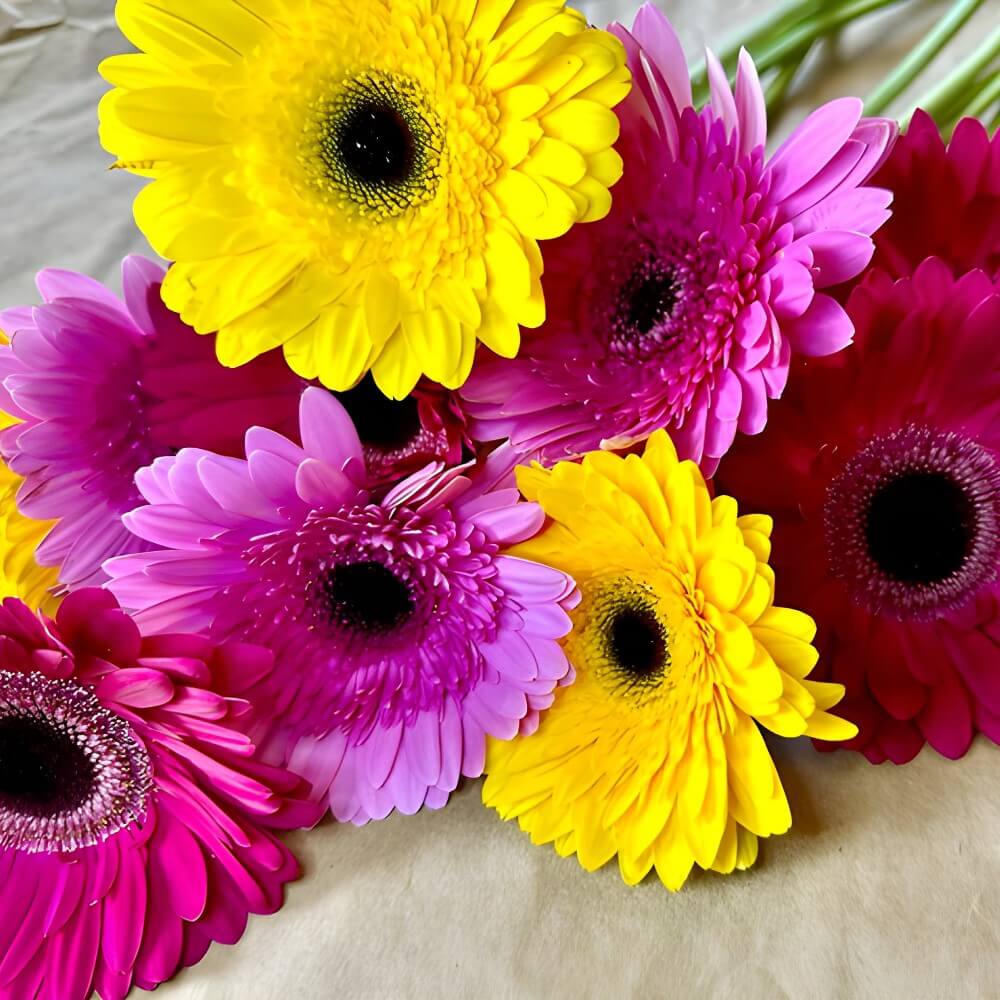
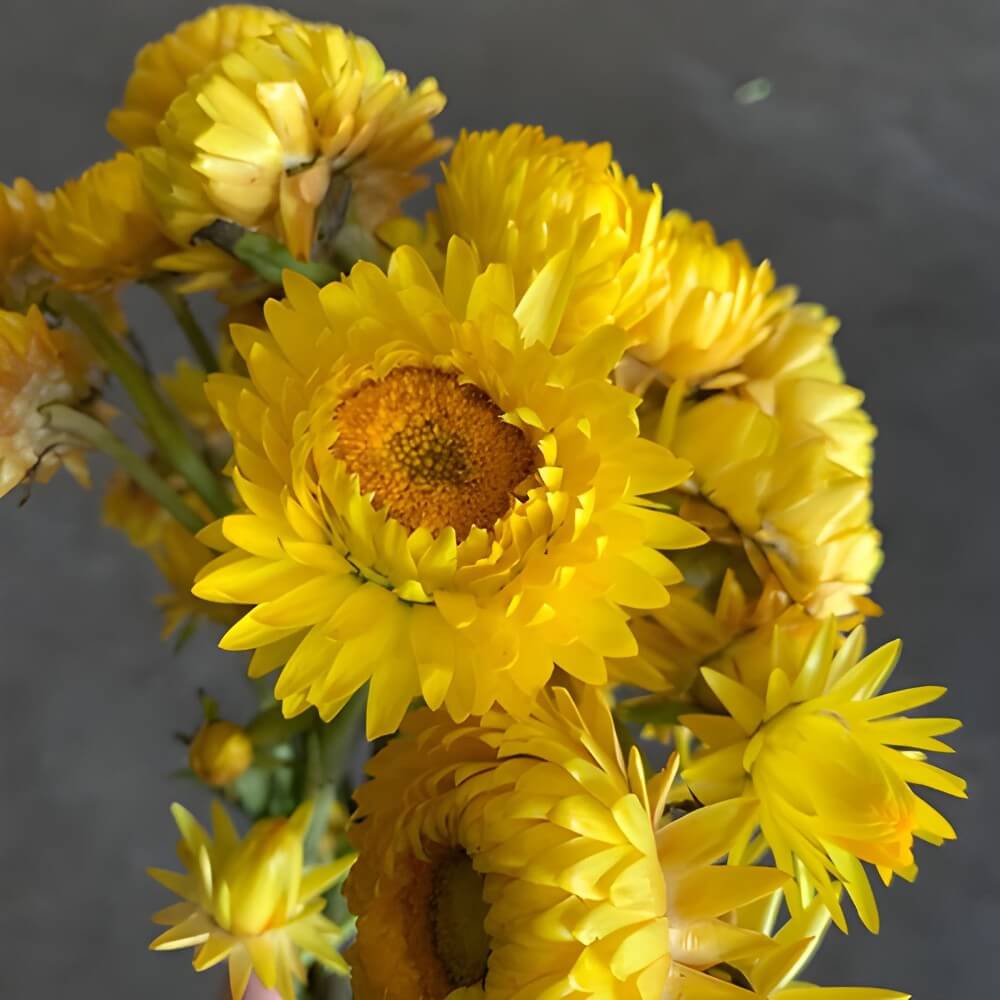
- Mix vibrant, cheerful flowers like sunflowers, gerbera daisies, and strawflowers. Include unexpected pops of color with Craspedia or bright spray roses.
- Use fun elements like ribbons, balloons, or small decorative charms.
- Party Centerpieces:
Pro Tip: For smaller gatherings or intimate celebrations, focus on one type of flower for a chic, modern aesthetic, like a monochromatic arrangement of tulips or peonies.


Expert Tips to Improve Every Flower Arrangement
After years of creating arrangements, here are some insider tips that will instantly upgrade your designs:
Follow the Rule of Odds
- Group flowers in 3s, 5s, or 7s
- Create triangular formations
- Vary heights within groups
Get the Right Height and Balance
- 1.5 to 2 times vase height
- Account for viewing angle
- Consider practical limitations
Leave Breathing Room Between Stems
- Allow room for blooms to open
- Create depth with layering
- Don't overcrowd stems
Create Movement with Stem Placement
- Angle stems naturally
- Include flowing elements
- Create visual pathways
Must-Know Flower Care and Common Mistakes
Save Money with Budget Flower Tips
- Mix expensive and affordable blooms
- Use more greenery for fullness
- Choose seasonal flowers
- Buy in bulk for large arrangements
Keep Your Flowers Fresh Longer
Daily care:
- Fresh, clean water
- Remove fallen leaves
- Keep away from heat sources
Extended care:
- Trim stems every 2-3 days
- Remove spent blooms
- Use flower food correctly
See our more detailed Care and Handling Instructions for Fresh-cut Flowers.
Avoid These 10 Common Flower Arrangement Mistakes
Even with the best intentions, it’s easy to make missteps when arranging flowers. Here’s a detailed guide to the most common mistakes and how to avoid them:
1. Not Prepping Flowers Properly
One of the biggest mistakes is neglecting to prepare your flowers before arranging them. Without proper prep, your blooms may wilt prematurely or fail to hydrate properly.
- The Mistake: Forgetting to trim stems, remove leaves, or hydrate flowers upon arrival.
- How to Avoid: Trim stems at a 45-degree angle for better water uptake. Remove any leaves that would sit below the waterline to prevent bacteria growth. Allow flowers to hydrate in fresh water for at least 2 hours before arranging.
2. Wrong Size or Proportion
Arrangements that are too large or too small for their container or space can feel awkward and unbalanced.
- The Mistake: Using a container that is too large or small for your flowers, or creating arrangements that overwhelm their intended space.
- How to Avoid: Follow proportional guidelines:
- For table centerpieces, keep height under 14 inches.
- Mantel displays can go taller but should remain proportionate to the space.
- Floor arrangements can be bold, with heights up to 36-48 inches.
3. Overcrowding the Vase
Trying to fit too many flowers into a single arrangement can lead to a cluttered, chaotic look and may prevent blooms from fully opening.
- The Mistake: Packing stems too tightly, which can limit airflow and hydration.
- How to Avoid: Allow space between flowers to let blooms breathe and expand naturally. Use greenery or filler flowers to create texture and volume without overcrowding.
4. Skipping Ongoing Care
Proper care is crucial to keeping your arrangement looking fresh for as long as possible.
- The Mistake: Skipping water changes, leaving debris in the vase, or failing to trim stems regularly.
- How to Avoid:
- Change the water every 1-2 days to prevent bacteria buildup.
- Remove wilted flowers or leaves promptly.
- Re-trim stems every few days to keep water flowing efficiently.
5. Using the Wrong Vase
A vase that doesn’t suit your design can throw off the entire arrangement.
- The Mistake: Using a vase that’s the wrong size, shape, or weight for your flowers.
- How to Avoid: Match your vase to the arrangement:
- Narrow vases work well for tall, linear arrangements.
- Wide, short containers suit compact, low designs.
- Weighted bases are ideal for heavy or cascading arrangements.
6. Ignoring the Room and Setting
An arrangement that doesn’t fit its surroundings can feel out of place or impractical.
- The Mistake: Designing a centerpiece that’s too tall for a dining table or an entryway display that feels lost in a large space.
- How to Avoid: Tailor your arrangement to its environment:
- Centerpieces should be low enough for guests to see across the table.
- Entryway arrangements should have a commanding presence and be viewable from multiple angles.
7. Forgetting to Add Greenery
Greenery isn’t just filler—it’s a critical component that frames and balances your flowers.
- The Mistake: Using too little greenery, resulting in an arrangement that feels sparse or incomplete.
- How to Avoid: Incorporate greenery generously. Use varieties like eucalyptus or Italian ruscus to add volume and texture while complementing your focal flowers.
8. Making Everything the Same Height
Flat, uniform arrangements lack the depth and dimension that make designs stand out.
- The Mistake: Arranging flowers so all stems are the same height.
- How to Avoid: Stagger stem lengths. Place taller flowers like snapdragons or delphiniums in the center or back, and use shorter flowers like spray roses or ranunculus around the edges.
9. Using Overpowering Fragrance
Scent is an often-overlooked aspect of floral design that can either enhance or overwhelm your arrangement.
- The Mistake: Overloading an arrangement with heavily scented flowers or ignoring fragrance entirely.
- How to Avoid:
- For dining tables, keep scents subtle to avoid overpowering meals.
- Combine lightly scented flowers with stronger ones for balance.
- Consider the size of the room and temperature, as heat amplifies fragrance.
10. Neglecting Daily Maintenance
Arrangements need ongoing attention to stay fresh and beautiful.
- The Mistake: Leaving your arrangement unattended for days without checking on its condition.
- How to Avoid:
- Refresh water daily.
- Re-trim stems to remove blockages.
- Replace faded blooms with fresh ones to extend the arrangement’s life.
Fast Fixes for Drooping or Unbalanced Designs
- Drooping Flowers: Wrap stems in damp paper towels and place them in a cool, dark place for hydration.
- Uneven Balance: Add extra greenery or adjust stem placement to restore symmetry.
- Cloudy Water: Empty the vase, clean it thoroughly, and refill with fresh water and flower food.
By avoiding these common pitfalls, you’ll not only create more beautiful arrangements but also enjoy the process more as your designs come together effortlessly.
Wrapping It Up: Final Thoughts on DIY Floral Design
Remember, creating beautiful flower arrangements is part science, part art, and a whole lot of fun. Don't be afraid to experiment and develop your own style. Start with these guidelines, but feel free to break them once you understand the basics. After all, the best arrangements often come from following your instincts and letting your creativity bloom!
The most important thing? Have fun with it! Every arrangement is a new opportunity to create something beautiful, and even if it's not perfect, there's no such thing as an ugly flower arrangement when it's made with love and intention.
Happy arranging, flower friends!
Flower Arranging for Mindfulness and Self-Care
Take a moment to consider the mental and emotional benefits of floral design. Studies have shown that engaging in creative activities, like flower arranging, can reduce stress, boost mood, and enhance mindfulness. When you immerse yourself in the process—choosing colors, trimming stems, and placing blooms just so—you create a meditative flow that’s grounding and calming. Whether you’re designing for a special occasion or simply brightening your living space, flower arranging offers a meaningful way to practice self-care.
So, grab a vase, your favorite blooms, and maybe even a cup of tea. Let’s turn this floral adventure into a therapeutic ritual you’ll look forward to every week!
Easy Rituals to Reduce Stress with Flowers
- Embrace the process: Don’t rush—trimming stems, arranging flowers, and even the act of cleaning your workspace can be calming and meditative.
- Create a dedicated space: Set up a little “flower zone” with your favorite tools and a soothing playlist to make the experience more enjoyable.
- Focus on fragrance: Adding scented blooms like garden roses or stock can enhance the sensory experience and elevate your mood.
- Experiment fearlessly: Remember, there’s no such thing as a “wrong” arrangement. Trust your instincts and let your creativity flow.
Why Arranging Flowers Feels So Good
In a world that’s always on the go, taking time to create something beautiful with your hands is a gentle reminder to slow down and savor the moment. Each stem you place becomes an opportunity to express yourself, practice mindfulness, and connect with the natural world. Plus, the joy of admiring your finished arrangement (and the compliments that follow) is an added bonus!
Flower arranging isn’t just about the end result—it’s about the journey. Whether you’re creating a towering centerpiece or a simple bouquet for your bedside table, the act of working with flowers is a form of self-care that nurtures your creativity and brings peace to your day.
So, gather your favorite blooms and let your imagination bloom. Your mind, soul, and space will thank you.
Credits for all contributors to David Austin Rose photos.