Why Choose DIY Wedding Flowers?
The Definitive Guide to DIY Wedding Flowers
Every couple envisions stunning floral arrangements for their wedding, and hiring a professional florist ensures expert craftsmanship and convenience. But for those who love a hands-on approach, DIY wedding flowers offer a fun and rewarding way to personalize the big day while saving money. Whether you're planning a small backyard celebration or a grand wedding, learning how to source, arrange, and care for fresh flowers can make all the difference.
This guide provides a step-by-step approach to DIY wedding flowers, covering everything from budgeting and planning to flower selection, arrangement techniques, and care instructions.
Introduction
Who Is This Guide For?
- Brides and grooms looking for affordable yet stunning floral arrangements.
- Parents of the couple assisting in floral planning.
- DIY enthusiasts who enjoy hands-on projects.
- Budget-conscious couples who want wholesale fresh flowers without the markup of a florist.
The Pros and Cons of DIY Wedding Flowers
Pros:
- Cost Savings – Buying wholesale flowers and arranging them yourself offers a budget-friendly option.
- Creative Control – Choose your preferred colors, styles, and flower combinations.
- Personalization – Infuse sentimental meaning by crafting your own bouquets.
- No Business License Needed – Wholesale suppliers like Fabulous Florals sell directly to individuals.
Cons:
- Time Commitment – Requires planning and preparation in the days leading up to the wedding.
- Storage & Handling – Flowers must be stored properly to stay fresh. See Unpacking, Preparing, and Keeping Flowers Fresh suggestions
- Learning Curve – Basic floral arranging skills are needed to achieve professional-looking designs.
DIY Wedding Flowers: Is It the Right Choice for You?
DIY flowers can save you money and add a personal touch, but they also require planning and effort. Here’s what you need to know.
Challenges to Consider Before Going DIY
- Time Commitment: Requires planning, sourcing, and arranging flowers close to the wedding.
- Storage & Handling: Flowers need to be hydrated and kept fresh.
- Learning Curve: Arranging flowers professionally takes practice.
- Setup on Wedding Day: You’ll need a team to help with last-minute floral arrangements.
- Limited Floral Lifespan: Fresh flowers must be prepped 1-2 days before the event.
How much do Wedding Flowers Cost and How Much Can You Save with DIY Wedding Flowers?
Actual savings will vary based on several factors, including the types of flowers chosen, seasonal availability, and the scale of your arrangements. The price ranges provided are approximate and meant to serve as a general guide.
| Bridal Bouquet | $250-$400 | $50-$125 |
| Bridesmaid Bouquets | $80-$150 each | $25-$60 each |
| Boutonnières | $20-$30 each | $5-$10 each |
| Corsages | $30-$50 each | $10-$20 each |
| Centerpieces | $100-$300 each | $30-$80 each |
| Ceremony Arch Flowers | $1,500-$3,500 | $250-$700 |
| Total Average Cost | $2,000-$5,000 | $600-$1,800 |
💡 Takeaway: If you have time and organization skills, DIY flowers can cut floral costs by more than half!
What Affects the Cost of Wedding Flowers?
1. Flower Type and Seasonality
- In-Season Flowers – Cost-effective and readily available.
- Year-Round Options – Roses, carnations, and hydrangeas are available at steady prices.
- Exotic or Out-of-Season Blooms – Orchids, peonies, or garden roses can significantly increase costs.
2. Quantity and Scale of Arrangements
- Large-scale floral installations and oversized bouquets increase costs.
- Greenery-heavy centerpieces are a cost-effective way to create volume.
- Repurposing ceremony flowers for reception decor saves money.
3. Labor and Setup Costs
Florists provide valuable expertise and services including:
- Sourcing and conditioning flowers
- Designing and assembling arrangements
- Delivery and setup at the venue
With DIY wedding flowers, you’re investing in the flowers themselves while handling the labor on your own, which can help stretch your budget. Some couples opt for a hybrid approach—purchasing their own flowers while hiring a florist’s assistant for assembly and setup, ensuring a polished final look with some professional support.
How to Set a Budget for DIY Wedding Flowers
Allocating Your Floral Budget
A typical wedding flower budget breakdown:
- 40% – Bouquets & Boutonnières
- 30% – Centerpieces & Reception Decor
- 20% – Ceremony Flowers (Aisle Decor, Arch, etc.)
- 10% – Extras (Cake Flowers, Petals, Misc.)
Hidden Costs to Consider
- Buckets & Hydration Supplies – Necessary for keeping flowers fresh.
- Floral Tools – Clippers, tape, wire, and foam can add up.
- Delivery Fees – Wholesale flowers come with shipping costs, but they are typically much lower than retail markups and florist delivery fees.
Cost-Saving Tips
- Order from a reputable online wholesaler like Fabulous Florals.
- Buy flowers in bulk to take advantage of wholesale pricing.
- Mix premium flowers (peonies, ranunculus) with budget-friendly fillers (baby’s breath, eucalyptus).
- Repurpose ceremony flowers for reception decor to maximize use.
Next Steps
Now that you understand costs and budgeting, the next step is choosing the right flowers and ordering from a trusted wholesale supplier. In the next section, we’ll cover:
- What flowers you actually need for your wedding
- Who gets flowers?
- When and where to order your blooms
Choosing the Right Flowers and Planning Your Wedding Arrangements
What Are the Best Flowers for DIY Wedding Arrangements?
Long-Lasting and Sturdy Blooms
- Roses – Available year-round, sturdy, and hold up well in arrangements.
- Carnations – Extremely durable, budget-friendly, and available in a variety of colors.
- Chrysanthemums – Hardy flowers that provide great volume and longevity.
- Alstroemeria (Peruvian Lilies) – Long-lasting and perfect for bouquets and centerpieces.
- Eucalyptus & Greenery – Adds texture and lasts longer than delicate blooms.
Fragrant vs. Non-Fragrant Options
- Fragrant Choices: Garden roses, stock, lilacs, and freesia add a beautiful scent to bouquets but may overwhelm enclosed spaces.
- Non-Fragrant Choices: Ranunculus, tulips, orchids, and calla lilies are ideal for scent-sensitive guests and indoor venues.
How to Pick Flowers That Match Your Theme and Season
Choosing Flowers by Wedding Theme
- Classic & Elegant: Roses, peonies, hydrangeas, and orchids.
- Rustic & Bohemian: Sunflowers, wildflowers, dahlias, and eucalyptus.
- Romantic & Vintage: Garden roses, anemones, ranunculus, and baby's breath.
- Modern & Minimalist: Calla lilies, tulips, succulents, and white orchids.
- Tropical & Destination: Birds of paradise, proteas, palm leaves, and anthuriums.
Understanding Seasonal Availability
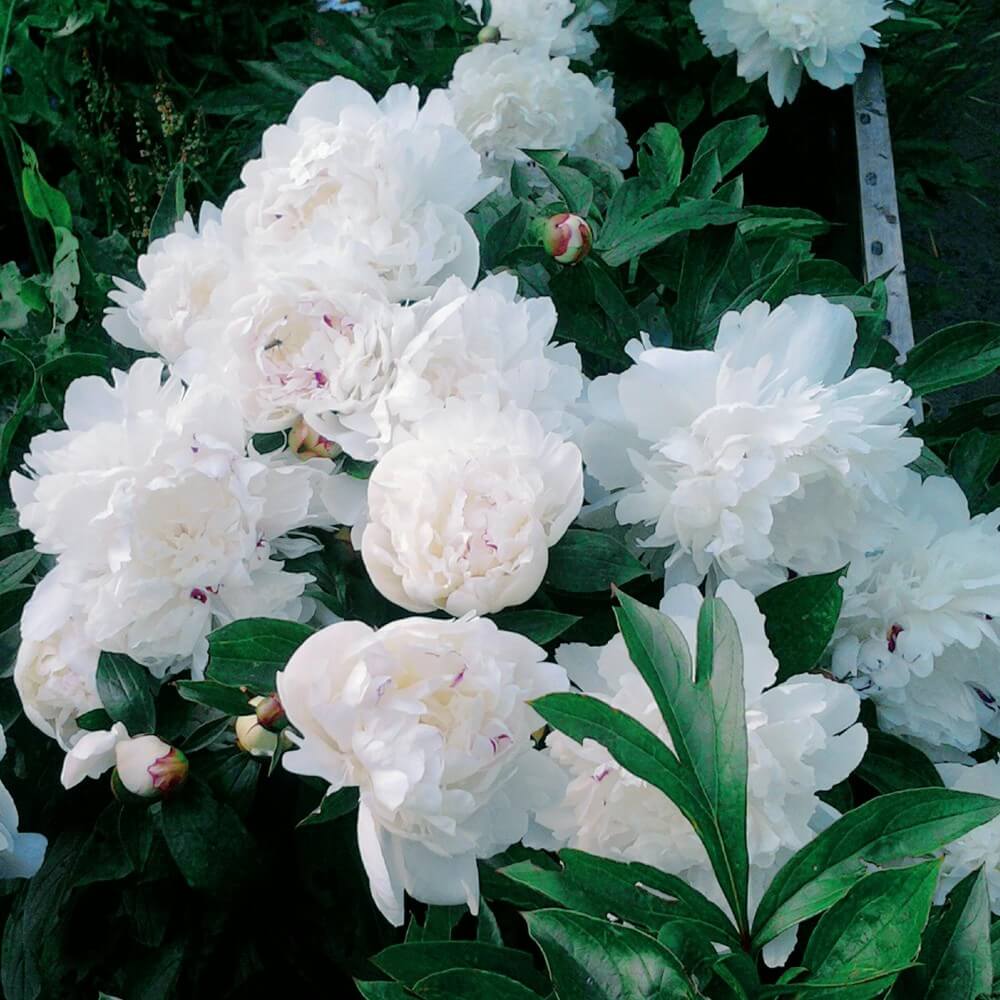
- Spring: Peonies, tulips, lilacs, ranunculus, hyacinths.
- Summer: Sunflowers, zinnias, dahlias, hydrangeas, delphiniums.
- Fall: Chrysanthemums, marigolds, dahlias, calla lilies.
- Winter: Amaryllis, anemones, hellebores, evergreen foliage.
Between March - October we have an amazing selection of American Grown flowers available.
Selecting seasonal flowers for your wedding ensures freshness, availability, and cost-effectiveness. The table below provides a season-by-season guide to help you choose the best flowers for your DIY wedding arrangements.
| Spring | Peonies, Tulips, Ranunculus, Hyacinths, Lilacs, Daffodils, Sweet Peas | Baby’s Breath, Eucalyptus, Ferns, Waxflower |
| Summer | Sunflowers, Hydrangeas, Delphiniums, Garden Roses | Queen Anne’s Lace, Dusty Miller, Italian Ruscus |
| Fall | Chrysanthemums, Marigolds, Dahlias, Calla Lilies, Amaranthus, Celosia | Seeded Eucalyptus, Asters, Millet, Thistle |
| Winter | Amaryllis, Anemones, Hellebores, Orchids, Gardenias, Evergreens | Pine, Cedar, Holly, Hypericum Berries |
Year-round availability - with our worldwide suppliers we are able to offer garden roses, tulips, roses, hypericum berries, babies breath, orchids, and more all year.
How to Use Seasonal Flowers in Your DIY Wedding
- Spring Weddings: Peonies and tulips create soft, romantic bouquets. Pair them with eucalyptus, wax flower or feverfew for texture.
- Summer Weddings: Sunflowers and gerberas add warmth and brightness. Use zinnias for pops of color.
- Fall Weddings: Rich hues of chrysanthemums and amaranthus complement rustic wedding themes.
- Winter Weddings: Anemones and amaryllis provide a bold look, while evergreens add a seasonal touch.
Cost-Saving Tip:
Flowers in season are more cost-effective than out-of-season varieties, making it easier to stay within budget while still achieving a stunning look.
Not sure what flowers to select for your wedding arrangements?
How to Choose Flowers for DIY Arrangements: Expert Tips & Techniques
What Flowers Do You Need for Your Wedding and Who Gets Flowers?
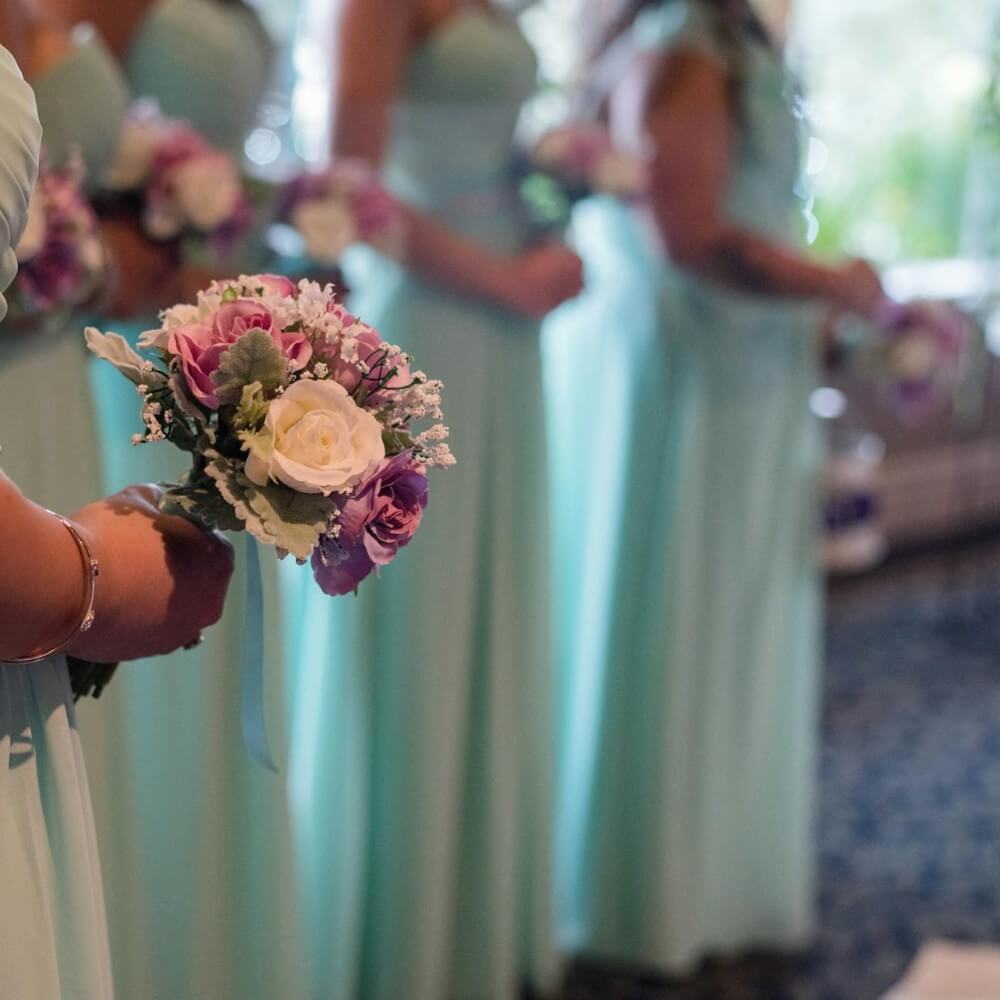
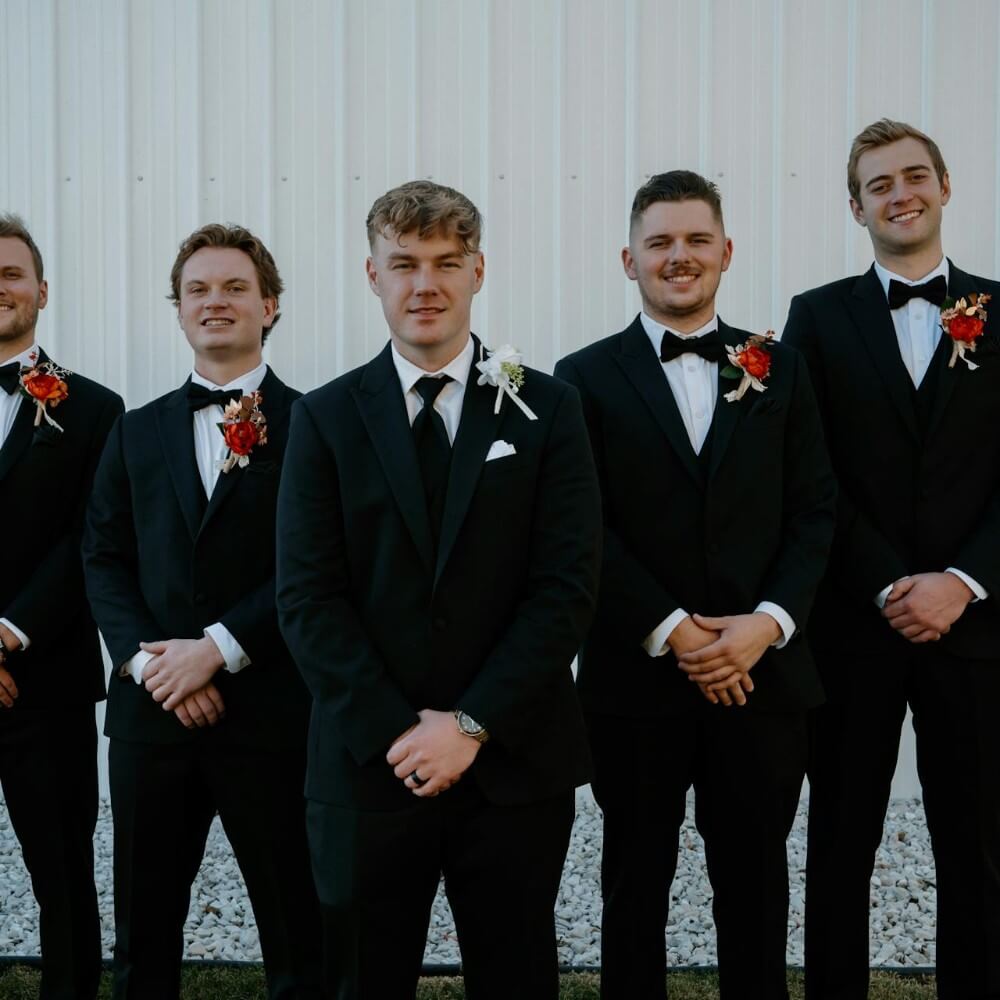
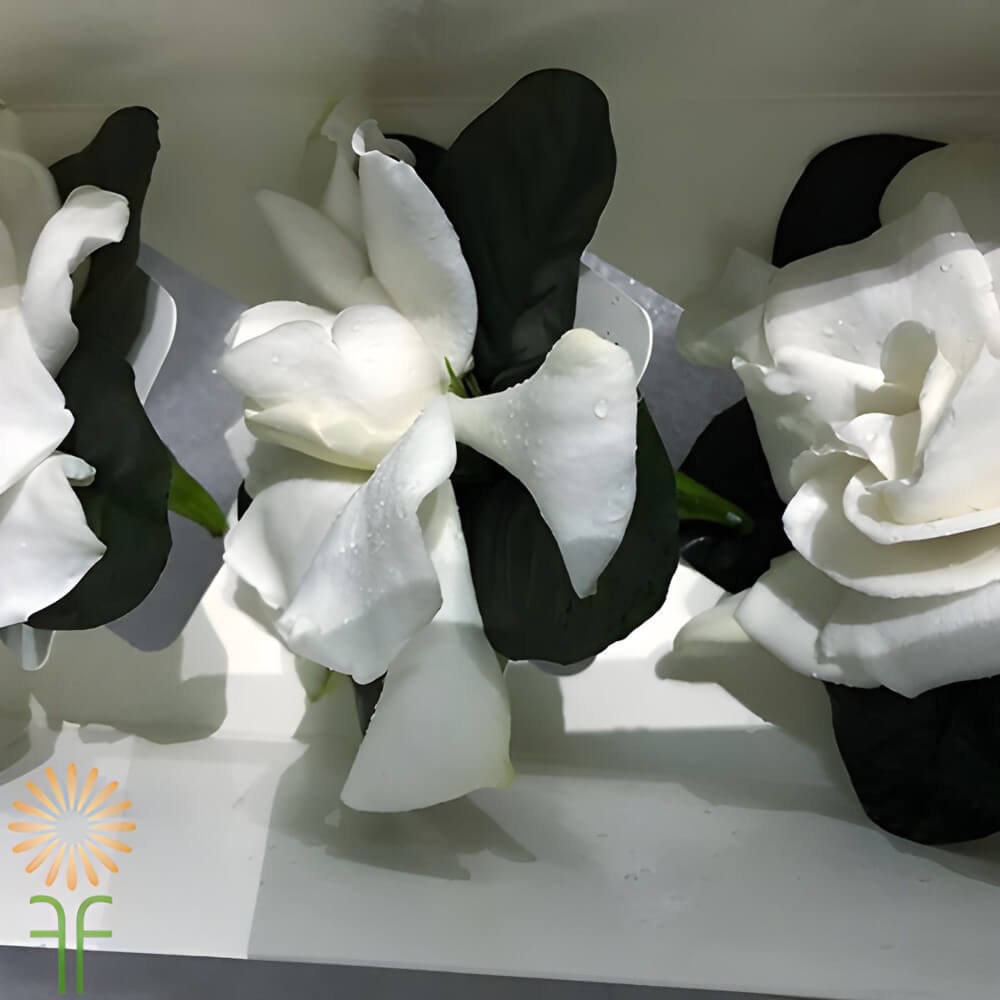
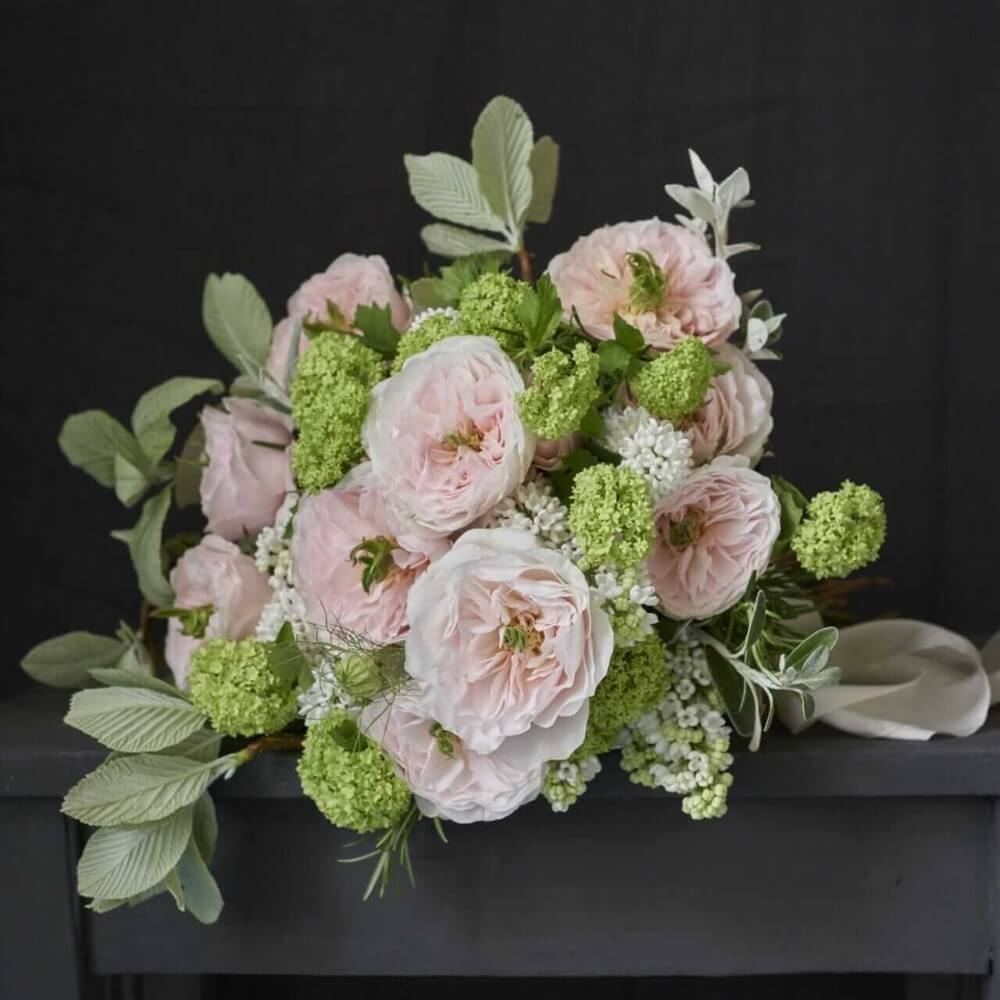
Selecting the right flowers is essential to achieving your desired wedding aesthetic. Consider the following floral arrangements:
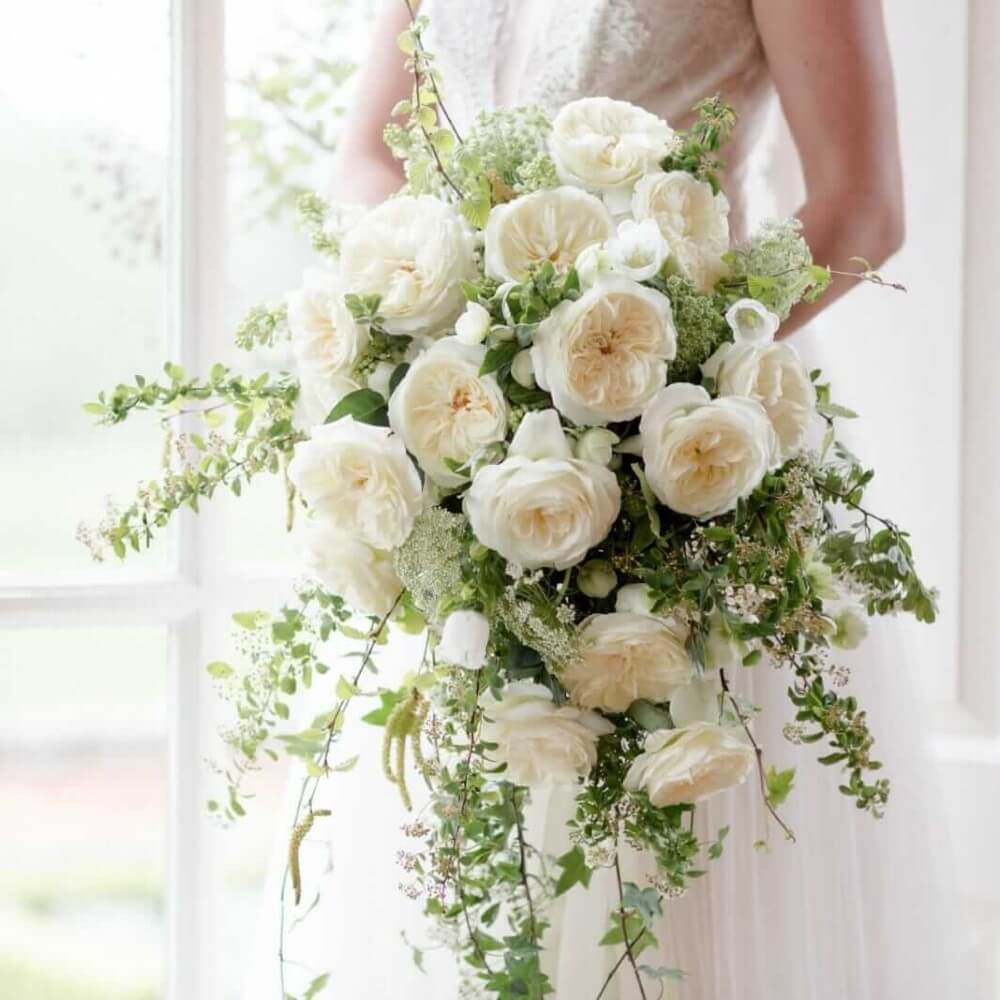
- Bridal Bouquet – A focal arrangement featuring a mix of primary flowers and greenery.
- Bridesmaid Bouquets – Coordinated with the bridal bouquet but often smaller and simpler.
- Boutonnières – Small, elegant floral arrangements for the groom and groomsmen.
- Corsages – Floral accents for mothers, grandmothers, and other honored guests.
- Centerpieces – Floral decorations for tables, ranging from single-stem vases to lush arrangements.
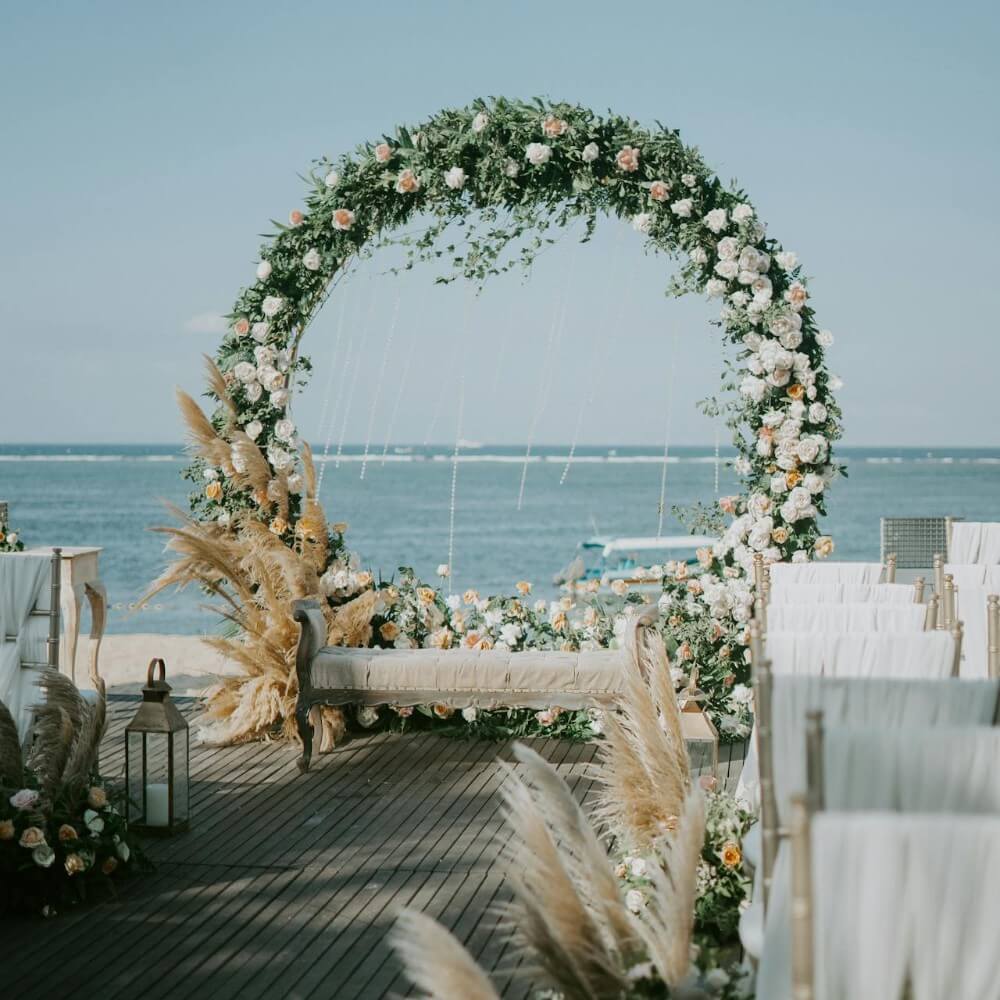
- Ceremony Flowers – Includes aisle markers, arch decorations, and altar arrangements.
- Reception Flowers – Cake florals, head table accents, and additional venue décor.
When and Where to Order Your Flowers
- Best Time to Order: Place orders 3-4 weeks before the wedding to ensure availability and freshness.
- Where to Buy: Trusted online wholesalers like Fabulous Florals offer high-quality, bulk pricing.
- Best Time for Delivery: Have flowers delivered 2-3 days before the wedding to allow for hydration and arrangement.
Storage Tips: Upon arrival, store flowers in a cool, well ventilated area away from direct sun with ample water to maintain freshness
David Austin Roses Gallery
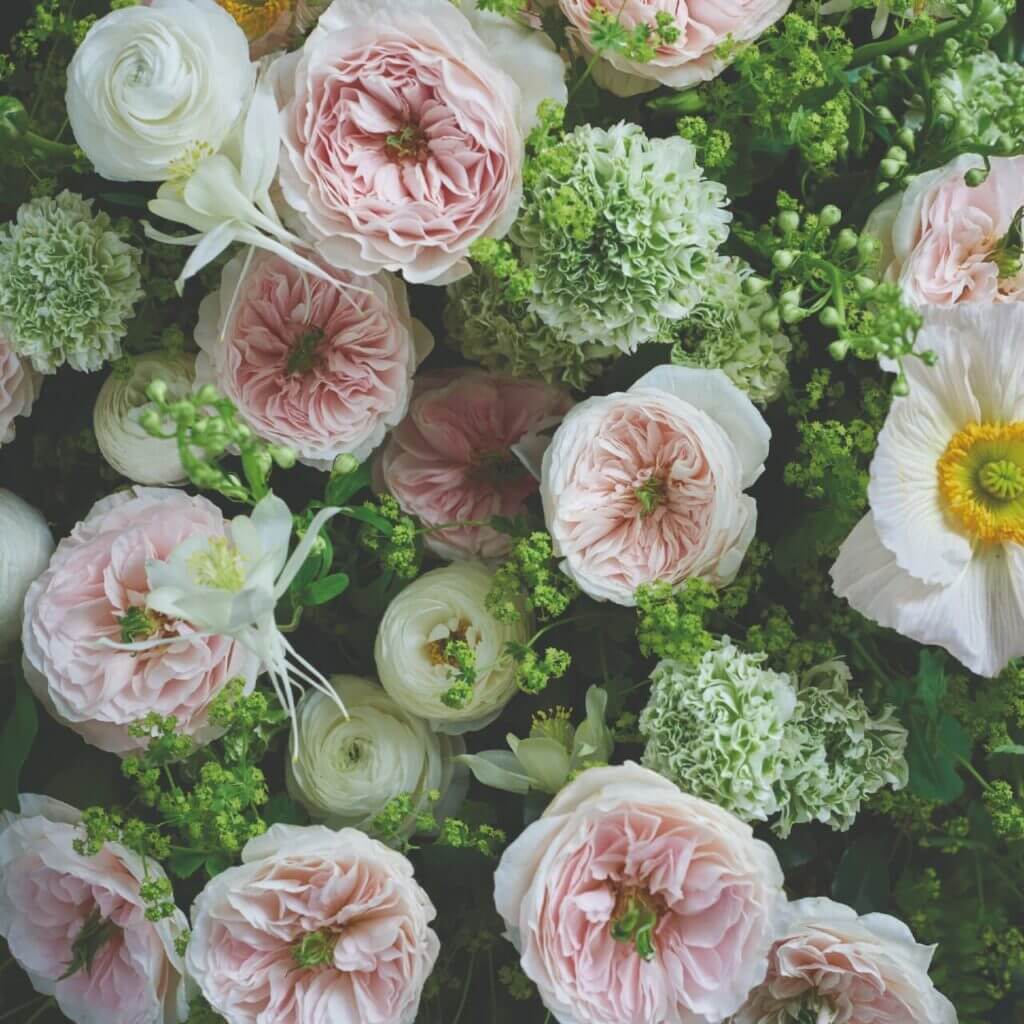
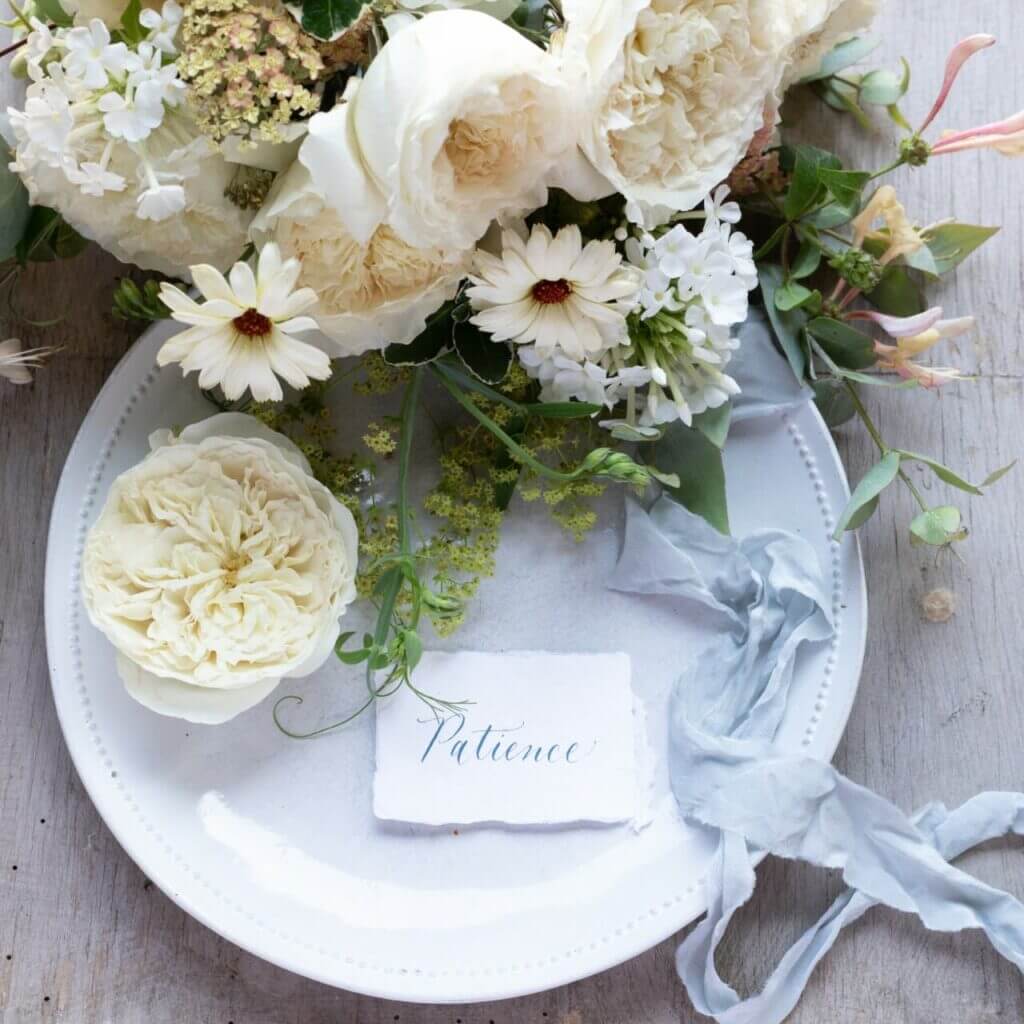
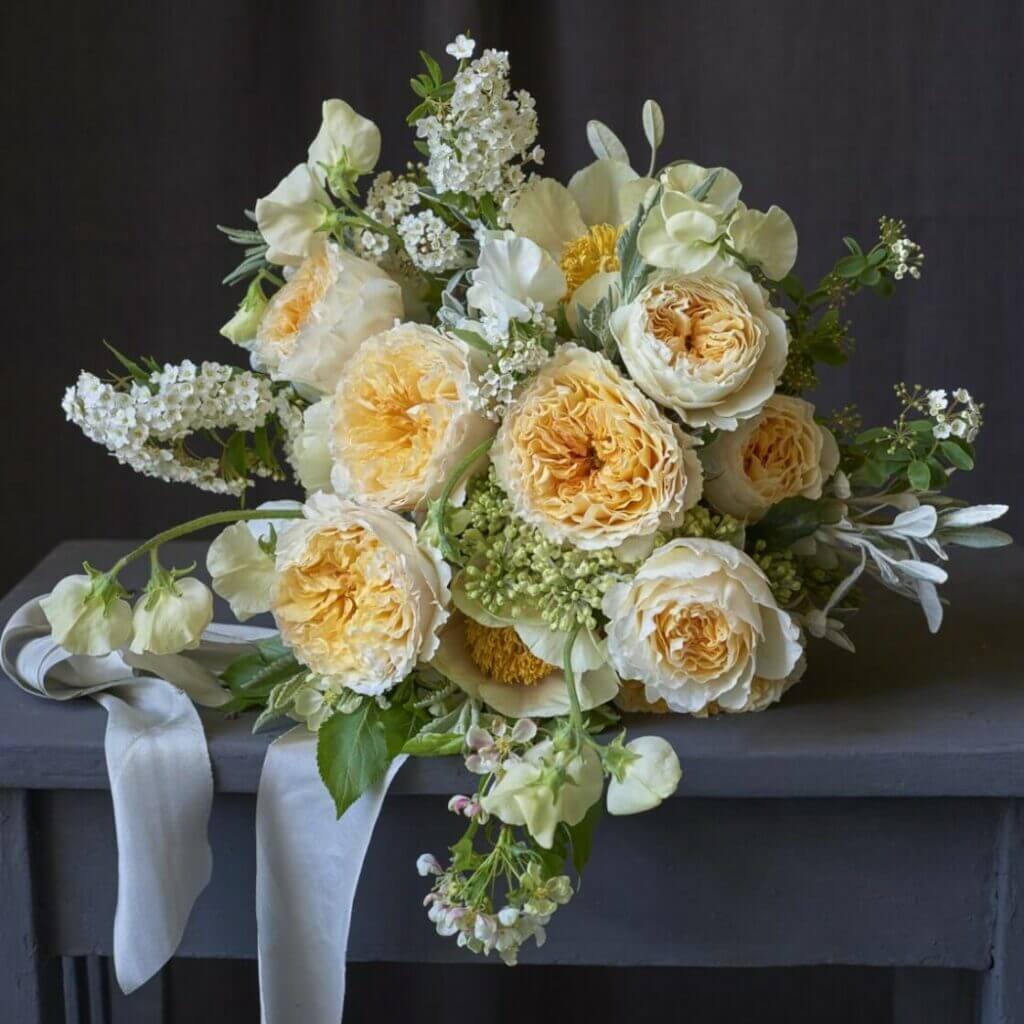
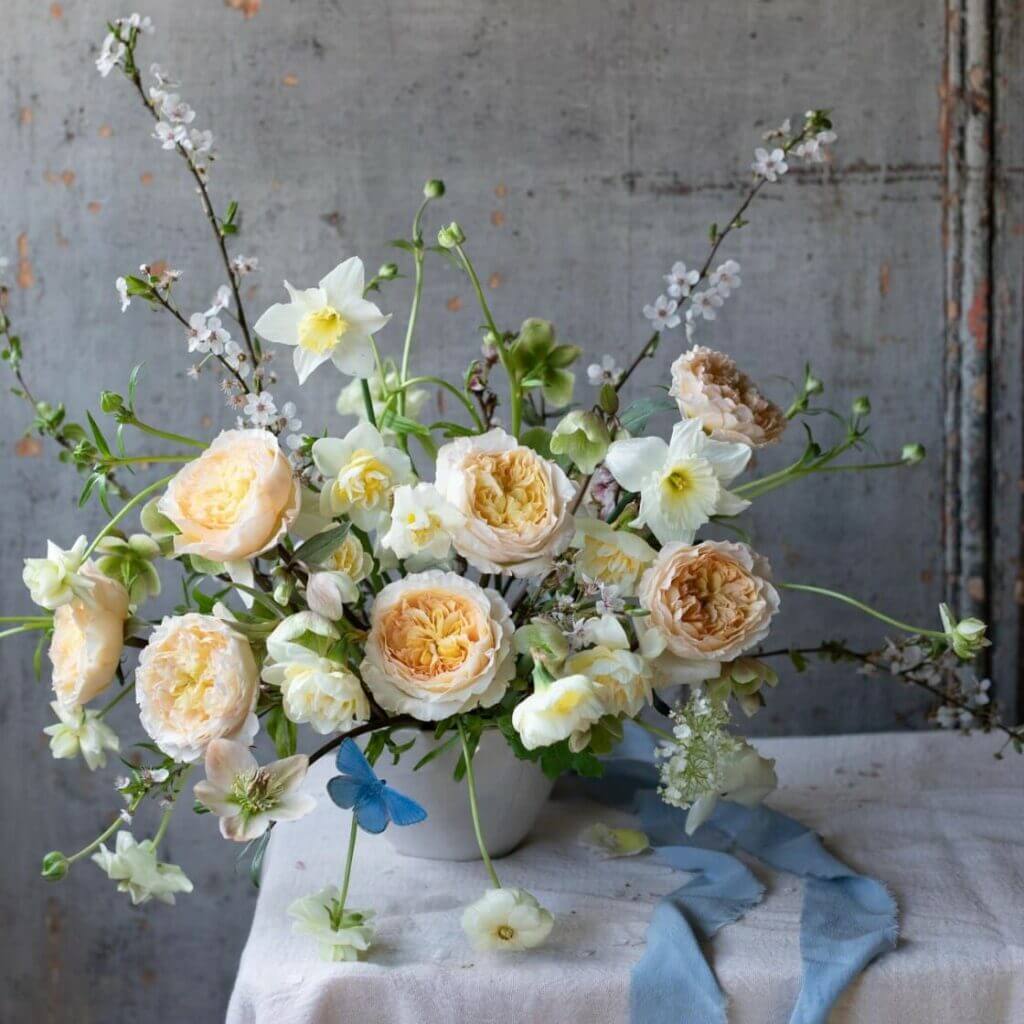
David Austin wedding roses are celebrated for their unrivaled beauty, exquisite fragrance, and unique characteristics that set them apart from other roses. These roses are the epitome of luxury and sophistication, making them a popular choice for weddings and special events.

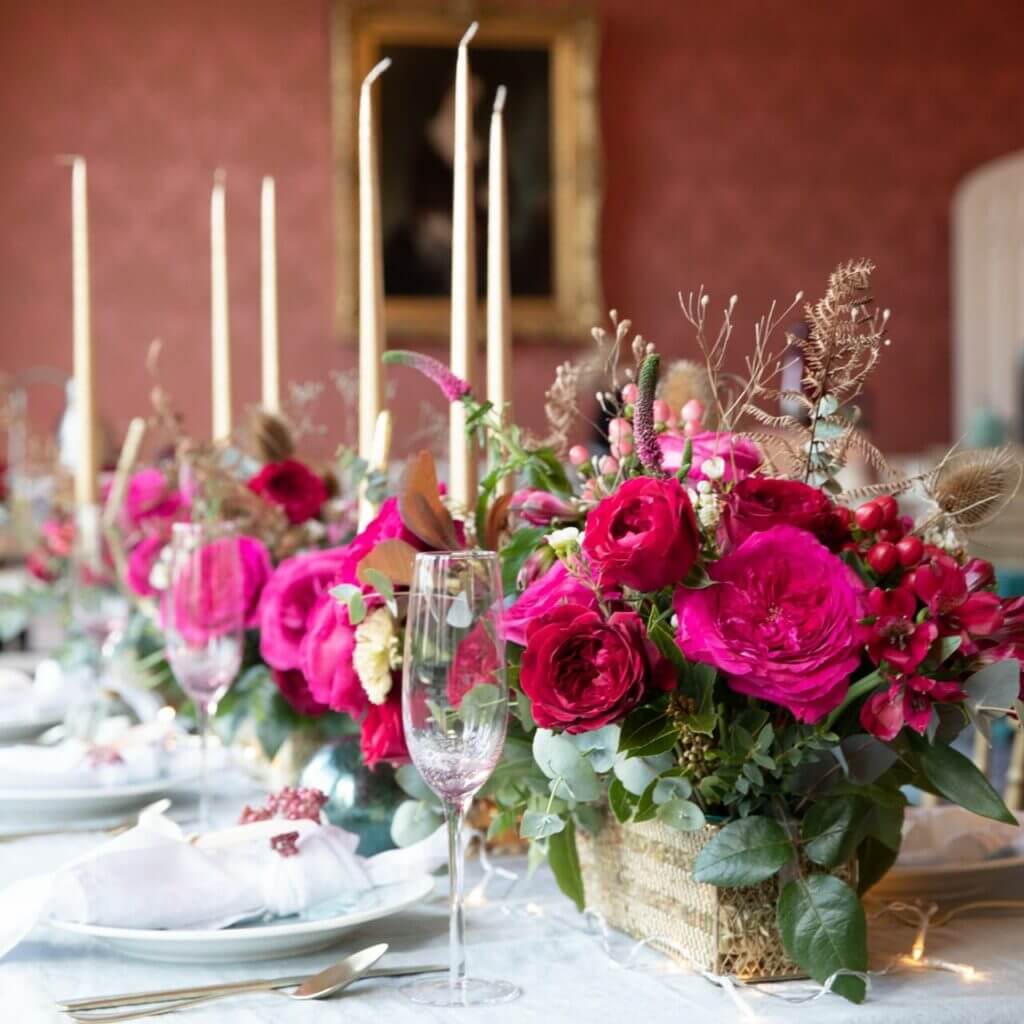
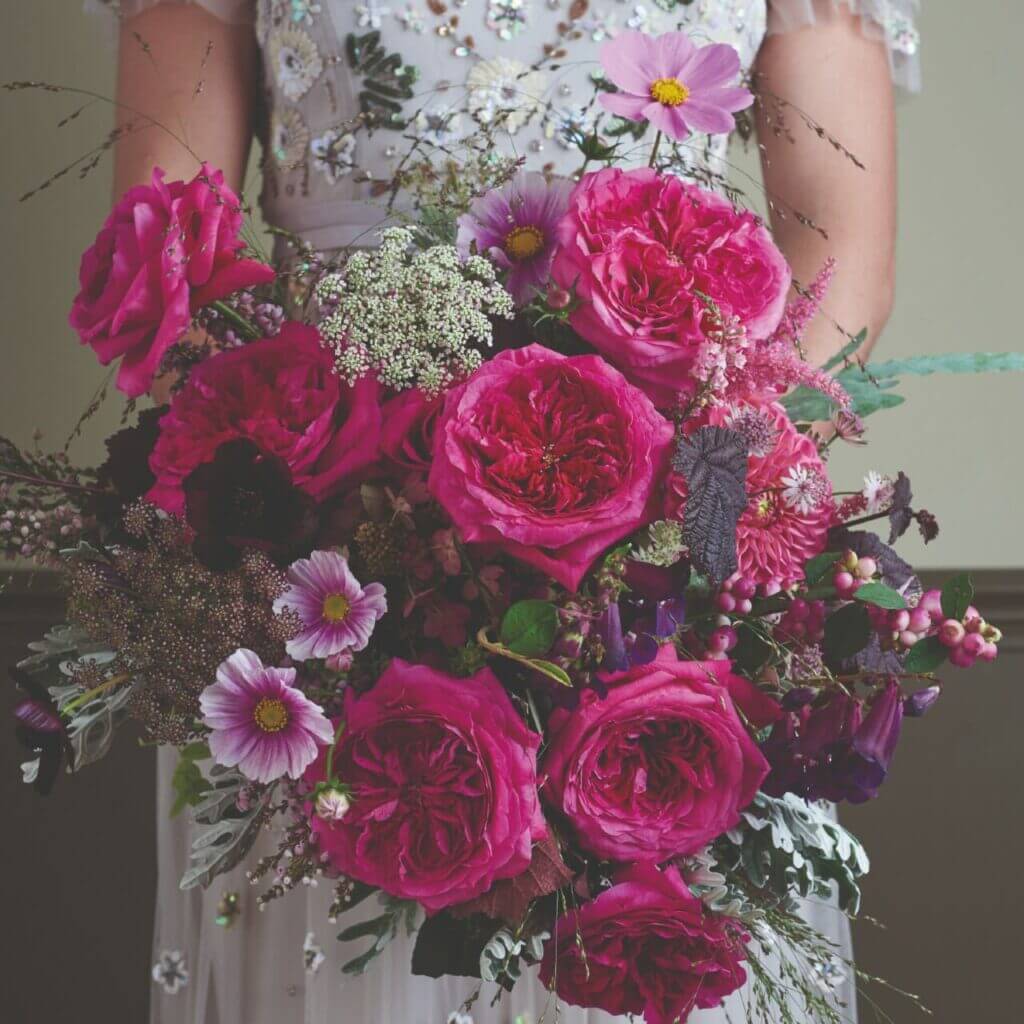
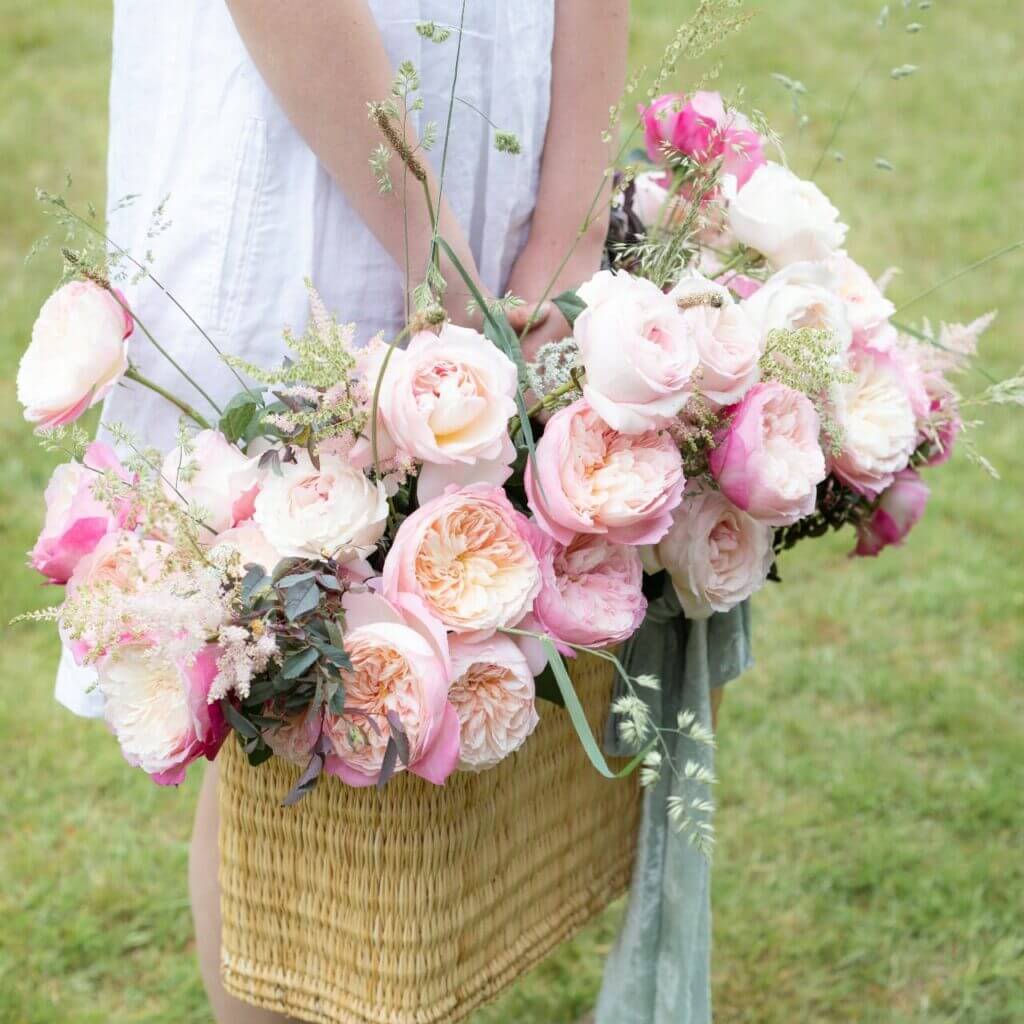
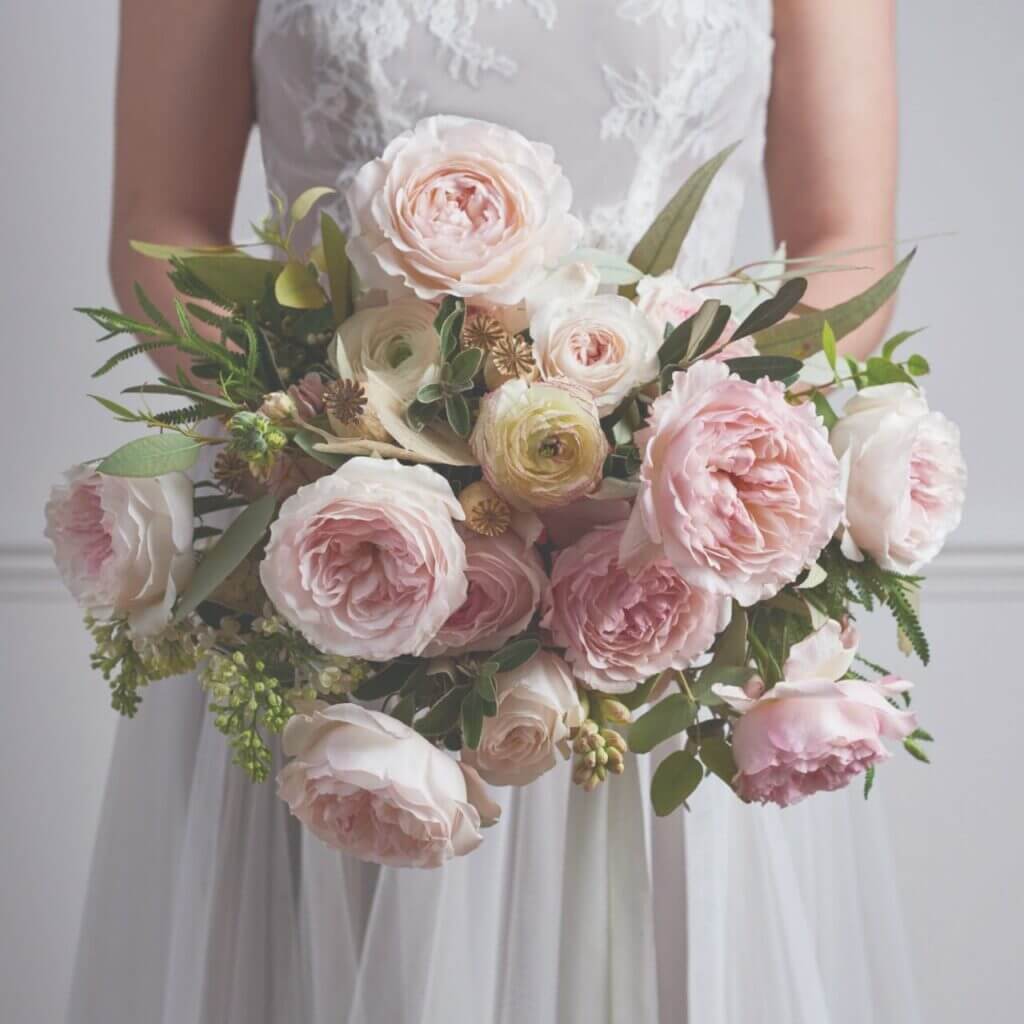
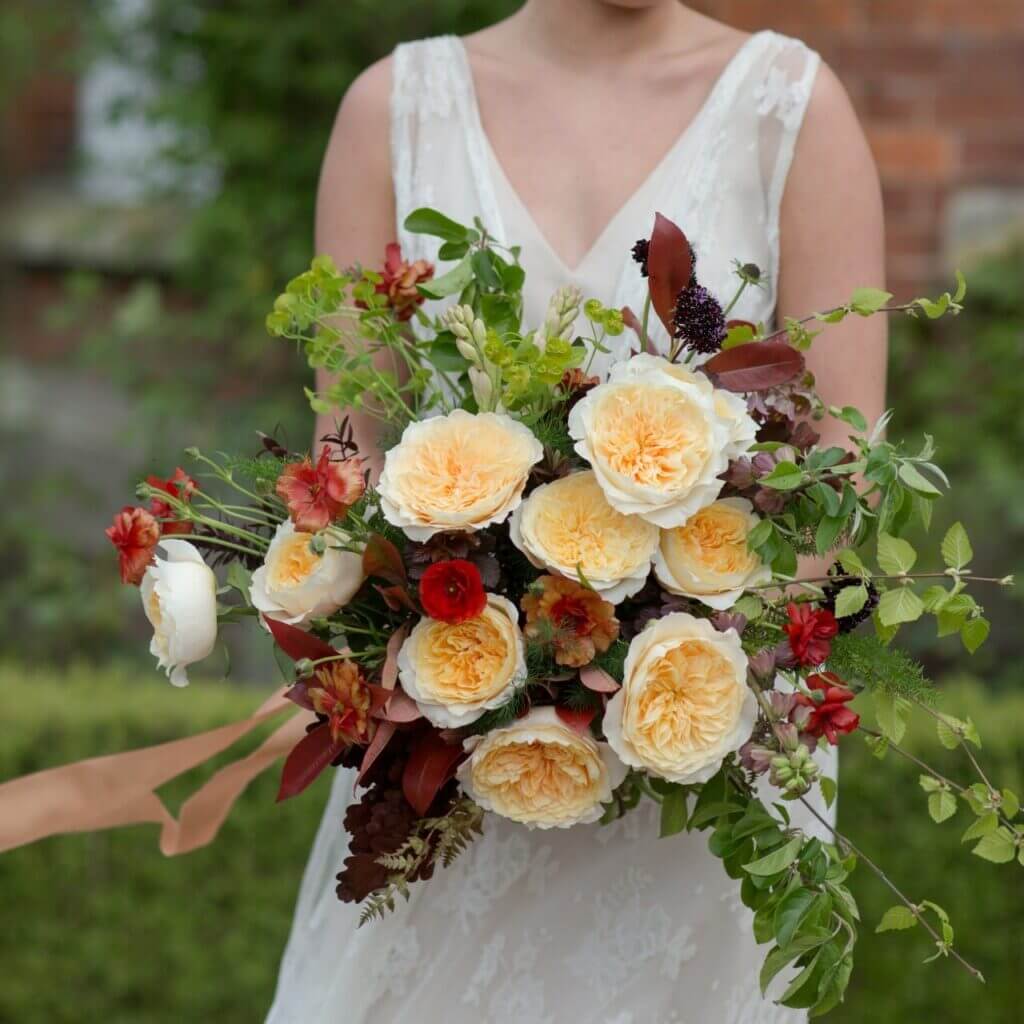
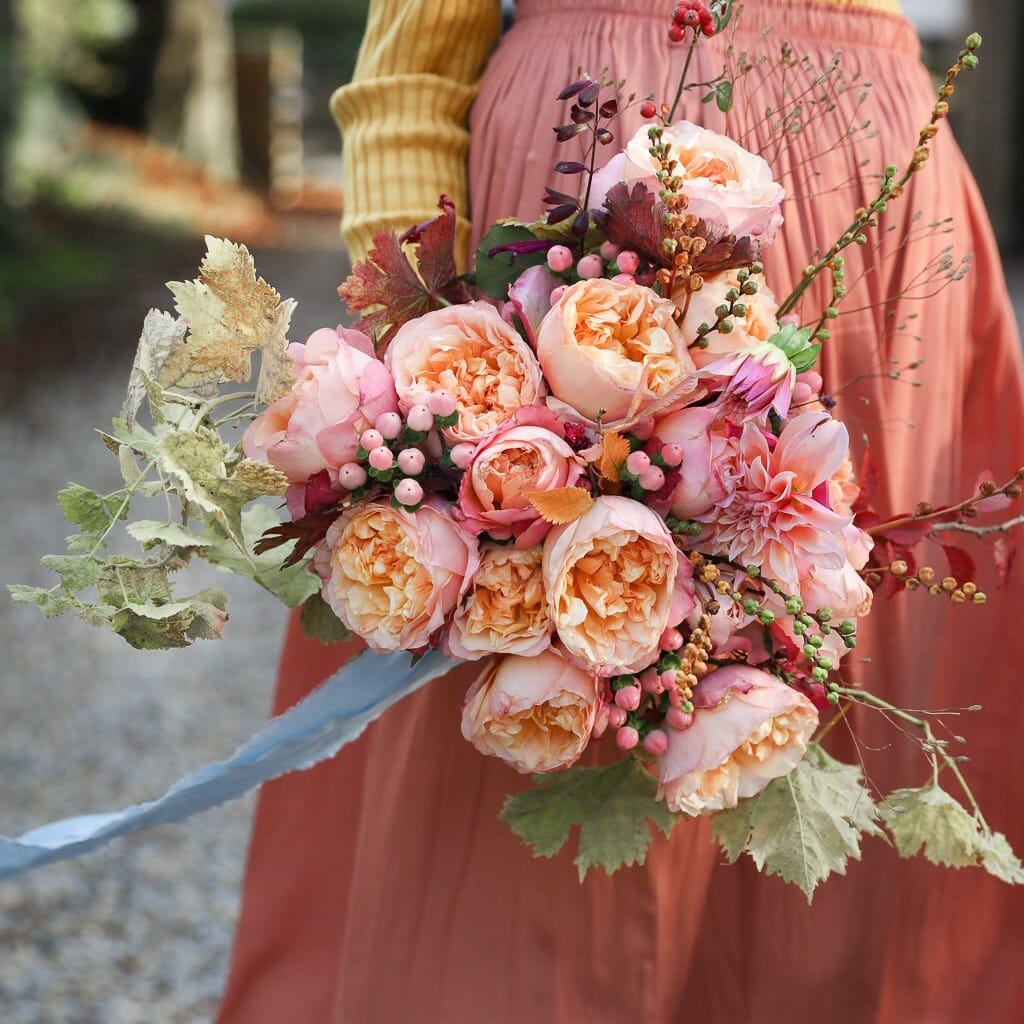
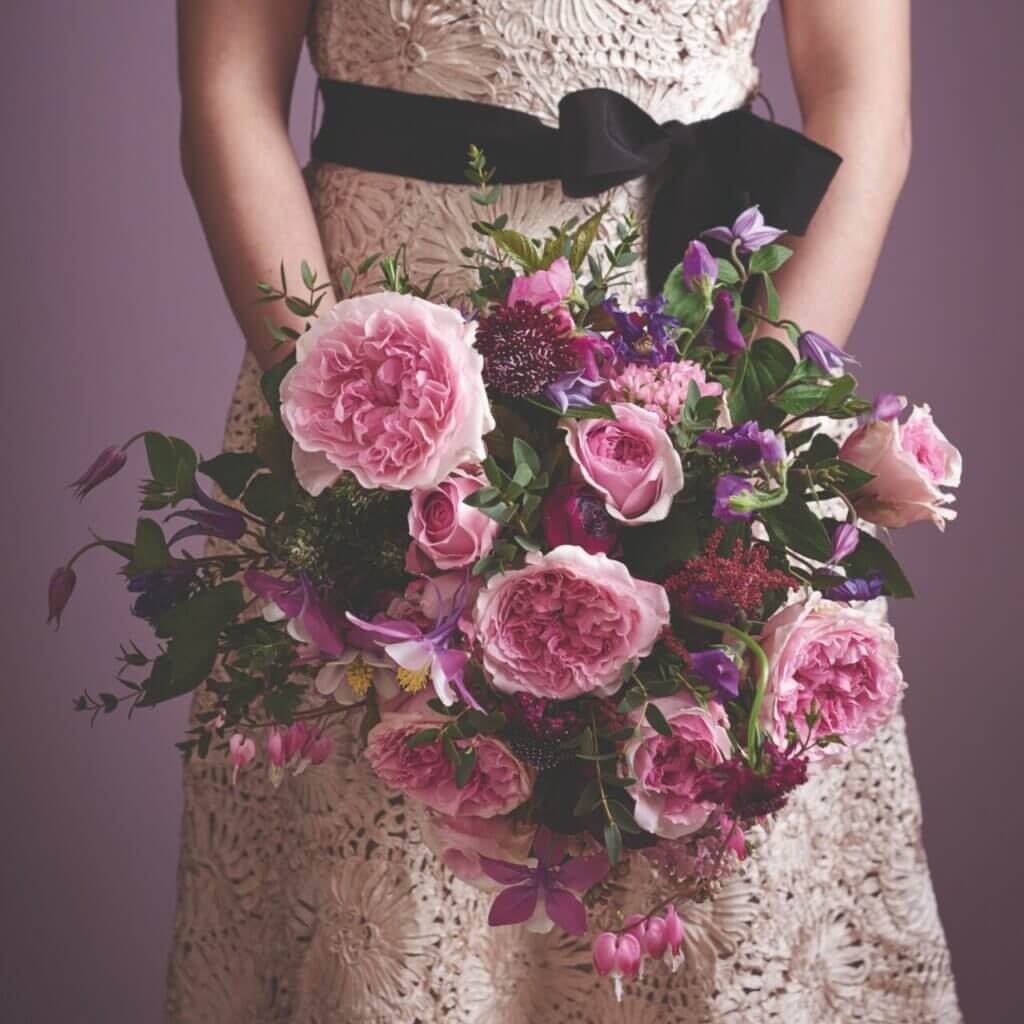
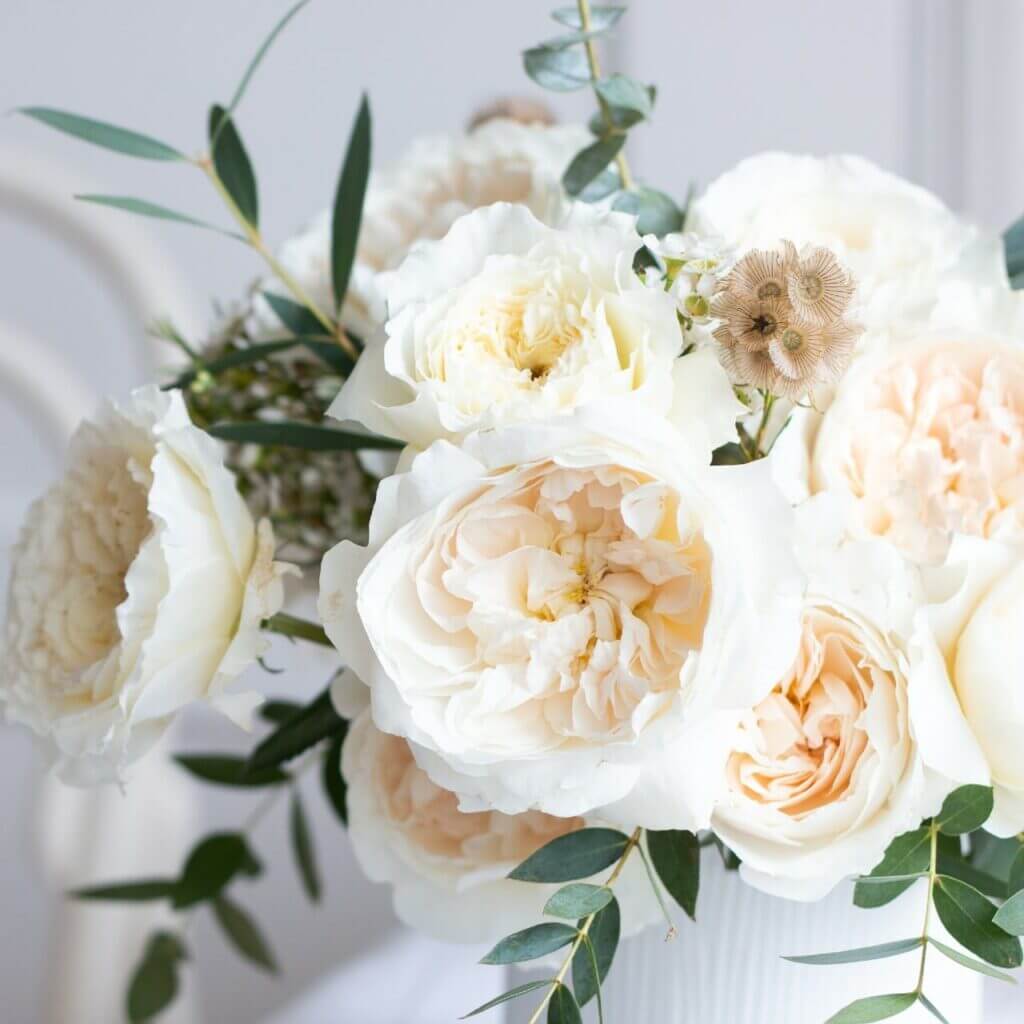
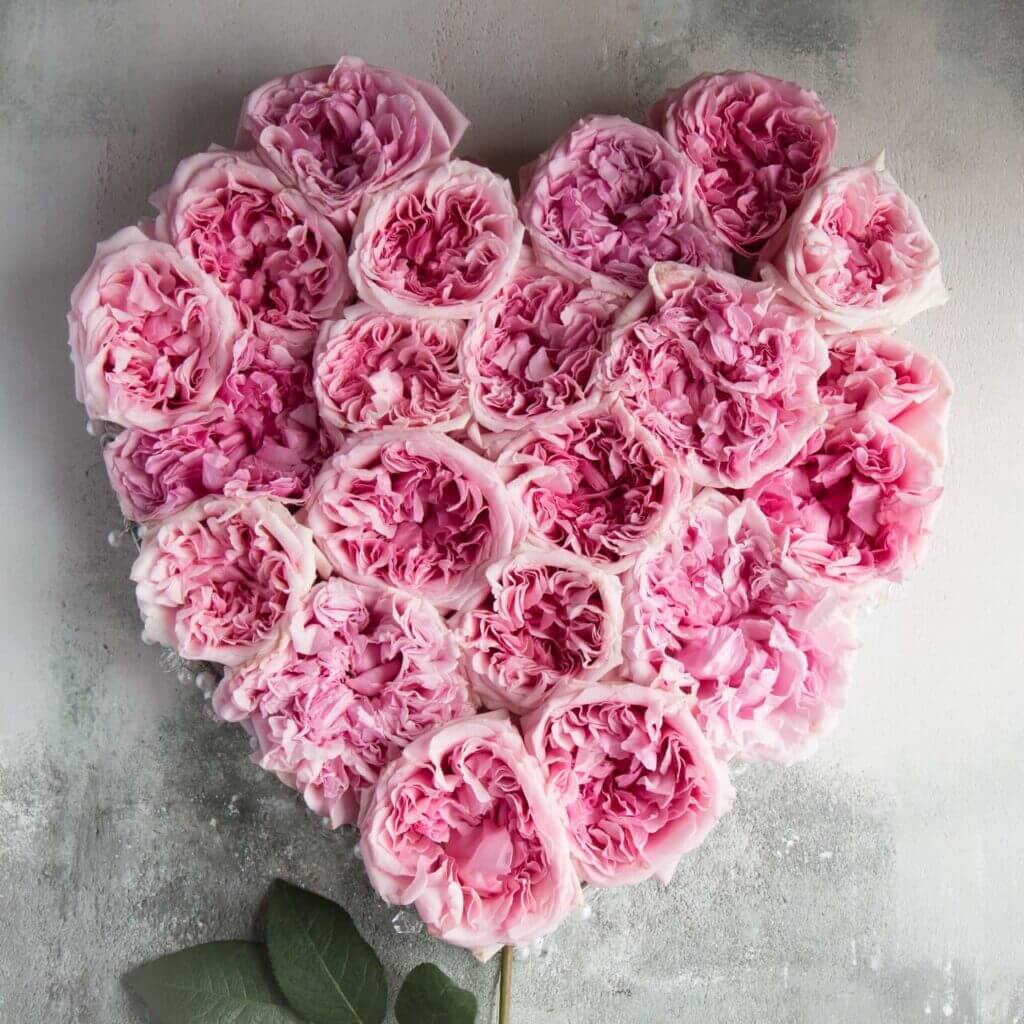
Credits for all contributors to David Austin Rose photos.
Wedding Flower Prep Checklist: Timeline for Success
3-4 Weeks Before the Wedding
- Finalize Flower Choices – Select seasonal flowers from a trusted wholesaler like Fabulous Florals.
- Confirm Your Order – Place your wholesale flower order at least 2-3 weeks in advance.
- Gather Tools & Supplies – Purchase scissors, floral tape, vases, buckets, floral foam, and wire cutters.
- Plan Floral Designs – Sketch or plan bouquets, centerpieces, boutonnieres, and ceremony decor.
1 Week Before the Wedding
- Confirm Delivery Date – Ensure flowers will arrive 2-3 days before the wedding.
- Set Up a Flower Prep Area – Choose a cool, well-lit workspace with ample counter space for arranging.
- Prepare Buckets & Storage Containers – Fill clean buckets with room-temperature water for hydration.
- Create a Setup Plan – Assign floral setup responsibilities to friends or family members.
2-3 Days Before the Wedding (Flower Delivery & Prep)
- Unpack & Inspect Flowers – Open the boxes and check for damaged or wilted blooms.
- Hydrate Flowers Immediately – Trim stems at a 45-degree angle and place them in clean water.
- Remove Excess Leaves & Foliage – Strip any leaves that will sit below the waterline.
- Allow Flowers to Hydrate – Let them sit in water for 4-12 hours before arranging.
- Store Flowers Properly – Keep in a cool, dark room away from direct sunlight and heat.
1 Day Before the Wedding (Assembling Arrangements)
- Arrange Bouquets & Centerpieces – Follow step-by-step guides for bouquets, boutonnieres, and centerpieces.
- Secure & Wrap Stems – Use floral tape and ribbon to wrap bouquets neatly.
- Store Arrangements in Water – Place bouquets in vases with fresh water until the wedding.
- Check Flower Hydration – Re-trim stems and refresh the water to keep flowers fresh.
Wedding Day (Setup & Final Touches)
- Mist Flowers Lightly – Use a fine water spray to refresh petals before setup.
- Transport Flowers Carefully – Use sturdy boxes or vases with water to prevent damage.
- Set Up Ceremony & Reception Flowers – Assign a floral team to place centerpieces and bouquets.
- Perform Last-Minute Fixes – Remove any wilted blooms and make adjustments as needed.
Protip: If time permits, order a small selection of your desired flowers and colors 4-6 weeks before the wedding and put together sample arrangements so you can actually see your vision come to life..
Next Steps
Now that you’ve chosen your flowers and planned your arrangements, the next step is learning how to design and assemble your DIY floral arrangements. The upcoming section will cover:
- Step-by-step guides for bouquets, centerpieces, and boutonnieres.
- Floral tools and techniques for professional-looking arrangements.
- How to store and transport flowers for the big day.
Bonus DIY Wedding Flower Videos by J Schwanke - Life in Bloom / uBloom
The videos below are featured from J Schwanke’s award-winning PBS series Life in Bloom and his extensive subscription library at watch.ubloom.com.
J has generously granted free access to these select videos for our visitors — content that’s normally behind a paywall.
The first time you click a video, you’ll be prompted to create a free uBloom account. Once registered, you’ll be able to view all listed videos without needing to sign up again.
A huge thank-you to J for sharing his expertise with our community.
If you’re looking for more guidance in designing your dream DIY wedding flowers, we highly recommend exploring a uBloom All Access Subscription — over 1,600 floral design videos for just $7.99/month.
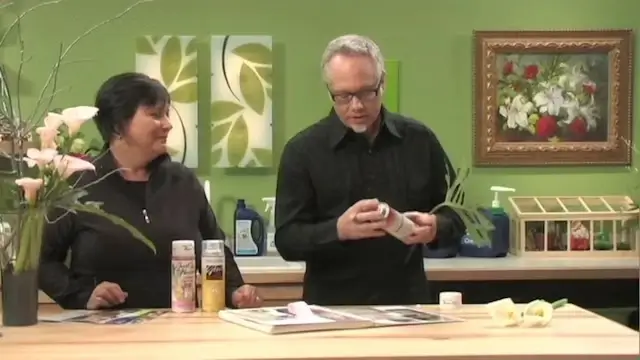
How to create Wedding Inspiration Boards!
Discover how to design a personalized wedding inspiration board that helps you choose flowers, colors, and themes with confidence.
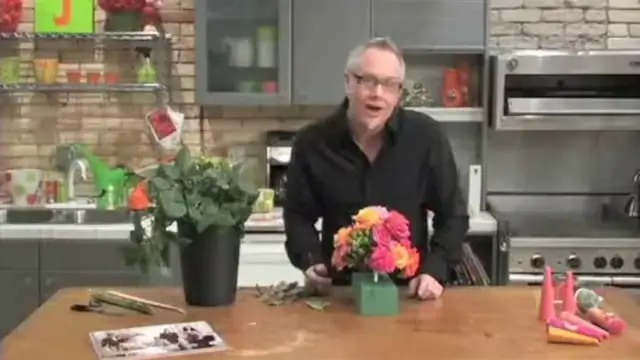
How to Create Beautiful, Bountiful Bridal Bouquets
Learn how to arrange lush, flowing bridal bouquets with plenty of volume and movement—ideal for garden or romantic wedding styles.
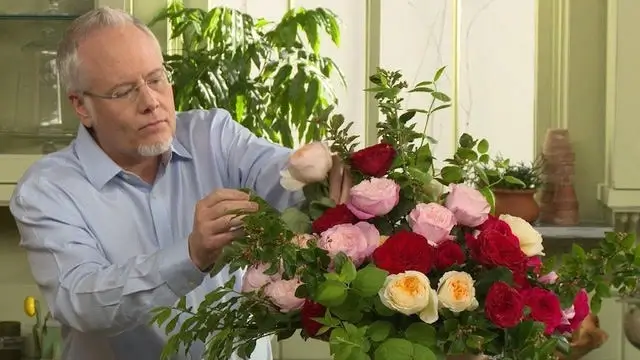
Rose Bouquets for Weddings
Life in Bloom Season 13 – David Austin Rose Arrangement
Learn how to create romantic, garden-style wedding bouquets using premium David Austin roses and classic floral techniques.
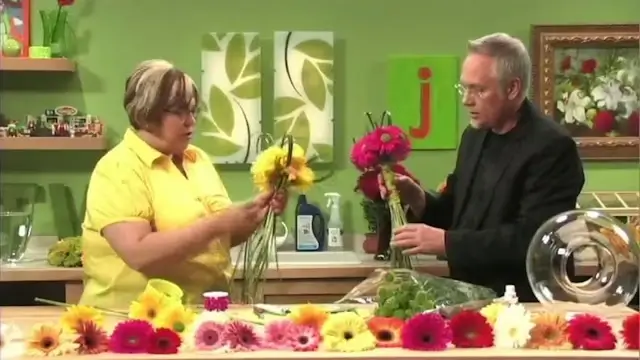
Unique Gerbera Daisy Arrangements for Weddings
Discover bold, cheerful wedding arrangements featuring Gerbera daisies, ideal for modern, budget-friendly designs.
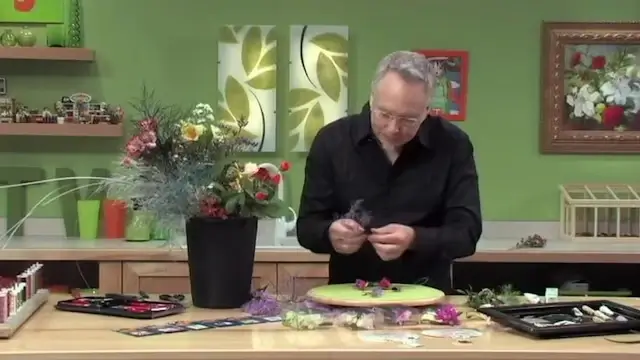
DIY Wedding Boutonniere – Life in Bloom with J Schwanke
Learn how to make your own elegant, long-lasting boutonnieres with this quick and easy floral design tutorial.
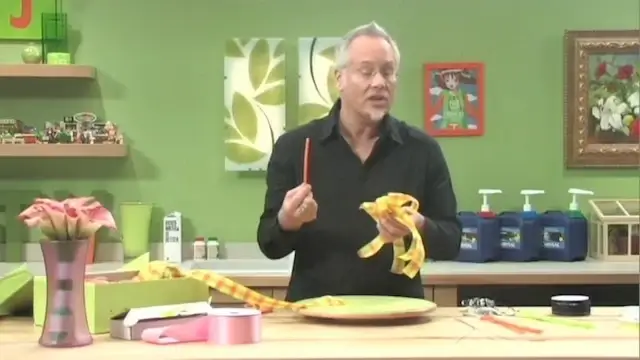
How to Tie Bows for Vases, Corsages, and Bridal Bouquets
Learn the simple technique for tying beautiful, professional-looking bows that elevate vases, corsages, and wedding bouquets with a polished finish.
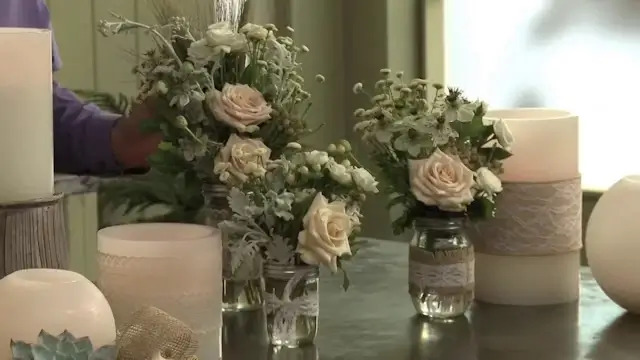
Mason Jar Wedding Decorations
Get step-by-step guidance on creating rustic wedding décor using mason jars, perfect for centerpieces, aisle markers, and casual charm.
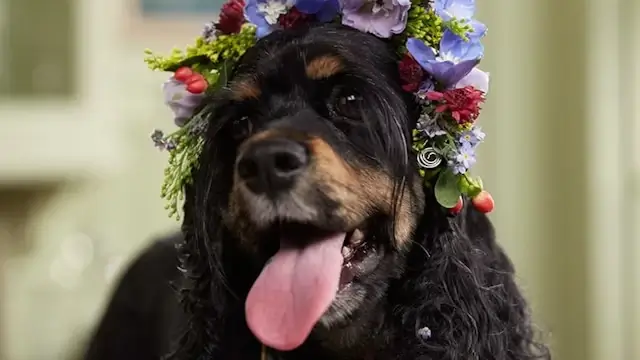
How to Make a Flower Crown for Dogs
Make your dog part of your special day with this fun tutorial on crafting a lightweight, comfortable flower crown for pets.
Step-by-Step Guides for DIY Floral Wedding Arrangements
How to Make a DIY Bridal Bouquet
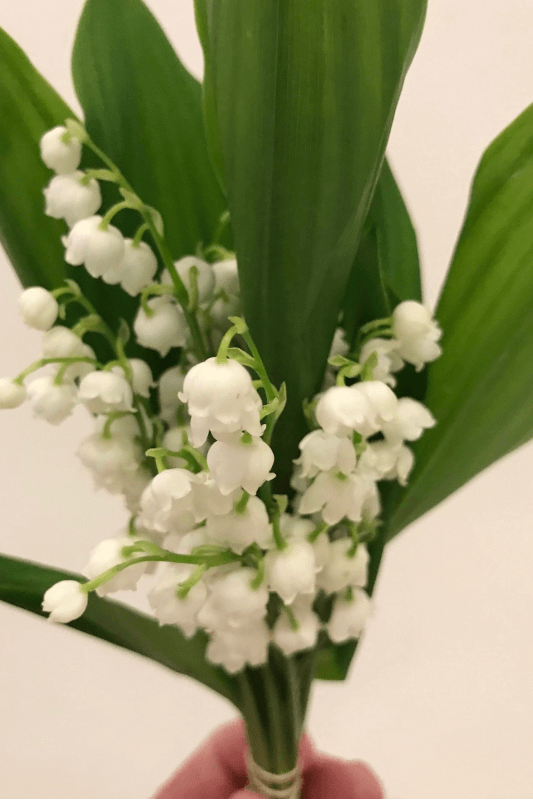
- Choose Your Flowers and Greenery – Select a mix of primary blooms, fillers, and greenery that match your wedding theme.
- Prepare Your Flowers – Trim stems at a 45-degree angle and remove excess leaves.
- Create a Base Structure – Start with a few key blooms and build around them.
- Layer the Flowers – Add in complementary flowers in a natural, spiraling motion.
- Secure the Bouquet – Wrap the stems tightly with floral tape and finish with ribbon.
- Store Properly – Keep in fresh water until the wedding day.
How to Make DIY Centerpieces
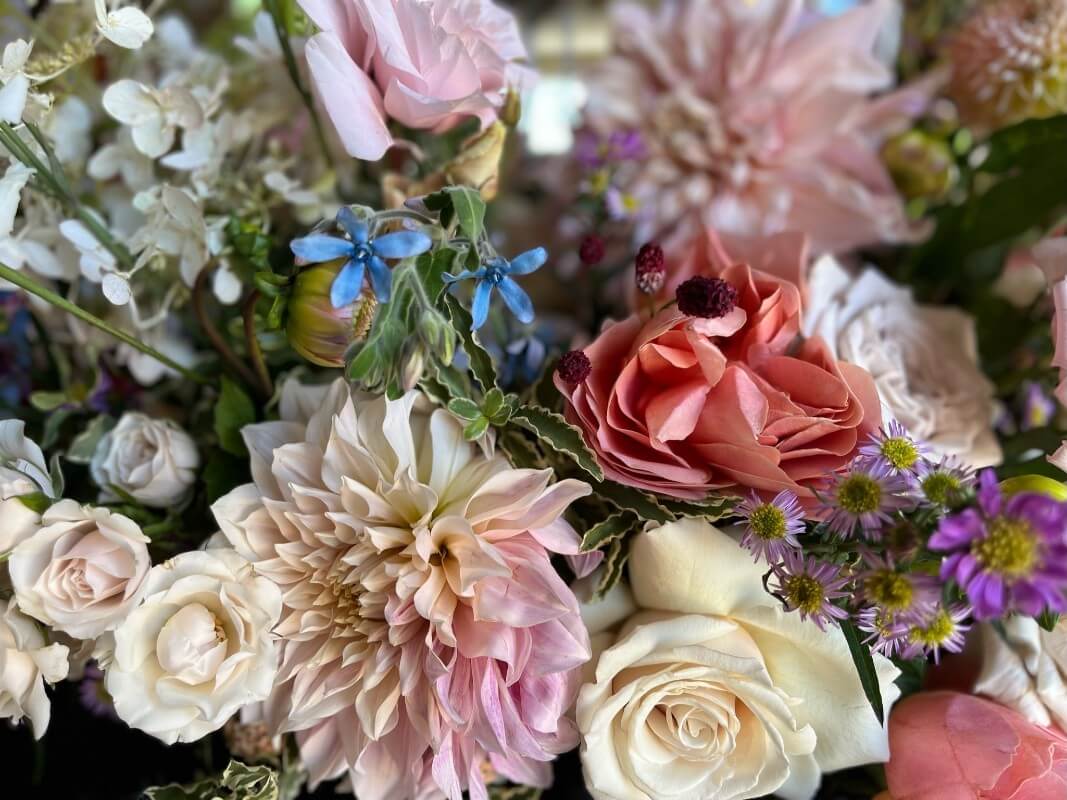
- Select a Vase or Container – Consider height, width, and color.
- Use Floral Foam or a Grid – This helps flowers stay in place.
- Add Greenery First – Create a foundation before adding flowers.
- Insert Larger Blooms – Place statement flowers first.
- Fill with Smaller Flowers – Use complementary flowers and fillers.
- Hydrate and Store – Keep arrangements cool and hydrated.
How to Make Boutonnières
- Choose a Feature Flower – A small, sturdy bloom like a rose or ranunculus.
- Trim and Wire Stems – Strengthen with floral wire if needed.
- Add Greenery or Accent Flowers – Use small sprigs of greenery or baby’s breath.
- Wrap with Floral Tape – Secure tightly and wrap neatly.
- Pin to Lapel – Attach with a pearl-headed pin on the wedding day.
How to Make a Floral Wedding Arch
- Choose Your Frame – Use a sturdy arch or construct one with metal or wood.
- Secure a Base Layer of Greenery – Attach with floral wire or zip ties.
- Add Focal Flowers – Place large statement blooms in key areas.
- Fill with Secondary Flowers – Balance the design by filling gaps with smaller blooms.
- Ensure Stability – Secure all flowers tightly to prevent shifting.
- Hydrate if Possible – Mist with water if setting up in advance.
Essential Tools and Supplies for DIY Wedding Flowers
What Floral Tools Do You Need?
Scissors, Snips, and Wire Cutters
- Floral Scissors – Designed for precise cutting without crushing stems, essential for delicate blooms.
- Floral Snips – Ideal for trimming smaller flowers and greenery with clean cuts.
- Wire Cutters – Needed for cutting floral wire, zip ties, and reinforced stems.
Floral Tape, Glue, and Zip Ties
- Floral Tape – Helps secure bouquet stems and boutonnieres while keeping hydration intact.
- Floral Glue – Best for assembling corsages, securing small blooms, and delicate floral designs.
- Zip Ties – Useful for attaching flowers to structures such as arches and larger arrangements.
How to Choose the Right Vases and Containers
Budget-Friendly Vase Alternatives
- Mason Jars – A popular, rustic option that is cost-effective and easy to decorate.
- Recycled Bottles and Jugs – Great for vintage or eco-friendly weddings with unique aesthetics.
- Wholesale Cylinder Vases – Available in bulk and offer a sleek, modern look.
Choosing the Right Size and Shape
- Tall Vases – Perfect for statement arrangements featuring long-stemmed flowers.
- Low and Wide Vessels – Ideal for full centerpieces while allowing easy conversation flow.
- Bud Vases – Great for accenting tables with single stems for a minimalist touch.
Additional Supplies That Make DIY Flowers Easier
Buckets, Floral Foam, and Chicken Wire
- Buckets – Essential for hydrating flowers upon arrival and during arrangement prep.
- Floral Foam – Helps secure flowers in structured centerpieces and installations.
- Chicken Wire – A sustainable alternative to floral foam, providing stability for arrangements.
Next Steps
With your floral arrangements designed, the next step is learning how to store, transport, and set up your flowers on the wedding day. The upcoming section will cover:
- How to keep flowers fresh until the ceremony.
- Best practices for transporting bouquets and centerpieces.
- Wedding day setup tips for a stress-free experience.
Unpacking, Preparing, and Keeping Flowers Fresh
Unpacking Your Flowers
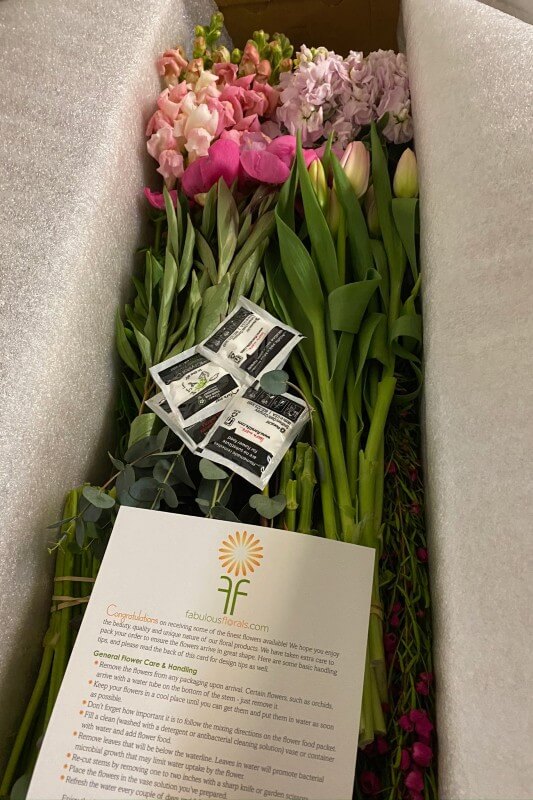
- Inspect the Boxes Immediately – Open your flower boxes upon arrival and check for any signs of damage or wilting. Fresh flowers may appear slightly droopy after shipping, which is normal.
- Remove Any Packaging Materials – Take out paper wraps, rubber bands, and any protective padding to allow air circulation.
- Sort by Flower Type – Group flowers by variety to make the conditioning process easier.
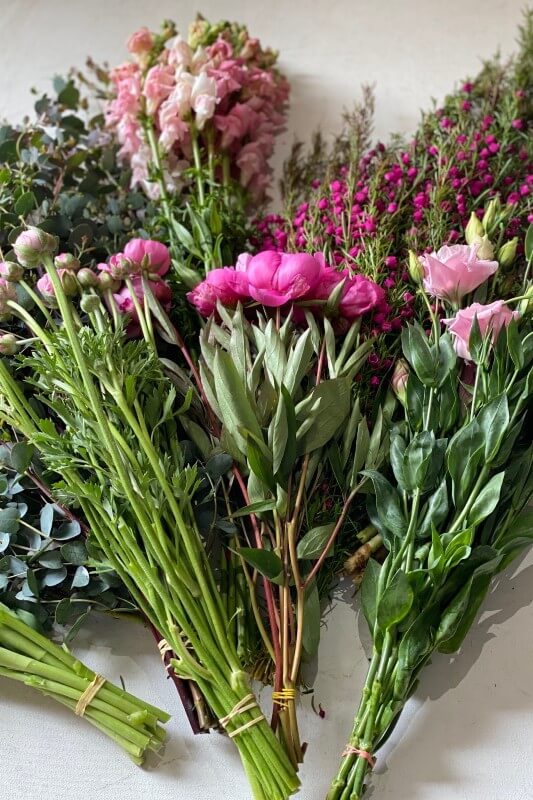
Note: After travelling for two days, flowers need to be rehydrated. You will be surprised at how much water they will absorb and how fast they will bounce back. Always follow the instructions that are included with your shipment.
Preparing and Conditioning Your Flowers
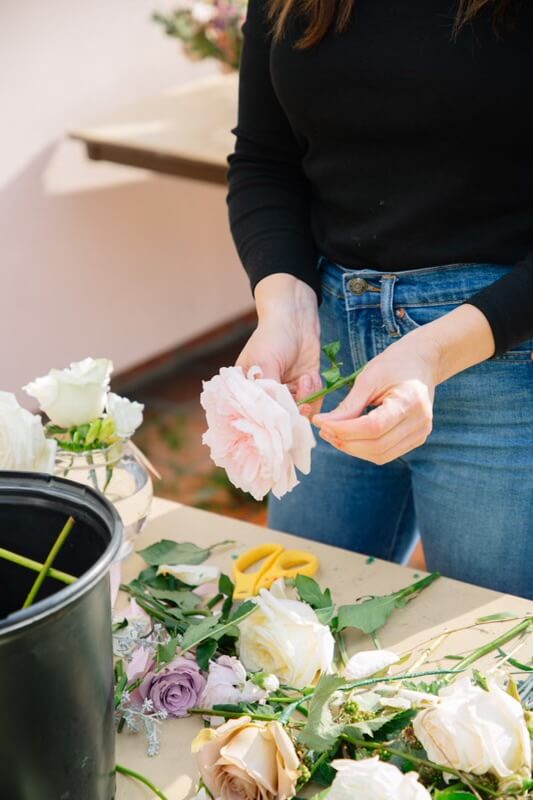
- Trim the Stems – Using sharp floral shears, cut at least 1-2 inches off each stem at a 45-degree angle. This increases water absorption.
- Remove Excess Leaves and Foliage – Strip leaves that will sit below the waterline to prevent bacterial growth.
- Place in Water Immediately – Use clean vases or buckets filled with lukewarm water to encourage hydration.
- Let Flowers Hydrate for 4-12 Hours – Flowers need time to rehydrate and regain their structure before arranging.
- Use Flower Food – Add commercial flower food to the water to prolong freshness.
Keeping Flowers Fresh Until the Ceremony
- How to store wedding flowers overnight: Keep flowers in a cool, dark room between 35-45°F (1-7°C). If you do not have refrigeration, choose the coolest area in your house and avoid heat sources.
- How often should you change water for wedding flowers? Replace water every 24 hours, ensuring that stems are trimmed at a 45-degree angle for maximum hydration.
- Best way to keep wedding flowers from wilting: Mist petals lightly using a fine water spray to prevent dehydration, but avoid soaking delicate blooms like hydrangeas or ranunculus.
- How to stop wedding flowers from turning brown before the ceremony: Keep them away from ethylene-producing fruits like apples and bananas, which release gas that speeds up decay.
Common Mistakes That Cause Flowers to Wilt (And How to Avoid Them)
- Not Cutting Stems Properly – Always cut stems at a 45-degree angle to maximize water absorption.
- Using Dirty Containers – Bacteria in unclean vases or buckets can shorten flower lifespan.
- Storing Near Ethylene-Producing Fruits – Avoid placing flowers near ripening fruits like apples and bananas, which release ethylene gas and accelerate wilting.
- Overcrowding in Buckets – Flowers need space for water absorption and airflow.
- Ignoring Water Levels – Always ensure stems remain submerged to prevent dehydration.
Transporting Bouquets and Centerpieces
- Use Sturdy Containers – Transport flowers upright in buckets or containers with 1-2 inches of water to keep stems hydrated.
- Wrap Bouquets in Damp Towels – Keeps stems fresh during transit.
- Secure Arrangements with Floral Foam – Prevents movement and damage to centerpieces during transportation.
Wedding Day Setup Tips
- Set Up Early – Allocate at least 2-3 hours for floral setup at the venue.
- Have a Dedicated Setup Team – Assign floral responsibilities to trusted friends or family members.
- Keep a Spray Bottle Handy – Lightly mist flowers before the ceremony to maintain freshness.
- Check for Wilting and Make Adjustments – Remove any flowers that show signs of stress and replace as needed.
Last-Minute Fixes for Drooping Flowers
- Submerge Wilted Flowers in Cold Water – For quick revival, place drooping flowers in cold water for 30 minutes.
- Use the Boiling Water Method – If stems are air-blocked, trim them and dip the ends into boiling water for 30 seconds before placing them in fresh water.
- Mist Petals Lightly – A fine spray of water can help refresh dried-out petals but avoid excessive moisture on delicate blooms.
- Keep Flowers Cool Until Setup – Use refrigeration or a cool storage area to maintain freshness.
- Remove Any Fading Blooms – This prevents decay from spreading to healthy flowers.
How to Preserve and Repurpose Your Wedding Bouquet
Wedding flowers represent cherished memories from your special day, and preserving them allows you to keep those moments alive long after the celebration. Whether you want to display your bouquet as a keepsake, press flowers for decor, or repurpose them for home use, there are multiple ways to extend the life of your wedding blooms.
How to Reuse Ceremony Flowers for the Reception
Repurposing ceremony flowers for the reception helps reduce waste and maximize your budget. Here’s how you can transition floral decor between wedding events:
Creative Ways to Repurpose Flowers
- Aisle Markers → Guest Table Centerpieces – Simply transfer small aisle arrangements into vases.
- Wedding Arch Flowers → Sweetheart Table or Cake Table – Take arch flowers and drape them over the couple’s table for a seamless design.
- Bridesmaid Bouquets → Accent Floral Arrangements – Place bridesmaid bouquets in vases at the bar, guestbook table, or restrooms.
- Pew/Chair Flowers → Cocktail Hour Decor – Small floral ties on chairs can be moved to lounge areas.
- Floral Installations → Photo Booth Backdrops – Move large floral displays behind a photo booth to extend their use.
Tips for a Smooth Transition
- Assign a floral setup team – Have a trusted person or vendor responsible for moving and rearranging florals.
- Use floral foam or water tubes – Keeps flowers fresh when being transported.
- Prepare extra vases – Have empty containers filled with fresh water ready to store and rehydrate flowers.
How to Preserve Your Wedding Bouquet
There are multiple ways to preserve bridal bouquets and floral arrangements, depending on how you’d like to display or repurpose them.
1. Air Drying for a Rustic Look
Best for: Aged, rustic keepsakes with a natural feel
- Method: Tie bouquet stems together with twine and hang upside down in a dry, dark space for 2-3 weeks.
- Best Flowers: Roses, baby’s breath, lavender, eucalyptus.
- Pro Tip: Spray dried flowers with hairspray or floral sealant to minimize crumbling.
2. Pressing Flowers for Flat Keepsakes
Best for: Framing, scrapbooking, or resin art
- Method: Place flowers between parchment paper inside a heavy book and press for 2-4 weeks.
- Best Flowers: Anemones, daisies, hydrangeas, violets, baby’s breath.
- Creative Uses: Pressed flowers can be framed, turned into bookmarks, or used for invitations.
3. Resin Preservation for a 3D Keepsake
Best for: Creating jewelry, coasters, paperweights, and home decor
- Method: Fully dry flowers, then encase them in clear epoxy resin using a mold.
- Best Flowers: Roses, orchids, peonies, ranunculus.
- Pro Tip: Work with a professional resin artist for a flawless, bubble-free finish.
4. Freeze-Drying for a Long-Lasting Display
Best for: Keeping flowers as close to their original state as possible
- Method: Flowers are placed in a freeze-drying machine to remove moisture while retaining color and shape.
- Best Flowers: Peonies, roses, tulips, calla lilies.
- Pro Tip: This method is best done professionally, as at-home freeze-drying can be difficult.
5. Creating a Bouquet Shadow Box
Best for: Displaying flowers as a framed keepsake
- Method: Place dried flowers in a shadow box frame, arranging them to maintain the bouquet’s shape.
- Pro Tip: Combine with wedding invitations, photos, or ribbons to create a personalized wedding memento.
How to Store and Preserve Dried or Pressed Flowers
If you’ve preserved your flowers, proper storage ensures they last for years.
- Avoid direct sunlight – Sunlight fades dried flowers over time.
- Store in a cool, dry space – Keep away from humidity to prevent mold growth.
- Use silica gel packets – Absorbs excess moisture in shadow boxes or storage containers.
- Dust regularly – Use a soft brush or compressed air to remove dust from framed flowers or dried arrangements.
How to Preserve Your Wedding Bouquet
Want to keep your bridal bouquet as a memory of your special day? There are several ways to preserve flowers, ranging from traditional air-drying to modern resin encapsulation.
Air Drying, Pressing, and Resin Preservation
1. Air Drying Your Bouquet (Best for rustic, dried-flower aesthetics)
- Method: Tie the bouquet with twine and hang it upside down in a dry, dark space for 2-3 weeks.
- Best For: Flowers like roses, lavender, and baby's breath that dry well.
- Pro Tip: Spray with hairspray or floral sealant to prevent crumbling over time.
2. Pressing Flowers for Framing (Best for flat keepsakes and DIY projects)
- Method: Place flowers between parchment paper and press them under a heavy book for 2-4 weeks.
- Best For: Flowers with thin petals, such as daisies, anemones, and violets.
- Creative Uses: Frame pressed flowers in a shadow box or create bookmarks, greeting cards, or resin art.
3. Preserving in Resin for a 3D Keepsake (Best for long-lasting floral preservation)
- Method: Fully dry flowers, then encase them in clear epoxy resin using molds (coasters, paperweights, or jewelry).
- Best For: Bold blooms like roses, orchids, and peonies.
- Pro Tip: Work with a professional resin artist if you want a flawless finish for a sentimental piece.
Final Tips for a Stress-Free DIY Wedding Flower Experience
DIY wedding flowers can be a rewarding and cost-saving experience, but they also require planning and organization. The following tips will help you avoid common pitfalls, know when to seek help, and stay stress-free throughout the process.
Remember - everyone loves fresh flowers. Don’t stress over the arrangements being perfect. Everyone will love them and they are fun to put together.
Common Mistakes DIY Brides Make (And How to Avoid Them)
Even the most organized brides can run into issues with DIY flowers. Here are some of the most common mistakes and how to prevent them.
1. Underestimating the Time Needed for Arranging Flowers
- Mistake: Thinking bouquets and centerpieces will come together in an hour.
- Solution: Allocate at least 6-8 hours for flower prep and assembly. Start arranging one to two days before the wedding.
2. Choosing Flowers That Wilt Quickly
- Mistake: Selecting delicate blooms (e.g., poppies, gardenias) that may not last through the wedding day.
- Solution: Use hardy flowers like roses, carnations, and chrysanthemums, which hold up well under different conditions.
3. Forgetting to Hydrate Flowers Properly
- Mistake: Leaving flowers out without water for extended periods.
- Solution: Always store flowers in clean, fresh water and change it daily. Use floral foam or water tubes for hydration in arrangements.
4. Not Having the Right Tools and Supplies
- Mistake: Using household scissors instead of proper floral shears.
- Solution: Gather all essential tools (scissors, floral tape, wire, buckets) before starting.
5. Overcomplicating the Floral Designs or Overloading the Vase
- Mistake: Attempting intricate, large-scale arrangements without experience.
- Solution: Keep designs simple and elegant. Stick to classic styles that don’t require extensive floral design knowledge.
When to Ask for Professional Help
DIY doesn’t have to mean doing everything alone. Knowing when to seek help can save time and stress.
1. You Have a Large Wedding (150+ Guests)
- Sign You Need Help: If you need dozens of centerpieces and bouquets, it may be overwhelming.
- Solution: Consider hiring a floral assistant or asking friends/family for help with prep work.
2. You Want a Large Floral Installation (Arch, Hanging Florals, or Suspended Arrangements)
- Sign You Need Help: Large floral structures require stability, time, and professional techniques.
- Solution: Hire a florist just for installations while DIYing the simpler arrangements.
3. You’re Unsure About Flower Handling & Storage
- Sign You Need Help: If you're nervous about storing, hydrating, or transporting flowers, it’s worth consulting a florist.
- Solution: Many florists offer partial services (like flower conditioning) without full-service pricing.
4. You’re Feeling Overwhelmed
- Sign You Need Help: If wedding planning is already stressful, DIY flowers can add extra pressure.
- Solution: Delegate tasks to friends, family, or wedding coordinators for setup and floral moving.
How to Stay Organized and Stress-Free
The key to a stress-free DIY floral experience is organization and preparation. Follow these tips to stay on track.
1. Make a Detailed Flower Plan
- What to Do: Write down every floral arrangement needed, including bouquets, centerpieces, and ceremony decor.
- Bonus Tip: Sketch rough floral layouts to visualize placement.
2. Set Up a Floral Prep Station
- What to Do: Designate a cool, well-lit space with tables for arranging flowers.
- Bonus Tip: Use waterproof tablecloths or disposable craft paper to minimize mess.
3. Do a Practice Run
- What to Do: Before ordering bulk flowers, try arranging a test bouquet or centerpiece.
- Bonus Tip: Time yourself to see how long each arrangement takes.
4. Assemble a Wedding Day Flower Team
- What to Do: Assign friends or family members to transport and set up flowers.
- Bonus Tip: Have a flower emergency kit with extra stems, tape, scissors, and water tubes.
5. Relax and Enjoy the Process
- What to Do: Remember that floral imperfections won’t be noticed. Guests will love the personal touch.
- Bonus Tip: Turn flower arranging into a fun pre-wedding event with bridesmaids or family members.
FAQ: Everything You Need to Know About DIY Wedding Flowers
Conclusion: Bringing Your DIY Wedding Flowers to Life
Creating DIY wedding flowers is more than just a cost-saving decision—it’s an opportunity to add a deeply personal touch to your wedding day. Whether you’re crafting simple centerpieces or designing a breathtaking floral arch, the process allows you to infuse your love, creativity, and vision into each arrangement.
By following this guide, you now have the knowledge and tools to confidently plan, source, arrange, and care for your wedding flowers. With the right preparation, a solid timeline, and a bit of floral creativity, you can create stunning arrangements that look professionally designed—without the additional cost of a florist.
Key Takeaways for a Successful DIY Floral Experience
- Plan Ahead – Give yourself enough time to choose flowers, practice arrangements, and organize supplies.
- Choose the Right Flowers – Consider seasonality, durability, and fragrance when selecting blooms.
- Hydration and Storage Matter – Keep flowers fresh by properly conditioning, storing, and transporting them.
- Simplicity is Key – Stick to realistic floral designs that you can execute with confidence.
- Ask for Help When Needed – Whether it’s friends, family, or a florist for specific tasks, do not hesitate to get assistance.
- Enjoy the Process – DIY wedding flowers should be a fun and fulfilling experience, not a stressful one.
What’s Next?
Now that you have a complete guide to DIY wedding flowers, here are your next steps:
- Gather Your Tools & Supplies – Make sure you have all the necessary floral tools, vases, and materials.
- Choose Your Flowers & Order in Advance – Select seasonal blooms from a trusted wholesale supplier like Fabulous Florals.
- Practice Your Arrangements – Do a test run with a few flowers to refine your technique.
- Assemble a Team – Enlist friends, family, or a planner to help with floral setup.
- Enjoy the Beauty of Your Handmade Arrangements
We’d Love to See Your Creations
We hope this guide empowers you to create breathtaking floral arrangements for your big day. Share your DIY wedding flower photos and tag us @fabulousfloral on social media—we would love to celebrate your floral masterpieces.
Have any questions? Check out The Fabulous Florals Blog and learn how to create arrangements, holiday or event centerpieces, and wedding bouquets like a pro.
Happy arranging, and congratulations on your wedding!