

Hand-Selected Purple Flowers for Rich, Colorful Wedding Palettes
Wholesale Purple Flowers for Weddings & Events
Purple flowers bring rich color and depth to DIY weddings and events. From purple lisianthus and anemones to campanula, hyacinth, orchids, statice, and allium, this collection includes fresh-cut wholesale purple flowers suited for bouquets, centerpieces, ceremony flowers, and installations. Purple flowers pair well with Lavender Flowers, White Flowers, and Green Flowers for layered wedding palettes with contrast and texture. Every order is inspected and packed at our Carpinteria, California facility to support freshness, consistency, and quality.
Need help selecting the right shade or variety? Contact our floral team for guidance.
Overview | Pairing Guide | Stem Counts | Seasonality | FAQs | Shop Flowers
Shop Purple Flowers
Purple flowers add bold color, contrast, and depth to wedding flowers and event designs. This color family includes violet, royal purple, medium purple, and rich purple tones that stand apart from softer lavender flowers and darker plum flowers.
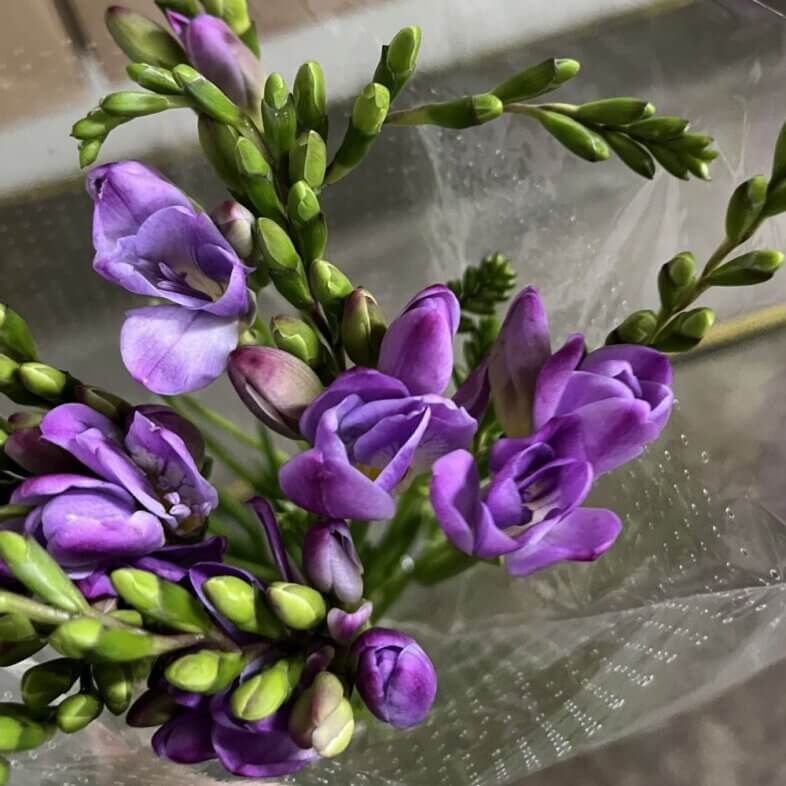
Our wholesale purple flowers include lisianthus, anemones, campanula, hyacinth, orchids, statice, allium, mums, larkspur, delphinium, and other fresh-cut varieties. Use them in bouquets, centerpieces, ceremony flowers, floral arches, and reception arrangements when you want a clear purple color story.



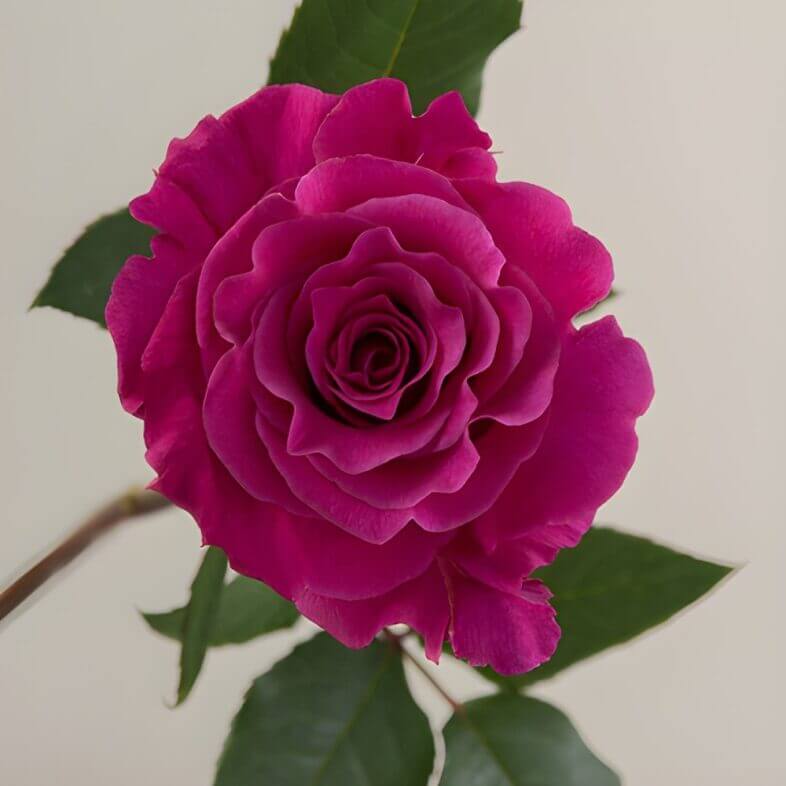
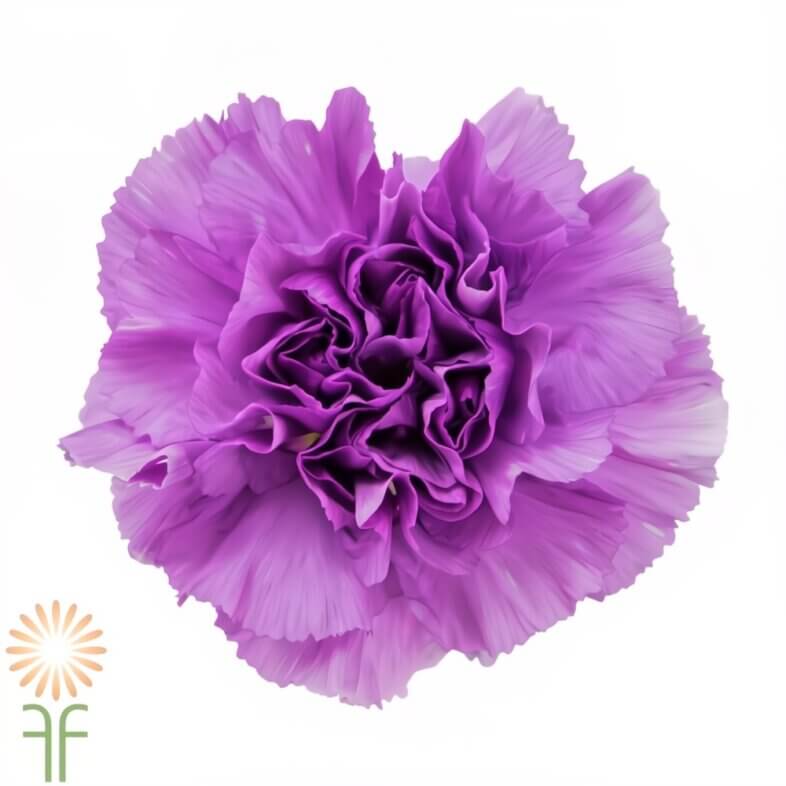


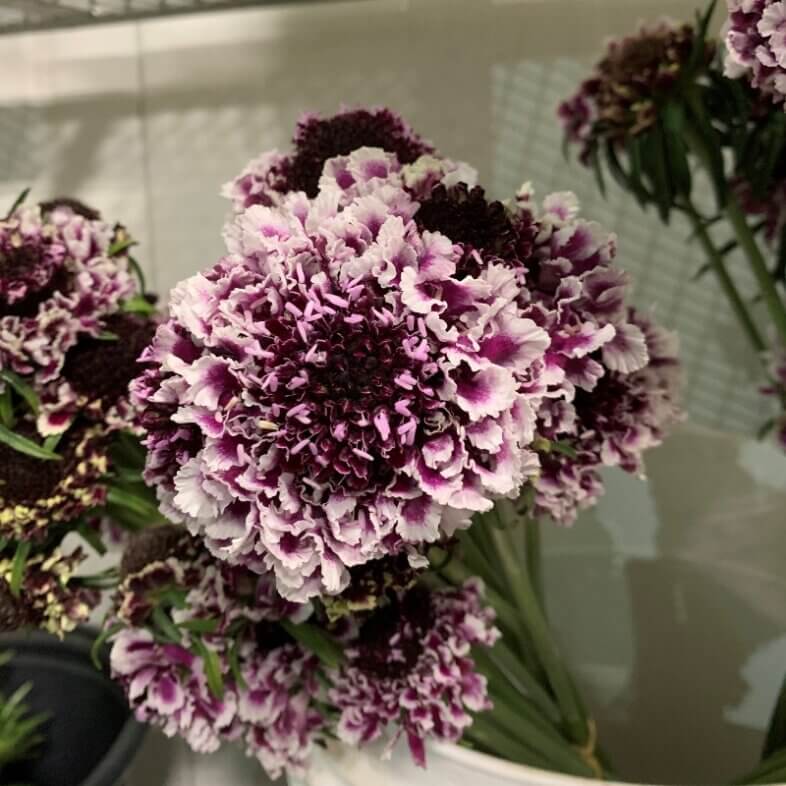


Purple Flowers Buying Guide
Purple flowers bring depth, contrast, and color impact to wedding flowers, event arrangements, and seasonal floral designs. Purple sits between lavender and plum, but it has a stronger visual presence than soft lavender and a brighter tone than dark plum. Depending on the variety, purple flowers can feel romantic, dramatic, garden-inspired, or formal.
Many couples choose purple flowers because they work across several wedding styles. Purple can soften a garden design when paired with white and lavender flowers. It can also create a bold, polished look when paired with green, blue, burgundy, or plum flowers.
Purple flowers can be used as focal flowers, accent flowers, or supporting blooms throughout bridal bouquets, bridesmaid bouquets, centerpieces, ceremony flowers, floral arches, and reception designs. They are especially useful when a palette needs clear color without moving into pink, lavender, or burgundy.
Most Popular Purple Flowers for Weddings
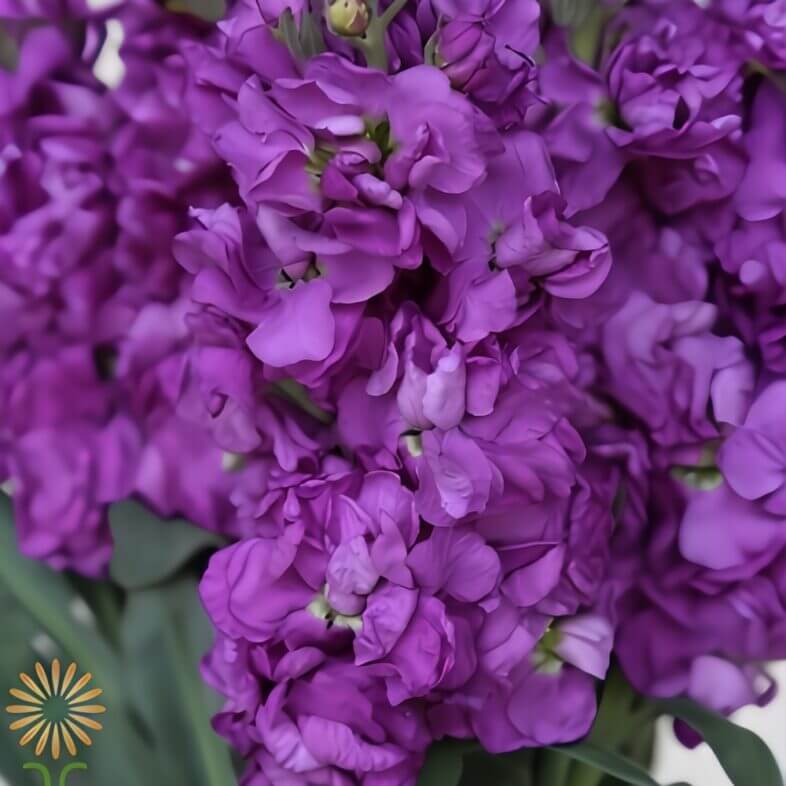
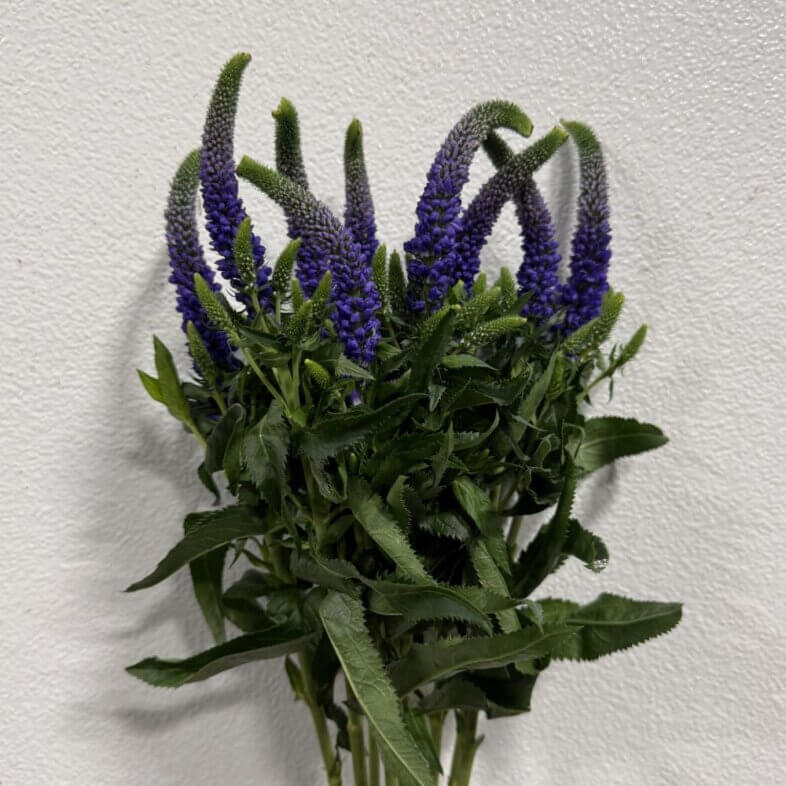
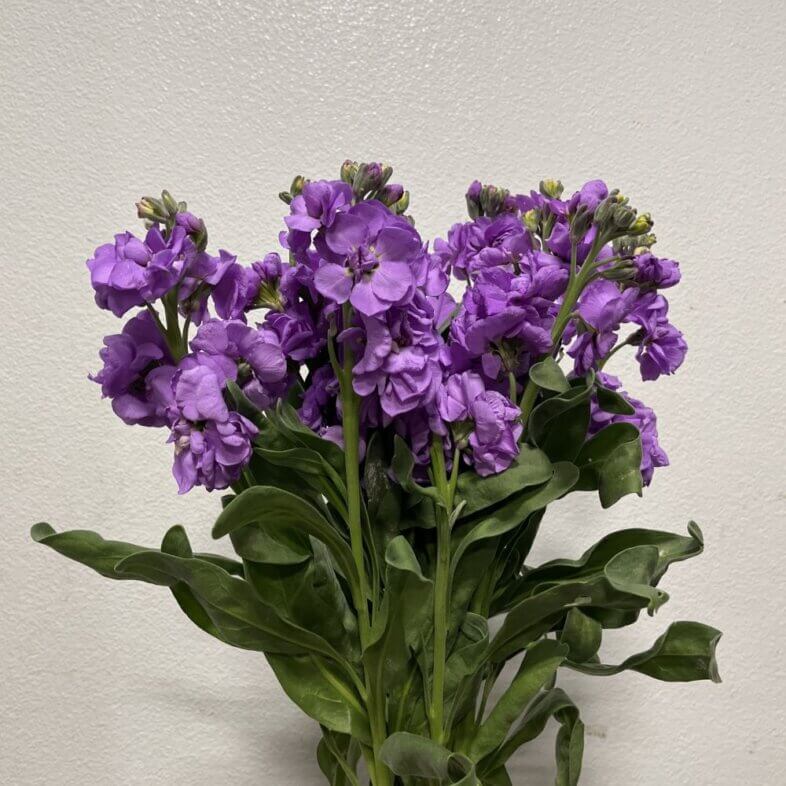
Purple lisianthus is one of the most useful purple wedding flowers because it offers a soft petal shape, strong color, and good design flexibility. Purple anemones, purple campanula, purple clematis, purple larkspur, purple delphinium, and purple stock also help create height, texture, and movement in arrangements.
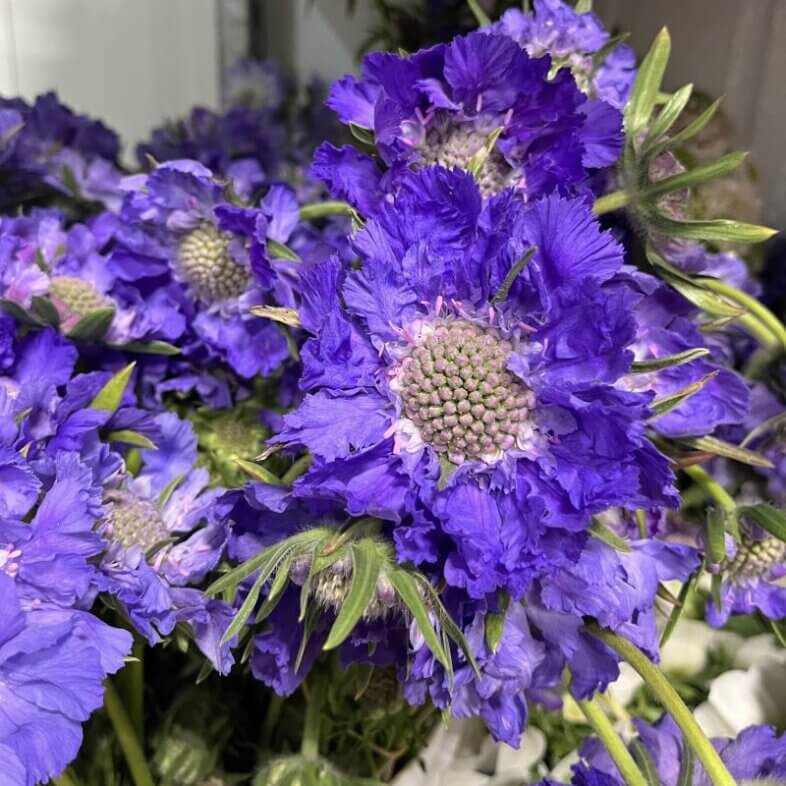
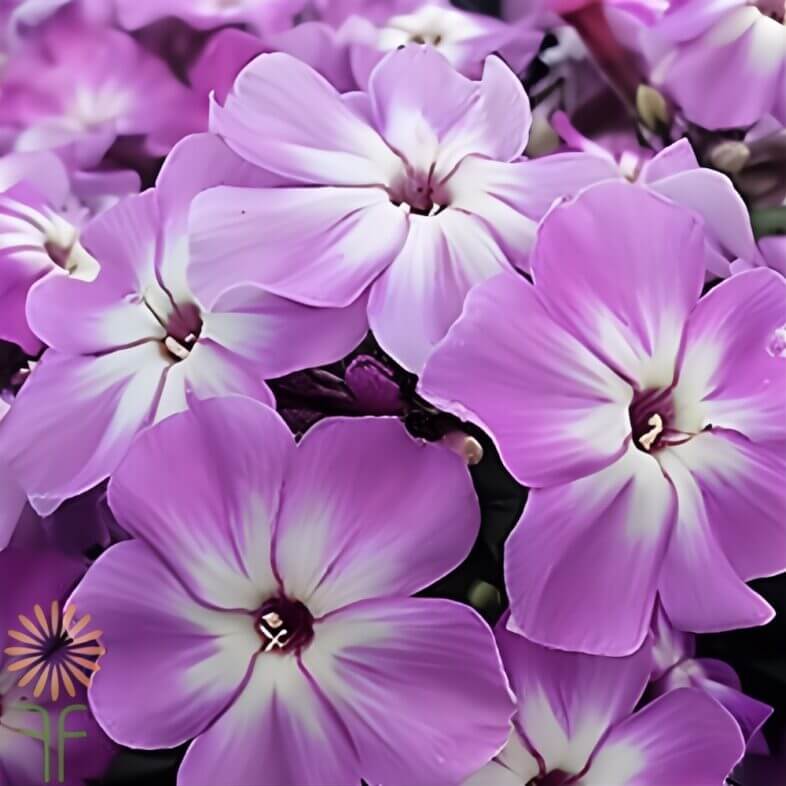
For a garden-style look, couples often choose purple sweet peas, purple phlox, purple hyacinth, purple scabiosa, purple statice, purple allium, and purple waxflower. These flowers add texture and help purple feel more natural and layered.
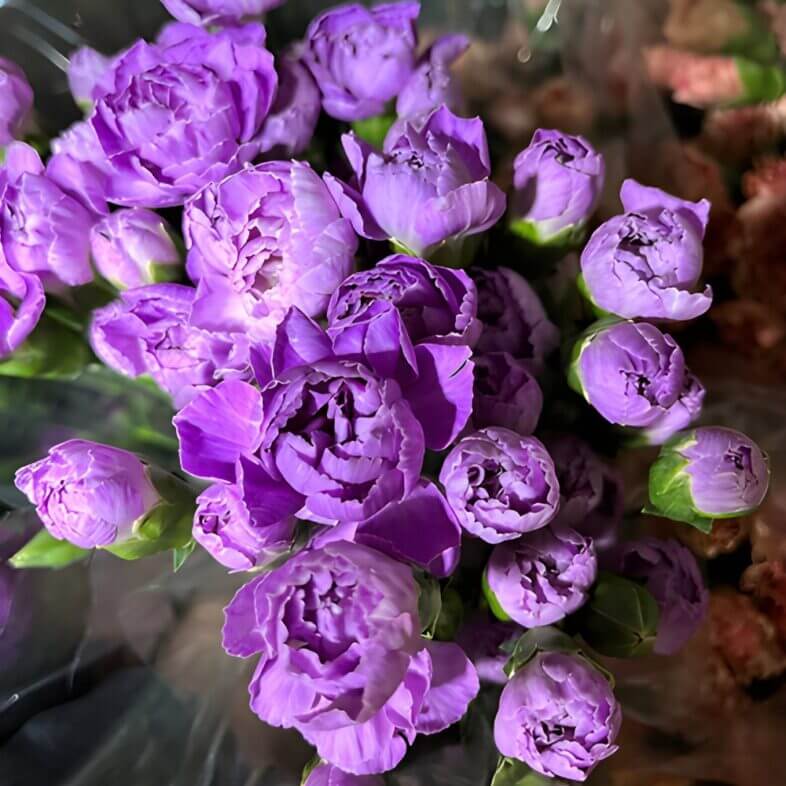
For bold designs and statement flowers, purple orchids, purple mini callas, purple mums, purple carnations, purple irises, and purple hydrangeas can add stronger color and structure. These varieties work well in centerpieces, installations, and arrangements that need color to show from a distance.
How Purple Flowers Show in Photos
Purple flowers photograph with more contrast than lavender flowers. In bright outdoor light, violet and royal purple blooms can look vivid and clean. Deeper purple flowers may appear darker in shade, especially when placed next to burgundy, plum, or dark greenery.
Indoor lighting can warm purple flowers and make some varieties appear more magenta. Flash photography can also brighten purple petals and reveal blue or violet undertones. For the best visual balance, mix flower shapes and textures so the color does not appear flat in photos.
Flowers such as purple lisianthus, anemones, campanula, orchids, scabiosa, statice, and allium help purple arrangements photograph with more detail. Their different bloom shapes create depth in bouquets, centerpieces, and ceremony flowers.
Pairing Purple Flowers by Style
Soft and Romantic
This palette softens purple flowers and works well for spring weddings, garden weddings, vineyard weddings, and romantic floral designs.
Garden Inspired
Green, blue, and lavender flowers help purple designs feel natural and layered. This combination works well for loose bouquets, textured centerpieces, and outdoor ceremonies.
Rich and Dramatic
These deeper pairings create a more dramatic color palette. Use this direction for evening weddings, fall events, formal receptions, and floral designs with a moody look.
Popular Purple Wedding Color Palettes
Purple and White Flowers
Purple and white flowers create a clean, high-contrast palette that works for classic weddings, ballroom receptions, and formal event designs.
Purple and Lavender Flowers
Purple and lavender flowers create a layered color story with both bold and soft tones. This pairing works well in bouquets and centerpieces where you want depth without using dark colors.
Purple and Green Flowers
Purple and green flowers create a fresh garden look. Green flowers and foliage help purple blooms stand out while keeping arrangements natural.
Purple and Plum Flowers
Purple and plum flowers create a deeper palette with more drama. This pairing works well for fall weddings, evening receptions, and rich seasonal floral designs.
Stem Count Planning
| Arrangement | Total Stem Range | Purple Flower Stems |
|---|---|---|
| Bridal bouquet | 25 to 45 stems | 12 to 22 stems |
| Bridesmaid bouquet | 15 to 25 stems | 7 to 12 stems |
| Boutonniere | 2 to 4 stems | 1 stem |
| Bud vase | 5 to 8 stems | 2 to 4 stems |
| Medium centerpiece | 25 to 40 stems | 10 to 18 stems |
| Large centerpiece | 45 to 70 stems | 18 to 30 stems |
| Ceremony arrangement | 80 to 140 stems | 35 to 60 stems |
Why Our Purple Flowers Look Consistent
Our purple flowers are sourced from trusted farms and reviewed at our Carpinteria, California facility before shipment. Each order is inspected, processed, packed, and repacked when needed to support color consistency, bloom quality, and freshness.
Purple flowers can vary by variety, farm, season, and lighting. Careful handling helps reduce unwanted variation so DIY customers receive flowers that work together in bouquets, centerpieces, ceremony flowers, and larger event designs.
Seasonal Availability of Purple Flowers
Purple flowers are available throughout much of the year, though specific varieties change by season, farm production, and growing region.
Spring Purple Flowers
Spring availability often includes purple tulips, hyacinth, sweet peas, iris, anemones, ranunculus, campanula, and specialty garden flowers.
Summer Purple Flowers
Summer purple flowers often include lisianthus, scabiosa, statice, orchids, hydrangeas, phlox, allium, and seasonal fillers.
Fall Purple Flowers
Fall designs often use purple mums, carnations, stock, lisianthus, statice, orchids, and darker purple seasonal flowers.
Year-Round Purple Flowers
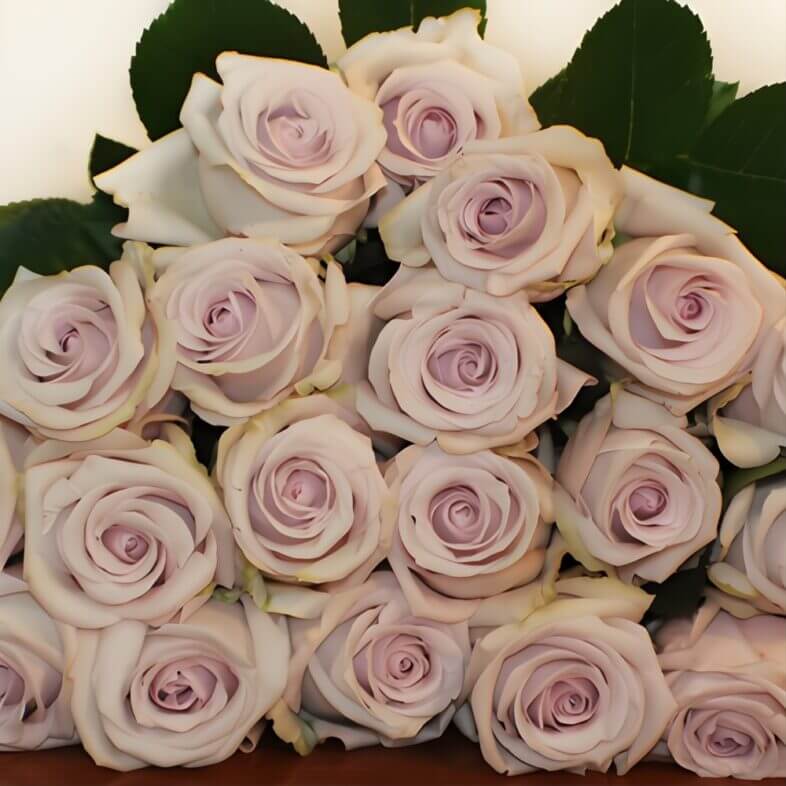
Purple roses, carnations, lisianthus, orchids, statice, mums, and several filler flowers are available through much of the year.
Substitution Guidance
If a specific purple flower is unavailable, similar purple flowers may be substituted based on bloom shape, size, texture, and overall design compatibility. This helps preserve the look of the arrangement while using the best available flowers.
Frequently Asked Questions
What flowers are considered purple flowers?
Purple flowers include blooms in violet, royal purple, medium purple, and rich purple tones. Popular examples include purple lisianthus, anemones, campanula, orchids, statice, allium, mums, larkspur, delphinium, and stock.
What colors pair best with purple flowers?
Purple flowers pair well with lavender, white, green, blush, blue, plum, and burgundy flowers. These pairings can create soft romantic palettes, garden-style designs, or richer dramatic wedding flowers.
Are purple flowers popular for weddings?
Yes. Purple flowers are popular for weddings because they add color, depth, and contrast. They work well in bouquets, centerpieces, ceremony flowers, floral arches, and reception designs.
What are the most popular purple wedding flowers?
Popular purple wedding flowers include purple lisianthus, anemones, orchids, campanula, stock, statice, hyacinth, scabiosa, allium, mums, larkspur, delphinium, and mini callas.
Are purple flowers available year-round?
Many purple flowers are available through much of the year, including lisianthus, orchids, carnations, mums, statice, and stock. Specialty flowers such as tulips, hyacinth, iris, and sweet peas are more seasonal.
What is the difference between purple, lavender, and plum flowers?
Lavender flowers are softer and lighter, purple flowers are brighter and more violet, and plum flowers are darker with berry, wine, or aubergine tones.