
From the Fabulous Florals Blog
Step-by-Step DIY Flower Arranging for Weddings, Events & Home Decor
DIY flower arranging lets you save money, customize your style, and enjoy the process of creating something personal. Whether you’re prepping centerpieces for a wedding or adding fresh color to your kitchen, learning the basics of arranging flowers can make a big impact. This guide breaks down the steps, tools, and flower types to help you build arrangements that look polished even if you’re a beginner.
What Is DIY Flower Arranging?
DIY flower arranging is designing and assembling your own floral displays without hiring a professional florist. It’s a hands-on way to personalize weddings, events, or your home using fresh flowers, greenery, and basic tools.
More couples and hosts are choosing DIY flower projects to control costs, match their vision, and enjoy the creative process. With wholesale flowers available online, it’s easier than ever to plan and build your own arrangements.
For a full breakdown of wedding flower types, planning steps, and prep tips, see our Definitive Guide to DIY Wedding Flowers.
What Tools and Supplies Do I Need for DIY Flower Arranging?
Start with a few essentials. You don’t need a lot, but the right tools make a big difference.
- Sharp floral shears or snips — for clean cuts that help stems absorb water
- Floral tape or chicken wire — to build a stable base inside your vase
- Containers — like mason jars, pitchers, compotes, or basic vases
- Water and flower food — helps keep flowers fresh after arranging
- Optional add-ons — lazy Susan for easy access, gloves for sensitive skin, or a floral frog for extra control
Set up a clean workspace with good light and a trash bin nearby. Lay out your supplies before unboxing your flowers. A little prep makes arranging faster and more enjoyable.
How Do I Choose Flowers for Arranging?
Start by thinking in three parts: focal, filler, and texture.
- Roses, Ranunculus, or Lisianthus work well as focal work well as focal flowers. They’re bold, structured, and hold up well in arrangements.
- Spray Roses, Carnations, and Baby’s Breath are great as filler flowers. They add volume and support the overall shape.
- For texture and movement, try Dusty Miller, Eucalyptus, or Scabiosa Pods.
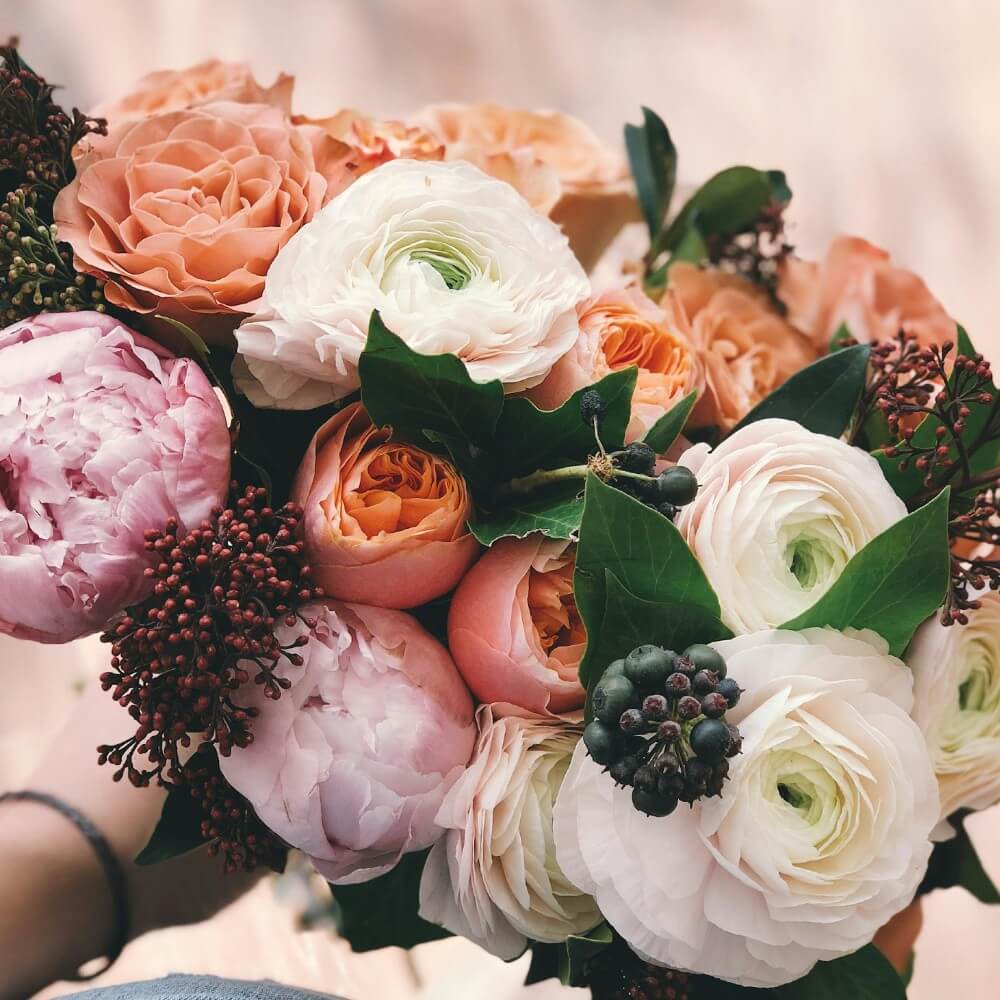
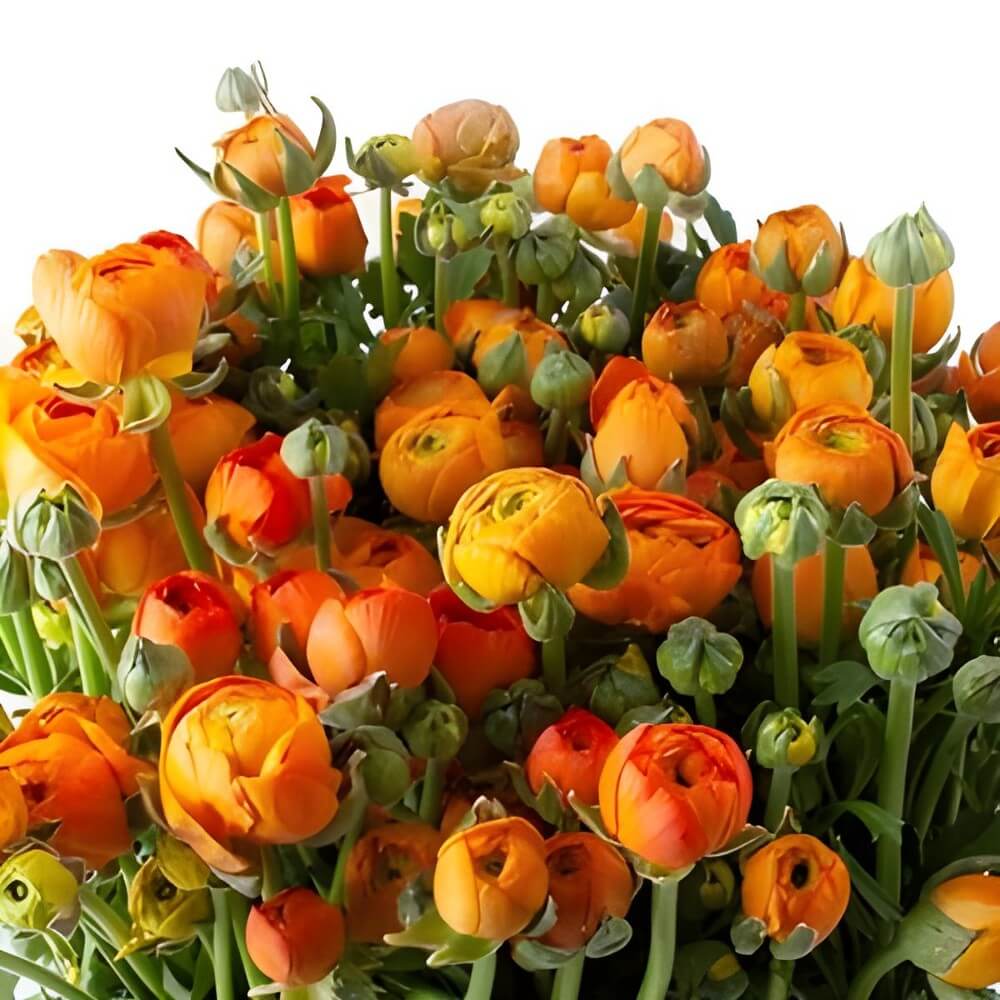
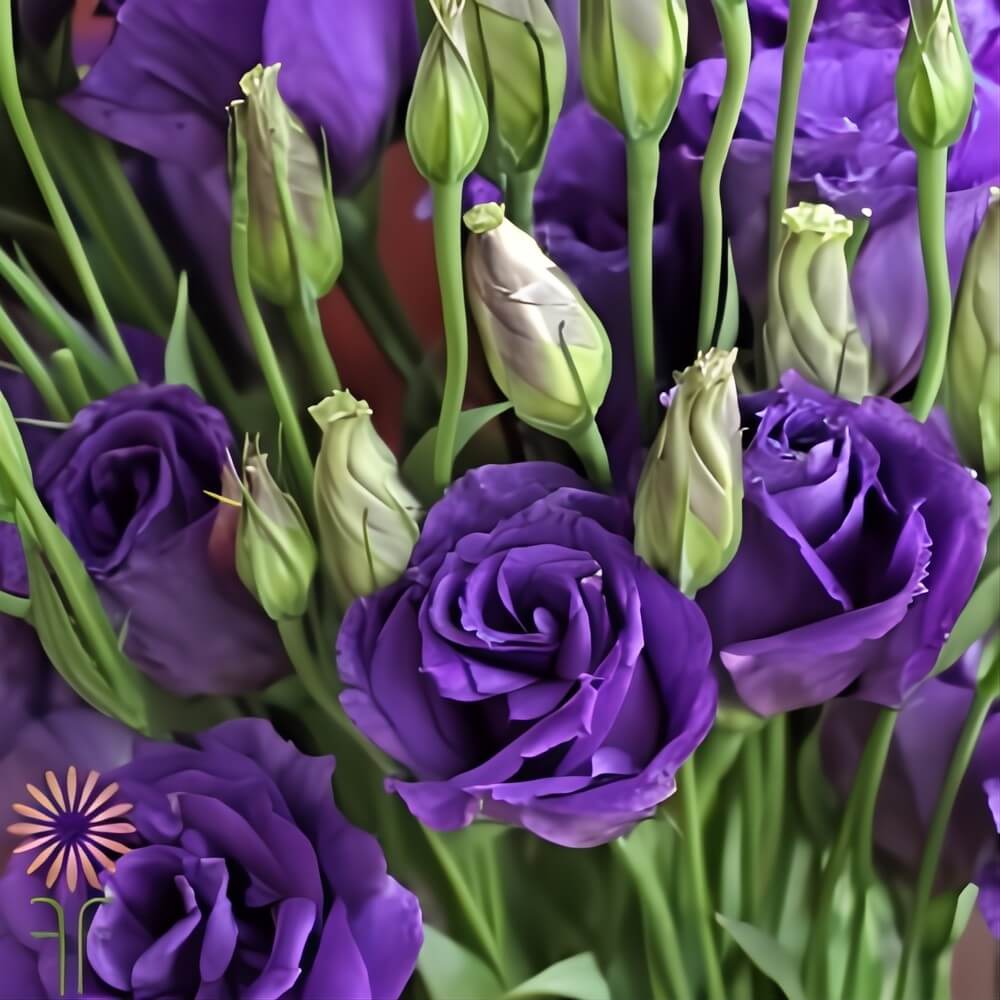

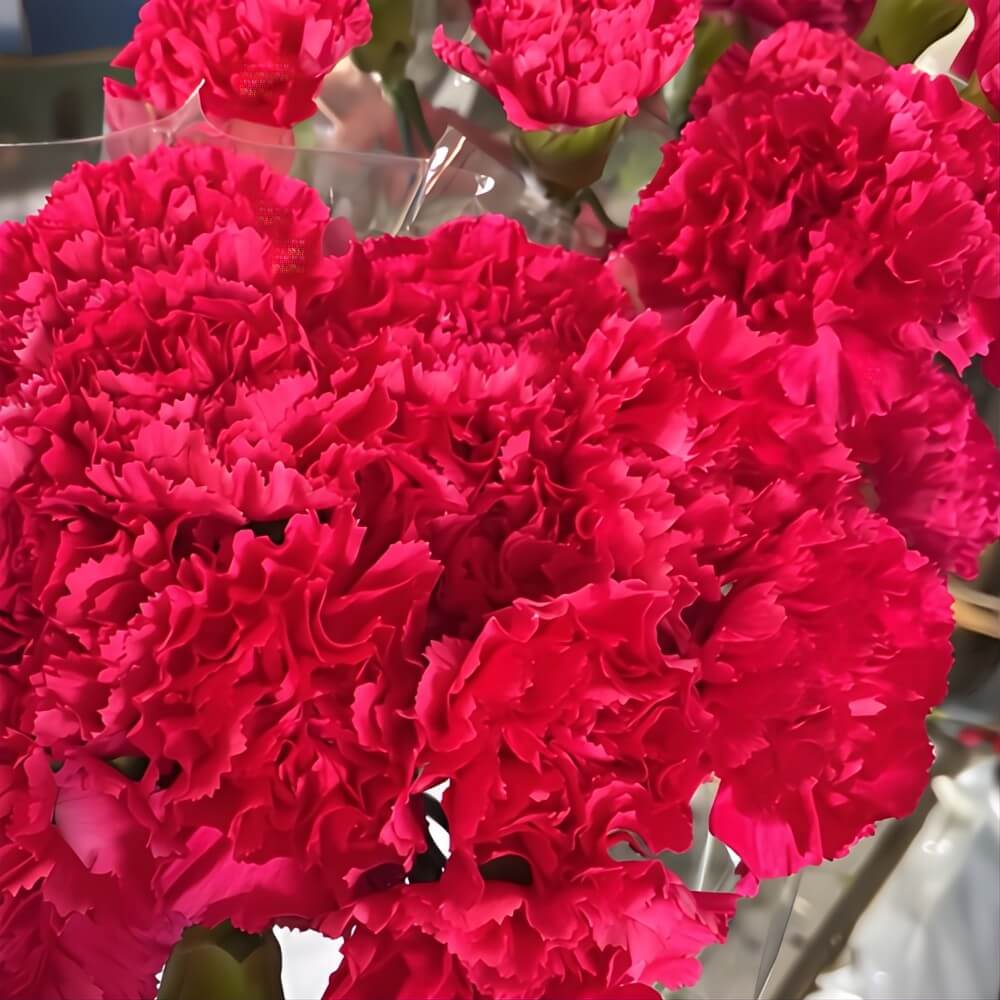

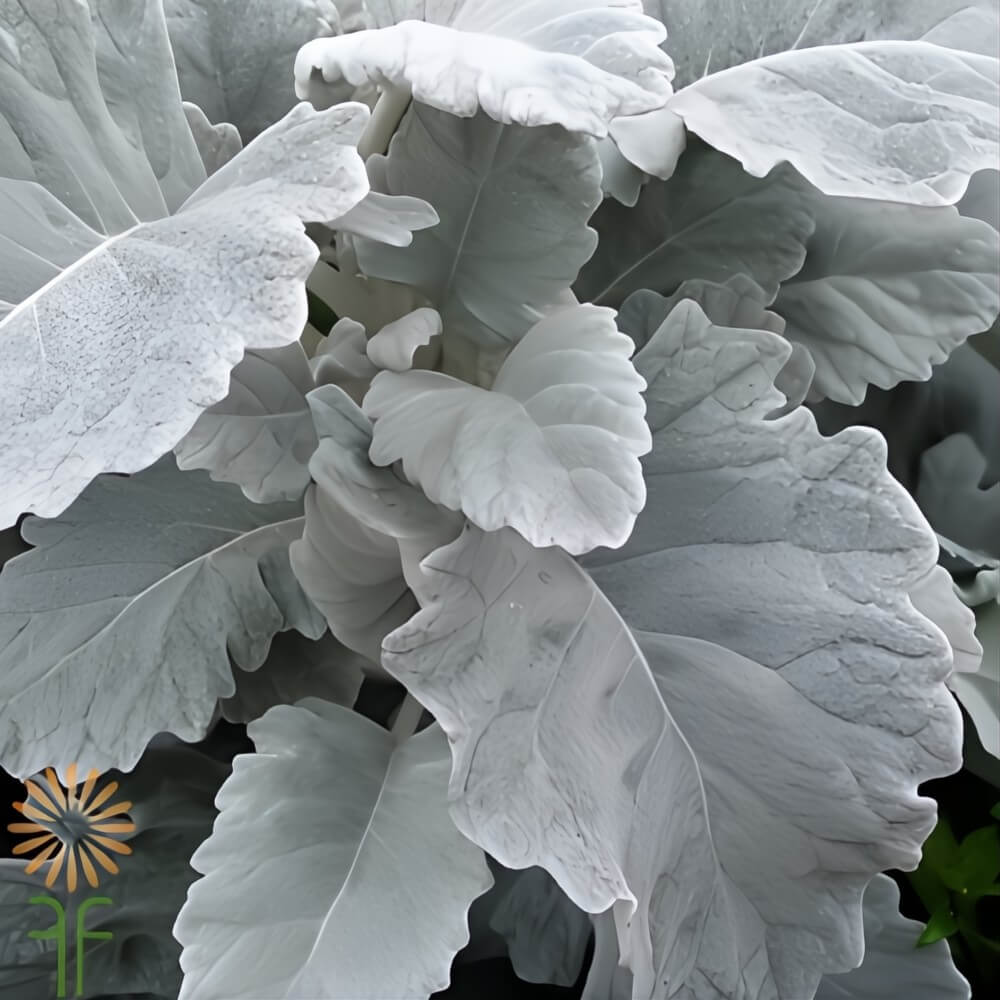

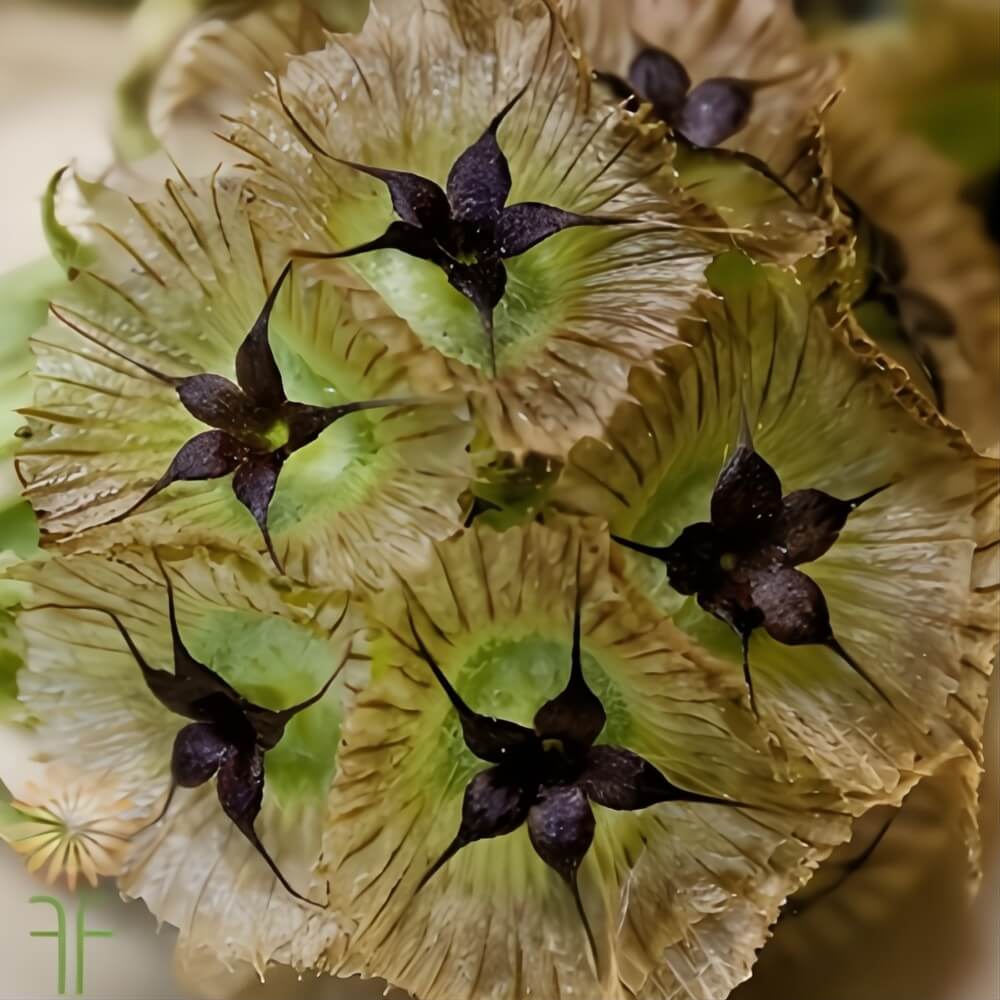
Stick to a color palette with two to four colors. Use seasonal flowers when possible. They’re more affordable and tend to arrive fresher.
For more help choosing the right mix, read How to Choose Flowers for DIY Arrangements.
What’s the 3-5-8 Rule in Flower Arranging?
The 3-5-8 rule is a simple way to create balance in your arrangement. It gives you a quick formula for building a shape that looks full but not crowded.
- Use 3 focal flowers like Roses, Ranunculus, or Lisianthus.
- Add 5 textural stems such as Dusty Miller, Scabiosa Pods, or Eucalyptus.
- Fill with 8 filler stems like Spray Roses, Carnations, or Baby’s Breath.
You can scale the numbers up or down depending on the size of your container, but keeping the ratio helps your design feel balanced from all angles.
Why the 3-5-8 Rule Works in Flower Design
Florists use odd-numbered groupings because they look more natural and less structured. The human eye prefers asymmetry in floral design.
This method also reflects ideas from visual design like the rule of thirds. By building in layers of 3, 5, and 8, your arrangement has a clear center, supporting structure, and fullness without looking crowded.
It’s a shortcut many pros use when training beginners or creating balanced designs quickly.
How Do You Start Arranging Flowers for Beginners?
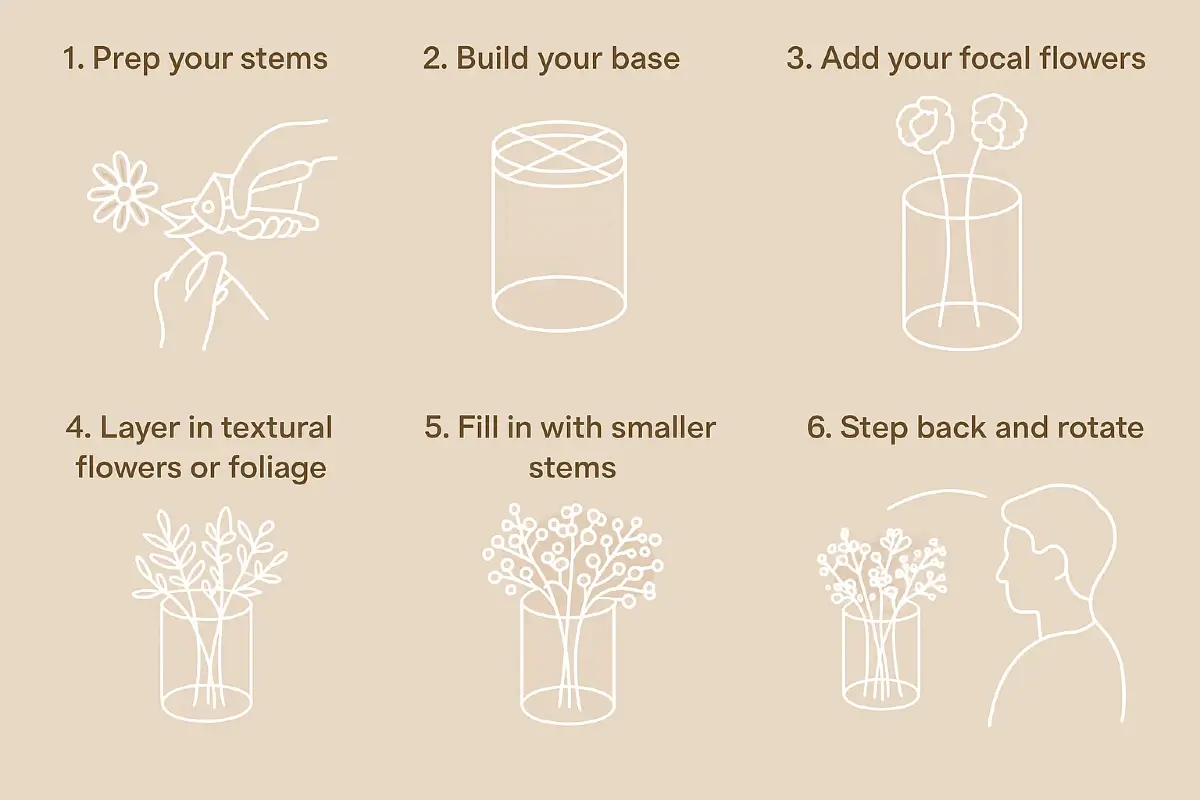
Start with flowers that are fully hydrated and tools laid out. Then follow this basic process:
- Prep your stems
Strip off leaves that will sit below the waterline. Cut each stem at a 45-degree angle under running water or in a bowl. This helps with water absorption. - Build your base
Use floral tape, chicken wire, or greenery to create structure inside the vase. This holds stems in place as you build. - Add your focal flowers
Start with 2 or 3 larger blooms spaced apart. These are your anchors. - Layer in textural flowers or foliage
Place stems like Dusty Miller or Eucalyptus between the focal blooms to add interest and depth. - Fill in with smaller stems
Add Spray Roses, Carnations, or Baby’s Breath to round out the arrangement. - Step back and rotate
Check from all angles. Adjust height, spacing, or balance as needed. Trim any excess and top off the water.
Keep it simple the first time. Once you see how your choices affect the shape, you’ll feel more confident experimenting with style and color.
What Makes a Good Flower Arrangement?
A good arrangement looks balanced, feels intentional, and works from all angles. It doesn’t need to be perfect, but it should follow a few basic rules.
- Shape matters
Common shapes include round, asymmetrical, or triangular. Each creates a different mood and structure. - Keep proportions in check
Your tallest stems should be about 1.5 to 2 times the height of the container. This keeps the design feeling stable, not top-heavy. - Mind your spacing
Avoid crowding. Let flowers breathe. Leave some open space so each bloom stands out. - Check from all sides
Rotate your vase as you work. Make sure it looks balanced no matter where it’s viewed from.
Mistakes to avoid: using too many focal flowers, cutting everything to the same height, or skipping greenery altogether.

Can I Use Grocery Store Flowers?
Yes, you can. Grocery store flowers can work well for practice or simple arrangements if you prep them correctly.
Here’s how to get better results:
- Buy them fresh — Check for firm stems and tight buds. Avoid wilted or browning petals.
- Rehydrate right away — Trim the stems and place them in clean water with flower food as soon as you get home.
- Remove excess leaves — Strip leaves that will sit below the waterline to prevent bacteria buildup.
- Give them time — Let flowers hydrate for a few hours before arranging.
When wholesale is better:
For weddings, events, or any time you need large quantities, wholesale flowers are usually fresher, more consistent, and more cost-effective. You also get access to varieties not typically found in stores.
Shop premium wholesale options here: Shop All Flowers
Is It Cheaper to Make Your Own Flower Arrangements?
In most cases, yes. DIY flower arranging is one of the easiest ways to lower your event or decor costs without sacrificing quality.
Here’s how the costs compare:
- Professional florist: $150–$250+ per arrangement
- DIY with grocery store flowers: $40–$60 per arrangement
- DIY with wholesale flowers: $30–$45 per arrangement (when buying in bulk)
Buying flowers wholesale saves the most, especially if you’re making multiple bouquets or centerpieces. You also have more control over color, style, and quantity.
Tip:
Mixing a few dried flowers with fresh stems can stretch your budget and extend the look beyond the event.
What Are the Best Flowers for DIY Arrangements?
The best flowers are the ones that hold up well, suit your event style, and are easy to arrange without special tools or experience.
Choose based on:
- Durability — Look for blooms with a long vase life that won’t wilt quickly
- Season — In-season flowers are usually fresher, more affordable, and easier to source
- Stem strength — Avoid hollow or overly delicate stems if you’re new to arranging
- Color palette — Stick to 2 to 4 coordinating shades for a cohesive look
- Texture — Mix in greenery, pods, or dried stems to add shape and contrast
If you’re building out your flower order, read our guide on How Many Flowers Do You Really Need for a DIY Wedding? to stay organized and avoid overbuying.
How Do I Keep My Arrangements Looking Fresh?
Freshness starts with prep and continues with daily care. These tips help your flowers last longer and look better in photos and in person.
- Trim stems daily — Re-cut the bottom of each stem at an angle to keep water flowing
- Change the water — Replace the vase water every 24 to 48 hours
- Use flower food — Add the packet that comes with your flowers or make your own with lemon-lime soda and a few drops of bleach
- Avoid heat and direct sunlight — Keep arrangements cool and shaded
- Remove wilted stems — Pull out anything that starts to droop to protect the rest
For detailed timelines and flower-by-flower guidance, see our post on How Long Do DIY Wedding Flowers Last?
What Are Some Easy Flower Arrangements for Beginners?
If you’re just starting out, keep your designs simple. These ideas use fewer stems and don’t require advanced techniques.
- Monochromatic centerpiece
Choose one color and mix different textures like roses, carnations, and greenery. - Single-flower bouquet
Use one type of flower, like Spray Roses or Ranunculus, and cluster 7–12 stems in a vase. - Fresh and dried combo
Pair a few fresh blooms with Dried Flowers or pods for texture and contrast. - Mini bud vases
Use 1–3 stems in each small container and group them down a table for impact. - Greenery-only vase
Eucalyptus, ruscus, or Dusty Miller can stand alone in clean, modern designs.
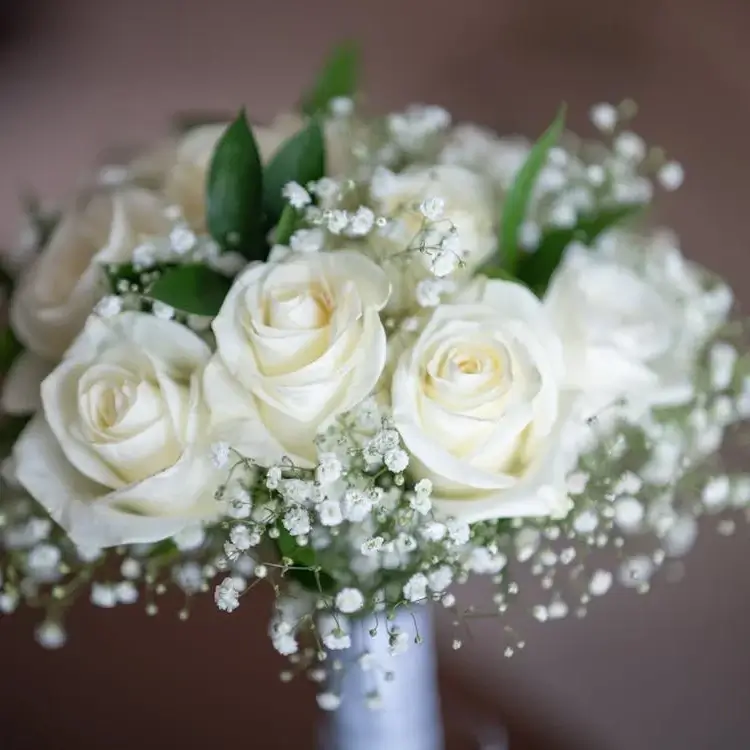
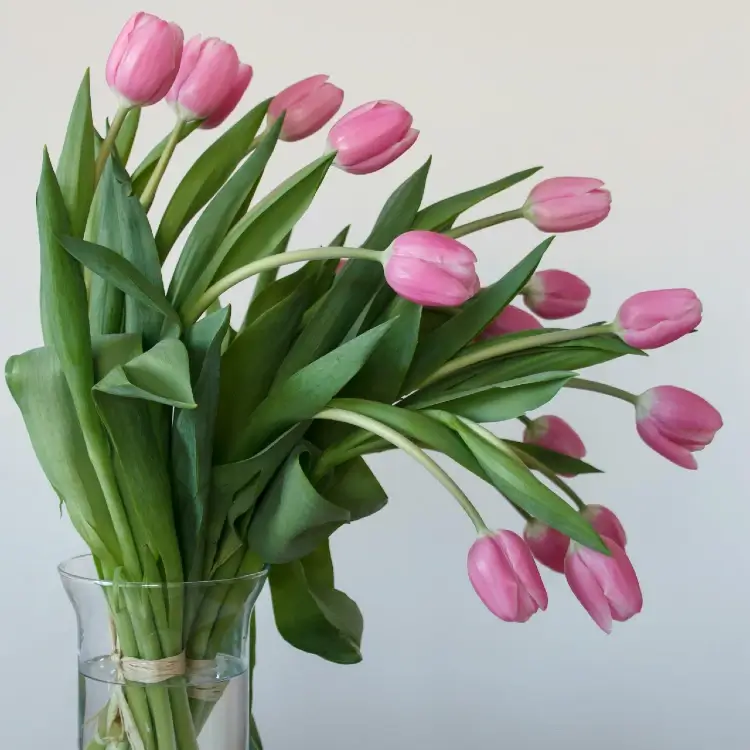
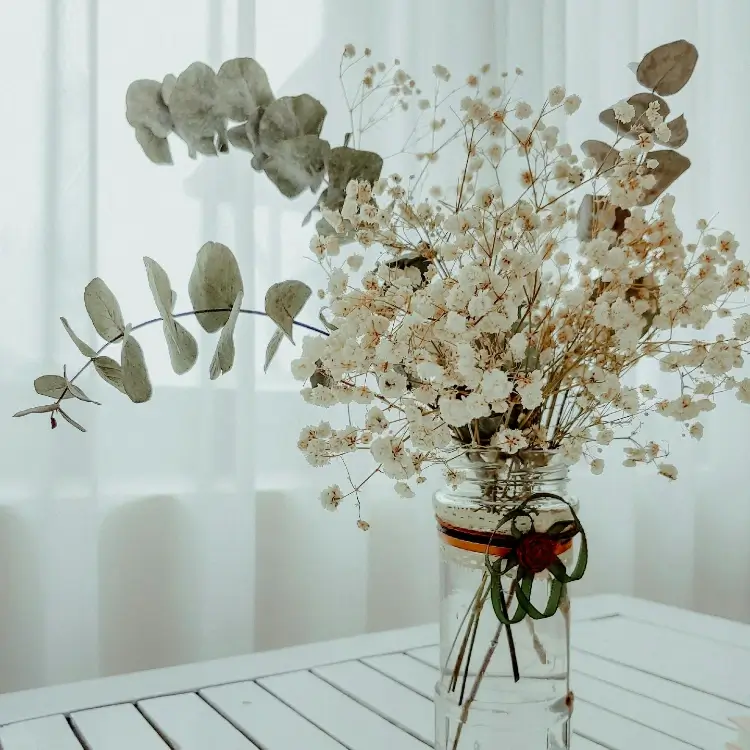
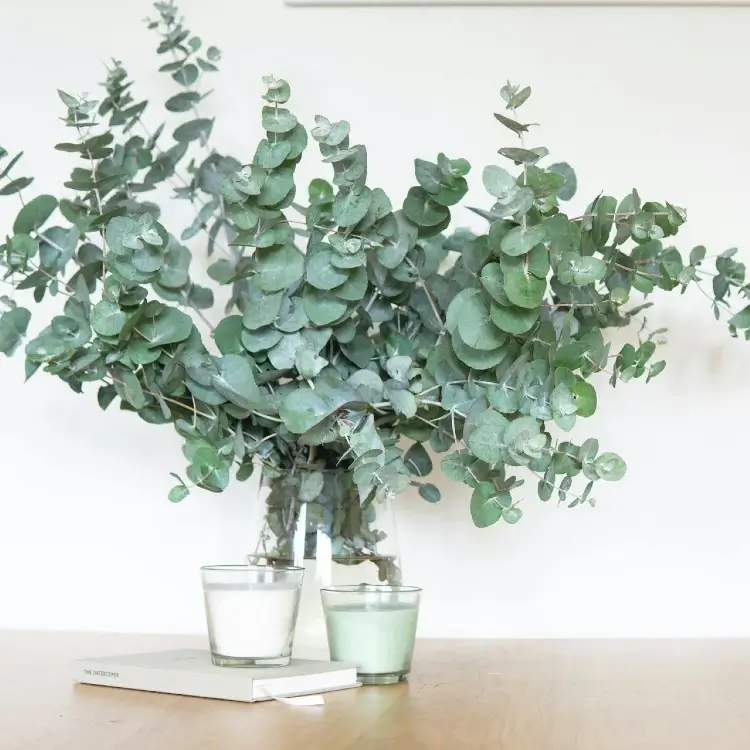
These arrangements are fast to assemble and forgiving if you’re still getting comfortable with spacing and balance.
Where Can I Buy Wholesale Flowers for DIY Projects?
Buying flowers online makes DIY arranging easier. You get more selection, better freshness, and volume pricing compared to local retail stores.
Fabulous Florals offers premium, fresh-cut wholesale flowers shipped directly from the farm with no business license required. You can shop by flower type, color, or occasion — perfect for weddings, parties, or home projects.
We stand behind every order with a freshness guarantee and ship nationwide.
Explore our full selection:
Shop All Flowers
Final Tips for DIY Flower Success
You don’t need professional experience to make beautiful arrangements. Just start simple and give yourself time to practice.
- Do a test run a few weeks before your event
- Order early so your flowers arrive on time and fully hydrate before arranging
- Work 1–2 days before your event for best freshness
- Keep it cool — store flowers in a cool, dark place until use
- Don’t overthink it — focus on balance, spacing, and texture
For more guidance, check out:
- How to Choose Flowers for DIY Arrangements
- The Definitive Guide to DIY Wedding Flowers
- How Long Do DIY Wedding Flowers Last?
- How Many Flowers Do You Really Need for a DIY Wedding?
Summary
DIY flower arranging is easier than you think. This guide walks you through the process from tools to flower selection to arrangement basics. You’ll learn how to use the 3-5-8 method, avoid common mistakes, and create professional-looking designs at home. Whether you’re preparing for a wedding, event, or simple home decor, you’ll find practical tips and trusted wholesale flower sources that don’t require a license.
Common Questions About DIY Flower Arranging
Plan to arrange your flowers 1 to 2 days before the event. This gives blooms time to open and ensures freshness without risking wilting.
A good rule is to keep your tallest flowers about 1.5 to 2 times the height of the vase. This keeps the arrangement looking balanced and stable.
Yes, arranging the night before is fine as long as the flowers are hydrated, stored in water, and kept in a cool, dark place overnight.
Roses, Spray Roses, Lisianthus, and Eucalyptus are all beginner-friendly. They’re sturdy, long-lasting, and easy to style.