

From the Fabulous Florals Blog
How to Choose and Combine Flower Colors in DIY Arrangements
Color is one of the most powerful design elements in any DIY flower arrangement. Whether you’re crafting a bouquet for a wedding or designing a simple centerpiece for your home, the colors you choose will set the mood, tie the design together, and ultimately determine the emotional impact.
At Fabulous Florals, we believe understanding color is the secret weapon to creating arrangements that feel polished and personal. If you’ve read our DIY guides, you know we don’t shy away from the importance of color. But this post goes even deeper—helping you feel confident and creative with every bloom you pick.
Why Color Is Everything in Floral Design
Flowers aren’t just pretty—they speak in color. Soft pinks whisper romance. Bright oranges shout celebration. Deep burgundies add drama. The colors you choose instantly tell a story, whether you realize it or not.
When you’re designing your own arrangements, you’re the creative director. You control the message. Want something calm and dreamy? Reach for cool tones like soft blues and lavenders. Looking to bring the energy? Go for vibrant corals, hot pinks, or sunny yellows.
Your color palette should reflect the mood of your event, the season, or even your own personality. That’s the beauty of DIY—you don’t have to stick to a catalog look. You get to create something unique.
Explore flowers by color in our wholesale flower color catalog.
Color Harmony: How to Make Your Flowers Work Together
Let’s talk about what makes an arrangement look cohesive instead of chaotic. It comes down to color harmony. Here are three foolproof ways to build your palette:
Monochromatic
Stick to one color, but vary the shades. Think blush roses, hot pink ranunculus, and magenta snapdragons. It’s sophisticated, easy to pull off, and always looks intentional.
Analogous
Choose colors that are next to each other on the color wheel, like peach, coral, and orange. These colors naturally blend and create a soft, painterly feel.
Complementary
Go bold by pairing opposites, like purple and yellow or blue and orange. These pairings add visual excitement but need balance. Use one color as your main tone and the other as a pop.
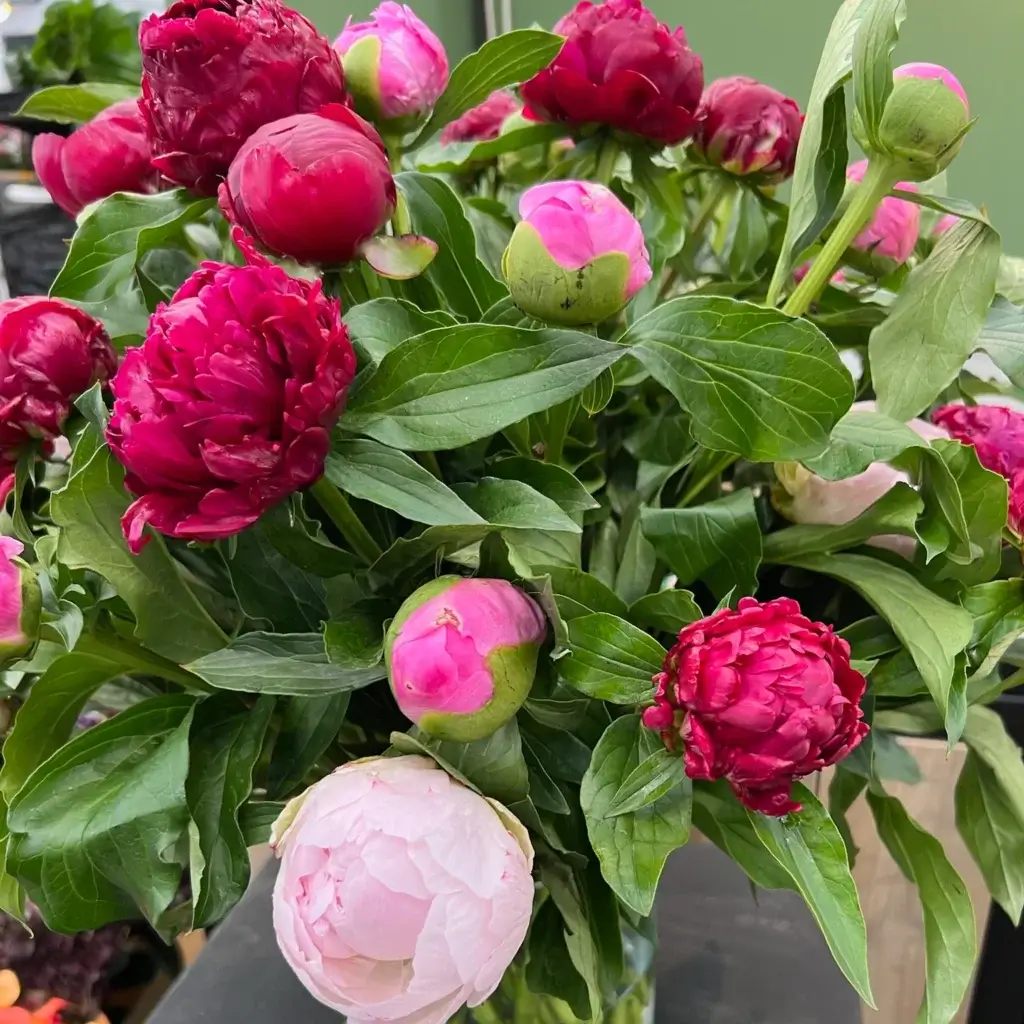
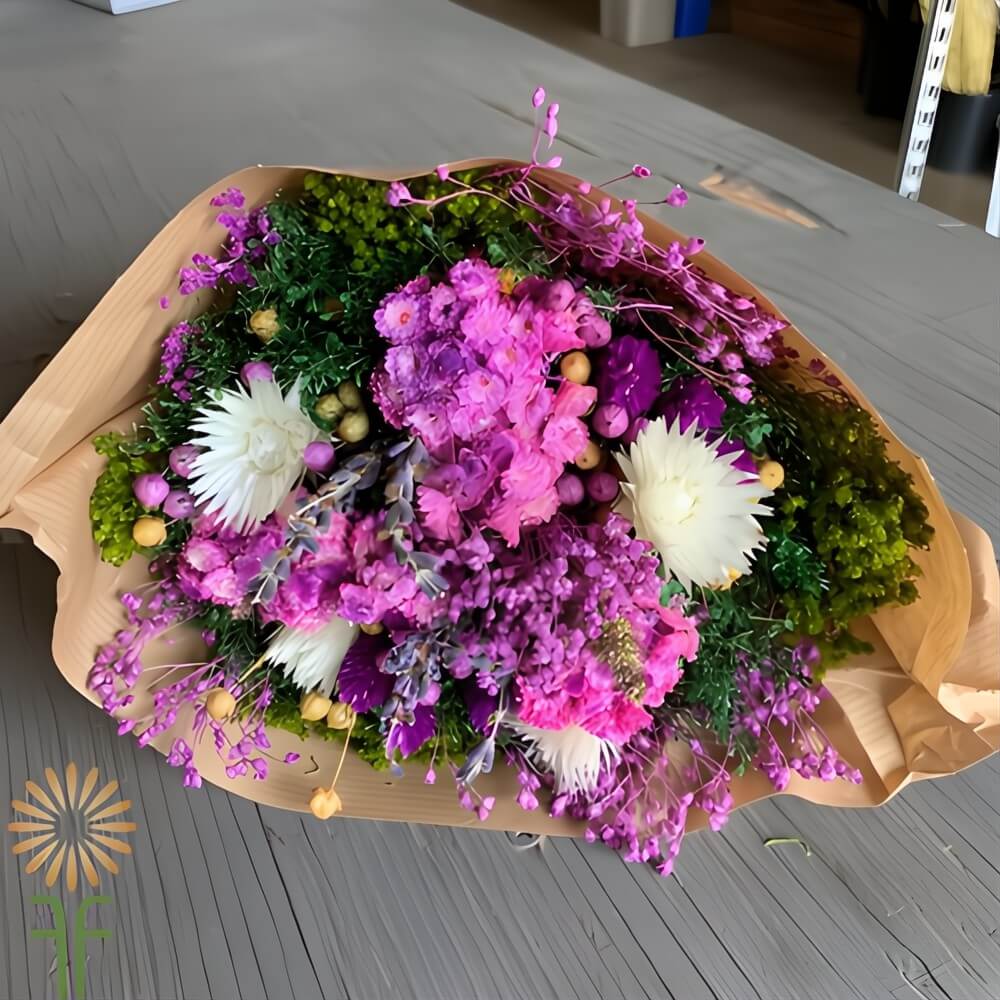
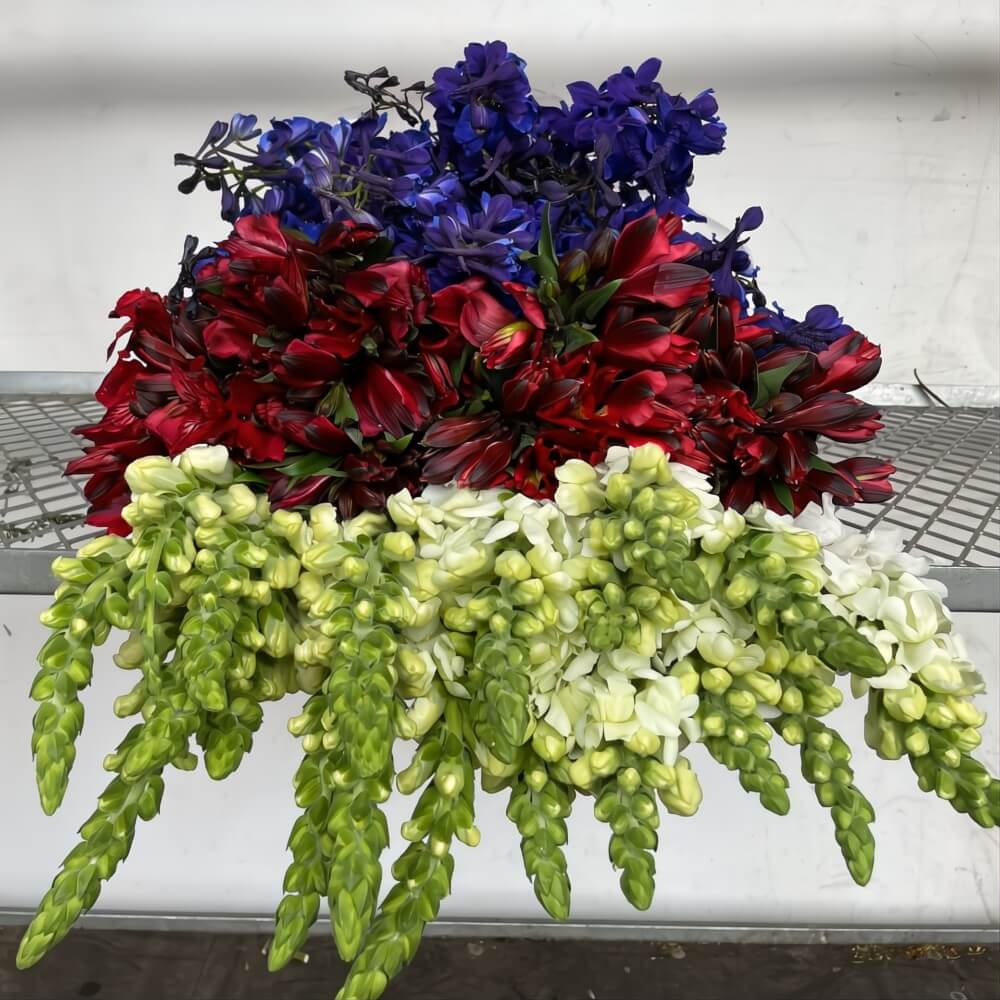
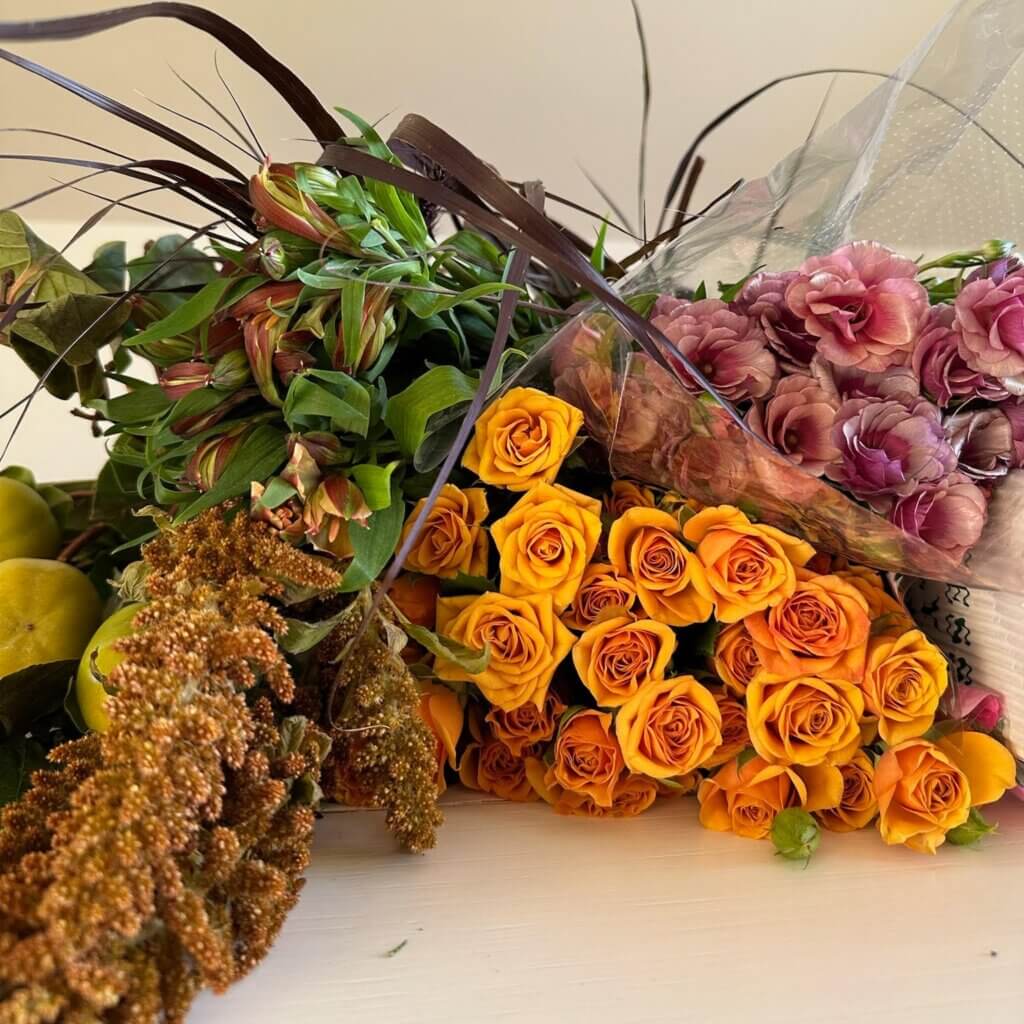
Seasonal Color Inspiration
Each season comes with its own natural palette—and embracing that can make your arrangements feel grounded and beautiful.
- Spring: Pastels like blush, buttercream yellow, and soft lilac. Perfect for romantic, garden-style designs.
- Summer: Bright and bold—sunflower yellow, coral, fuchsia, and turquoise. Think energetic and tropical.
- Fall: Deep and earthy—burgundy, burnt orange, rust, and goldenrod. Rich, warm, and perfect for rustic themes.
- Winter: Crisp whites, forest greens, and pops of red or icy blue. Clean, elegant, and seasonal.
How to Choose the Right Flower Colors for You
Not sure where to start? Pick one color you love or that ties into your event (like bridesmaid dresses, linens, or home decor). Then use that as your anchor.
A good rule of thumb: 60% of your main color, 30% a supporting shade, and 10% an accent. That balance keeps things visually interesting without overwhelming.
Don’t forget the neutrals! White, cream, and greenery are your best friends when it comes to filling out your design and making your colors pop.
Flower Color FAQ
Blush, peach, ivory, and soft lavender are timeless choices for romantic arrangements. Pair them with trailing greenery for added elegance.
Yes, but keep it balanced. Use bold colors sparingly as accents and ground them with neutrals or softer tones to avoid overwhelming the design.
Look for close alternatives or filler flowers in that color. You can also use dyed or tinted flowers for tricky colors like blue or black.
Two to three main colors plus greenery is a safe starting point. Too many colors can get busy fast, especially in smaller arrangements.
Greenery and white are neutrals—they help balance your palette and make other colors stand out, but they don’t clash with anything.
Bring It All Together
Color isn’t just an afterthought—it’s the heart of your arrangement. By understanding how color works, you can transform a table full of flowers into something that feels custom, fresh, and unforgettable.
If you want more help choosing the right colors and building your DIY flower plan, check out our two most popular guides:
They’re packed with step-by-step tips, flower suggestions by color, and seasonal ideas to help you DIY like a pro.
Get inspired, get creative, and most of all—have fun with color.