
Home » Shop » Color » White Flowers »
Hand-Selected White Flowers for Clean, Classic Wedding Palettes
Wholesale White Flowers for Weddings & Events
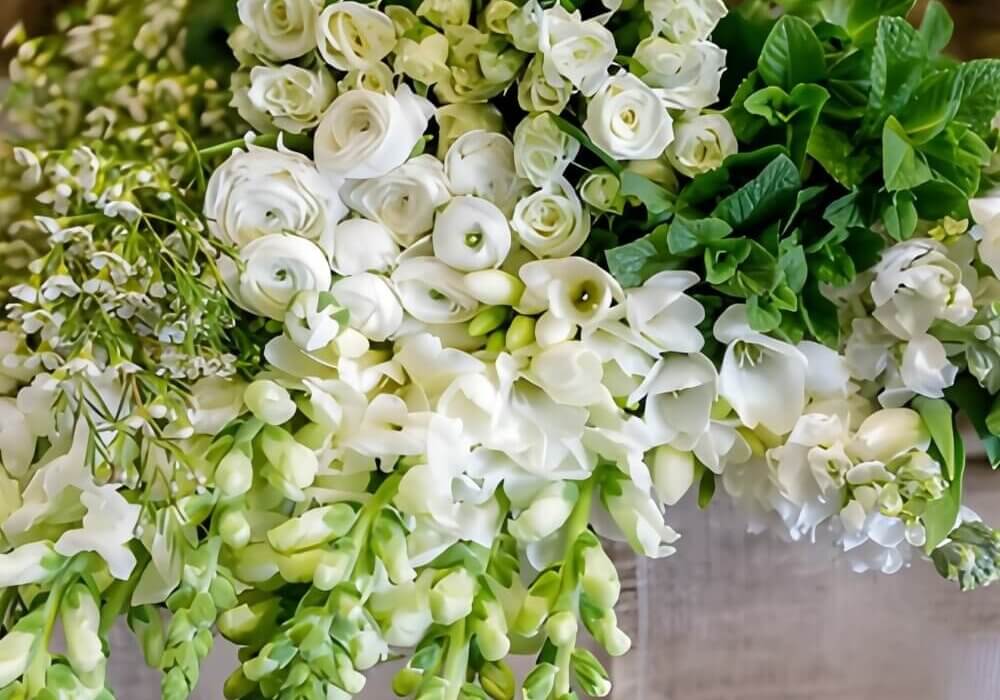
White flowers bring a clean, classic look to DIY weddings and events. From white roses and ranunculus to hydrangeas, tulips, and textured accent blooms, this collection includes fresh-cut wholesale white flowers selected for bouquets, centerpieces, ceremony flowers, and large installations. White flowers pair well with cream flowers and beige flowers for a softer palette, or with neutral flowers to add depth without strong color. Every order is inspected and packed at our Carpinteria, California facility to help ensure freshness, consistency, and quality.
Need help selecting the right shade or variety? Contact our floral team for guidance.
Overview | Pairing Guide | Stem Counts | Seasonality | FAQs | Shop Flowers
Shop White Flowers
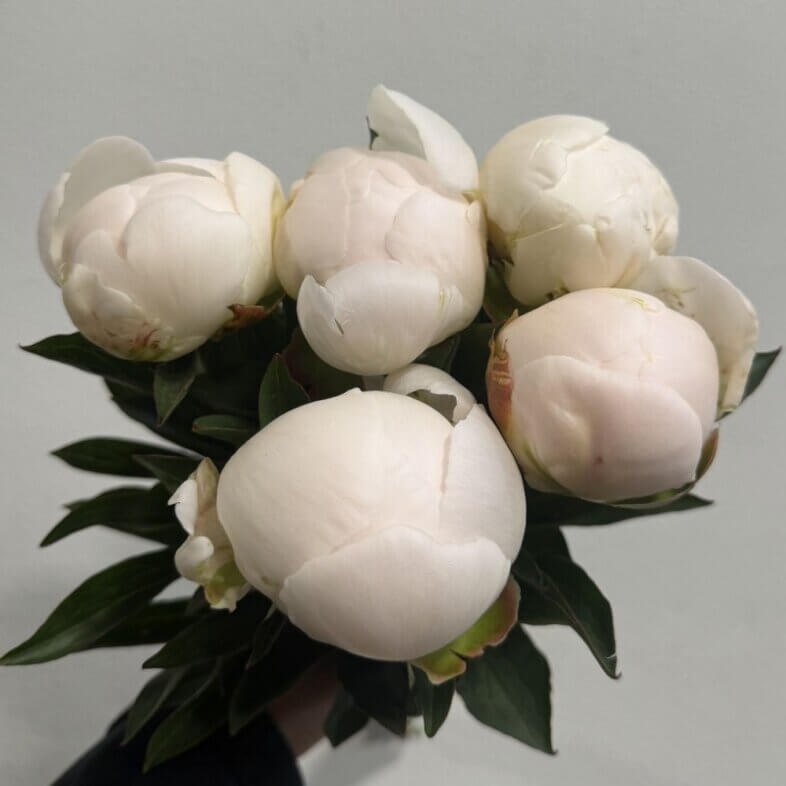
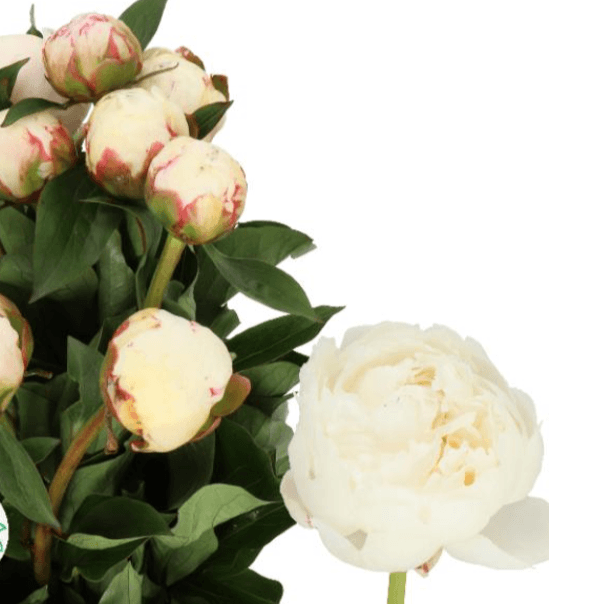
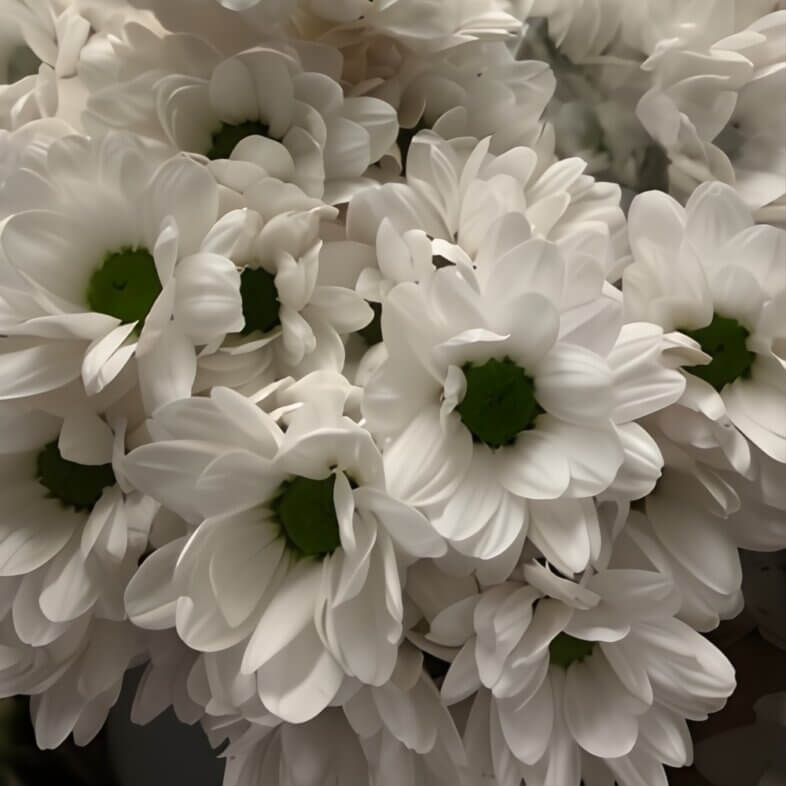
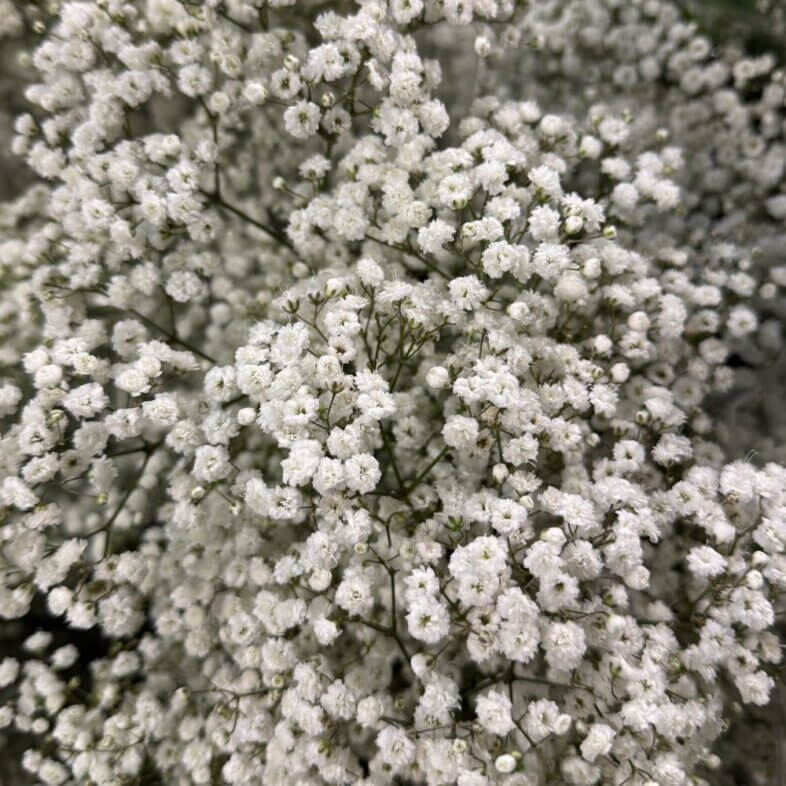
Browse our collection of white flowers for weddings, bouquets, centerpieces, and event decor. This assortment includes crisp white, soft white, and ivory-leaning fresh-cut blooms that work well in classic wedding palettes, modern monochrome designs, and mixed arrangements.
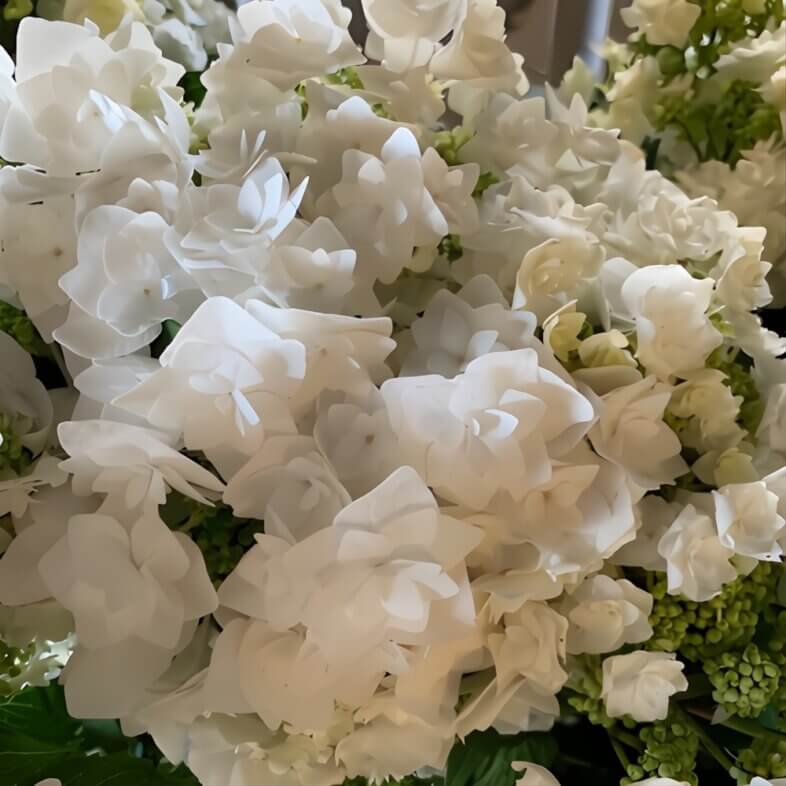
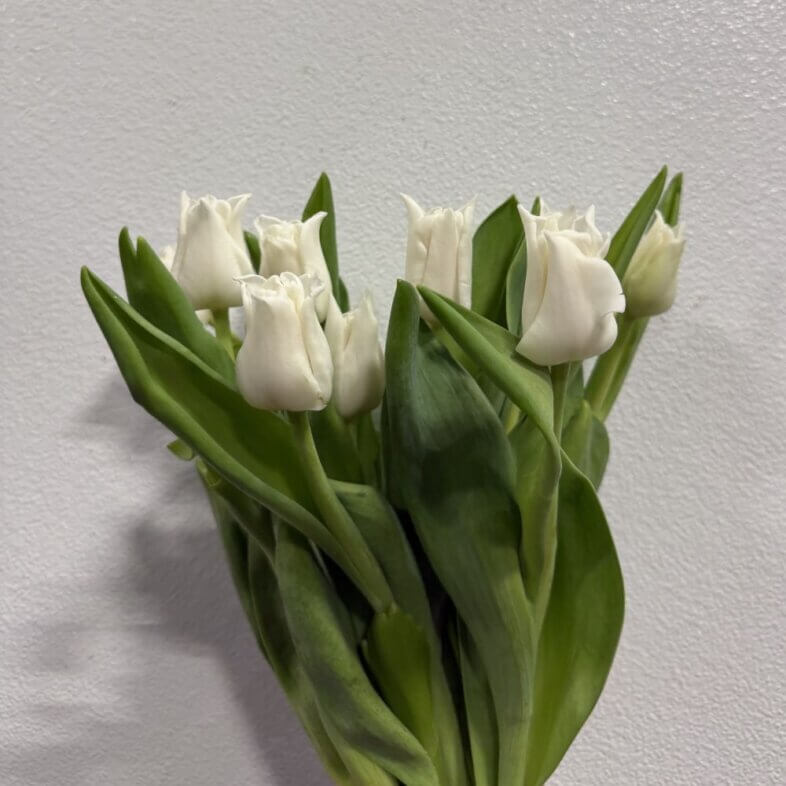
Many couples choose white wedding flowers because they feel clean, flexible, and easy to pair. White flowers work beautifully with greenery, blush, peach, blue, beige, and other neutrals. From white roses and ranunculus to hydrangeas, tulips, and stock, these blooms help create arrangements that look polished and timeless.
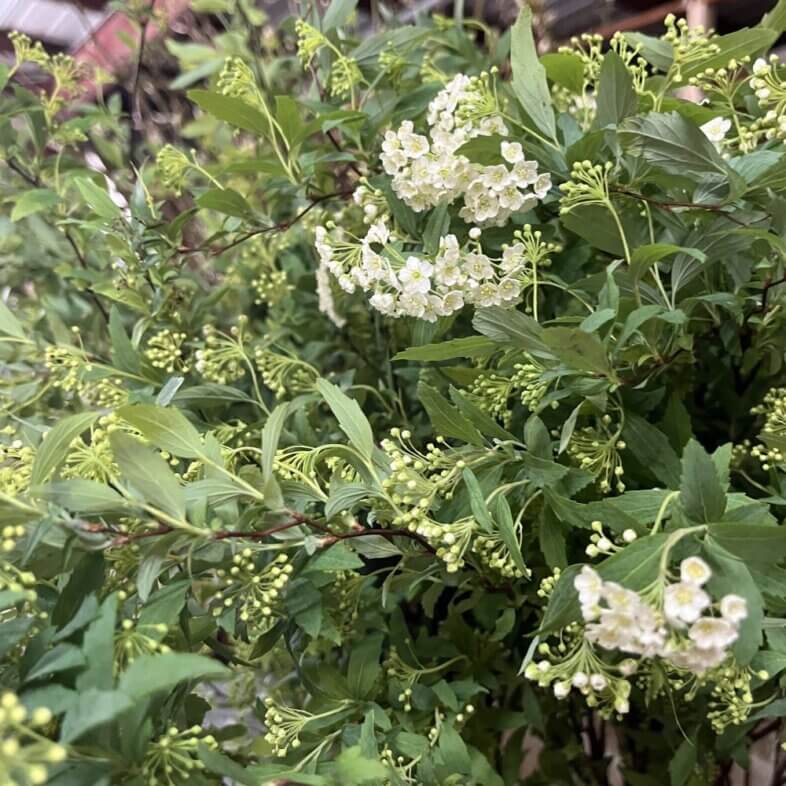
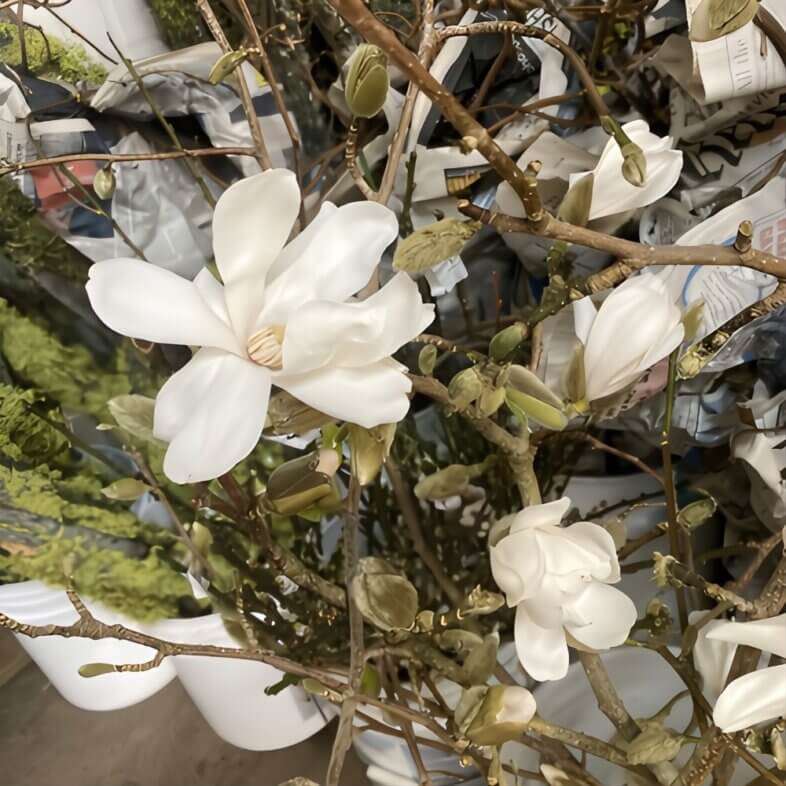

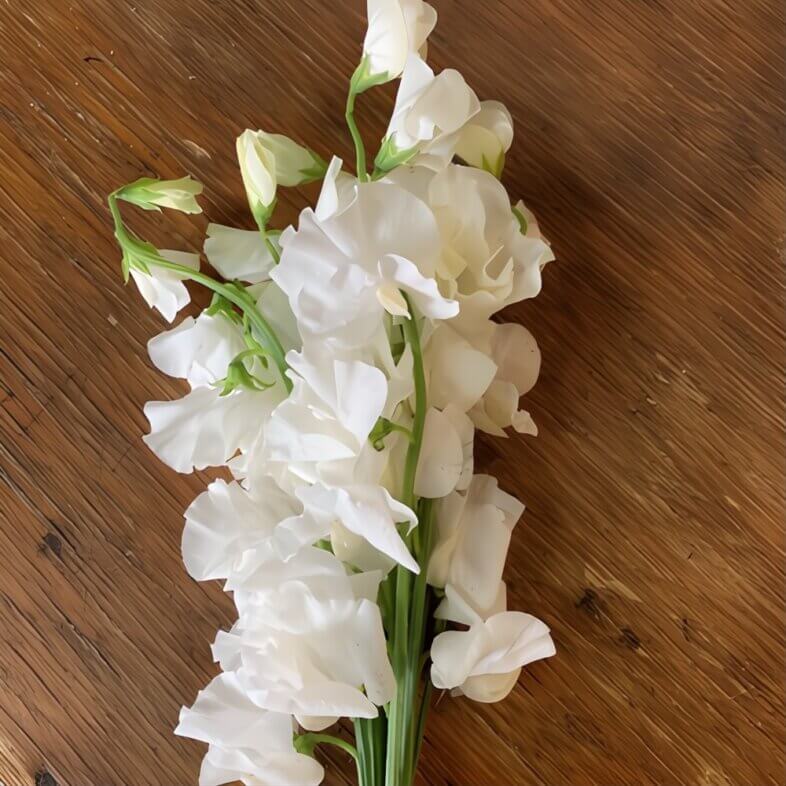
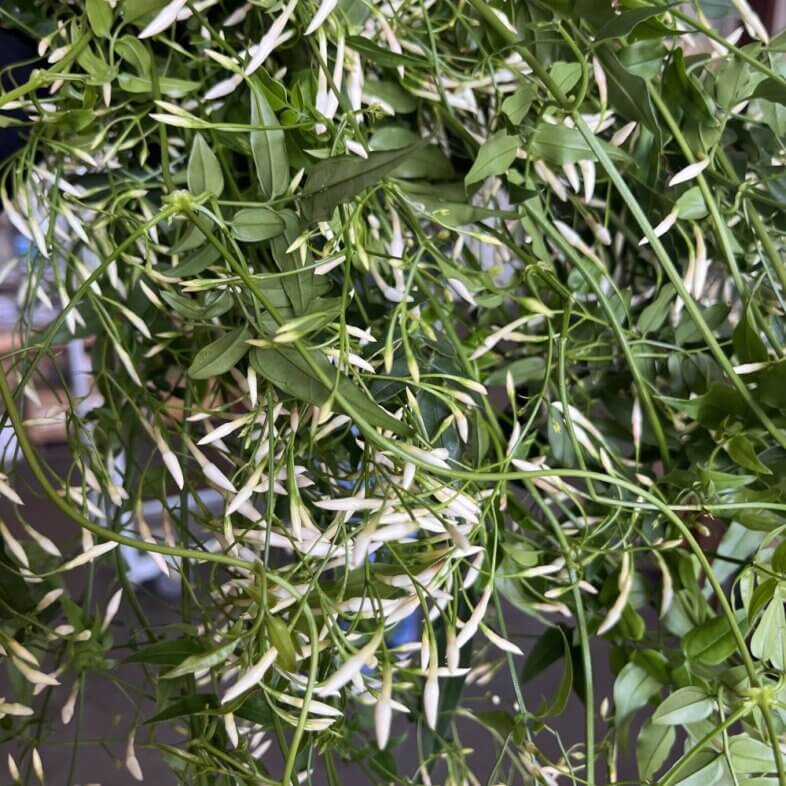
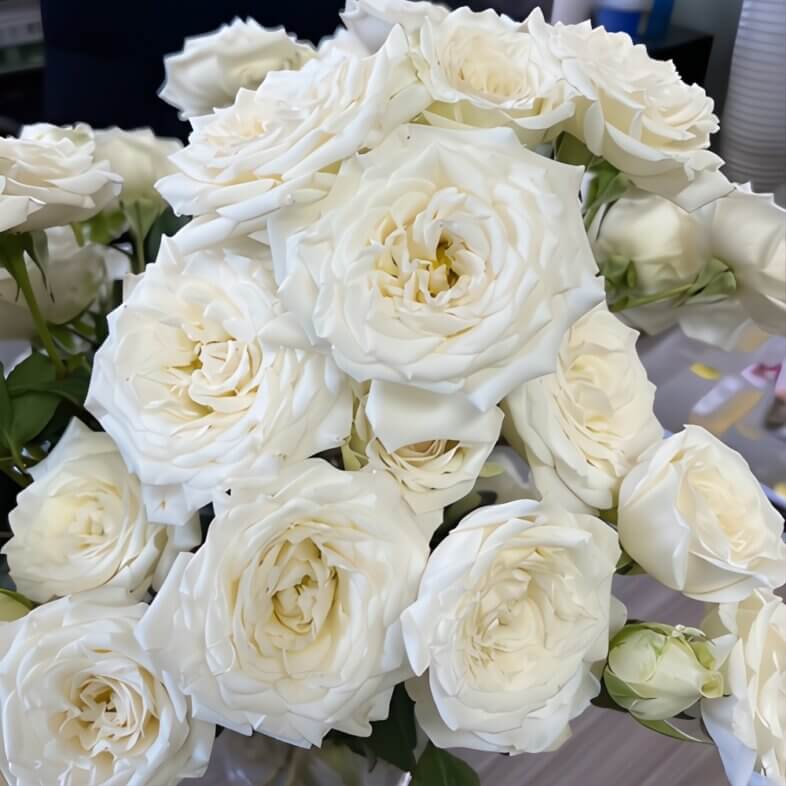

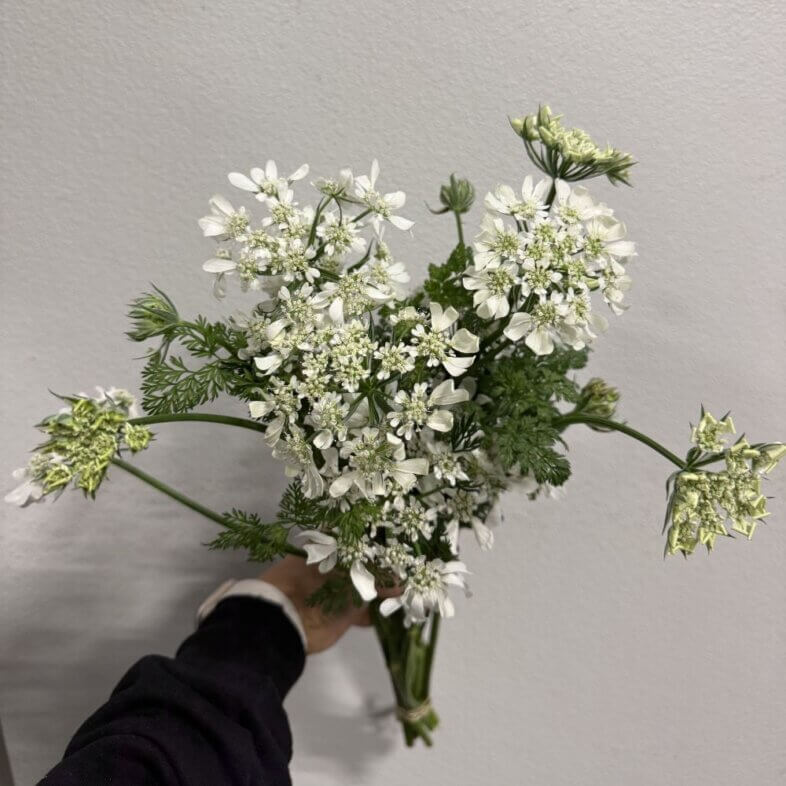





White Flowers Buying Guide
White flowers are one of the most versatile choices for DIY weddings and events. They can look formal, romantic, modern, or garden inspired depending on the flower varieties you choose and how much texture you add. This guide helps you choose the right white flowers fast, then order wholesale stems that fit your palette and design style.
White is often used as a base color because it works in almost every floral recipe. It brightens mixed arrangements, softens stronger colors, and gives bouquets and centerpieces a finished look.
- Bright white reads crisp and clean
- Soft white feels romantic and natural
- Ivory-leaning white adds warmth and depth
Popular white flowers include roses, ranunculus, hydrangeas, stock, tulips, lisianthus, and garden roses when you want fullness, shape, and flexibility.
White, Ivory, and Cream Flowers
White flowers are usually the clearest and brightest option in a neutral palette. Cream flowers carry a warmer cast and can lean buttery or soft vanilla. Ivory sits between the two and often feels softer than pure white. If your palette depends on a clean, true white look, focus on varieties that photograph bright rather than warm.
This matters most when you are mixing categories. White flowers can make cream and beige tones look warmer by comparison. That contrast can be beautiful, but it should be planned on purpose.
How White Flowers Photograph
White flowers photograph differently depending on flower texture, lighting, and the amount of contrast around them. In bright sun, white blooms can lose detail if the petals are very smooth or tightly packed. In shade or soft indoor light, they usually photograph with more depth and a softer edge.
Bright outdoor light can flatten white petals and reduce visible texture. This is one reason layered flowers like garden roses, lisianthus, and ranunculus often photograph better than simpler forms when white is the main palette.
Indoor lighting can shift white toward cream or ivory, especially under warm bulbs, candles, or amber uplighting. If your event is indoors and you want the palette to stay bright, use cooler whites and mix in a few textured blooms to help the arrangements keep definition.
Flash photography tends to simplify white arrangements. Texture matters. A mix of white roses, stock, ranunculus, and greenery usually photographs better than a single white flower type used alone across every arrangement.
Pairing White Flowers by Style
Classic and Formal
Pair white with greenery and a limited palette. This keeps arrangements clean and structured.
Soft and Romantic
Pair white with blush, cream, and peach. This creates a layered palette that still feels light. You can also bring in neutral flowers to soften transitions and add texture without introducing strong color.
Modern and Minimal
Pair white with beige, muted greenery, and clean flower shapes. Let the negative space do part of the work.
Stem Count Planning
Use these ranges as a starting point when planning DIY wedding flowers. The white flower column shows a typical number of stems for the primary flower in each arrangement.
| Arrangement | Total Stem Range | White Flower Stems |
|---|---|---|
| Bridal bouquet | 25 to 45 stems | 12 to 22 stems |
| Bridesmaid bouquet | 15 to 25 stems | 7 to 12 stems |
| Boutonniere | 2 to 4 stems | 1 stem |
| Bud vase | 5 to 8 stems | 2 to 4 stems |
| Medium centerpiece | 25 to 40 stems | 10 to 18 stems |
| Large centerpiece | 45 to 70 stems | 18 to 30 stems |
| Ceremony arrangement | 80 to 140 stems | 35 to 60 stems |
Why Our White Flowers Look Fresh and Consistent
Every order is hand picked and packed at our Carpinteria facility. We inspect and repack flowers before they ship. This helps reduce quality issues and color inconsistency that can happen with drop ship packing.
Need help choosing between true white, soft white, and ivory leaning varieties. Contact our floral team and we will help point you to the right flowers for your palette and event style.
For hydration and handling, follow our fresh cut flower care tips.
Seasonal Availability of White Flowers
Many white flowers are available year round, but exact varieties change with season, farm production, and demand. If white is the core of your wedding palette, review your flower list early and reserve focal blooms in advance.
White Roses
Available year round and one of the most reliable choices for bouquets, centerpieces, and ceremony flowers. White roses are a strong base flower for classic wedding palettes.
White Garden Roses
Available most of the year depending on variety and farm cycles. Reserve early when garden roses are the focal flower or when you need a specific shape.
White Ranunculus
Most common in winter and spring. White ranunculus add movement and detail to bouquets and centerpieces.
White Tulips
Most common in winter through spring. White tulips can read crisp or soft depending on bloom stage and variety.
White Hydrangeas
Available most of the year and useful when you need fullness and fast coverage in large arrangements.
White Stock and Lisianthus
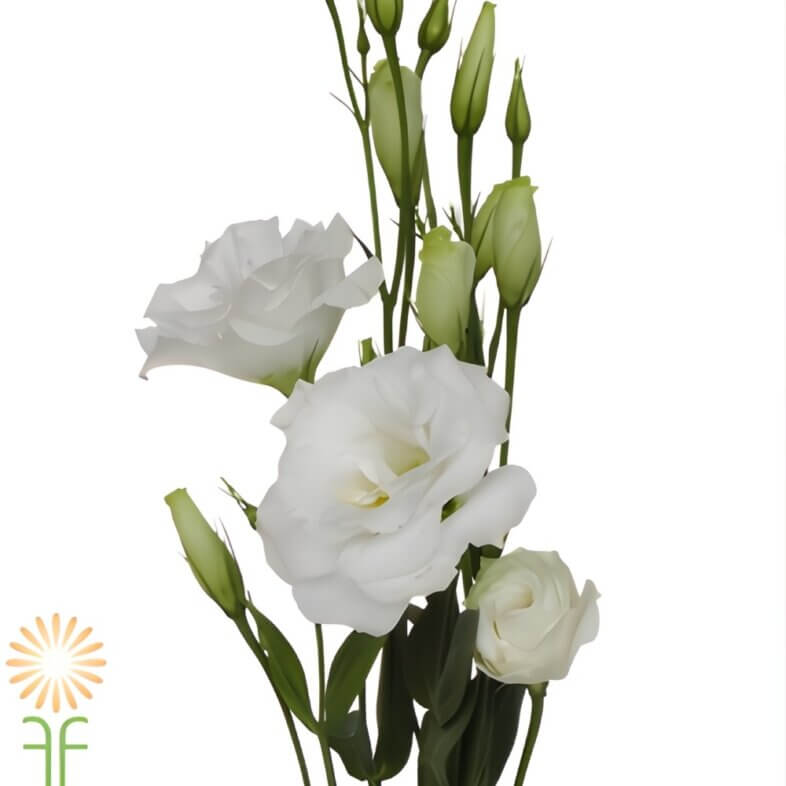
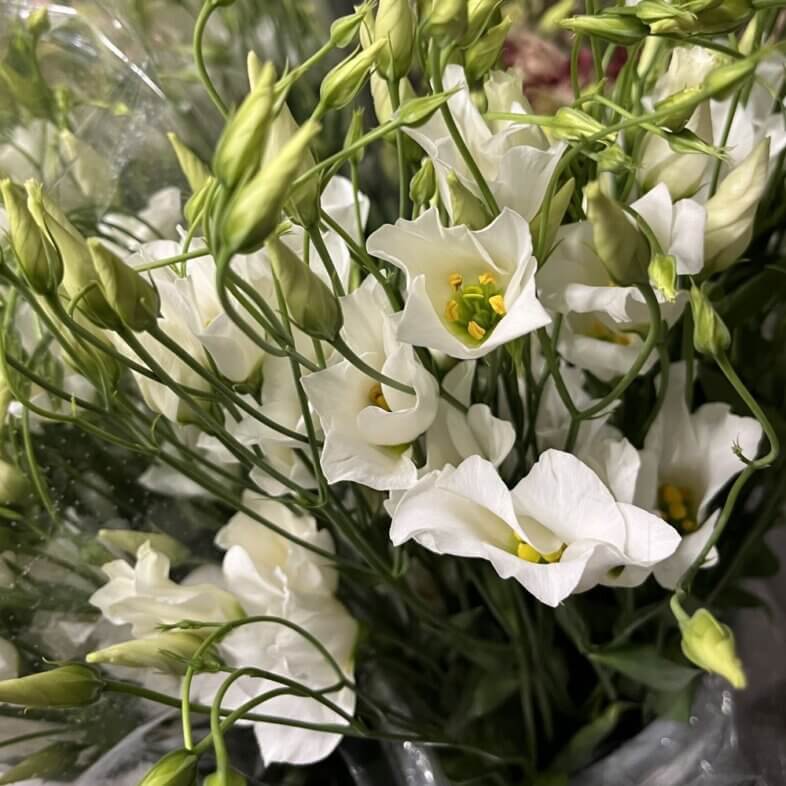
Excellent for adding height, softness, and movement. These are useful support flowers in romantic and garden style designs.
If your first choice is unavailable for your event date, our floral team can suggest a similar white variety that keeps the overall design cohesive.
Frequently Asked Questions
What are the most popular white flowers for weddings?
White roses, ranunculus, hydrangeas, stock, lisianthus, tulips, and garden roses are common choices because they work across bouquets, centerpieces, and ceremony flowers.
What is the difference between white, ivory, and cream flowers?
White flowers read brighter and cleaner. Ivory sits a little warmer and softer. Cream leans more yellow or vanilla. The three can work together, but they do not read the same in person or in photos.
Which white flowers have the longest vase life?
Carnations, chrysanthemums, alstroemeria, and some white fillers usually last the longest, often seven to fourteen days with proper care. White roses often average five to seven days. Garden roses and ranunculus are usually more delicate.
Do white flowers photograph well?
Yes, but texture matters. Layered flowers such as ranunculus, lisianthus, stock, and garden roses usually hold more visible detail in photos than very smooth or tightly closed blooms.
Can I mix white flowers with beige or blush flowers?
Yes. White flowers pair well with beige, blush, peach, cream, and greenery. Mixing white with warmer neutrals creates depth without making the palette feel busy.
Are white flowers a good choice for modern weddings?
Yes. White works well in modern wedding designs because it feels clean and structured. It pairs easily with greenery, simple containers, and open space layouts.