

Home » Shop » Color » Blush Flowers »
Hand-Selected Blush Flowers in Soft Pink Tones for Wedding Designs
Wholesale Blush Flowers for Weddings & Events
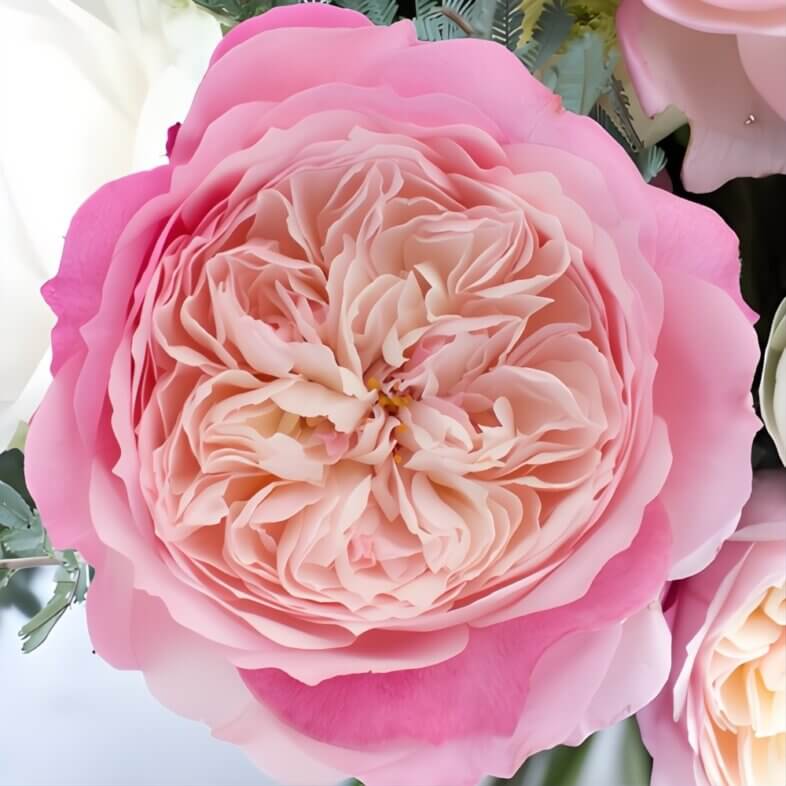
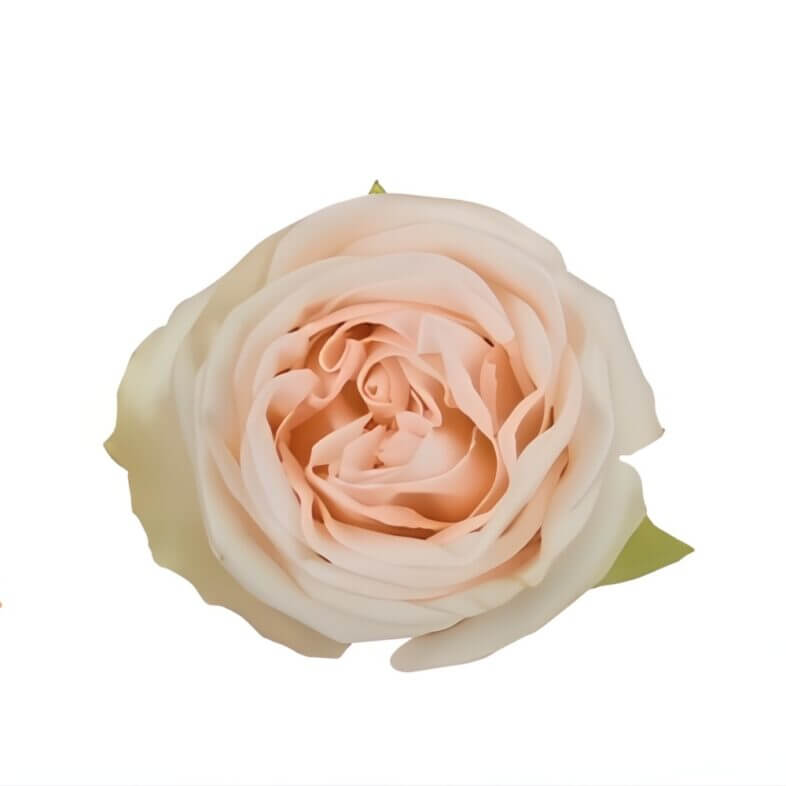
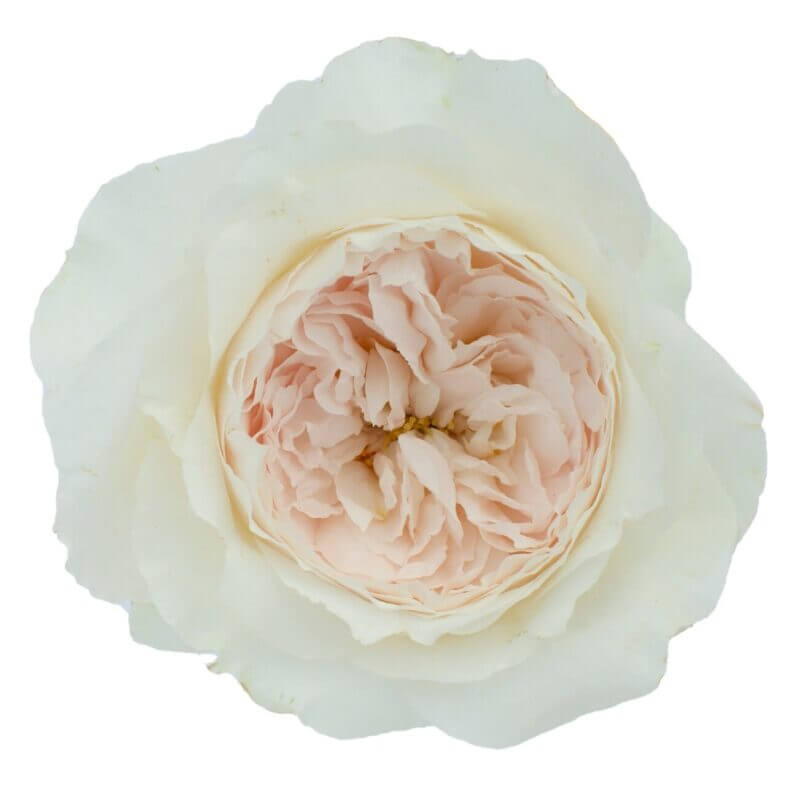
Blush flowers bring a soft pink tone to DIY weddings and events. From blush roses and ranunculus to spray roses, carnations, and garden roses, this collection includes fresh-cut wholesale blush flowers suited for bouquets, centerpieces, ceremony flowers, and installations. Blush flowers pair well with white flowers, cream flowers, and neutral flowers to create layered palettes without strong contrast. Every order is inspected and packed at our Carpinteria, California facility to support consistency, quality, and freshness.
Need help selecting the right shade or variety? Contact our floral team for guidance.
Overview | Pairing Guide | Stem Counts | Seasonality | FAQs | Shop Flowers
Shop Blush Flowers
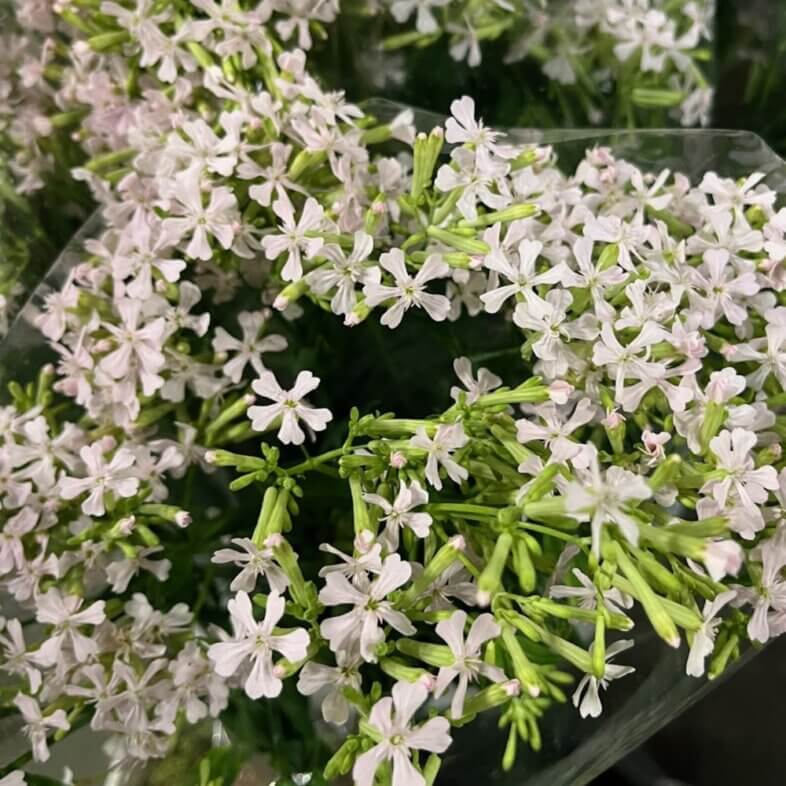
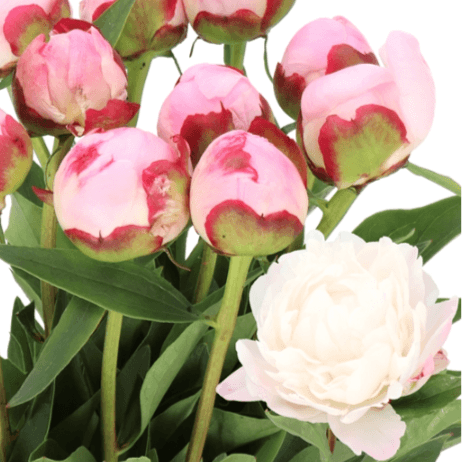
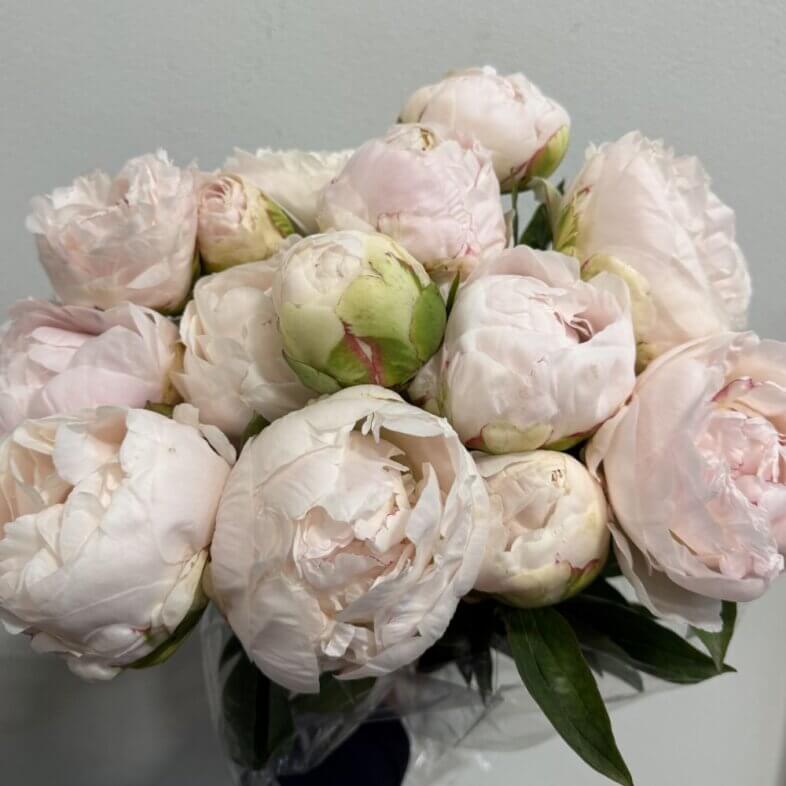
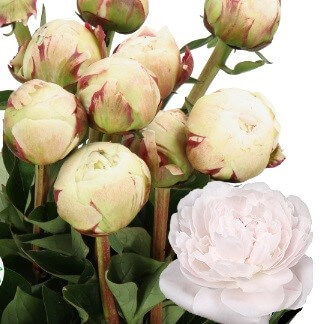
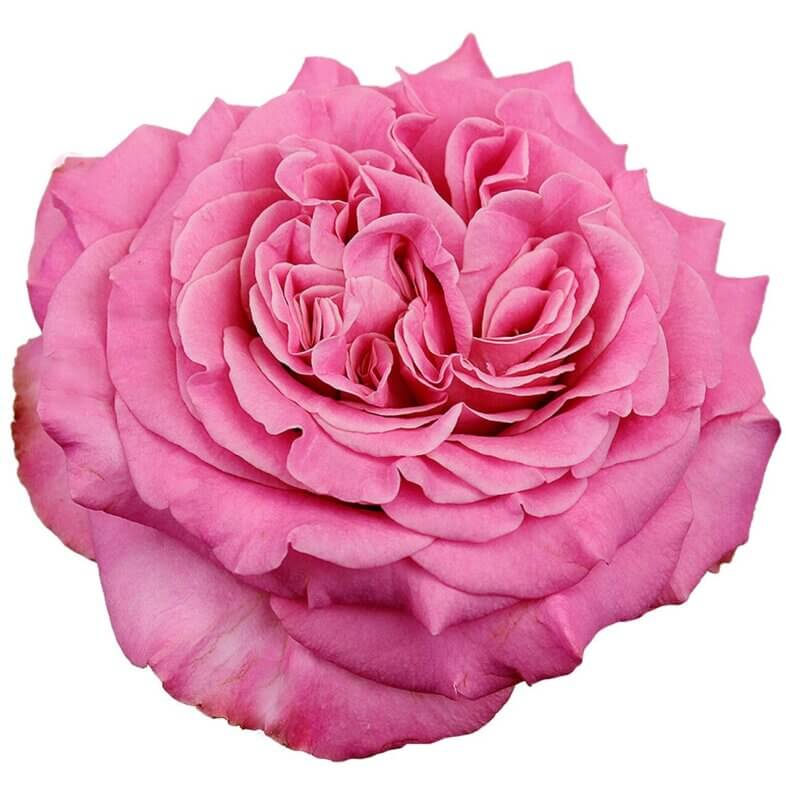
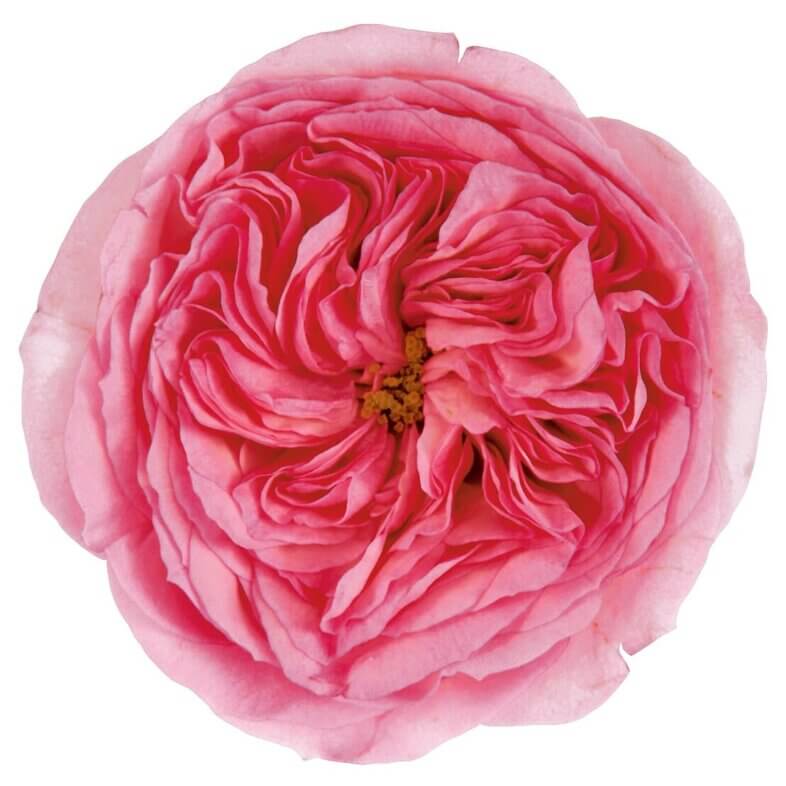
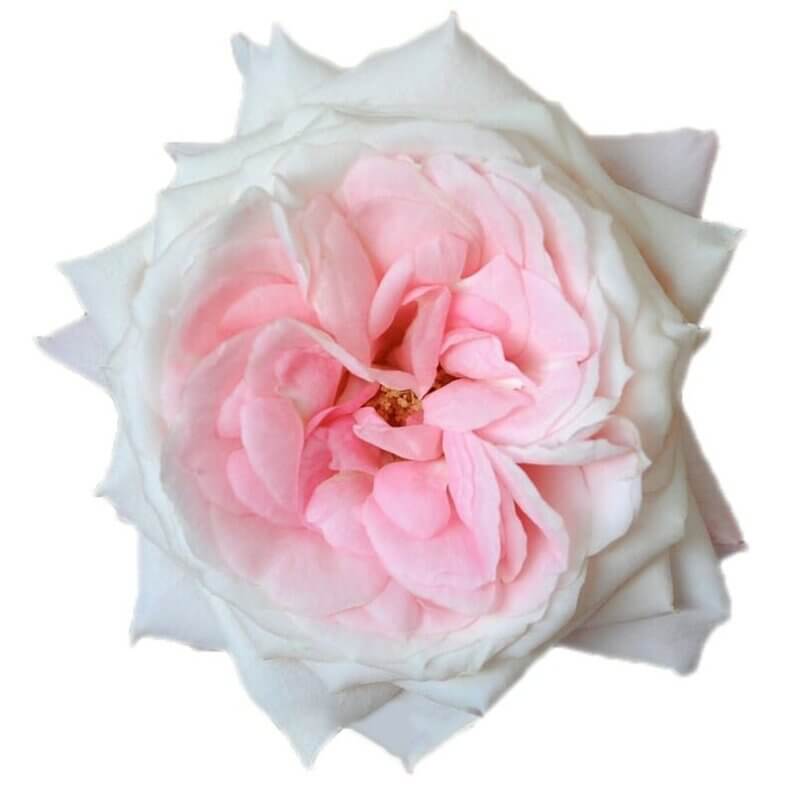
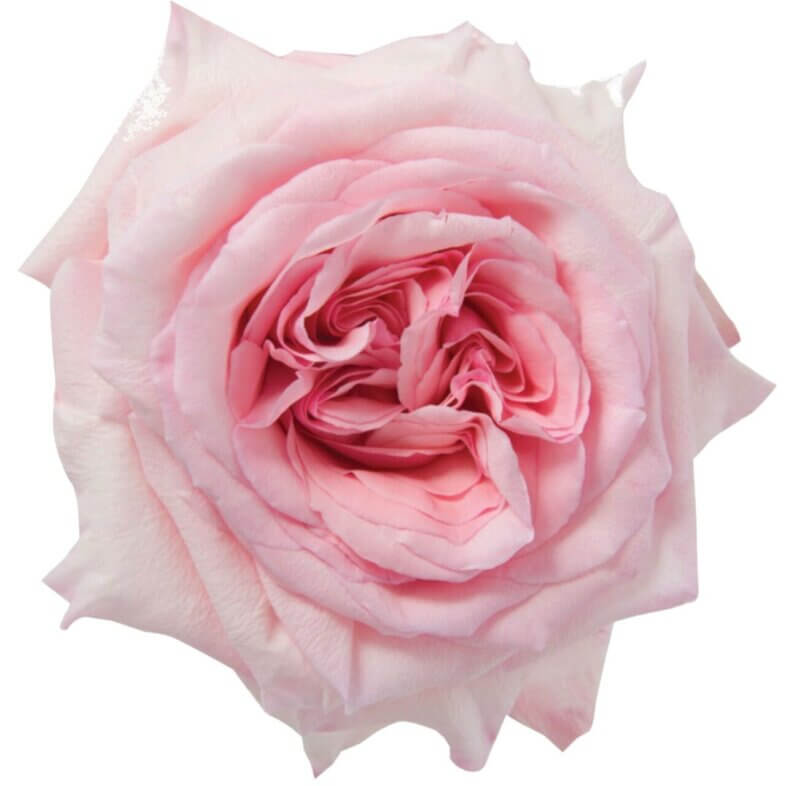
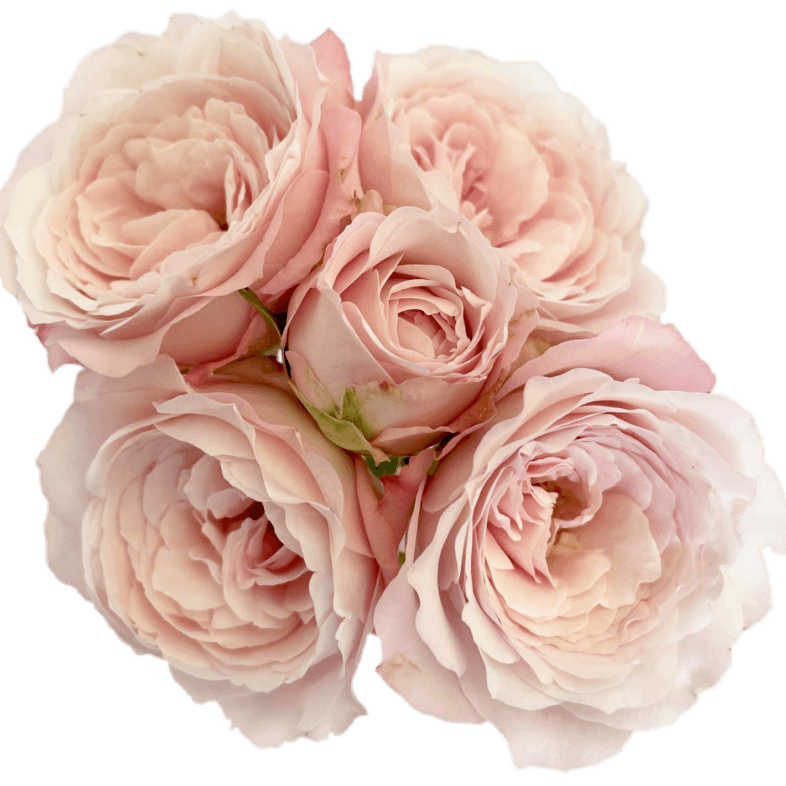
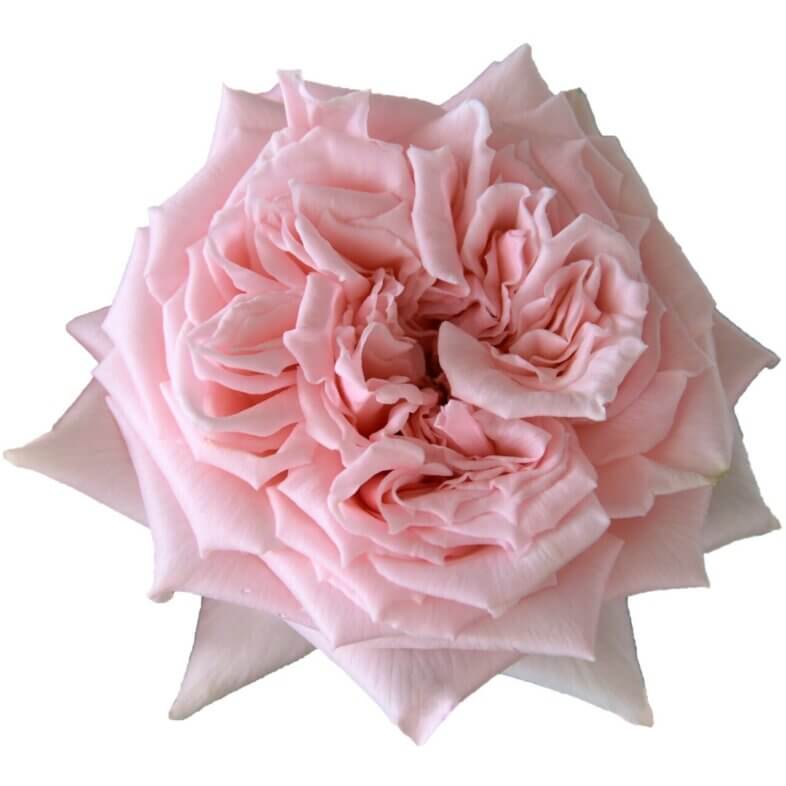
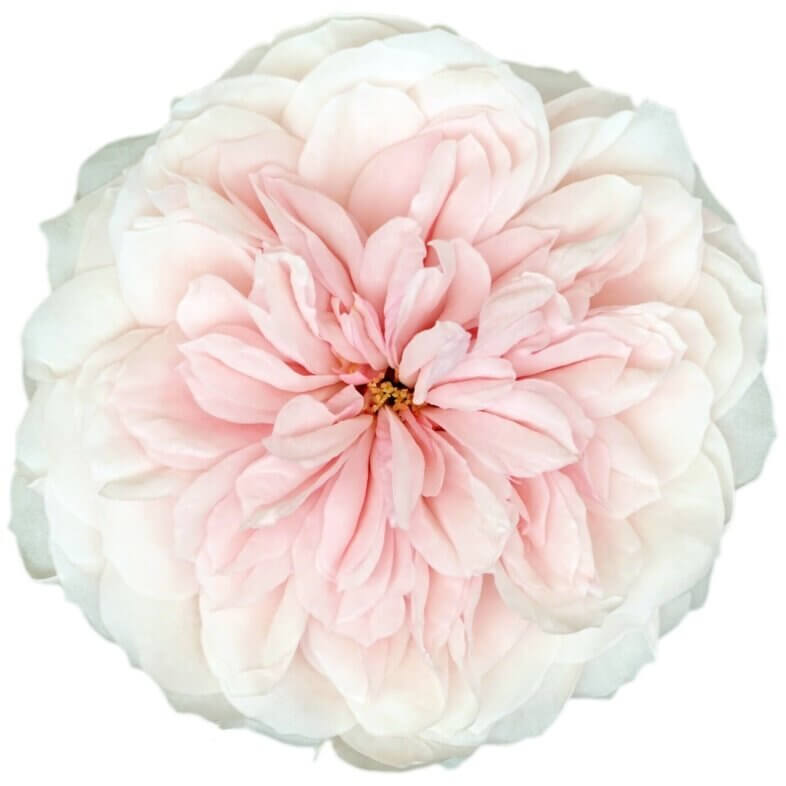
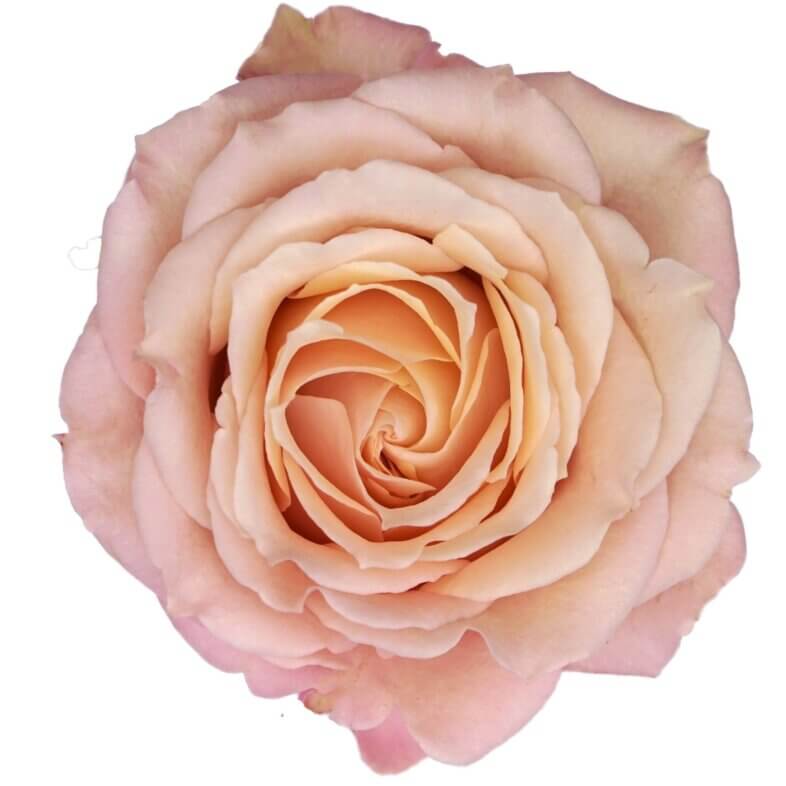
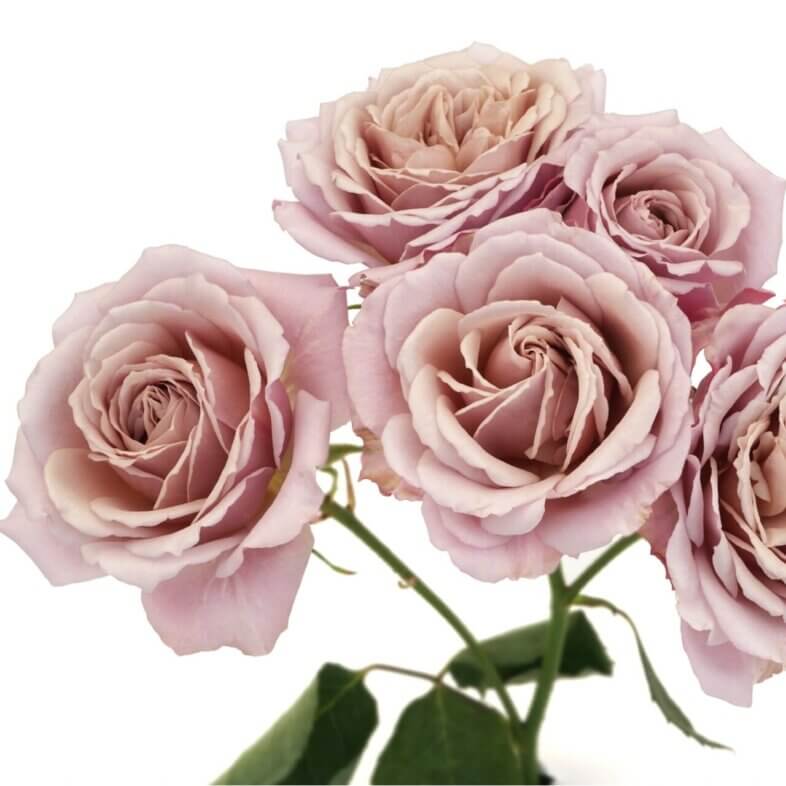
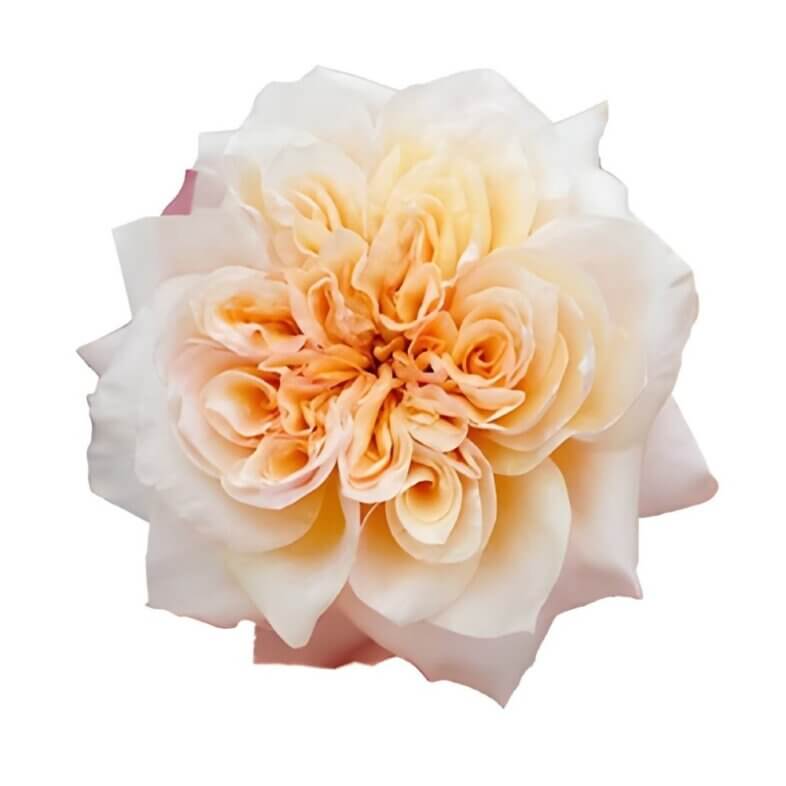
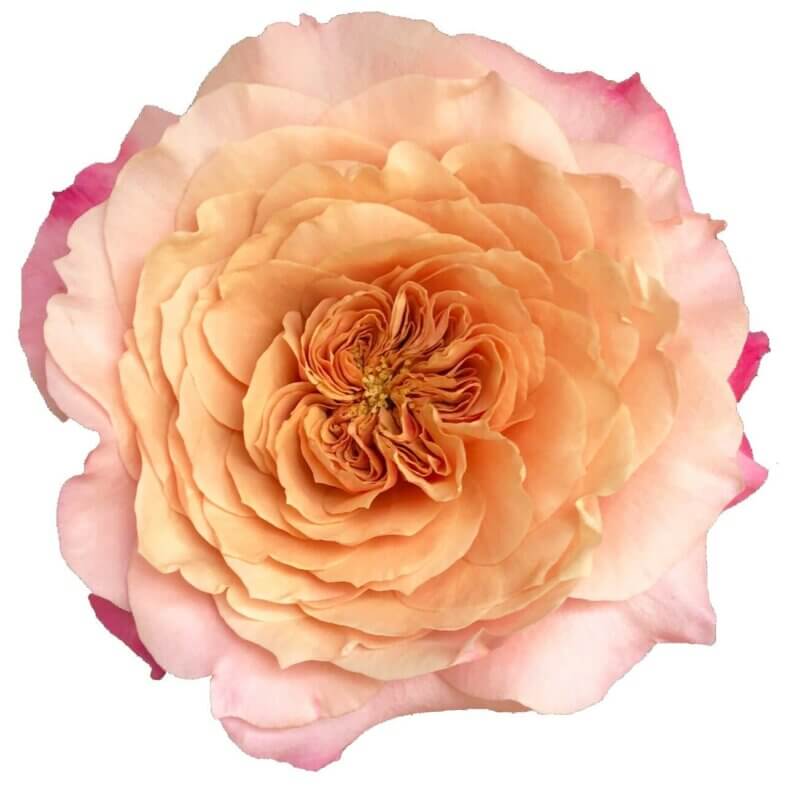
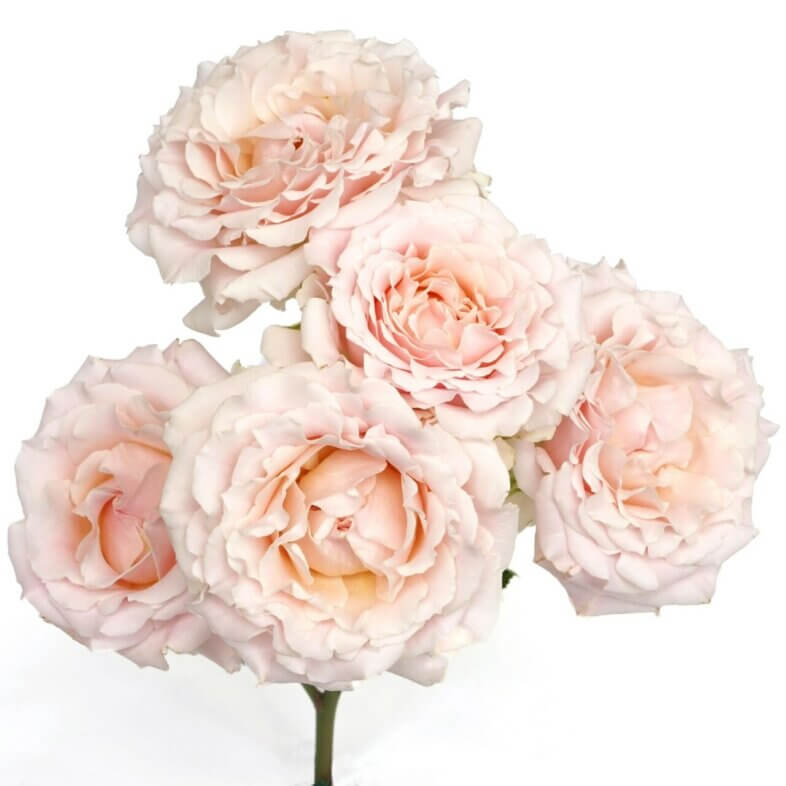
Browse our collection of blush flowers for weddings, bouquets, and centerpieces. This assortment includes soft pink, dusty rose, and pale blush blooms that work well in romantic and layered palettes.
Blush flowers are often used as a core color because they blend easily with white, cream, and neutral tones. From blush roses and ranunculus to spray roses and carnations, these flowers help create dimension while keeping the palette soft.

- « Previous
- 1
- 2
- 3
- Next »
Blush Flowers Buying Guide
Blush flowers are one of the most flexible choices for DIY weddings and events. Blush can read soft pink, dusty rose, pale shell pink, or a warm petal pink depending on the variety and lighting. This guide helps you choose the right blush flowers quickly, then order wholesale stems that match your palette and design style.
If you are comparing blush to pink or peach, focus on saturation and warmth.
- Blush reads softer and more muted than pink
- Blush sits cooler and lighter than most peach tones
- Blush works as a color without overpowering the arrangement
Popular blush flowers include roses, spray roses, ranunculus, carnations, garden roses, peonies, and soft textural blooms when you want romance, dimension, and flexibility.
How Blush Flowers Photograph
Blush flowers usually photograph well because they add visible color without creating hard contrast. In bright daylight, blush can appear lighter and softer. In warm indoor lighting, blush often becomes richer and slightly warmer. Understanding this helps you choose a tone that still feels balanced from ceremony to reception.
Bright outdoor light can wash out very pale blush varieties, especially flowers that are close to white. If your palette depends on visible blush tone, choose layered blooms such as garden roses, ranunculus, and carnations that hold color and texture well in photos.
Warm indoor lighting can deepen blush and pull some varieties slightly toward peach. This is usually flattering, but it matters if your palette is supposed to stay cool and airy.
Flash photography tends to flatten subtle petal variation. Mixing blush flowers with cream, white, or textured support flowers helps maintain depth and dimension in photos.
Pairing Blush Flowers by Style
Soft and Romantic
Pair blush with cream and peach tones to build a layered palette that feels natural and relaxed.
Neutral and Layered
Combine blush with beige and neutral tones to add depth while keeping the palette balanced.
Clean and Classic
Mix blush with white and greenery for a simple and structured look.
Stem Count Planning
Use these ranges as a starting point when planning DIY wedding flowers. The blush flower column shows a typical number of stems for the primary flower in each arrangement.
| Arrangement | Total Stem Range | Blush Flower Stems |
|---|---|---|
| Bridal bouquet | 25 to 45 stems | 12 to 22 stems |
| Bridesmaid bouquet | 15 to 25 stems | 7 to 12 stems |
| Boutonniere | 2 to 4 stems | 1 stem |
| Bud vase | 5 to 8 stems | 2 to 4 stems |
| Medium centerpiece | 25 to 40 stems | 10 to 18 stems |
| Large centerpiece | 45 to 70 stems | 18 to 30 stems |
| Ceremony arrangement | 80 to 140 stems | 35 to 60 stems |
Why Our Blush Flowers Look Consistent
Every order is hand picked and packed at our Carpinteria facility. We inspect and repack flowers before they ship. This helps reduce quality issues and color inconsistency that can happen with drop ship packing.
Need help deciding between blush, light pink, and peach-toned flowers. Contact our floral team and we will help you choose the right flowers for your palette and event style.
For hydration and handling, follow our fresh cut flower care tips.
Seasonal Availability of Blush Flowers
Many blush flowers are available year-round, but the exact mix changes by variety, season, and grower cycles. Roses, spray roses, and carnations provide a strong year-round base, while peonies and some garden roses are more limited and should be planned early.
Blush Roses
Available year round and one of the most reliable choices for bouquets, centerpieces, and ceremony flowers. Blush roses are a strong base flower for romantic wedding palettes.
Blush Garden Roses
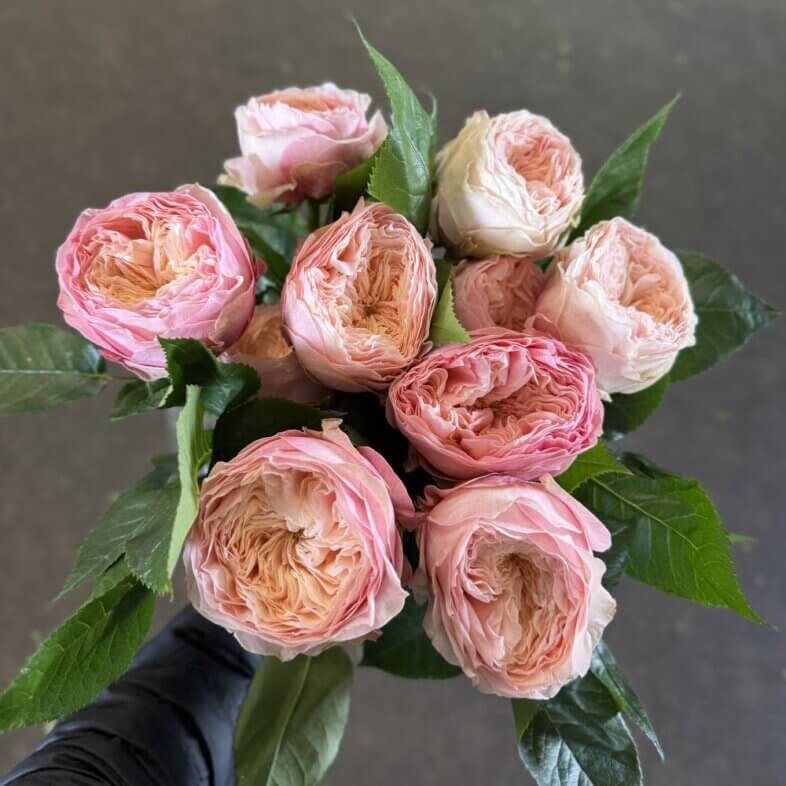
Available most of the year depending on variety and farm cycles. Reserve early when garden roses are the focal flower or when you want a specific shape and tone.
Blush Ranunculus
Most common in winter and spring. Blush ranunculus add movement and detail to bouquets and centerpieces.
Blush Peonies
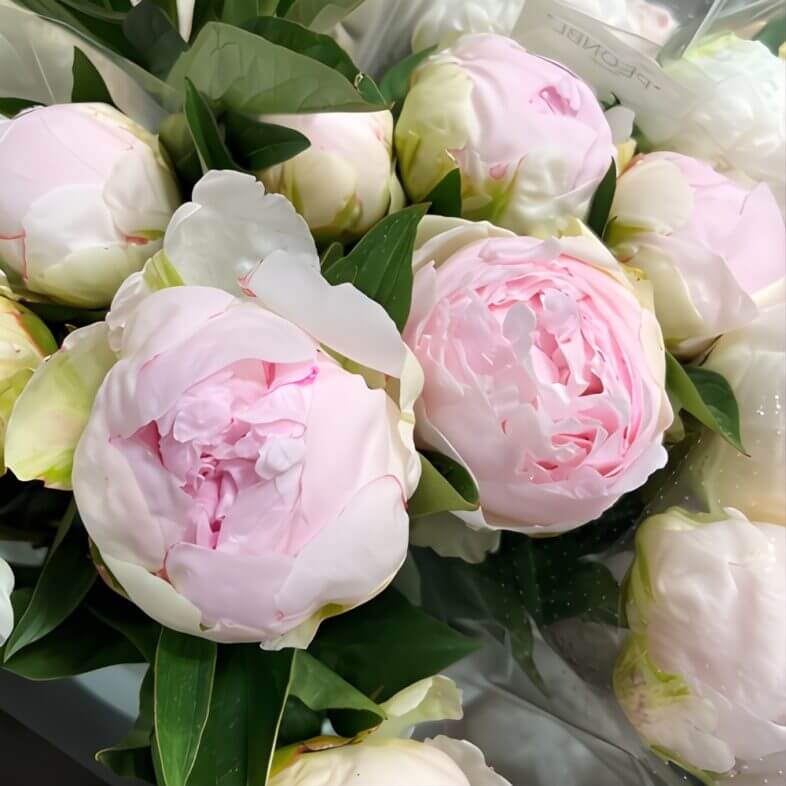
Strongly seasonal and usually associated with spring and early summer. When available, they create fullness and softness quickly.
Blush Carnations and Spray Carnations
Available year round and useful when you need volume, color consistency, and value across larger arrangements.
Blush Textural Flowers
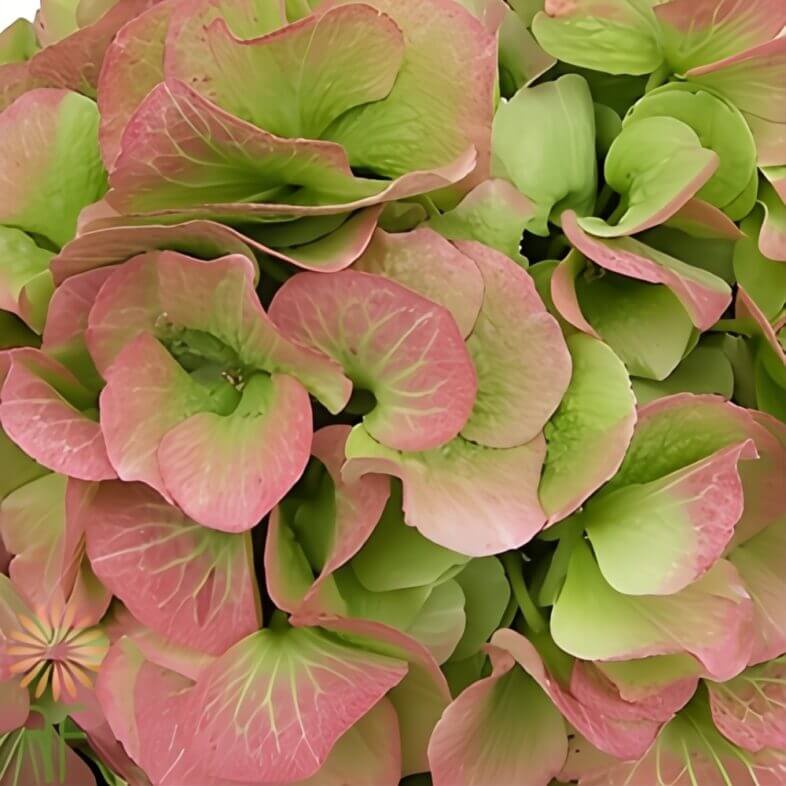
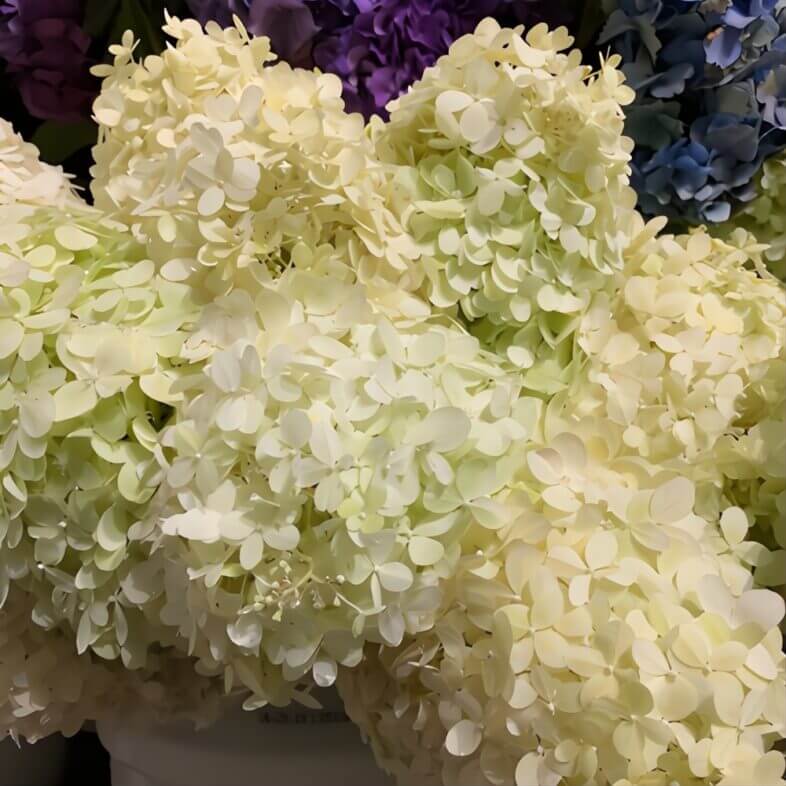
Flowers such as astilbe, statice, and hydrangea are useful for adding softness, height, and tonal variation within a blush palette.
If your first choice is unavailable for your event date, our floral team can suggest a similar blush variety that keeps the overall design cohesive.
Frequently Asked Questions
What are the most popular blush flowers for weddings?
Blush roses, spray roses, ranunculus, garden roses, carnations, and peonies are common choices because they provide soft color and work across many arrangement styles.
What is the difference between blush, pink, and peach flowers?
Blush is softer and more muted than pink. Pink is brighter and more saturated. Peach leans warmer with orange tones. These colors can be combined but do not read the same.
Which blush flowers have the longest vase life?
Carnations and spray carnations often last seven to fourteen days. Roses and spray roses average five to seven days. Garden roses and ranunculus are more delicate.
Can I mix blush flowers with neutral colors?
Yes. Blush pairs well with white, cream, beige, and neutral flowers. This combination adds depth while keeping the overall palette soft.
Do blush flowers work for all wedding styles?
Yes. Blush flowers can be used in romantic, classic, and modern designs. The tone is flexible and works across a wide range of palettes.
Are blush flowers available year-round?
Yes. Core varieties like roses, carnations, and spray roses are available most of the year, while peonies and some garden roses are more seasonal.